Research Center for Cooperative Projects, Hokkaido University Graduate School of Medicine, Sapporo 060-8638, Japan.
Cell Death Dis. 2012 Mar 8;3(3):e278. doi: 10.1038/cddis.2012.20.
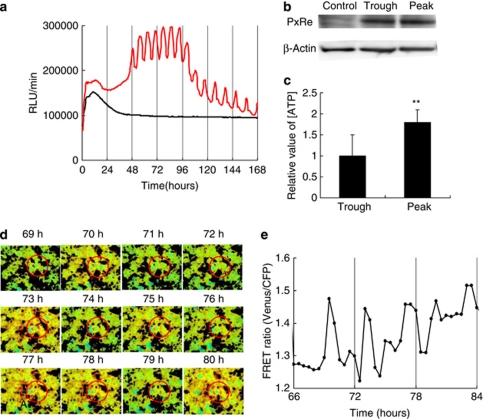
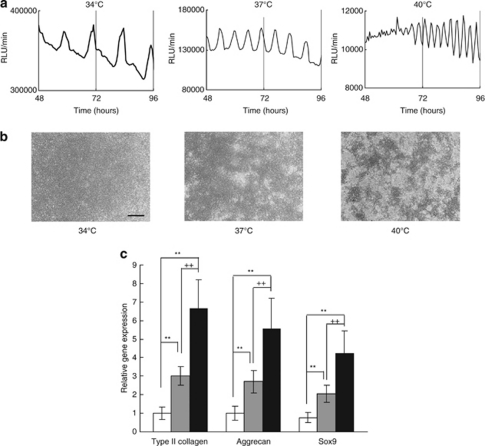
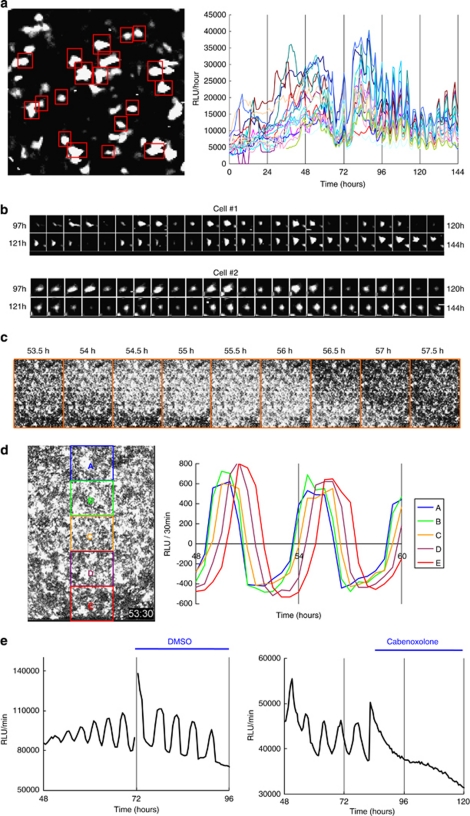
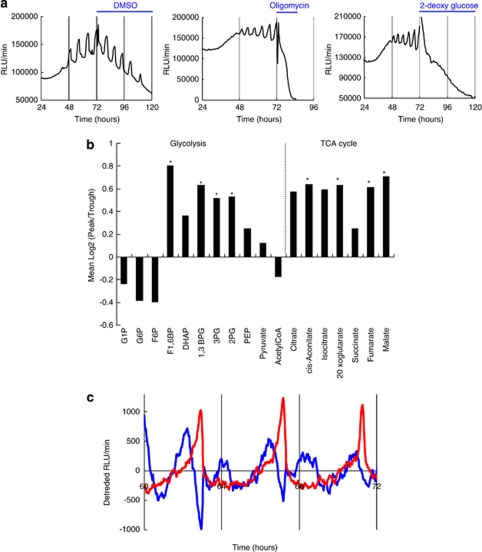
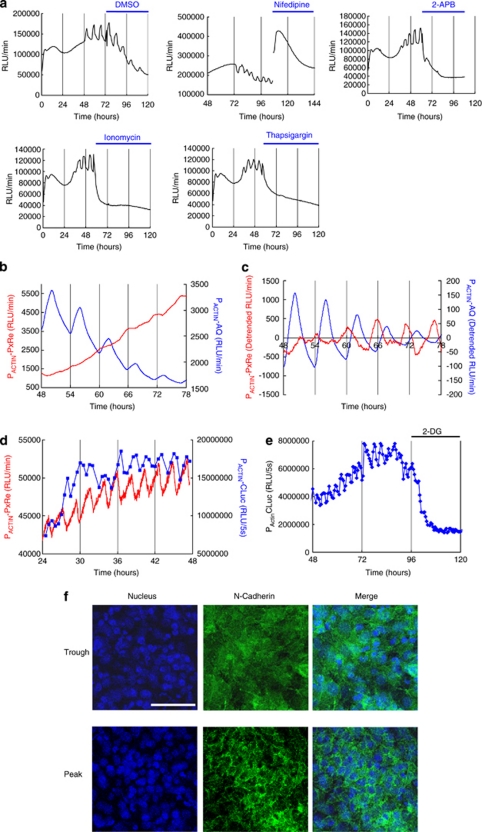
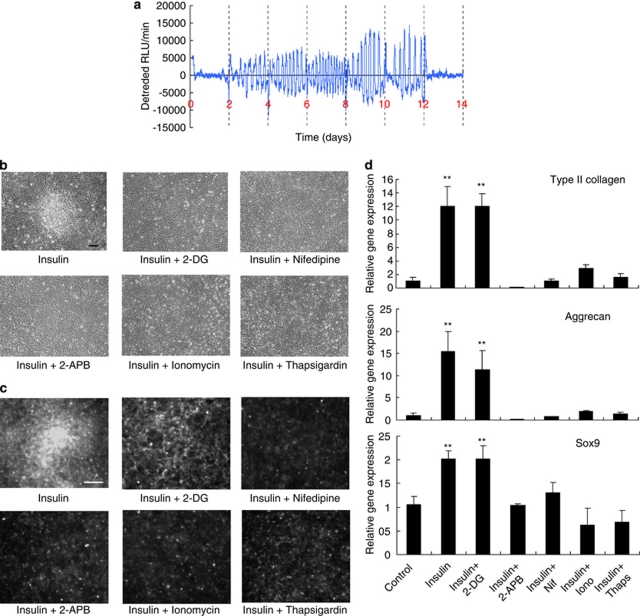
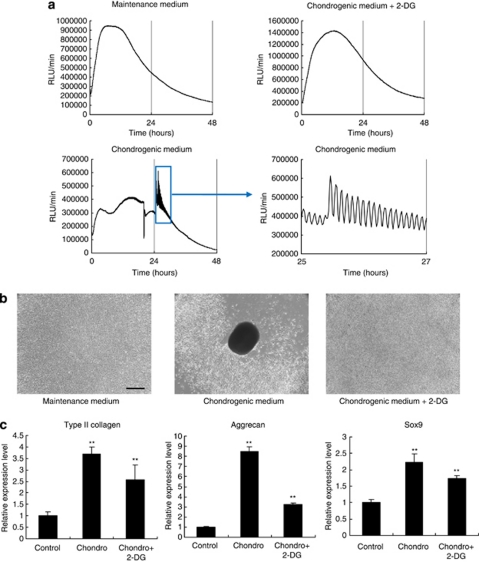
The skeletal elements of embryonic limb are prefigured by prechondrogenic condensation in which secreted molecules such as adhesion molecules and extracellular matrix have crucial roles. However, how the secreted molecules are controlled to organize the condensation remains unclear. In this study, we examined metabolic regulation of secretion in prechondrogenic condensation, using bioluminescent monitoring systems. We here report on ATP oscillations in the early step of chondrogenesis. The ATP oscillations depended on both glycolysis and mitochondrial respiration, and their synchronization among cells were achieved via gap junctions. In addition, the ATP oscillations were driven by Ca(2+) oscillations and led to oscillatory secretion in chondrogenesis. Blockade of the ATP oscillations prevented cellular condensation. Furthermore, the degree of cellular condensation increased with the frequency of ATP oscillations. We conclude that ATP oscillations have a critical role in prechondrogenic condensation by inducing oscillatory secretion.
胚胎肢骨的骨骼元素由预软骨凝聚预先形成,其中分泌的分子(如粘附分子和细胞外基质)起着关键作用。然而,分泌分子如何被控制以组织凝聚尚不清楚。在这项研究中,我们使用生物发光监测系统研究了预软骨凝聚中的分泌代谢调节。我们在这里报告了软骨发生早期阶段的 ATP 振荡。ATP 振荡依赖于糖酵解和线粒体呼吸,并且它们在细胞之间通过间隙连接实现同步。此外,ATP 振荡由 Ca(2+)振荡驱动,并导致软骨生成中的振荡分泌。ATP 振荡的阻断阻止了细胞凝聚。此外,细胞凝聚的程度随 ATP 振荡的频率增加而增加。我们的结论是,ATP 振荡通过诱导振荡分泌在预软骨凝聚中起着关键作用。