Department of Biochemistry and Medical Genetics, University of Manitoba, 745 Bannatyne Avenue, Winnipeg MB R3E 0J9, Canada.
Mol Cancer. 2012 Mar 27;11:18. doi: 10.1186/1476-4598-11-18.
HLTF (Helicase-like Transcription Factor) is a DNA helicase protein homologous to the SWI/SNF family involved in the maintenance of genomic stability and the regulation of gene expression. HLTF has also been found to be frequently inactivated by promoter hypermethylation in human colon cancers. Whether this epigenetic event is required for intestinal carcinogenesis is unknown.
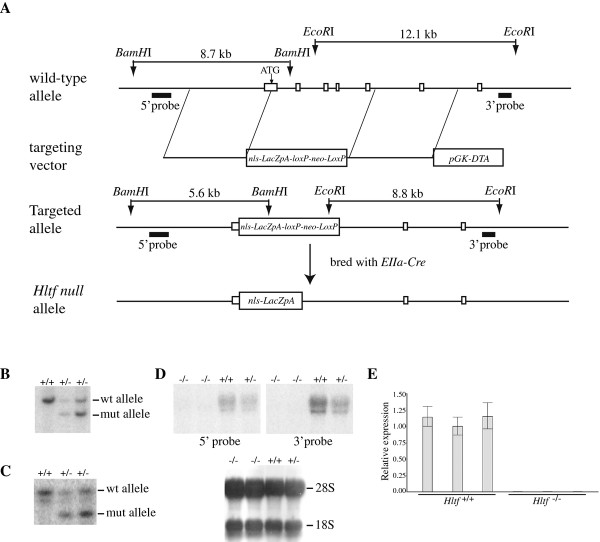
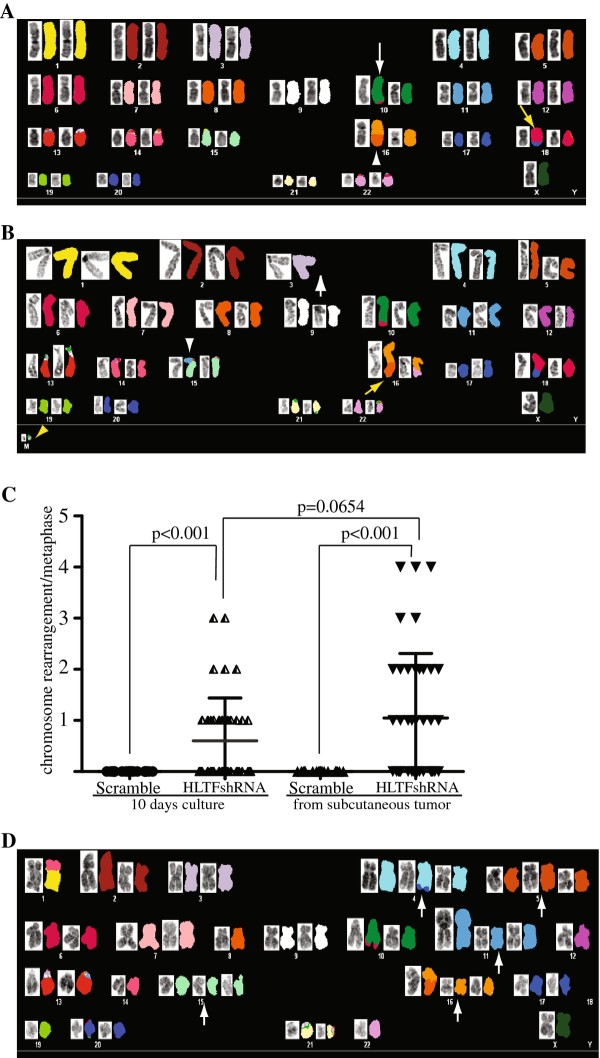
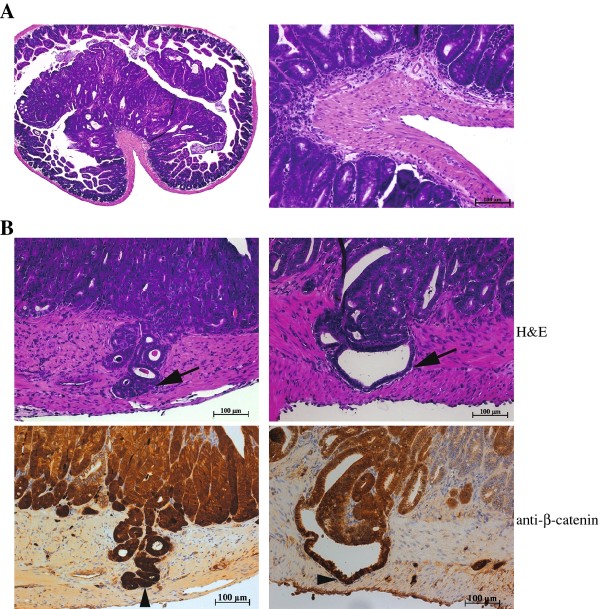
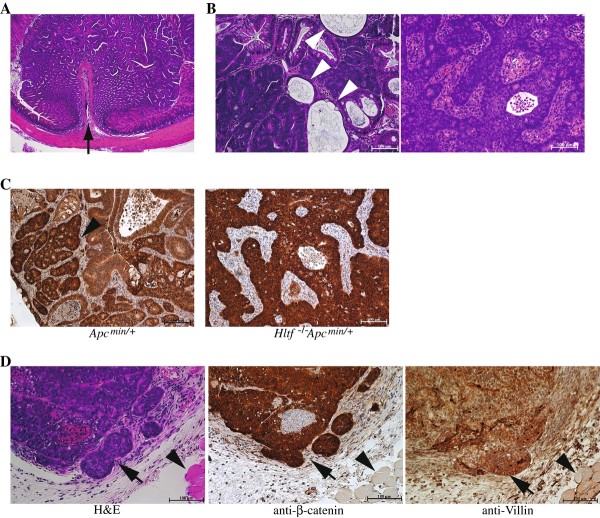
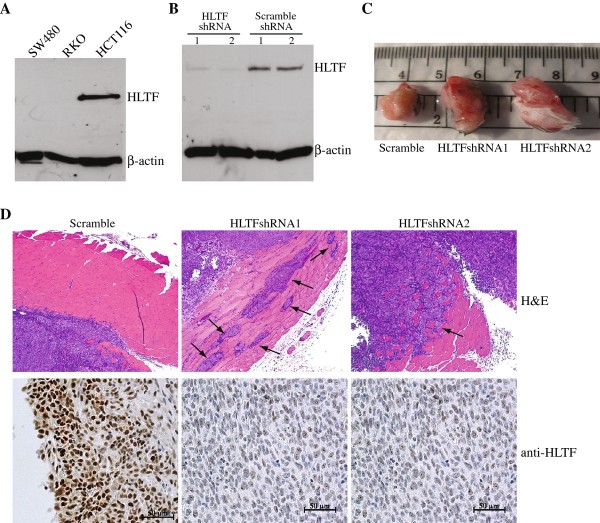
To address the role of loss of HLTF function in the development of intestinal cancer, we generated Hltf deficient mice. These mutant mice showed normal development, and did not develop intestinal tumors, indicating that loss of Hltf function by itself is insufficient to induce the formation of intestinal cancer. On the Apcmin/+ mutant background, Hltf- deficiency was found to significantly increase the formation of intestinal adenocarcinoma and colon cancers. Cytogenetic analysis of colon tumor cells from Hltf-/-/Apcmin/+ mice revealed a high incidence of gross chromosomal instabilities, including Robertsonian fusions, chromosomal fragments and aneuploidy. None of these genetic alterations were observed in the colon tumor cells derived from Apcmin/+ mice. Increased tumor growth and genomic instability was also demonstrated in HCT116 human colon cancer cells in which HLTF expression was significantly decreased.
Taken together, our results demonstrate that loss of HLTF function promotes the malignant transformation of intestinal or colonic adenomas to carcinomas by inducing genomic instability. Our findings highly suggest that epigenetic inactivation of HLTF, as found in most human colon cancers, could play an important role in the progression of colon tumors to malignant cancer.
HLTF(螺旋酶样转录因子)是一种与 SWI/SNF 家族同源的 DNA 解旋酶蛋白,参与维持基因组稳定性和基因表达的调控。HLTF 也已被发现经常在人类结肠癌中通过启动子超甲基化失活。这种表观遗传事件是否是肠道癌变所必需的尚不清楚。
为了研究 HLTF 功能丧失在肠道癌症发展中的作用,我们生成了 Hltf 缺陷型小鼠。这些突变小鼠表现出正常的发育,并且没有发展为肠道肿瘤,表明 HLTF 功能的丧失本身不足以诱导肠道癌症的形成。在 Apcmin/+ 突变背景下,发现 Hltf-/-/Apcmin/+ 小鼠中 HLTF 缺失显著增加了肠道腺癌和结肠癌的形成。对 Hltf-/-/Apcmin/+ 小鼠结肠肿瘤细胞的细胞遗传学分析显示,存在高发生率的染色体结构不稳定,包括罗伯逊易位、染色体片段和非整倍体。在源自 Apcmin/+ 小鼠的结肠肿瘤细胞中未观察到这些遗传改变。在 HLTF 表达显著降低的人结肠癌细胞 HCT116 中,也证明了肿瘤生长和基因组不稳定性的增加。
总之,我们的结果表明,HLTF 功能丧失通过诱导基因组不稳定,促进肠道或结肠腺瘤向癌的恶性转化。我们的发现强烈表明,在大多数人类结肠癌中发现的 HLTF 表观遗传失活可能在结肠肿瘤向恶性癌症的进展中发挥重要作用。