Safizadeh H, Shamsi-Meymandy S, Naeimi A
Neurosciences Research Center, Kerman University of Medical Sciences, Kerman 7616914115, Iran.
Dermatol Res Pract. 2012;2012:571516. doi: 10.1155/2012/571516. Epub 2012 Feb 15.
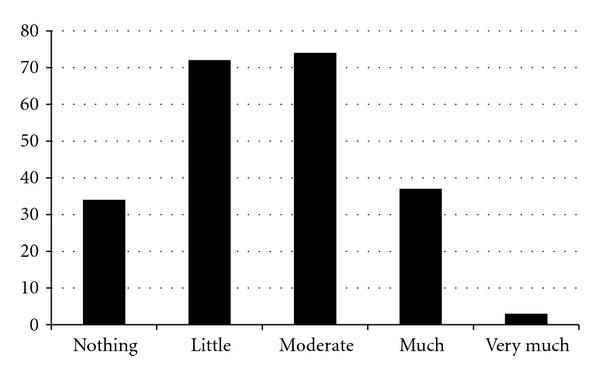
Acne is a chronic inflammatory disease of pilosebaceous units. Although the acne isnot a life threatening disease, studies have revealed that it has significant effect on self-image and quality of life. The purpose of this paper was to investigate the health-related quality of life in patients with acne in an Iranian context. Dermatology Life Quality Index (DLQI) and Cardiff Acne Disability Index (CADI) were used for measuring quality of life, and severity of acne was measured by Global Acne Grading System (GAGS). The mean (±SD) of DLQI and CADI scores was 6.42 (±4.77) and 5.97 (±2.97), respectively. Acne influenced the quality of life in 51.8% of patients from moderate to very much, and the quality of life was affected by the severity of acne (P < 0.01). Since acne has significant effects on patient's quality of life, the management of patients with acne requires more attention to different aspects of quality of life.
痤疮是一种毛囊皮脂腺单位的慢性炎症性疾病。虽然痤疮并非危及生命的疾病,但研究表明它对自我形象和生活质量有显著影响。本文的目的是在伊朗背景下调查痤疮患者与健康相关的生活质量。采用皮肤病生活质量指数(DLQI)和加的夫痤疮残疾指数(CADI)来衡量生活质量,痤疮严重程度通过全球痤疮分级系统(GAGS)进行测量。DLQI和CADI评分的平均值(±标准差)分别为6.42(±4.77)和5.97(±2.97)。51.8%的患者的生活质量受到痤疮从中度到非常严重程度的影响,且生活质量受痤疮严重程度的影响(P < 0.01)。由于痤疮对患者生活质量有显著影响,痤疮患者的管理需要更加关注生活质量的不同方面。