Department of Physical Chemistry, Institute of Nanoscience and Nanotechnology, Faculty of Pharmacy, University of Barcelona, Av Joan XXIII s/n, Barcelona, Spain.
Int J Nanomedicine. 2012;7:1357-71. doi: 10.2147/IJN.S28481. Epub 2012 Mar 9.
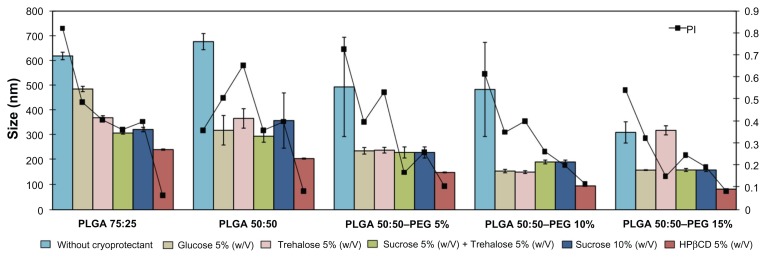
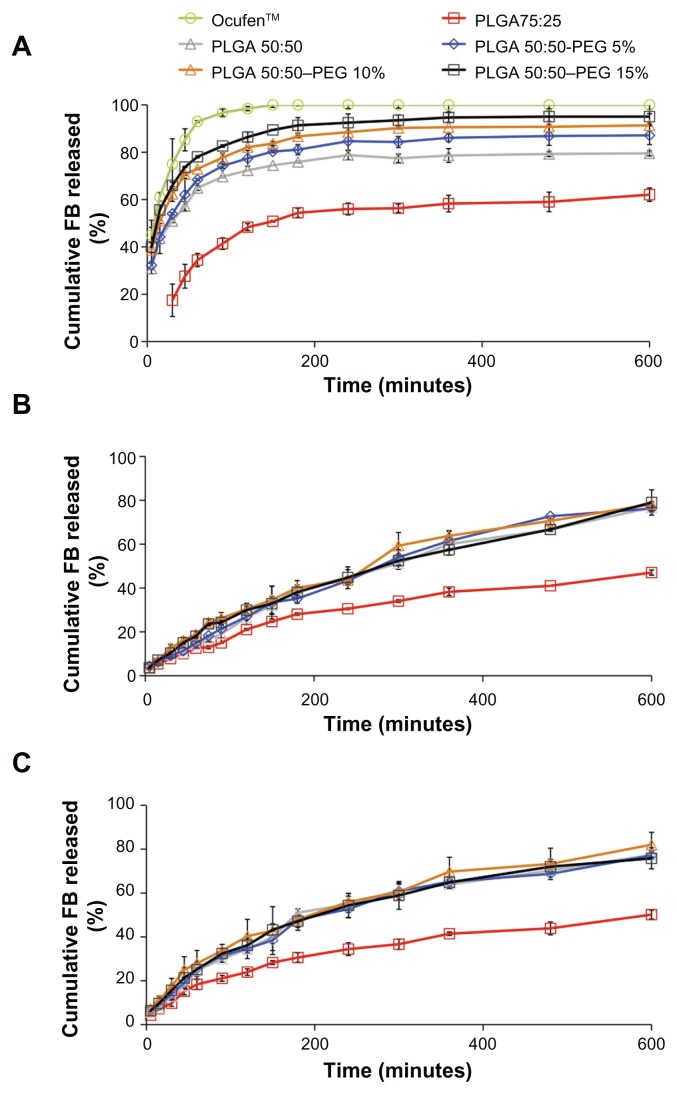
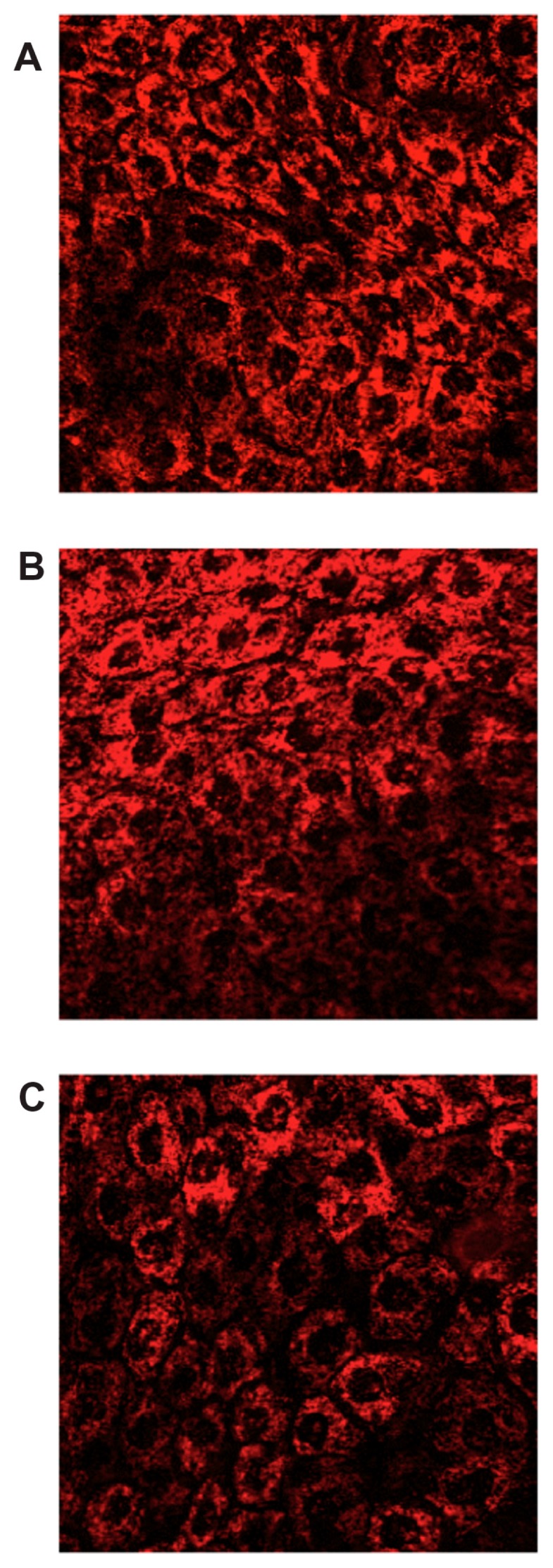
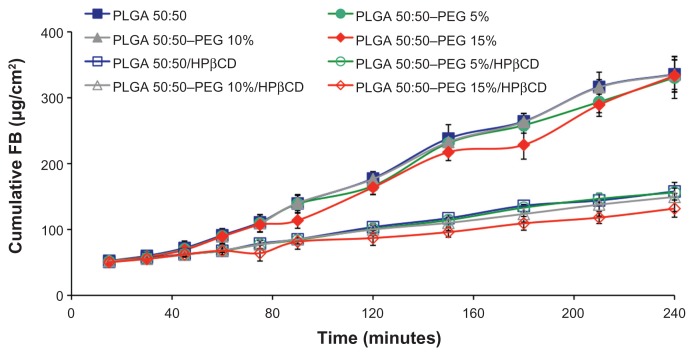
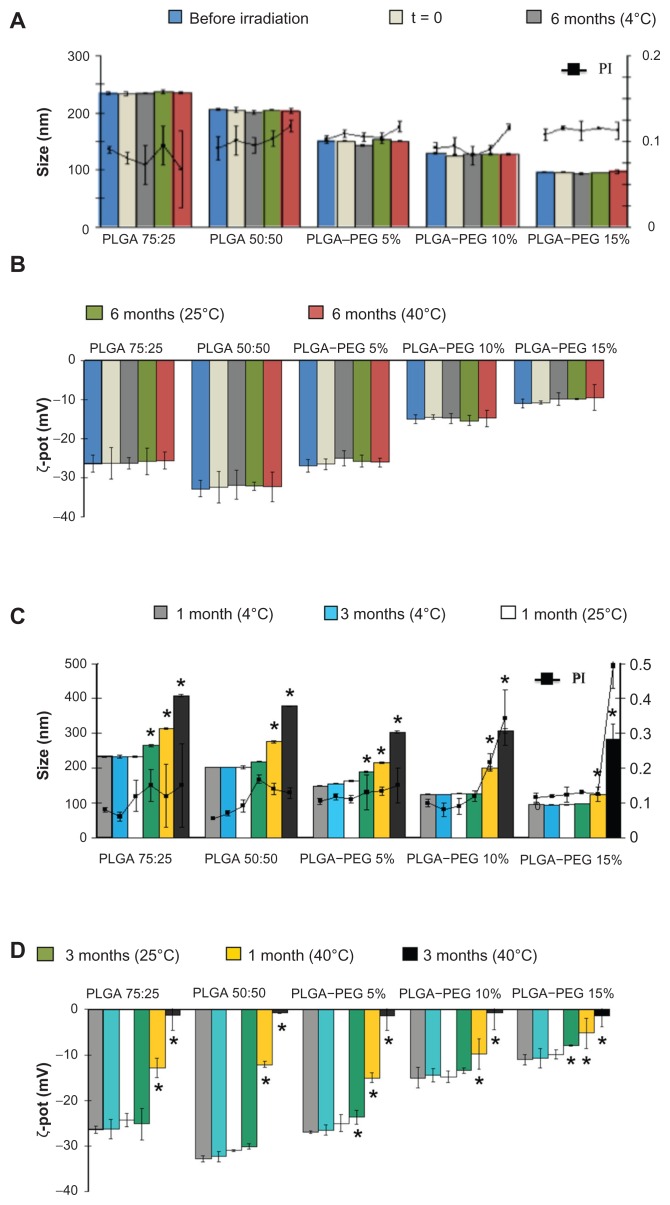
Poly(D,L-lactide-co-glycolide) and poly(D,L-lactide-co-glycolide) with poly(ethylene glycol) nanospheres (NSs) incorporating flurbiprofen (FB) were freeze-dried with several cryoprotective agents and sterilized by γ-irradiation. Only when 5.0% (w/v) hydroxypropyl-β-cyclodextrin (HPβCD) was used, a complete resuspension by manual shaking and almost identical particle size of the NSs was obtained after freeze-drying. In vitro drug release and ex vivo corneal permeation of NSs with and without HPβCD were evaluated. The presence of HPβCD resulted in a reduction of burst effect, providing a more sustained release of the drug. A significant decrease in the FB transcorneal permeation of NSs containing HPβCD was obtained, related to the slower diffusion of FB observed in the in vitro results. The uptake mechanism of the NSs was examined by confocal microscopy, suggesting that NSs penetrate corneal epithelium through a transcellular pathway. Ocular tolerance was assessed in vitro and in vivo by the Eytex™ and Draize test, respectively. Long-term stability studies revealed that γ-irradiated NSs stored as freeze-dried powders maintained their initial characteristics. Stability studies of the resuspended NSs after 3 months of storage in the aqueous form showed that NSs were stable at 4°C, while formulations stored at 25°C and 40°C increased their initial particle size.
聚(D,L-丙交酯-共-乙交酯)和聚(D,L-丙交酯-共-乙交酯)纳米球(NSs)与氟比洛芬(FB)结合的纳米球(NSs)用几种冷冻保护剂冷冻干燥,并通过γ-射线灭菌。只有当使用 5.0%(w/v)羟丙基-β-环糊精(HPβCD)时,通过手动摇晃才能完全重新悬浮,并且在冷冻干燥后 NSs 的粒径几乎相同。评估了含有和不含有 HPβCD 的 NSs 的体外药物释放和体外角膜渗透。存在 HPβCD 导致了突释效应的减少,提供了药物更持续的释放。含有 HPβCD 的 NSs 中 FB 的跨角膜渗透显著减少,这与在体外观察到的 FB 扩散速度较慢有关。通过共聚焦显微镜检查了 NSs 的摄取机制,表明 NSs 通过细胞间途径穿透角膜上皮。通过 Eytex™和 Draize 测试分别在体外和体内评估了眼耐受性。长期稳定性研究表明,γ-辐照的 NSs 以冷冻干燥粉末的形式储存,保持其初始特性。在水相中储存 3 个月后重新悬浮的 NSs 的稳定性研究表明,NSs 在 4°C 下稳定,而在 25°C 和 40°C 下储存的制剂会增加其初始粒径。