Department of Immunology, Erasmus MC, University Medical Center Rotterdam, Rotterdam, The Netherlands.
PLoS One. 2012;7(3):e34416. doi: 10.1371/journal.pone.0034416. Epub 2012 Mar 28.
Guillain-Barré syndrome (GBS) is a post-infectious polyradiculoneuropathy, frequently associated with antecedent Campylobacter jejuni (C. jejuni) infection. The presence of sialic acid on C. jejuni lipo-oligosaccharide (LOS) is considered a risk factor for development of GBS as it crucially determines the structural homology between LOS and gangliosides, explaining the induction of cross-reactive neurotoxic antibodies. Sialylated C. jejuni are recognised by TLR4 and sialoadhesin; however, the functional implications of these interactions in vivo are unknown.
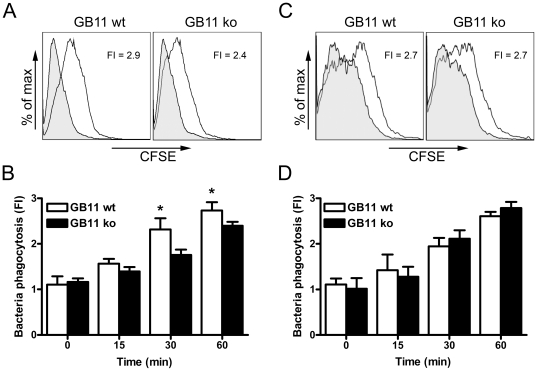
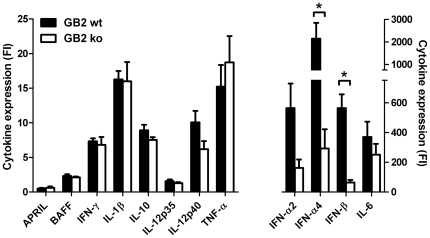
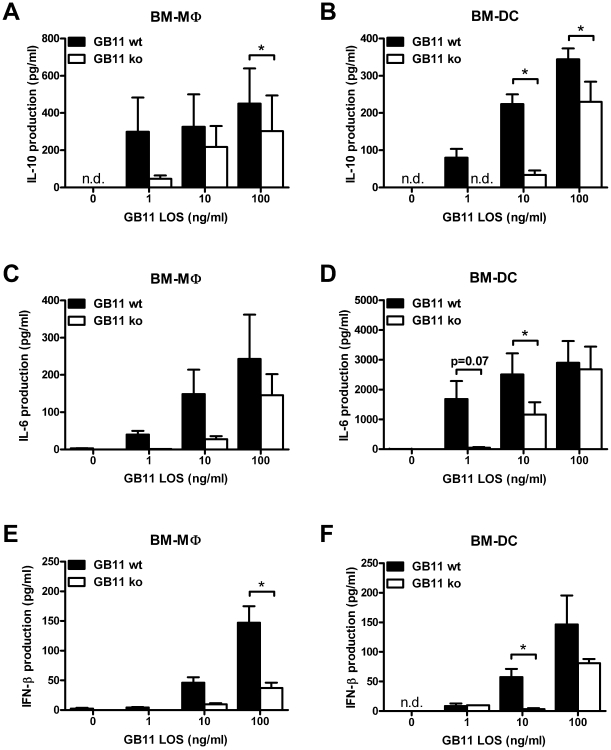
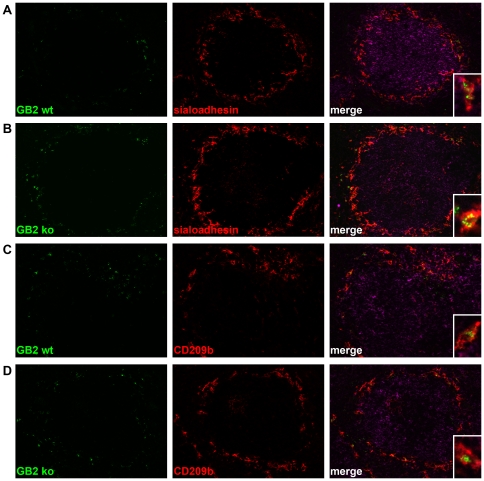
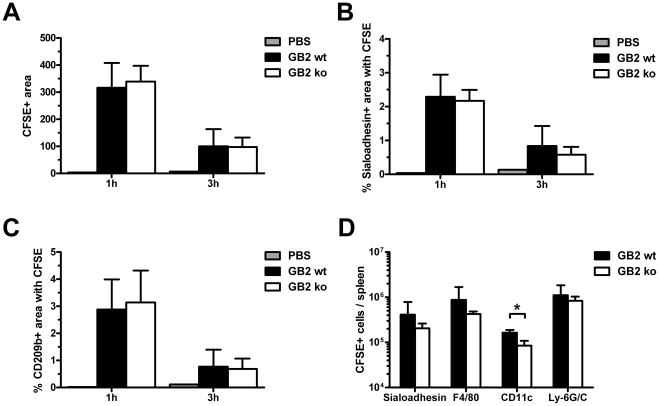
METHODOLOGY/PRINCIPAL FINDINGS: In this study we investigated the effects of bacterial sialylation on phagocytosis and cytokine secretion by mouse myeloid cells in vitro and in vivo. Using fluorescently labelled GM1a/GD1a ganglioside-mimicking C. jejuni strains and corresponding (Cst-II-mutant) control strains lacking sialic acid, we show that sialylated C. jejuni was more efficiently phagocytosed in vitro by BM-MΦ, but not by BM-DC. In addition, LOS sialylation increased the production of IL-10, IL-6 and IFN-β by both BM-MΦ and BM-DC. Subsequent in vivo experiments revealed that sialylation augmented the deposition of fluorescent bacteria in splenic DC, but not macrophages. In addition, sialylation significantly amplified the production of type I interferons, which was independent of pDC.
CONCLUSIONS/SIGNIFICANCE: These results identify novel immune stimulatory effects of C. jejuni sialylation, which may be important in inducing cross-reactive humoral responses that cause GBS.
吉兰-巴雷综合征(GBS)是一种感染后多发神经根神经病,常与空肠弯曲菌(C. jejuni)感染有关。C. jejuni 脂寡糖(LOS)上唾液酸的存在被认为是发展为 GBS 的危险因素,因为它决定了 LOS 与神经节苷脂之间结构同源性,从而解释了交叉反应性神经毒性抗体的诱导。唾液酸化的 C. jejuni 被 TLR4 和 sialoadhesin 识别;然而,这些相互作用在体内的功能意义尚不清楚。
方法/主要发现:在这项研究中,我们研究了细菌唾液酸化对体外和体内小鼠髓样细胞吞噬作用和细胞因子分泌的影响。使用荧光标记的 GM1a/GD1a 神经节苷脂模拟 C. jejuni 菌株和相应的(Cst-II 突变体)对照菌株,缺乏唾液酸,我们表明,在体外,唾液酸化的 C. jejuni 被 BM-MΦ更有效地吞噬,但 BM-DC 则不然。此外,LOS 唾液酸化增加了 BM-MΦ 和 BM-DC 产生的 IL-10、IL-6 和 IFN-β。随后的体内实验表明,唾液酸化增加了脾脏 DC 中荧光细菌的沉积,但不增加巨噬细胞。此外,唾液酸化显著放大了 I 型干扰素的产生,这与 pDC 无关。
结论/意义:这些结果确定了 C. jejuni 唾液酸化的新的免疫刺激作用,这可能在诱导引起 GBS 的交叉反应性体液反应中很重要。