Medical Genetics Branch, National Human Genome Research Institute, National Institutes of Health, Bethesda, MD 20892-3717, USA.
Hum Genet. 2012 Jun;131(6):917-29. doi: 10.1007/s00439-012-1164-4. Epub 2012 Apr 11.
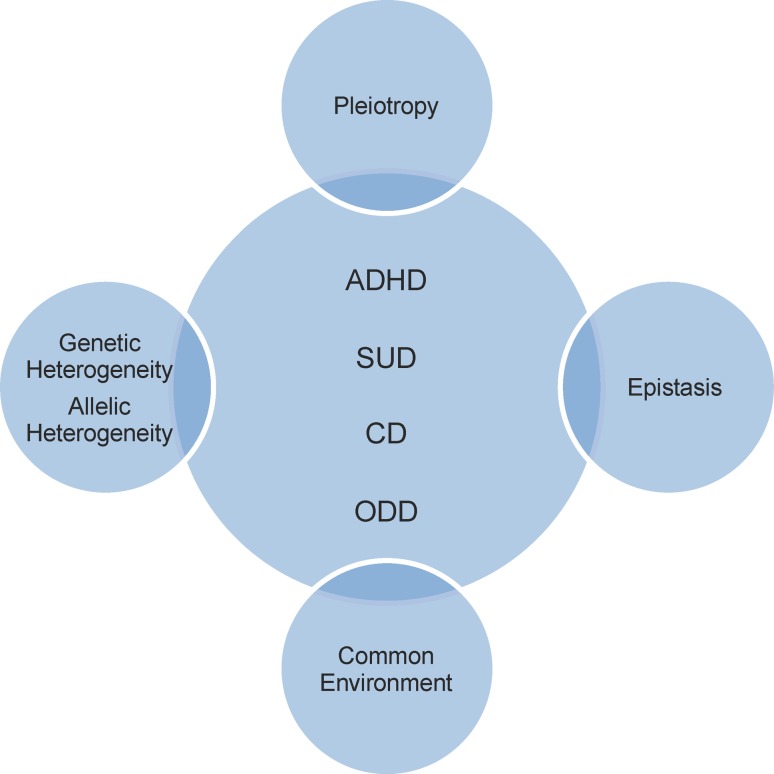
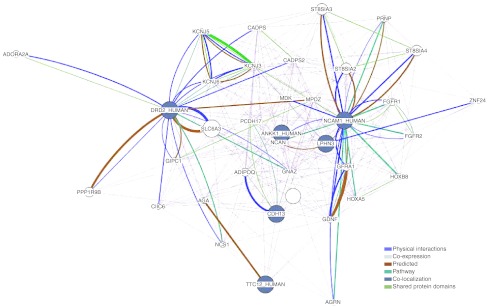
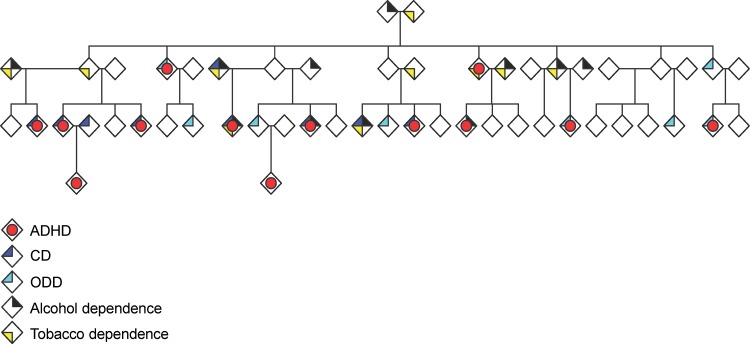
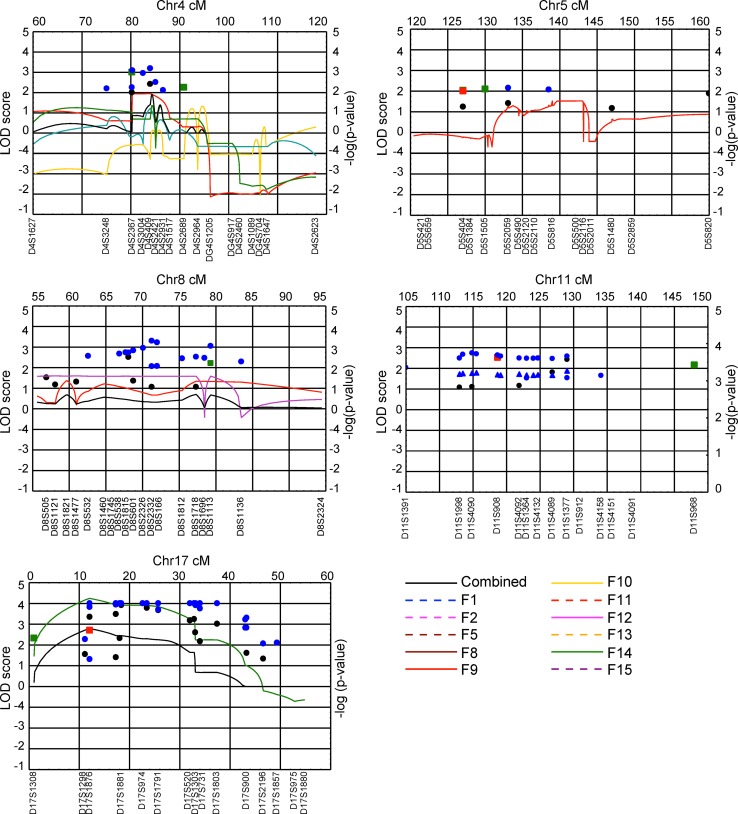
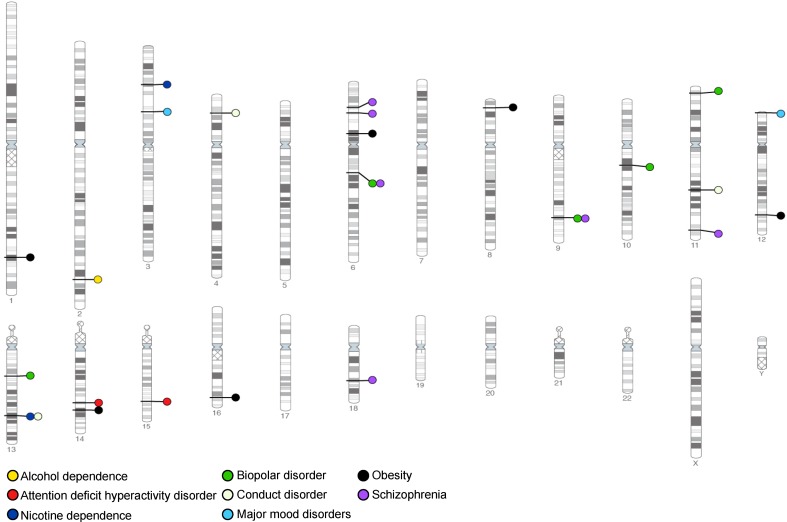
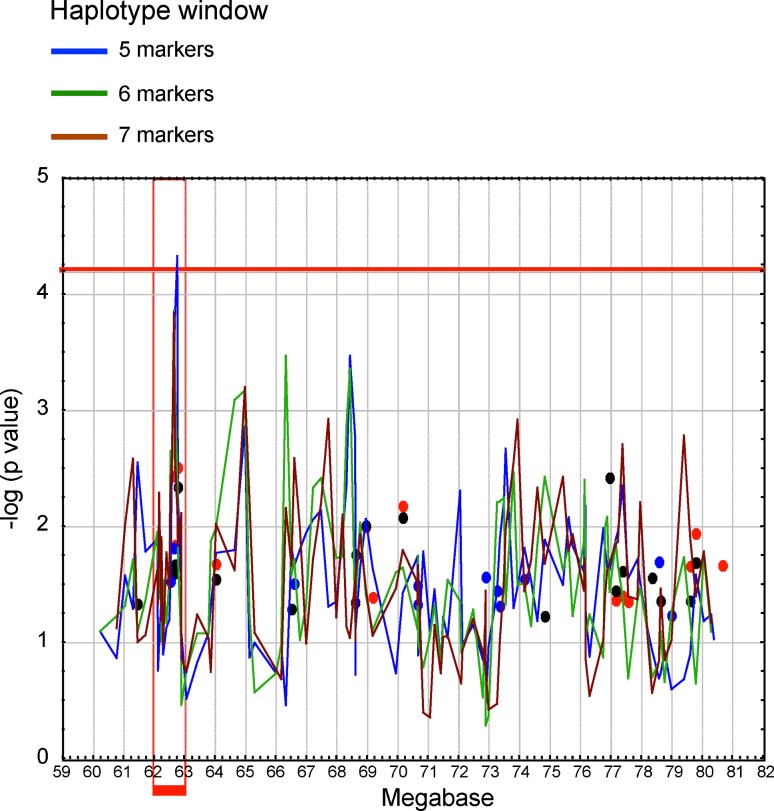
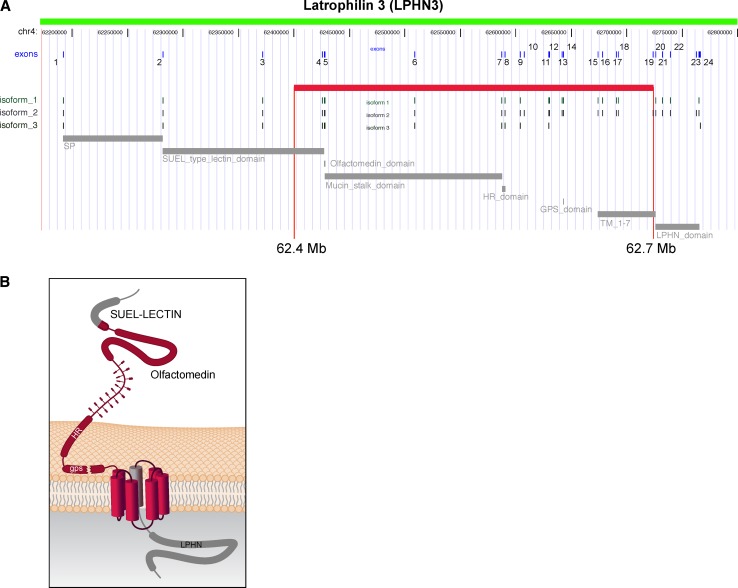
Here we summarize evidence obtained by our group during the last two decades, and contrasted it with a review of related data from the available literature to show that behavioral syndromes involving attention deficit/hyperactivity disorder (ADHD), externalizing disorders, and substance-use disorder (SUD) share similar signs and symptoms (i.e., have a biological basis as common syndromes), physiopathological and psychopathological mechanisms, and genetic factors. Furthermore, we will show that the same genetic variants harbored in different genes are associated with different syndromes and that non-linear interactions between genetic variants (epistasis) best explain phenotype severity, long-term outcome, and response to treatment. These data have been depicted in our studies by extended pedigrees, where ADHD, externalizing symptoms, and SUD segregate and co-segregate. Finally, we applied here a new formal network analysis using the set of significantly replicated genes that have been shown to be either associated and/or linked to ADHD, disruptive behaviors, and SUD in order to detect significantly enriched gene categories for protein and genetic interactions, pathways, co-expression, co-localization, and protein domain similarity. We found that networks related to pathways involved in axon guidance, regulation of synaptic transmission, and regulation of transmission of nerve impulse are overrepresented. In summary, we provide compiled evidence of complex networks of genotypes underlying a wide phenotype that involves SUD and externalizing disorders.
在这里,我们总结了我们小组在过去二十年中获得的证据,并将其与现有文献中相关数据的综述进行了对比,以表明涉及注意缺陷多动障碍(ADHD)、外化障碍和物质使用障碍(SUD)的行为综合征具有相似的特征和症状(即作为共同综合征具有生物学基础)、生理病理和心理病理机制以及遗传因素。此外,我们将表明,不同基因中携带的相同遗传变异与不同的综合征有关,遗传变异之间的非线性相互作用(上位性)最好地解释了表型严重程度、长期结果和对治疗的反应。这些数据在我们的研究中通过扩展的家系得到了描绘,其中 ADHD、外化症状和 SUD 分离和共分离。最后,我们在这里应用了一种新的正式网络分析,使用一组已被证明与 ADHD、破坏性行为和 SUD 相关或相关联的显著复制基因,以检测与蛋白质和遗传相互作用、途径、共表达、共定位和蛋白质结构域相似性相关的显著富集的基因类别。我们发现,与涉及轴突导向、突触传递调节和神经冲动传递调节的途径相关的网络被过度表示。总之,我们提供了复杂的基因型网络的综合证据,这些网络是广泛表型的基础,涉及 SUD 和外化障碍。