Department of Marine Sciences, University of North Carolina at Chapel Hill, Chapel Hill, North Carolina, United States of America.
PLoS One. 2012;7(4):e34816. doi: 10.1371/journal.pone.0034816. Epub 2012 Apr 11.
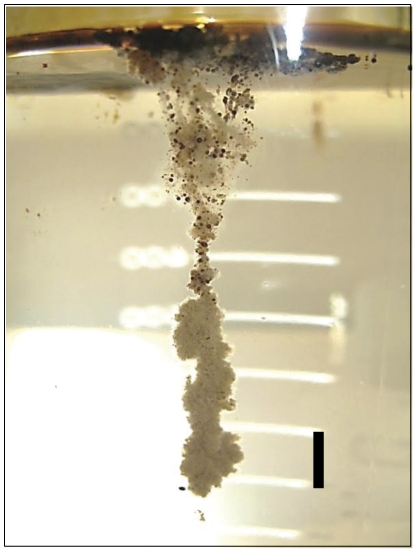
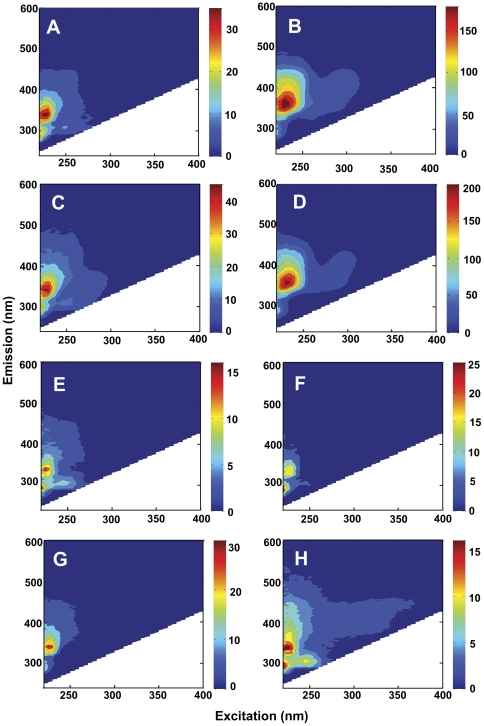
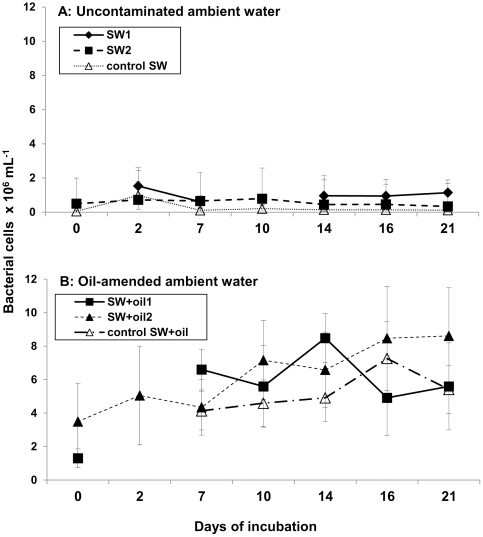
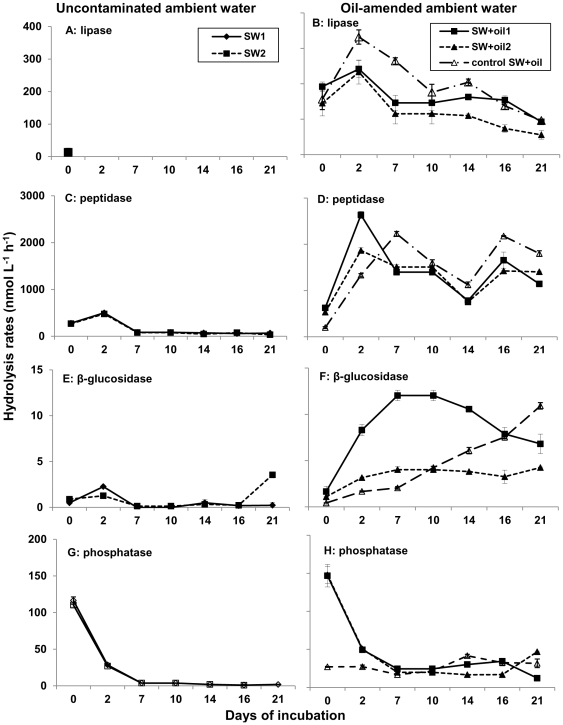
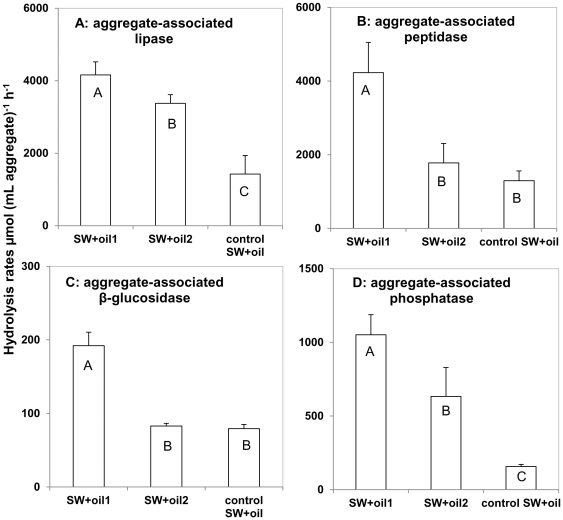
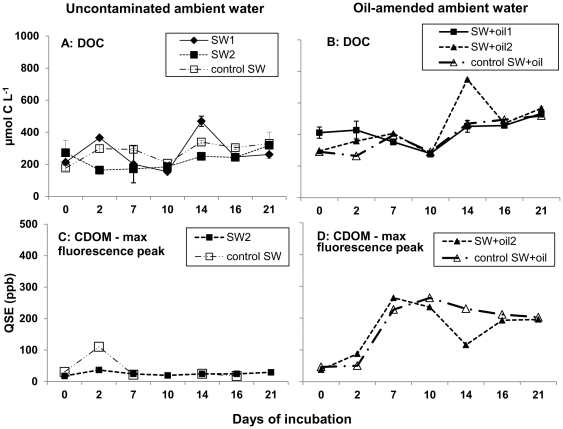
The Deepwater Horizon oil spill triggered a complex cascade of microbial responses that reshaped the dynamics of heterotrophic carbon degradation and the turnover of dissolved organic carbon (DOC) in oil contaminated waters. Our results from 21-day laboratory incubations in rotating glass bottles (roller bottles) demonstrate that microbial dynamics and carbon flux in oil-contaminated surface water sampled near the spill site two weeks after the onset of the blowout were greatly affected by activities of microbes associated with macroscopic oil aggregates. Roller bottles with oil-amended water showed rapid formation of oil aggregates that were similar in size and appearance compared to oil aggregates observed in surface waters near the spill site. Oil aggregates that formed in roller bottles were densely colonized by heterotrophic bacteria, exhibiting high rates of enzymatic activity (lipase hydrolysis) indicative of oil degradation. Ambient waters surrounding aggregates also showed enhanced microbial activities not directly associated with primary oil-degradation (β-glucosidase; peptidase), as well as a twofold increase in DOC. Concurrent changes in fluorescence properties of colored dissolved organic matter (CDOM) suggest an increase in oil-derived, aromatic hydrocarbons in the DOC pool. Thus our data indicate that oil aggregates mediate, by two distinct mechanisms, the transfer of hydrocarbons to the deep sea: a microbially-derived flux of oil-derived DOC from sinking oil aggregates into the ambient water column, and rapid sedimentation of the oil aggregates themselves, serving as vehicles for oily particulate matter as well as oil aggregate-associated microbial communities.
深水地平线号石油泄漏事件引发了一系列复杂的微生物反应,这些反应改变了异养碳降解和受污染水域中溶解有机碳 (DOC) 周转的动态。我们在旋转玻璃瓶(滚瓶)中进行了为期 21 天的实验室培养实验,结果表明,微生物动态和碳通量在受溢油污染的地表水样本中受到与宏观油团聚体相关的微生物活动的极大影响。在喷井两周后,在溢油点附近采集的受污染地表水进行的油修正水的滚瓶实验中,油团聚体迅速形成,其大小和外观与溢油点附近地表水观察到的油团聚体相似。在滚瓶中形成的油团聚体被异养细菌密集定植,表现出高酶活性(脂肪酶水解),表明发生了石油降解。围绕团聚体的环境水也表现出与直接与原始石油降解(β-葡萄糖苷酶;肽酶)无关的增强的微生物活性,以及 DOC 的两倍增加。有色溶解有机物(CDOM)荧光特性的同时变化表明,DOC 池中的油衍生芳烃增加。因此,我们的数据表明,油团聚体通过两种不同的机制将碳氢化合物转移到深海:从下沉的油团聚体到周围水柱的微生物衍生的油衍生 DOC 通量,以及油团聚体本身的快速沉降,作为油质颗粒和油团聚体相关微生物群落的载体。