Badano Luigi P, Boccalini Francesca, Muraru Denisa, Bianco Lucia Dal, Peluso Diletta, Bellu Roberto, Zoppellaro Giacomo, Iliceto Sabino
Department of Cardiac, Thoracic and Vascular Sciences, University of Padua, Padua, Italy.
J Cardiovasc Ultrasound. 2012 Mar;20(1):1-22. doi: 10.4250/jcu.2012.20.1.1. Epub 2012 Mar 27.
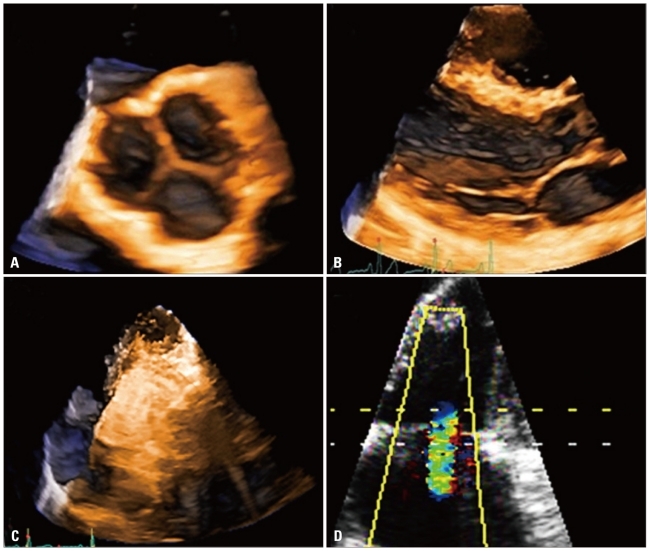
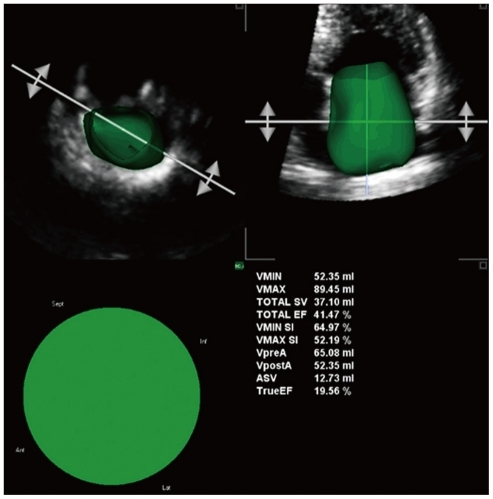
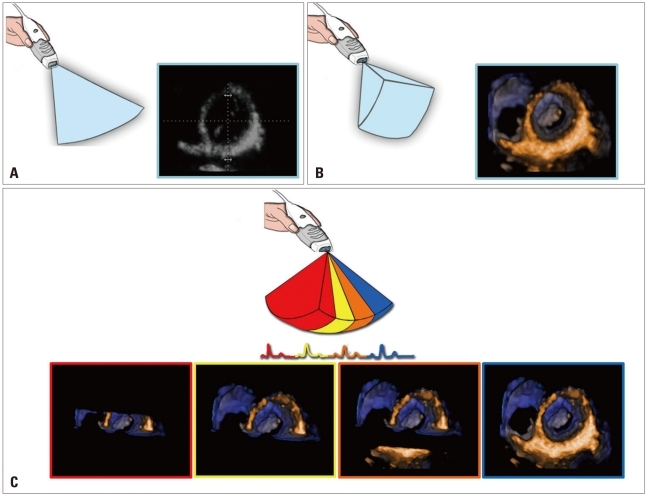
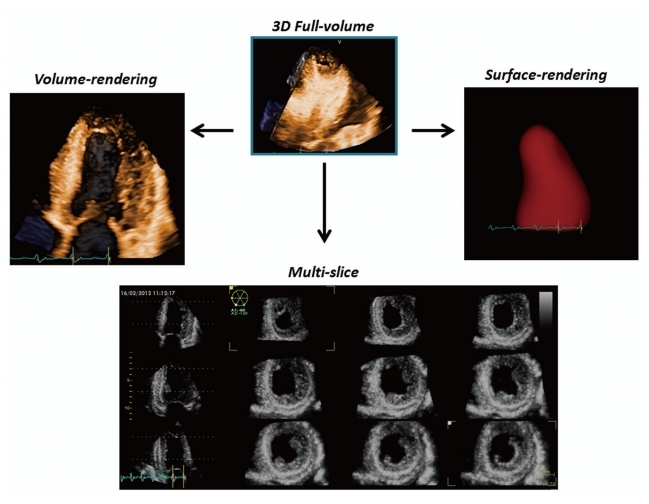
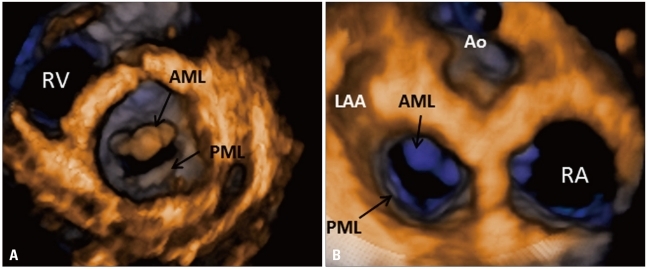
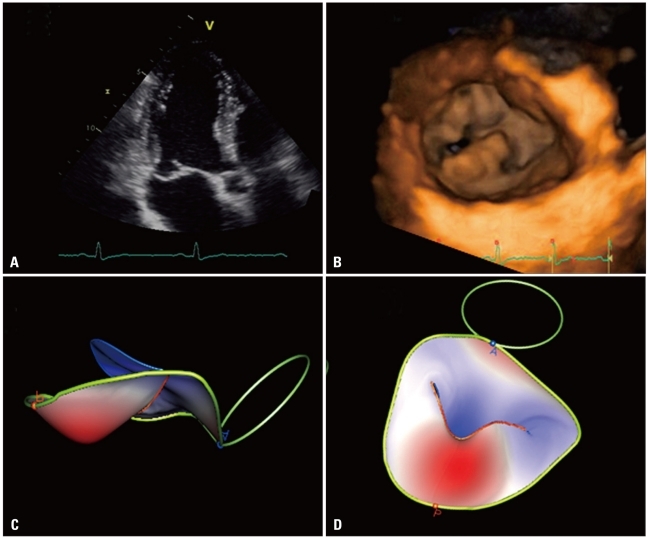
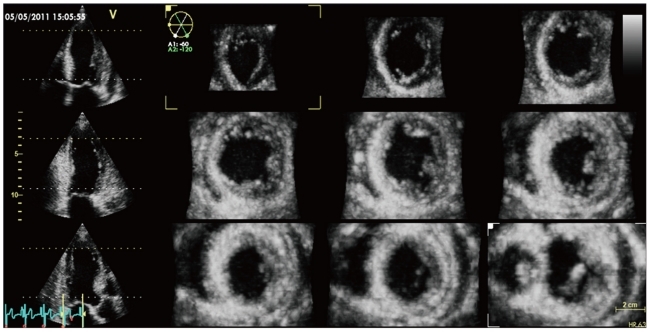
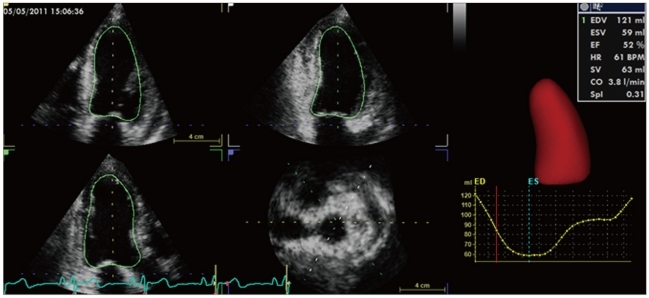
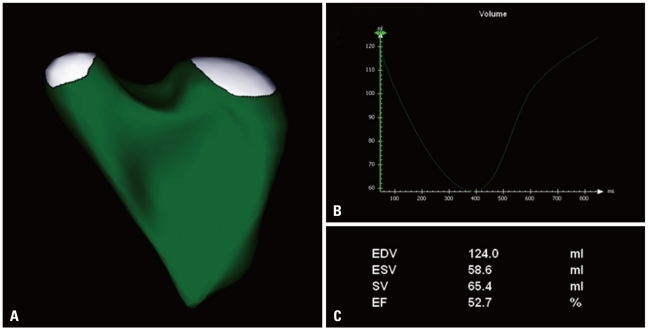
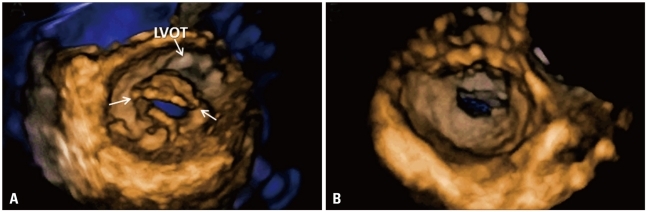
The advent of three-dimensional echocardiography (3DE) has significantly improved the impact of non-invasive imaging on our understanding and management of cardiac diseases in clinical practice. Transthoracic 3DE enables an easier, more accurate and reproducible interpretation of the complex cardiac anatomy, overcoming the intrinsic limitations of conventional echocardiography. The availability of unprecedented views of cardiac structures from any perspective in the beating heart provides valuable clinical information and new levels of confidence in diagnosing heart disease. One major advantage of the third dimension is the improvement in the accuracy and reproducibility of chamber volume measurement by eliminating geometric assumptions and errors caused by foreshortened views. Another benefit of 3DE is the realistic en face views of heart valves, enabling a better appreciation of the severity and mechanisms of valve diseases in a unique, noninvasive manner. The purpose of this review is to provide readers with an update on the current clinical applications of transthoracic 3DE, emphasizing the incremental benefits of 3DE over conventional two-dimensional echocardiography.
三维超声心动图(3DE)的出现显著提升了无创成像在临床实践中对我们理解和管理心脏疾病的影响。经胸三维超声心动图能够更轻松、准确且可重复地解读复杂的心脏解剖结构,克服了传统超声心动图的固有局限性。从跳动心脏的任何角度获取前所未有的心脏结构视图,为诊断心脏病提供了有价值的临床信息,并带来了新的信心水平。三维的一个主要优势是通过消除几何假设和因缩短视图导致的误差,提高了心腔容积测量的准确性和可重复性。三维超声心动图的另一个好处是能够获得心脏瓣膜逼真的正面视图,以独特的无创方式更好地评估瓣膜疾病的严重程度和机制。本综述的目的是向读者提供经胸三维超声心动图当前临床应用的最新情况,强调三维超声心动图相对于传统二维超声心动图的额外益处。