Instituto de Investigaciones Marinas, Consejo Superior de Investigaciones Científicas, Vigo, Spain.
PLoS One. 2012;7(4):e35009. doi: 10.1371/journal.pone.0035009. Epub 2012 Apr 19.
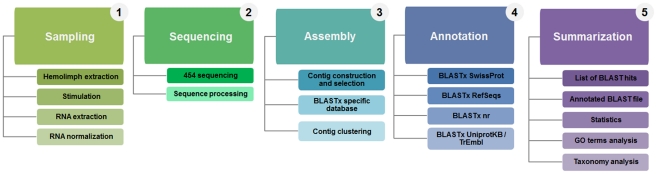
The Manila clam (Ruditapes philippinarum) is a worldwide cultured bivalve species with important commercial value. Diseases affecting this species can result in large economic losses. Because knowledge of the molecular mechanisms of the immune response in bivalves, especially clams, is scarce and fragmentary, we sequenced RNA from immune-stimulated R. philippinarum hemocytes by 454-pyrosequencing to identify genes involved in their immune defense against infectious diseases.
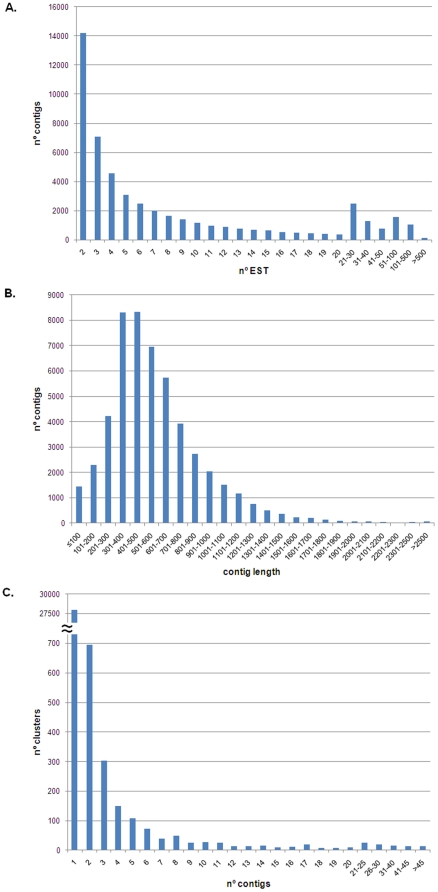
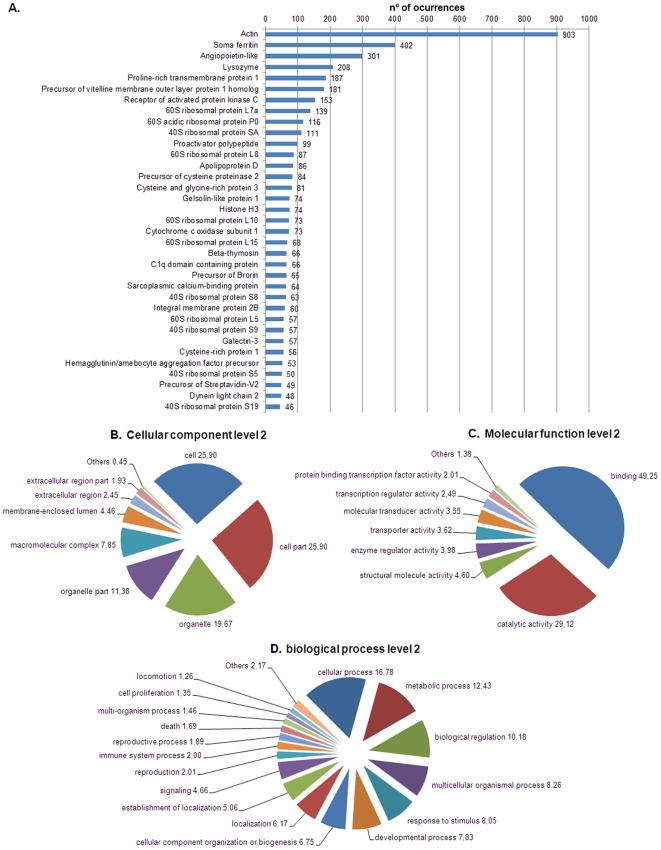
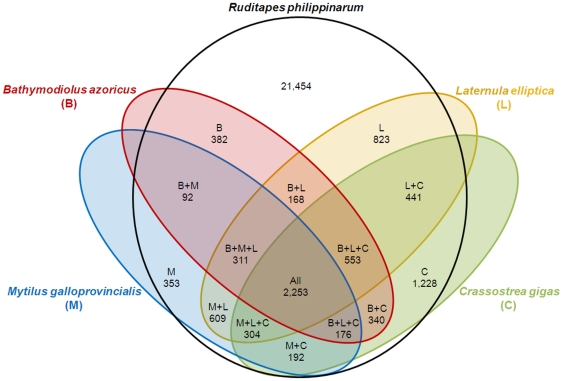
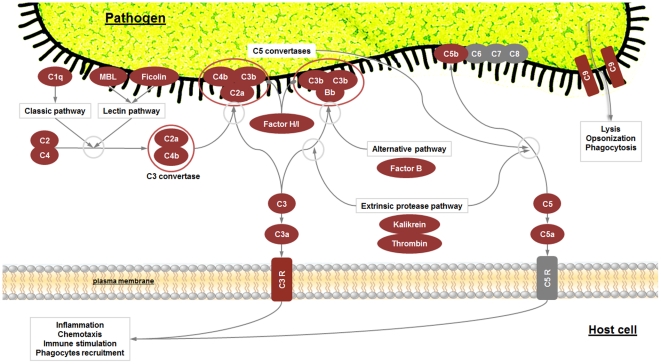
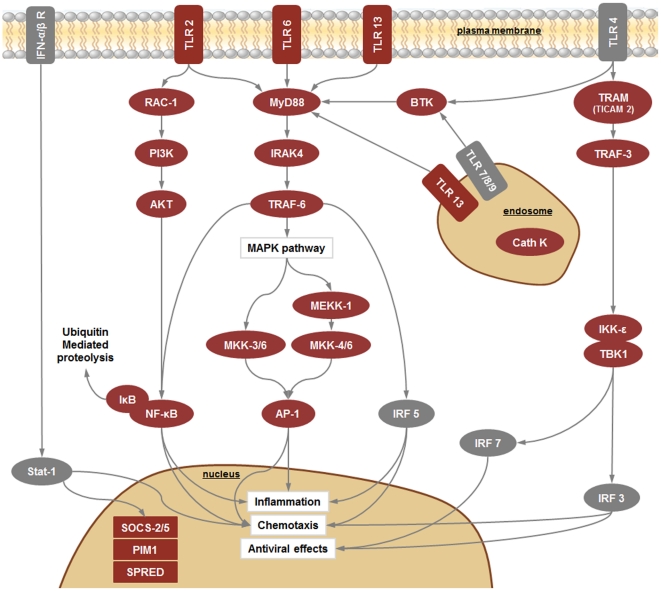
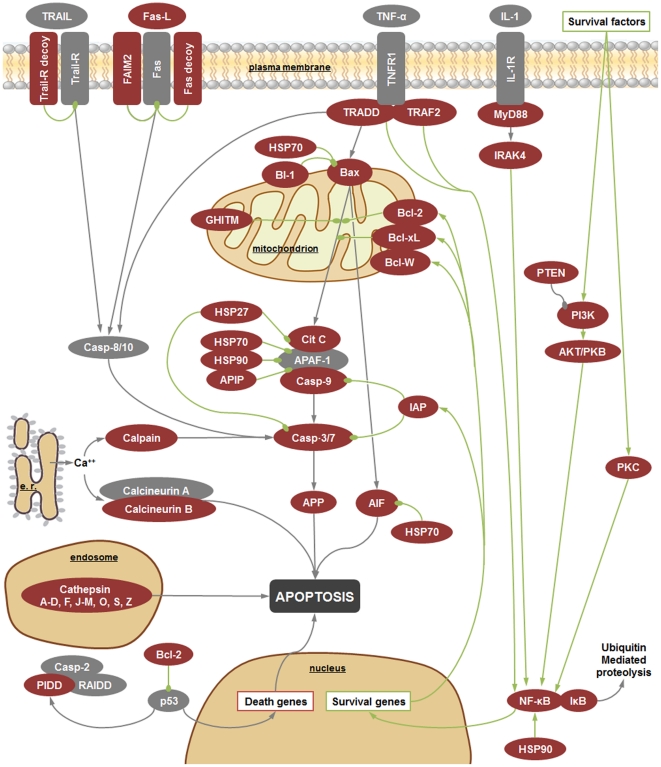
High-throughput deep sequencing of R. philippinarum using 454 pyrosequencing technology yielded 974,976 high-quality reads with an average read length of 250 bp. The reads were assembled into 51,265 contigs and the 44.7% of the translated nucleotide sequences into protein were annotated successfully. The 35 most frequently found contigs included a large number of immune-related genes, and a more detailed analysis showed the presence of putative members of several immune pathways and processes like the apoptosis, the toll like signaling pathway and the complement cascade. We have found sequences from molecules never described in bivalves before, especially in the complement pathway where almost all the components are present.
This study represents the first transcriptome analysis using 454-pyrosequencing conducted on R. philippinarum focused on its immune system. Our results will provide a rich source of data to discover and identify new genes, which will serve as a basis for microarray construction and the study of gene expression as well as for the identification of genetic markers. The discovery of new immune sequences was very productive and resulted in a large variety of contigs that may play a role in the defense mechanisms of Ruditapes philippinarum.
菲律宾蛤仔(Ruditapes philippinarum)是一种具有重要商业价值的世界性养殖双壳贝类。影响该物种的疾病会导致巨大的经济损失。由于对贝类,特别是蛤仔的免疫反应的分子机制知之甚少且零碎,我们通过 454 焦磷酸测序对免疫刺激的菲律宾蛤仔血细胞中的 RNA 进行测序,以鉴定参与其对传染性疾病的免疫防御的基因。
使用 454 焦磷酸测序技术对菲律宾蛤仔进行高通量深度测序,得到了 974,976 条高质量的读数,平均读长为 250bp。这些读数被组装成 51,265 个重叠群,44.7%的翻译核苷酸序列成功注释为蛋白质。35 个出现频率最高的重叠群包含大量免疫相关基因,更详细的分析显示存在几种免疫途径和过程的假定成员,如凋亡、toll 样信号通路和补体级联。我们发现了以前在双壳类动物中从未描述过的分子序列,特别是在补体途径中,几乎所有的成分都存在。
本研究代表了首次对菲律宾蛤仔的免疫系统进行的 454 焦磷酸测序的转录组分析。我们的研究结果将提供丰富的数据来源,用于发现和鉴定新基因,这将为微阵列构建以及基因表达研究以及遗传标记的鉴定提供基础。新免疫序列的发现非常丰富,产生了大量可能在菲律宾蛤仔防御机制中发挥作用的重叠群。