Mullin Christine M, Fino M Elizabeth, Reh Andrea, Grifo Jamie A, Licciardi Frederick
NYU Fertility Center, New York University, 660 First Avenue, 5th Floor, New York, NY 10016, USA.
Case Rep Obstet Gynecol. 2011;2011:967849. doi: 10.1155/2011/967849. Epub 2011 Aug 7.
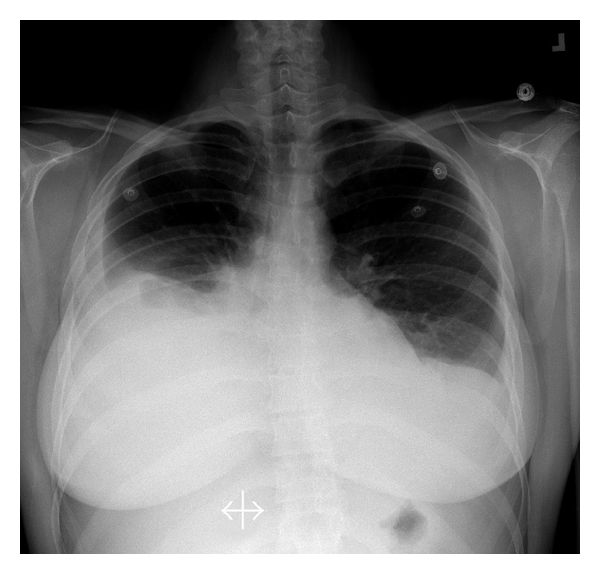
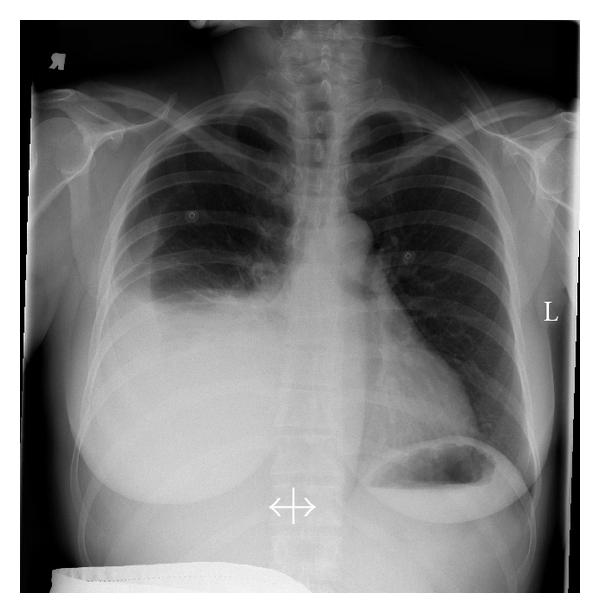
Ovarian hyperstimulation syndrome (OHSS) presents in ~33% of ovarian stimulation cycles with clinical manifestations varying from mild to severe. Its pathogenesis is unknown. Pleural effusion is reported in ~10% of severe OHSS cases and is usually associated with marked ascites. The isolated finding of pleural effusions without ascites, as the main presenting symptom of OHSS is not frequently reported and its pathogenesis is also unknown. We describe two unusual cases of OHSS where dyspnea secondary to unilateral pleural effusion was the only presenting symptom. By reporting our experience, we would like to heighten physicians' awareness in detecting these cases early, as it is our belief that the incidence of pleural effusion in the absence of most commonly recognized risk factors for OHSS may be underestimated and may significantly compromise the health of the patient if treatment is not initiated in a reasonable amount of time.
卵巢过度刺激综合征(OHSS)出现在约33%的卵巢刺激周期中,临床表现从轻度到重度各不相同。其发病机制尚不清楚。据报道,约10%的重度OHSS病例会出现胸腔积液,且通常与明显的腹水有关。以胸腔积液为主要表现症状且无腹水的孤立发现,作为OHSS的主要症状并不常被报道,其发病机制也不清楚。我们描述了两例不寻常的OHSS病例,其中单侧胸腔积液继发的呼吸困难是唯一的表现症状。通过报告我们的经验,我们希望提高医生对早期发现这些病例的认识,因为我们认为,在没有OHSS最常见公认风险因素的情况下,胸腔积液的发生率可能被低估,如果不及时合理治疗,可能会严重损害患者健康。