RNA Group, Département de microbiologie et d'infectiologie, Faculté de médecine et des sciences de santé, Université de Sherbrooke, Pavillon de recherche appliquée sur cancer, Sherbrooke, Québec, J1E 4K8, Canada.
Nucleic Acids Res. 2012 Aug;40(15):7507-17. doi: 10.1093/nar/gks411. Epub 2012 May 10.
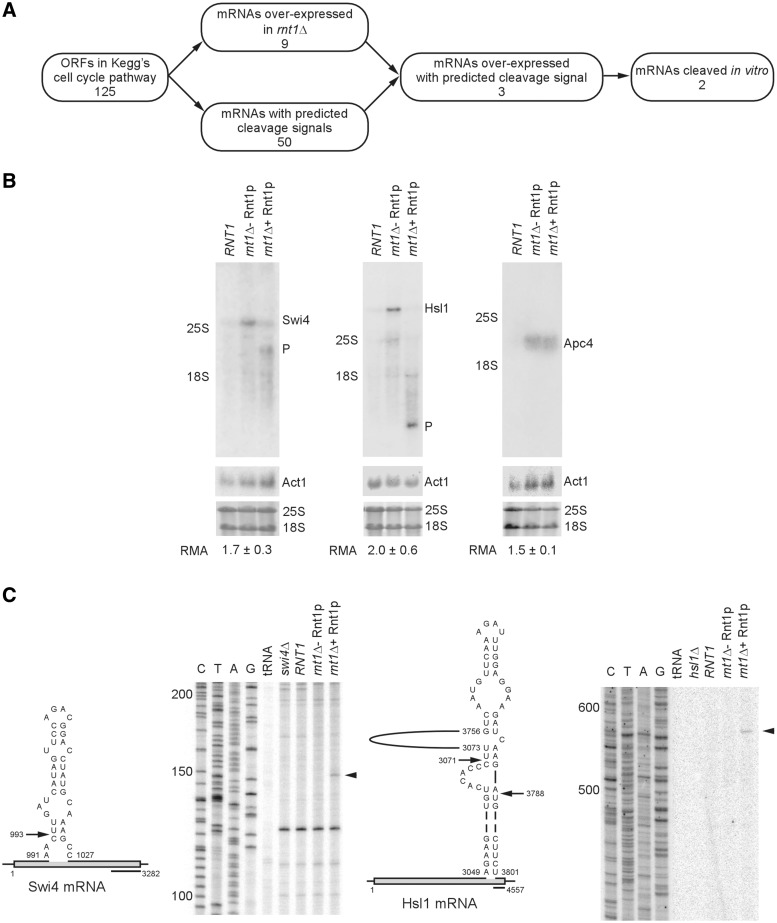
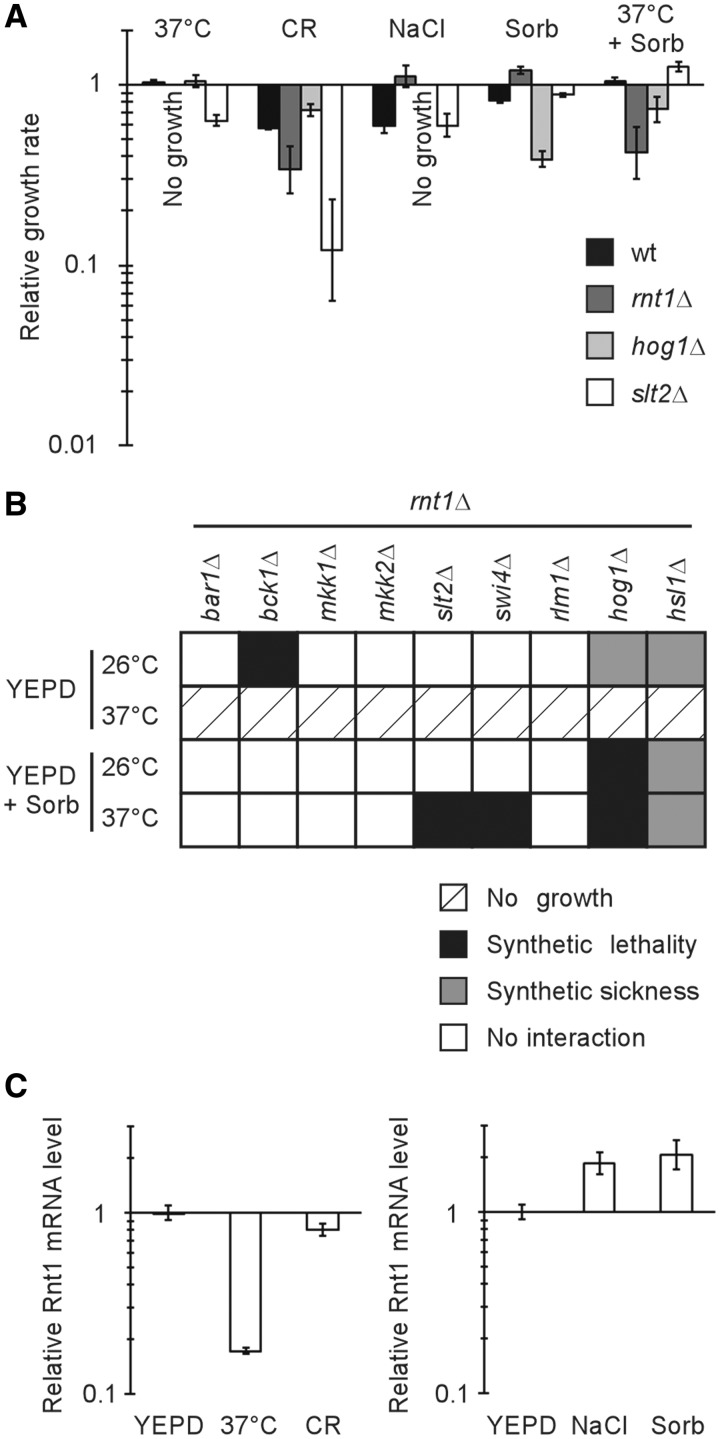
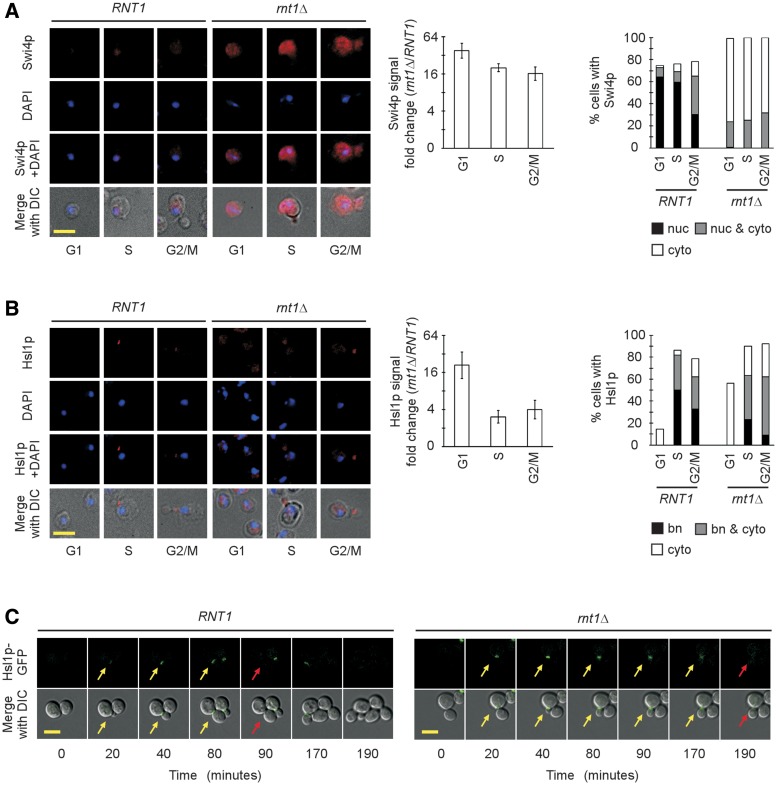
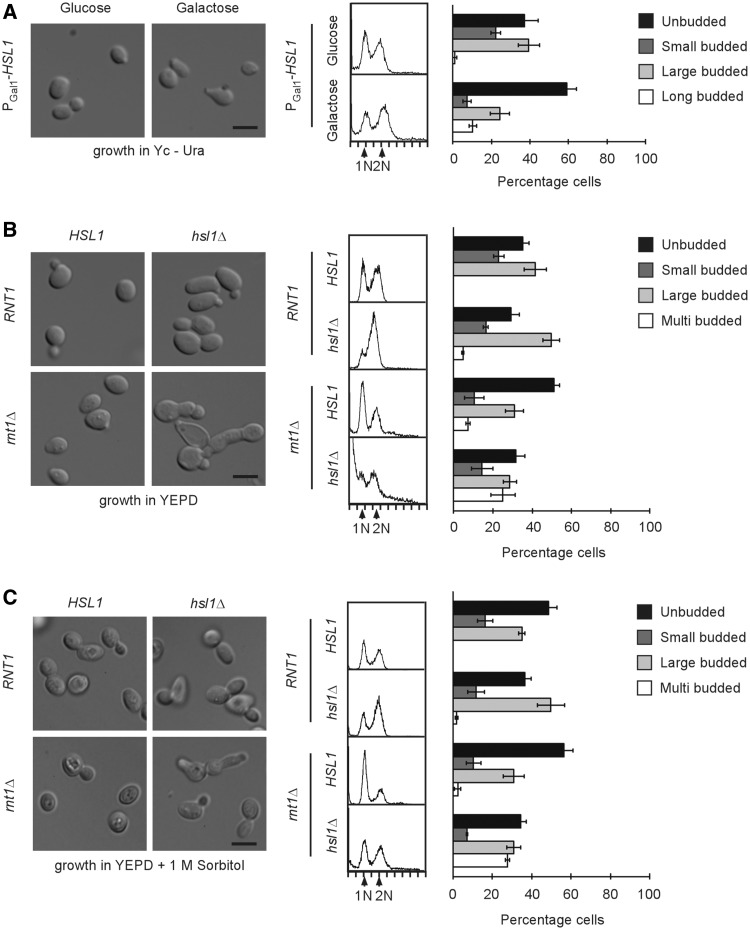
Stress response requires the precise modulation of gene expression in response to changes in growth conditions. This report demonstrates that selective nuclear mRNA degradation is required for both the cell wall stress response and the regulation of the cell wall integrity checkpoint. More specifically, the deletion of the yeast nuclear dsRNA-specific ribonuclease III (Rnt1p) increased the expression of the mRNAs associated with both the morphogenesis checkpoint and the cell wall integrity pathway, leading to an attenuation of the stress response. The over-expression of selected Rnt1p substrates, including the stress associated morphogenesis protein kinase Hsl1p, in wild-type cells mimicked the effect of RNT1 deletion on cell wall integrity, and their mRNAs were directly cleaved by the recombinant enzyme in vitro. The data supports a model for gene regulation in which nuclear mRNA degradation optimizes the cell response to stress and links it to the cell cycle.
应激反应需要针对生长条件的变化精确调节基因表达。本报告表明,选择性核 mRNA 降解是细胞壁应激反应和细胞壁完整性检查点调节所必需的。更具体地说,酵母核双链 RNA 特异性核糖核酸酶 III(Rnt1p)的缺失增加了与形态发生检查点和细胞壁完整性途径相关的 mRNA 的表达,导致应激反应减弱。在野生型细胞中过表达选定的 Rnt1p 底物,包括与应激相关的形态发生蛋白激酶 Hsl1p,模拟了 RNT1 缺失对细胞壁完整性的影响,并且它们的 mRNA 可在体外被重组酶直接切割。这些数据支持一种基因调控模型,其中核 mRNA 降解优化了细胞对应激的反应,并将其与细胞周期联系起来。