INSERM U921, Nutrition, Croissance et Cancer, 37032, Tours, France.
J Cachexia Sarcopenia Muscle. 2012 Dec;3(4):265-75. doi: 10.1007/s13539-012-0071-9. Epub 2012 May 31.
Cancer cachexia is a complex syndrome related to a negative energy balance resulting in muscle wasting. Implication of muscle mitochondrial bioenergetics alterations during cancer cachexia was suggested. Therefore, the aim of this study was to explore the efficiency of oxidative phosphorylation in skeletal muscle mitochondria in a preclinical model of cancer cachexia.
Berlin-Druckrey IX rats with peritoneal carcinosis (PC) were used as a model of cancer cachexia with healthy pair-fed rats (PF) as control. Hindlimb muscle morphology and fibre type composition were analysed in parallel with ubiquitin ligases and UCP gene expression. Oxidative phosphorylation was investigated in isolated muscle mitochondria by measuring oxygen consumption and ATP synthesis rate.
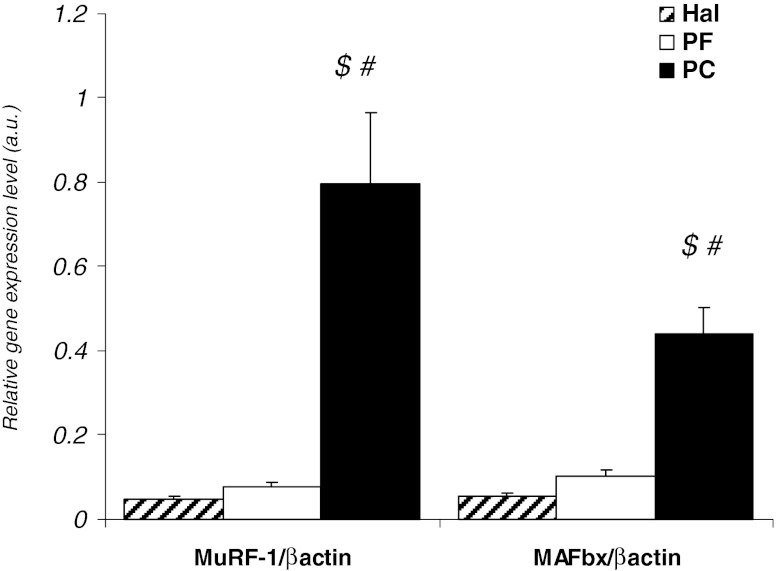
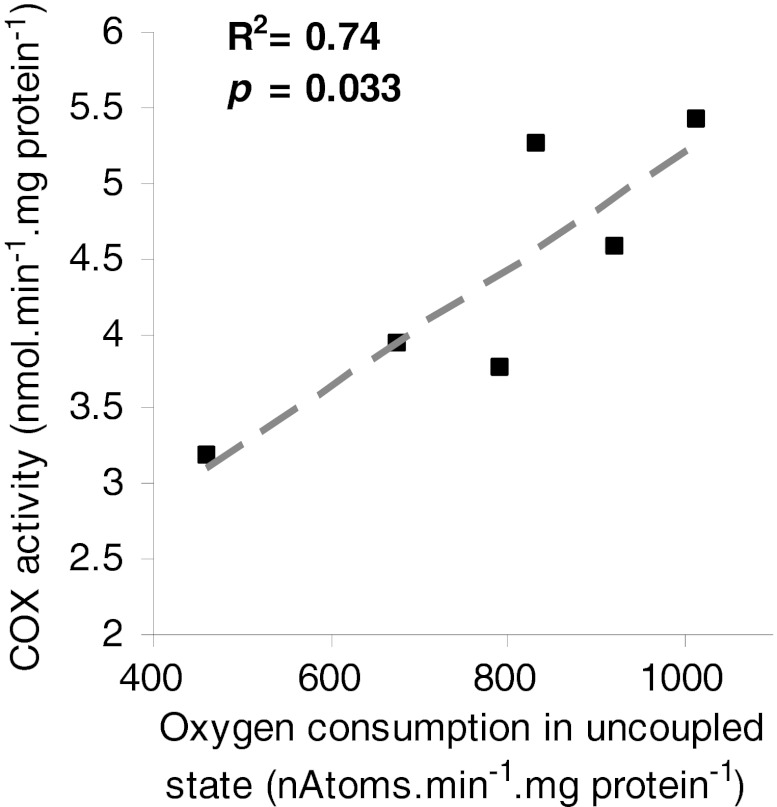
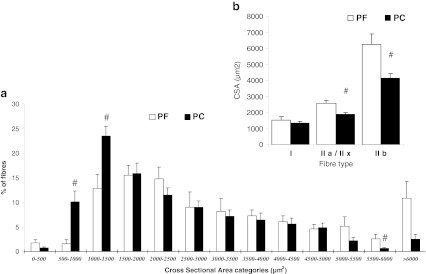
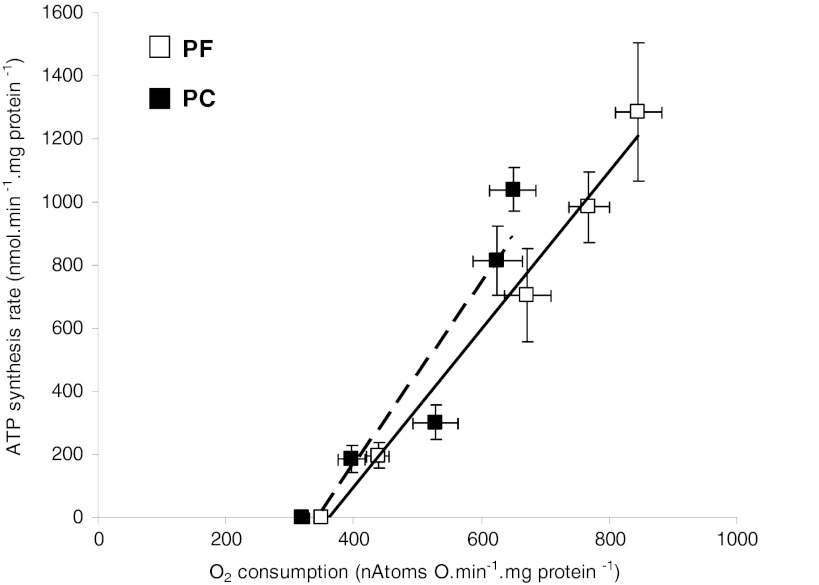
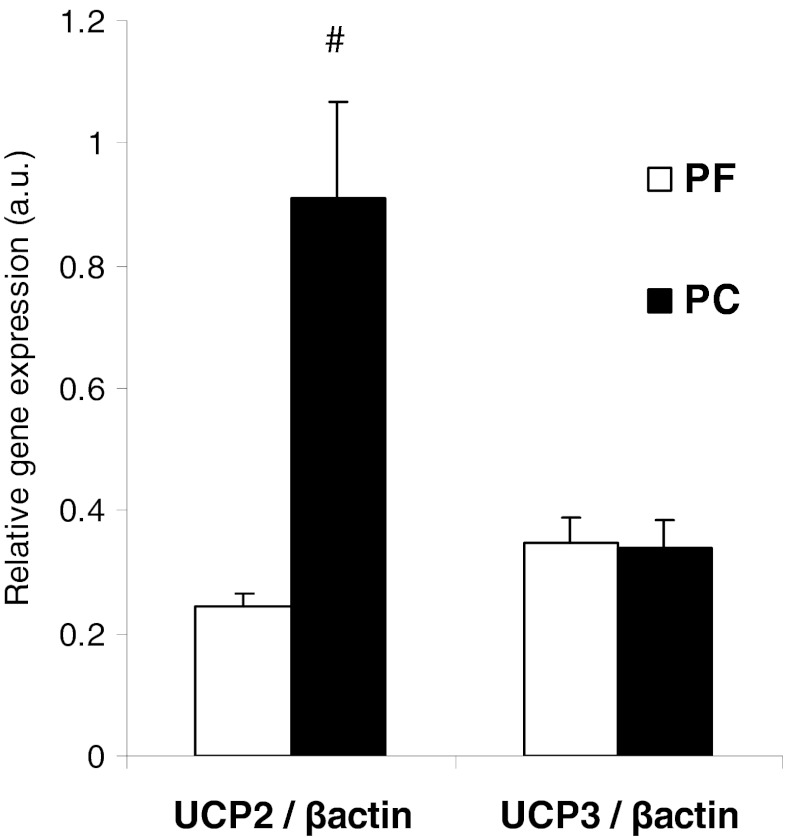
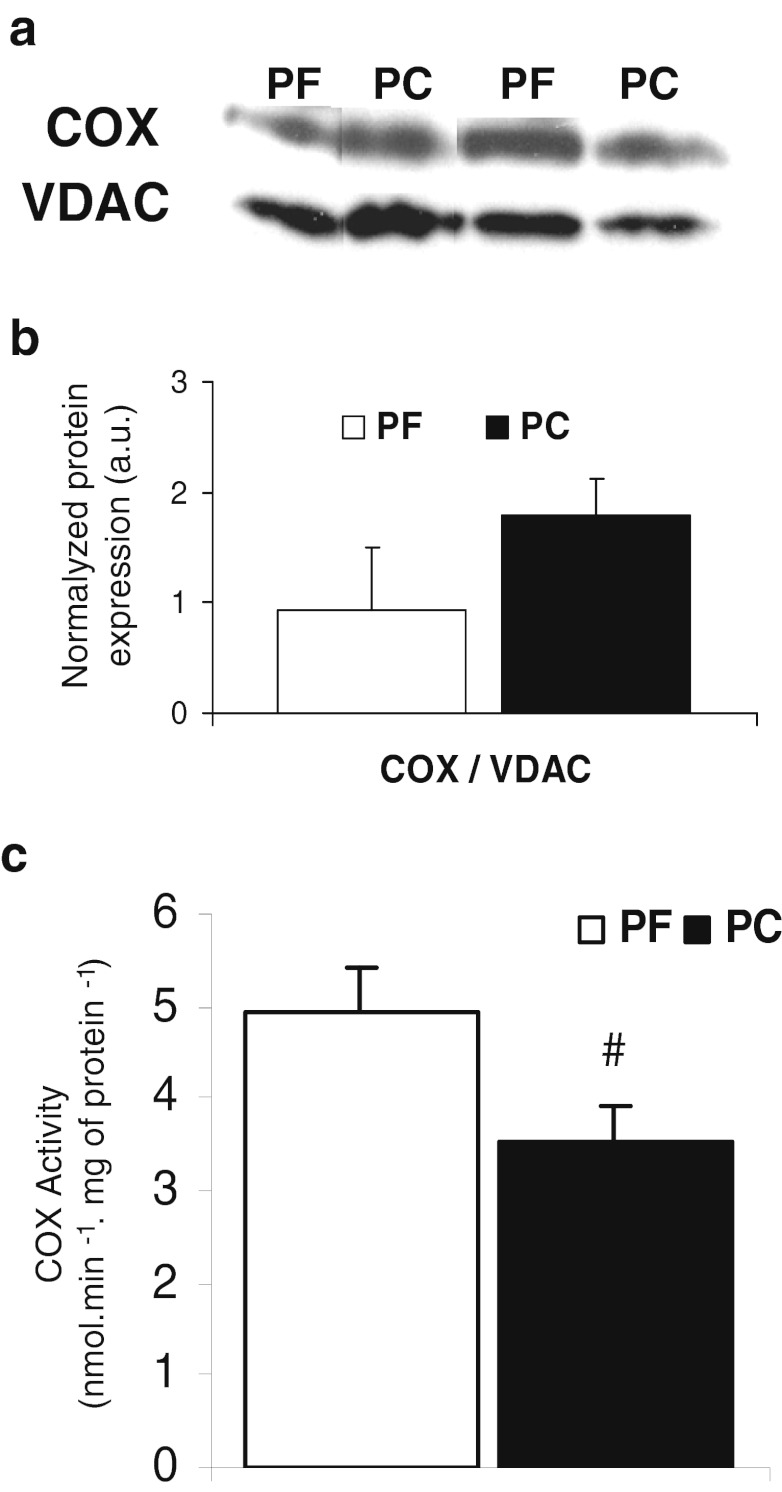
PC rats underwent significant muscle wasting affecting fast glycolytic muscles due to a reduction in fibre cross-sectional area. MuRF1 and MAFbx gene expression were significantly increased (9- and 3.5-fold, respectively) in the muscle of PC compared to PF rats. Oxygen consumption in non-phosphorylating state and the ATP/O were similar in both groups. Muscle UCP2 gene was overexpressed in PC rats. State III and the uncoupled state were significantly lower in muscle mitochondria from PC rats with a parallel reduction in complex IV activity (-30 %).
This study demonstrated that there was neither alteration in ATP synthesis efficiency nor mitochondrial uncoupling in skeletal muscle of cachectic rats despite UCP2 gene overexpression. Muscle mitochondrial oxidative capacities were reduced due to a decrease in complex IV activity. This mitochondrial bioenergetics alteration could participate to insulin resistance, lipid droplet accumulation and lactate production.
癌症恶病质是一种与负能平衡相关的复杂综合征,导致肌肉消耗。有人提出癌症恶病质时肌肉线粒体生物能学改变的意义。因此,本研究旨在探讨临床前癌症恶病质模型中骨骼肌线粒体氧化磷酸化的效率。
柏林 DruckreyIX 荷腹腔癌(PC)大鼠作为癌症恶病质模型,健康配对喂养(PF)大鼠作为对照。同时分析后肢肌肉形态和纤维类型组成、泛素连接酶和 UCP 基因表达。通过测量耗氧量和 ATP 合成率来研究分离的肌肉线粒体中的氧化磷酸化。
PC 大鼠发生显著的肌肉消耗,影响快糖酵解肌,因为纤维横截面积减少。与 PF 大鼠相比,PC 大鼠肌肉中的 MuRF1 和 MAFbx 基因表达分别显著增加(分别增加 9 倍和 3.5 倍)。非磷酸化状态下的耗氧量和 ATP/O 在两组之间相似。PC 大鼠肌肉 UCP2 基因过度表达。尽管 UCP2 基因过度表达,但 PC 大鼠肌肉线粒体的 III 态和非偶联态明显降低,同时复合物 IV 活性降低(-30%)。
尽管 UCP2 基因过度表达,但在恶病质大鼠的骨骼肌中,没有发现 ATP 合成效率的改变或线粒体解偶联。肌肉线粒体氧化能力的降低可能是由于复合物 IV 活性降低所致。这种线粒体生物能学改变可能参与胰岛素抵抗、脂滴积累和乳酸生成。