Buckley Robert T, Yuan Weihong, Mangano Francesco T, Phillips Jannel M, Powell Stephanie, McKinstry Robert C, Rajagopal Akila, Jones Blaise V, Holland Scott, Limbrick David D
Departments of Neurological Surgery, St. Louis Children’s Hospital, Washington University School of Medicine in St. Louis, MO, USA.
J Neurosurg Pediatr. 2012 Jun;9(6):630-5. doi: 10.3171/2012.2.PEDS11331.
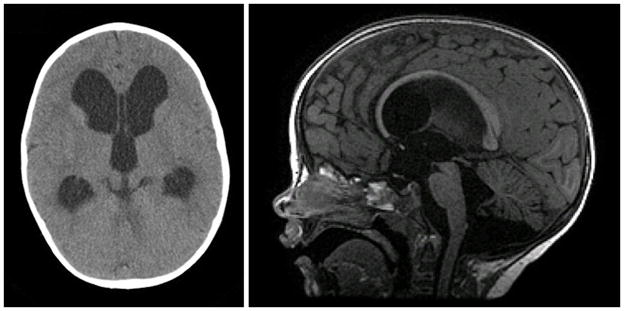
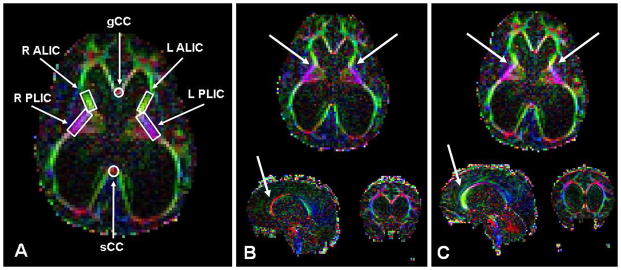
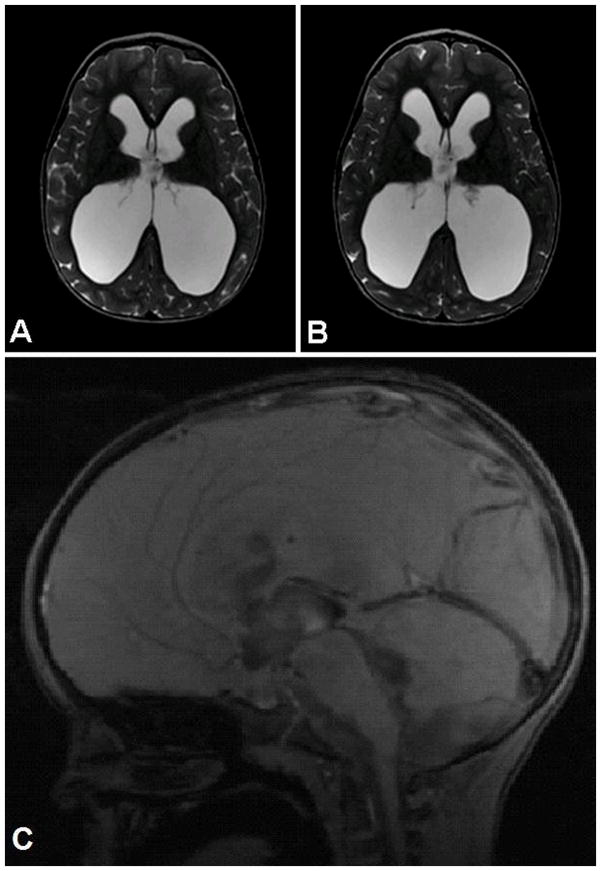
The authors report the case of a 25-month-old boy who underwent endoscopic third ventriculostomy (ETV) for hydrocephalus resulting from aqueductal stenosis. The patient's recovery was monitored longitudinally and prospectively using MR diffusion tensor imaging (DTI) and formal neuropsychological testing. Despite minimal change in ventricle size, improvement in the DTI characteristics and neurodevelopmental trajectory was observed following ETV. These data support the use of DTI as a biomarker to assess therapeutic response in children undergoing surgical treatment for hydrocephalus. In the patient featured in this report, DTI appeared to provide more information regarding postoperative neurodevelopmental outcome than ventricle size alone.
作者报告了一名25个月大男孩的病例,该男孩因导水管狭窄导致脑积水而接受了内镜下第三脑室造瘘术(ETV)。使用磁共振扩散张量成像(DTI)和正式的神经心理学测试对患者的恢复情况进行了纵向和前瞻性监测。尽管脑室大小变化极小,但在ETV术后观察到DTI特征和神经发育轨迹有所改善。这些数据支持将DTI用作生物标志物,以评估接受脑积水手术治疗的儿童的治疗反应。在本报告所介绍的患者中,DTI似乎比单纯的脑室大小能提供更多关于术后神经发育结果的信息。