Pereda Alberto E, Curti Sebastian, Hoge Gregory, Cachope Roger, Flores Carmen E, Rash John E
Dominick P. Purpura Department of Neuroscience, Albert Einstein College of Medicine, Bronx, NY, USA.
Biochim Biophys Acta. 2013 Jan;1828(1):134-46. doi: 10.1016/j.bbamem.2012.05.026. Epub 2012 May 31.
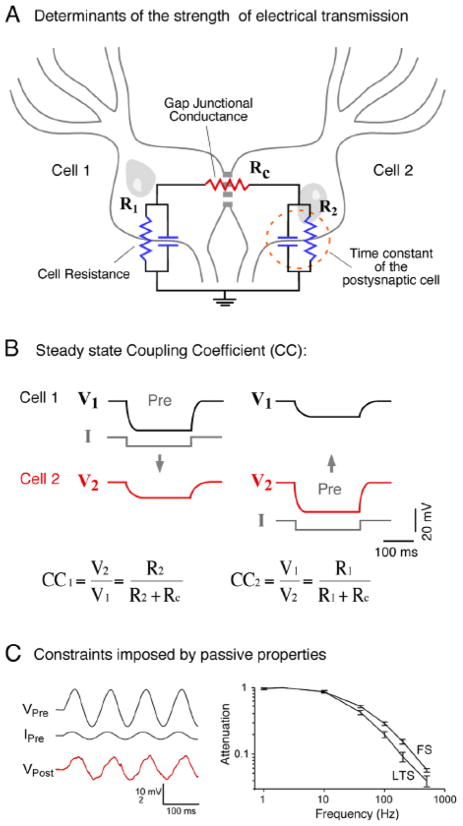
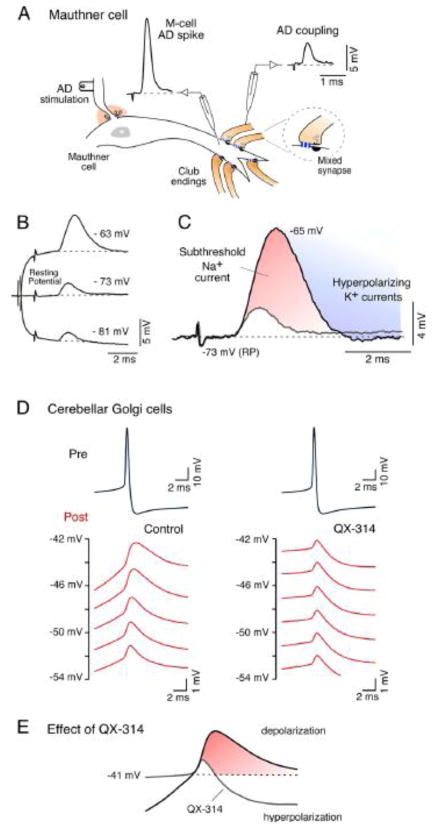
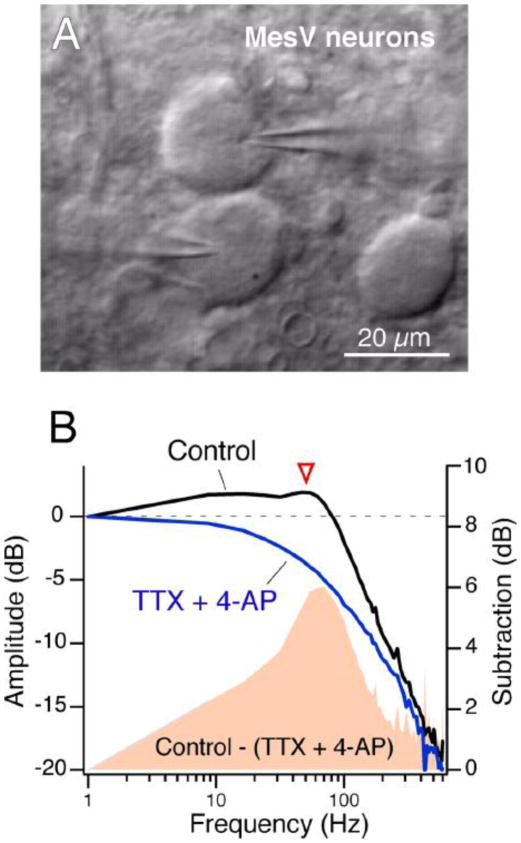
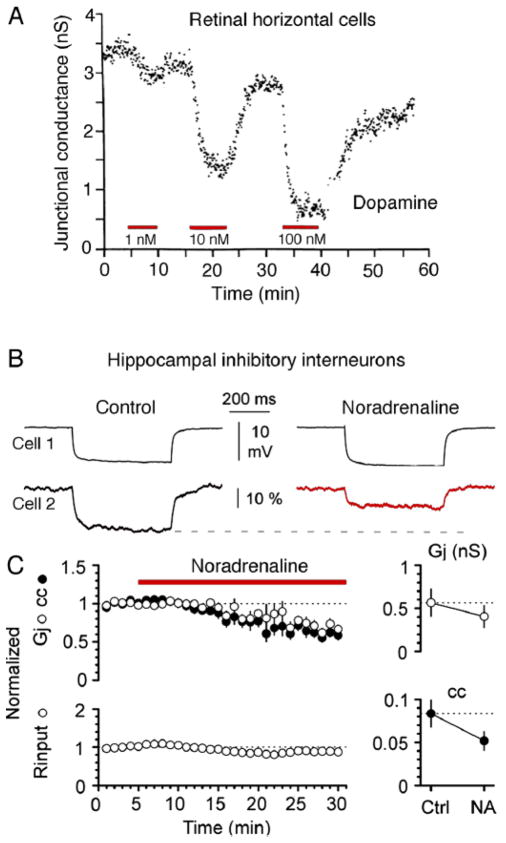
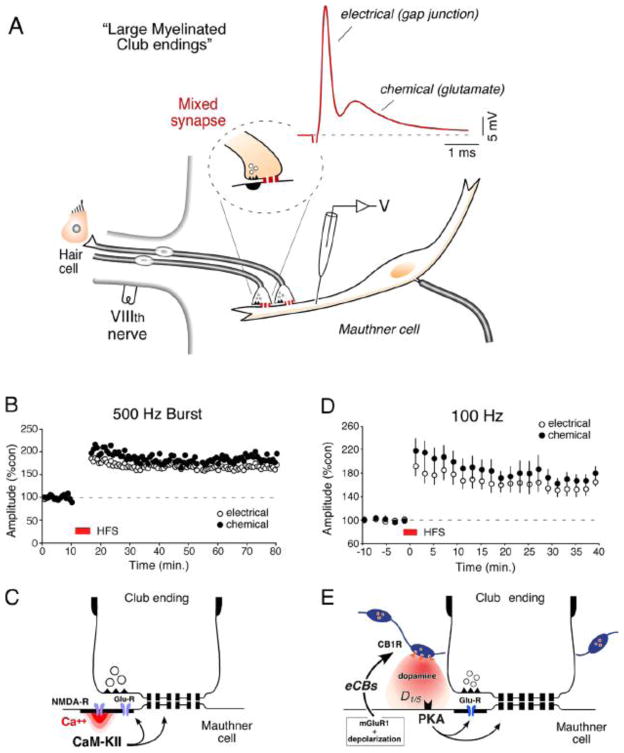
The term synapse applies to cellular specializations that articulate the processing of information within neural circuits by providing a mechanism for the transfer of information between two different neurons. There are two main modalities of synaptic transmission: chemical and electrical. While most efforts have been dedicated to the understanding of the properties and modifiability of chemical transmission, less is still known regarding the plastic properties of electrical synapses, whose structural correlate is the gap junction. A wealth of data indicates that, rather than passive intercellular channels, electrical synapses are more dynamic and modifiable than was generally perceived. This article will discuss the factors determining the strength of electrical transmission and review current evidence demonstrating its dynamic properties. Like their chemical counterparts, electrical synapses can also be plastic and modifiable. This article is part of a Special Issue entitled: The Communicating junctions, roles and dysfunctions.
“突触”一词适用于细胞特化结构,这些结构通过提供一种在两个不同神经元之间传递信息的机制,来连接神经回路中的信息处理过程。突触传递主要有两种方式:化学传递和电传递。虽然大多数研究致力于理解化学传递的特性和可塑性,但对于电突触的可塑性特性仍知之甚少,电突触的结构相关物是缝隙连接。大量数据表明,电突触并非被动的细胞间通道,而是比人们普遍认为的更具动态性和可修饰性。本文将讨论决定电传递强度的因素,并综述当前证明其动态特性的证据。与化学突触一样,电突触也具有可塑性和可修饰性。本文是名为“通讯连接、作用及功能障碍”的特刊的一部分。