Perše Martina, Cerar Anton
Institute of Pathology, Medical Experimental Centre, Medical Faculty, University of Ljubljana, Zaloška 4, 1105 Ljubljana, Slovenia.
J Biomed Biotechnol. 2012;2012:718617. doi: 10.1155/2012/718617. Epub 2012 May 14.
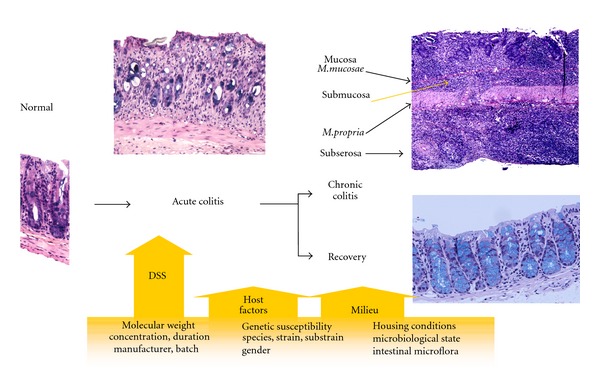
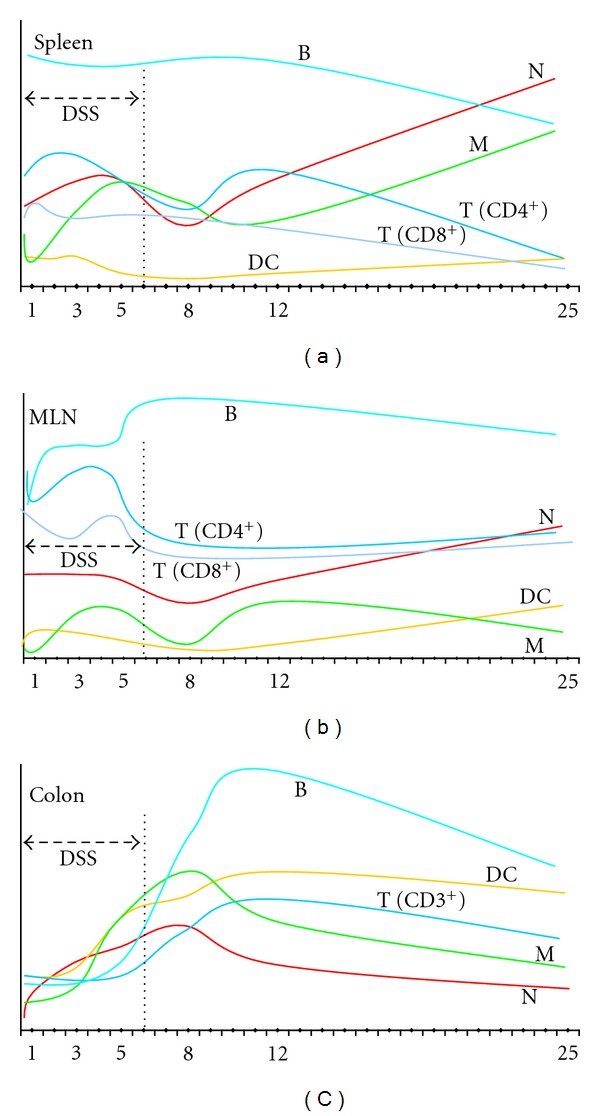
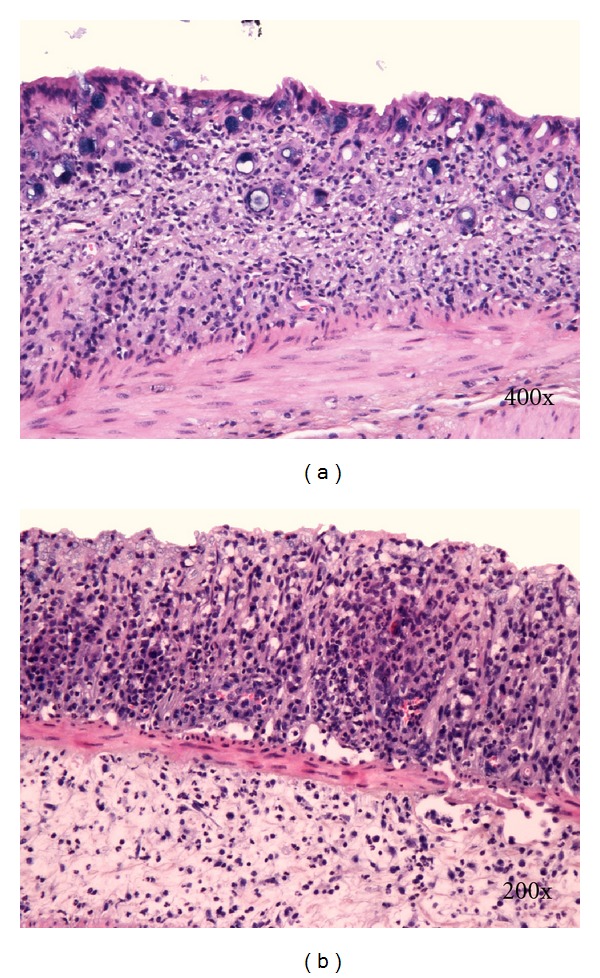
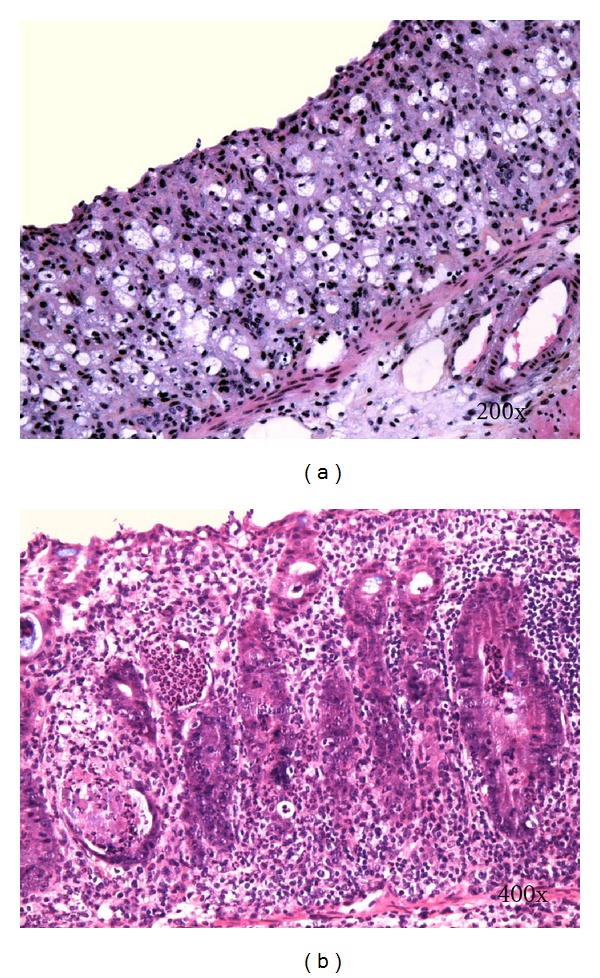
Inflammatory bowel disease (IBD) is a complex multifactorial disease of unknown etiology. Thus, dozens of different animal models of IBD have been developed in past decades. Animal models of IBD are valuable and indispensable tools that provide a wide range of options for investigating involvement of various factors into the pathogenesis of IBD and to evaluate different therapeutic options. However, the dextran sulphate sodium (DSS-) induced colitis model has some advantages when compared to other animal models of colitis. It is well appreciated and widely used model of inflammatory bowel disease because of its simplicity. It has many similarities to human IBD, which are mentioned in the paper. In spite of its simplicity and wide applicability, there are also traps that need to be taken into account when using DSS model. As demonstrated in the present paper, various factors may affect susceptibility to DSS-induced lesions and modify results.
炎症性肠病(IBD)是一种病因不明的复杂多因素疾病。因此,在过去几十年中已经开发出了几十种不同的IBD动物模型。IBD动物模型是有价值且不可或缺的工具,为研究各种因素在IBD发病机制中的作用以及评估不同治疗方案提供了广泛的选择。然而,与其他结肠炎动物模型相比,葡聚糖硫酸钠(DSS)诱导的结肠炎模型具有一些优势。由于其简单性,它是一种广为人知且广泛使用的炎症性肠病模型。它与人类IBD有许多相似之处,本文中对此进行了提及。尽管其简单性和广泛适用性,但在使用DSS模型时也有一些需要考虑的陷阱。如本文所示,各种因素可能影响对DSS诱导损伤的易感性并改变结果。