Alberta Glycomics Centre, Department of Biological Sciences, University of Alberta, Edmonton, Alberta, Canada.
PLoS Pathog. 2012;8(6):e1002758. doi: 10.1371/journal.ppat.1002758. Epub 2012 Jun 7.
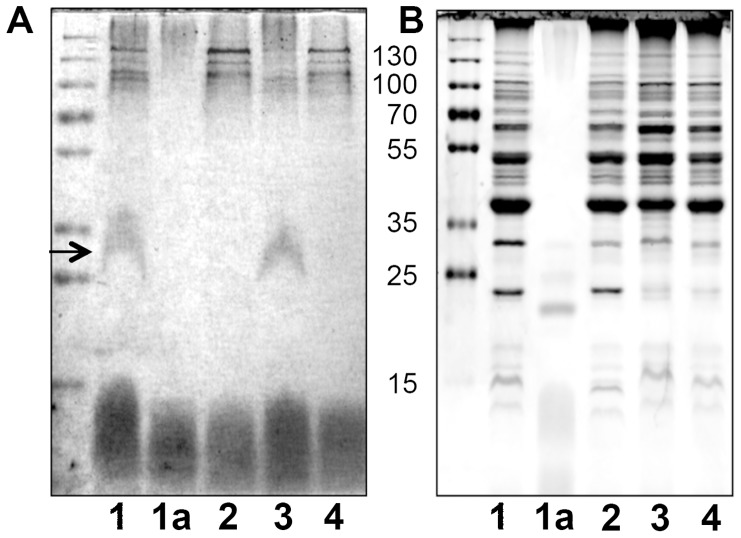
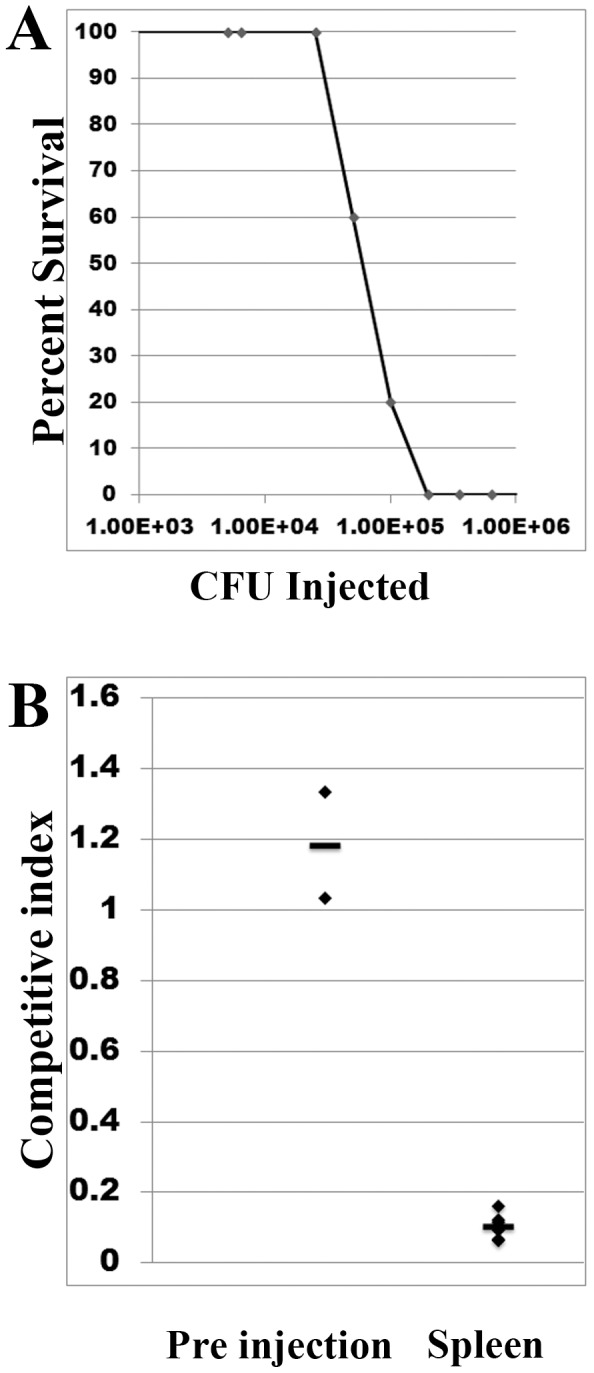
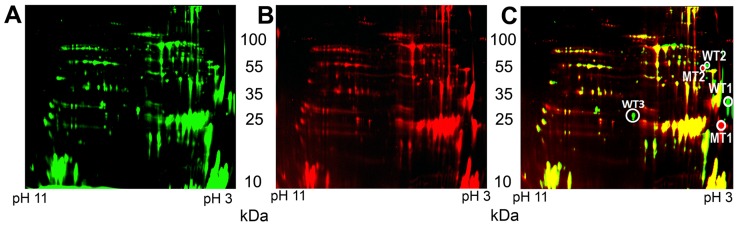
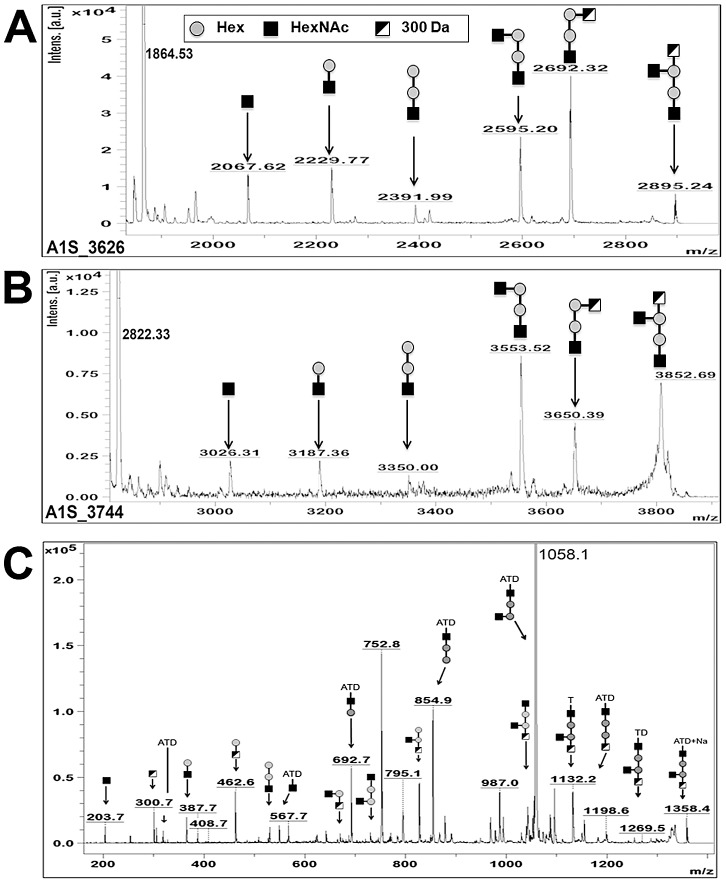
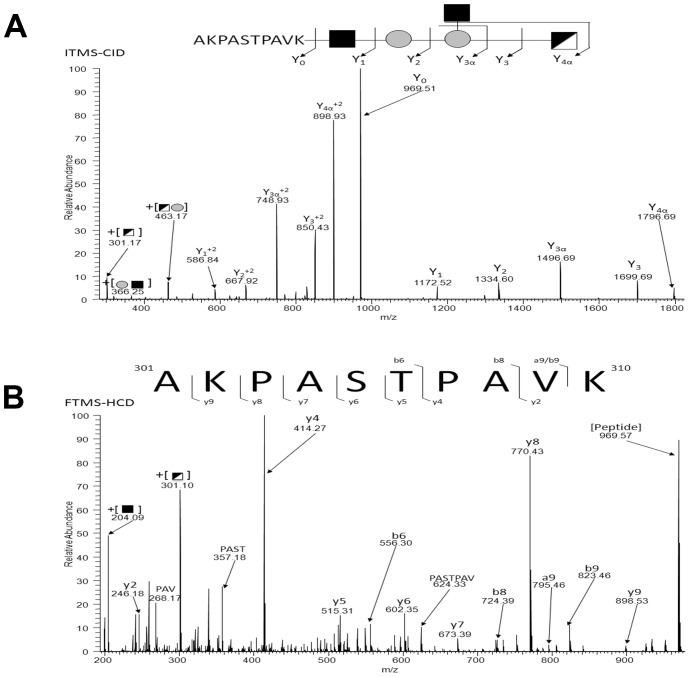
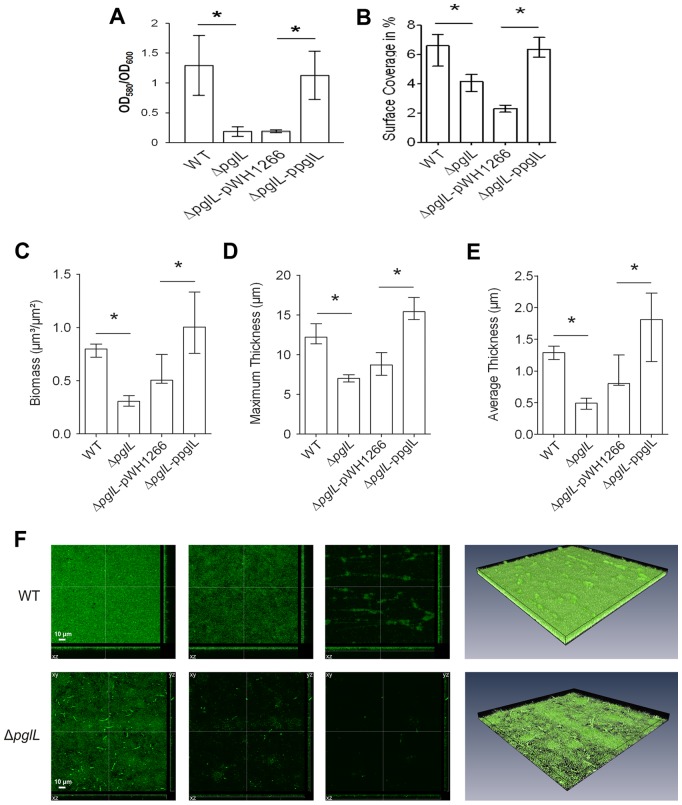
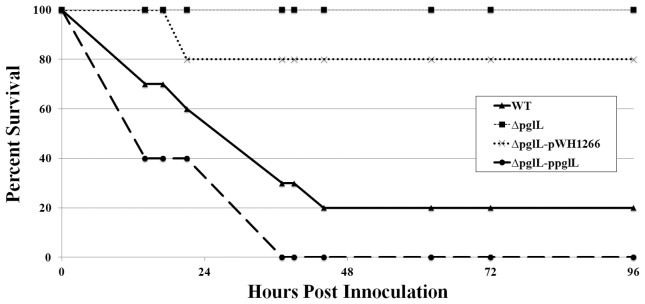
Acinetobacter baumannii is an emerging cause of nosocomial infections. The isolation of strains resistant to multiple antibiotics is increasing at alarming rates. Although A. baumannii is considered as one of the more threatening "superbugs" for our healthcare system, little is known about the factors contributing to its pathogenesis. In this work we show that A. baumannii ATCC 17978 possesses an O-glycosylation system responsible for the glycosylation of multiple proteins. 2D-DIGE and mass spectrometry methods identified seven A. baumannii glycoproteins, of yet unknown function. The glycan structure was determined using a combination of MS and NMR techniques and consists of a branched pentasaccharide containing N-acetylgalactosamine, glucose, galactose, N-acetylglucosamine, and a derivative of glucuronic acid. A glycosylation deficient strain was generated by homologous recombination. This strain did not show any growth defects, but exhibited a severely diminished capacity to generate biofilms. Disruption of the glycosylation machinery also resulted in reduced virulence in two infection models, the amoebae Dictyostelium discoideum and the larvae of the insect Galleria mellonella, and reduced in vivo fitness in a mouse model of peritoneal sepsis. Despite A. baumannii genome plasticity, the O-glycosylation machinery appears to be present in all clinical isolates tested as well as in all of the genomes sequenced. This suggests the existence of a strong evolutionary pressure to retain this system. These results together indicate that O-glycosylation in A. baumannii is required for full virulence and therefore represents a novel target for the development of new antibiotics.
鲍曼不动杆菌是一种新兴的医院感染病原体。对多种抗生素耐药的菌株的分离率正在以惊人的速度增长。虽然鲍曼不动杆菌被认为是对我们的医疗保健系统构成威胁的“超级细菌”之一,但人们对导致其发病机制的因素知之甚少。在这项工作中,我们表明鲍曼不动杆菌 ATCC 17978 具有负责多种蛋白质糖基化的 O-糖基化系统。2D-DIGE 和质谱方法鉴定了七种鲍曼不动杆菌糖蛋白,其功能尚不清楚。糖链结构通过 MS 和 NMR 技术的组合确定,由含有 N-乙酰半乳糖胺、葡萄糖、半乳糖、N-乙酰葡萄糖胺和葡萄糖醛酸衍生物的支链五糖组成。通过同源重组生成糖基化缺陷菌株。该菌株没有表现出任何生长缺陷,但表现出严重降低的生物膜生成能力。糖基化机制的破坏也导致在两种感染模型(变形虫 Dictyostelium discoideum 和昆虫家蚕幼虫)中的毒力降低,以及在腹膜炎的小鼠模型中的体内适应性降低。尽管鲍曼不动杆菌基因组具有可塑性,但 O-糖基化机制似乎存在于所有测试的临床分离株以及所有测序的基因组中。这表明保留该系统存在强大的进化压力。这些结果共同表明,鲍曼不动杆菌中的 O-糖基化是完全毒力所必需的,因此代表了开发新抗生素的新靶标。