Wellcome Trust Centre for Cell-Matrix Research, Faculty of Life Sciences, and Department of Gastrointestinal Sciences, University of Manchester, Oxford Road, Manchester M13 9PT, UK.
J Proteome Res. 2012 Aug 3;11(8):4052-64. doi: 10.1021/pr3000927. Epub 2012 Jun 28.
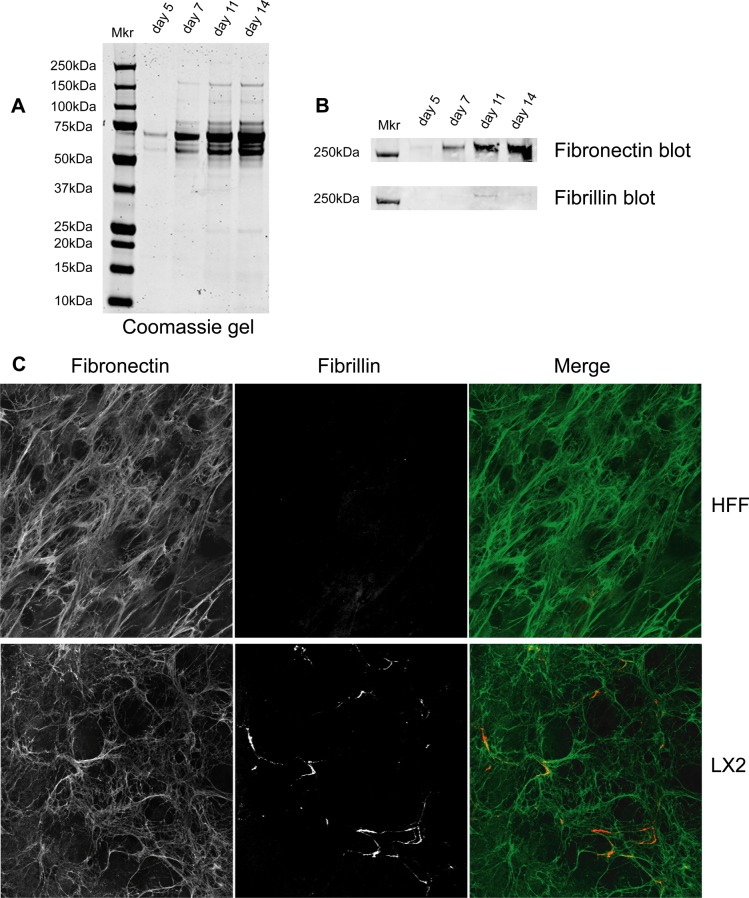
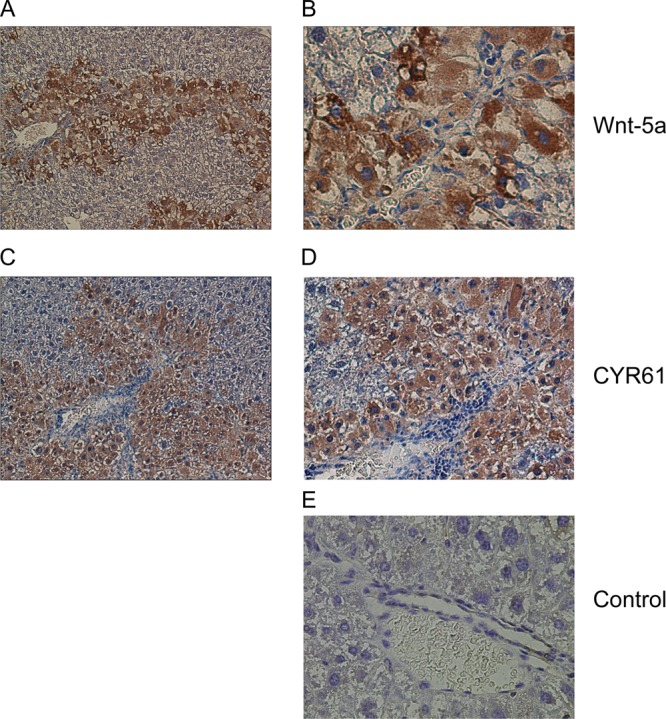
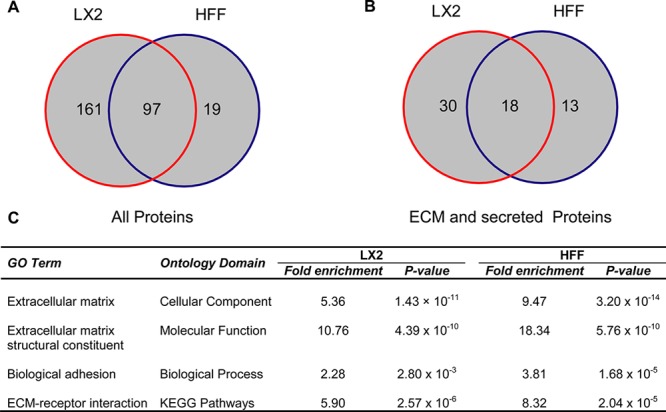
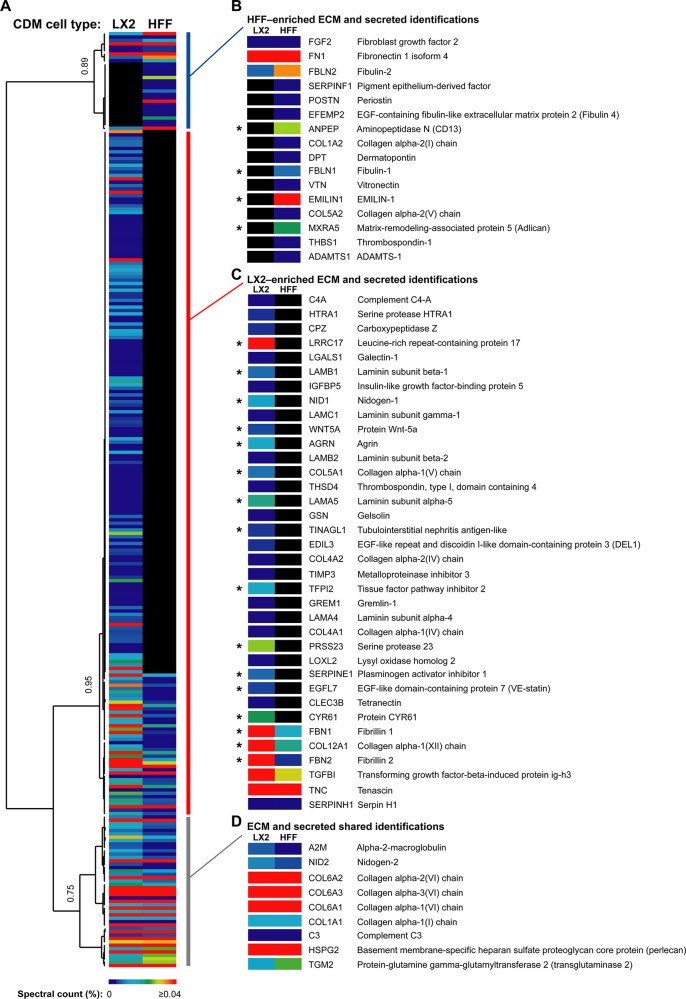
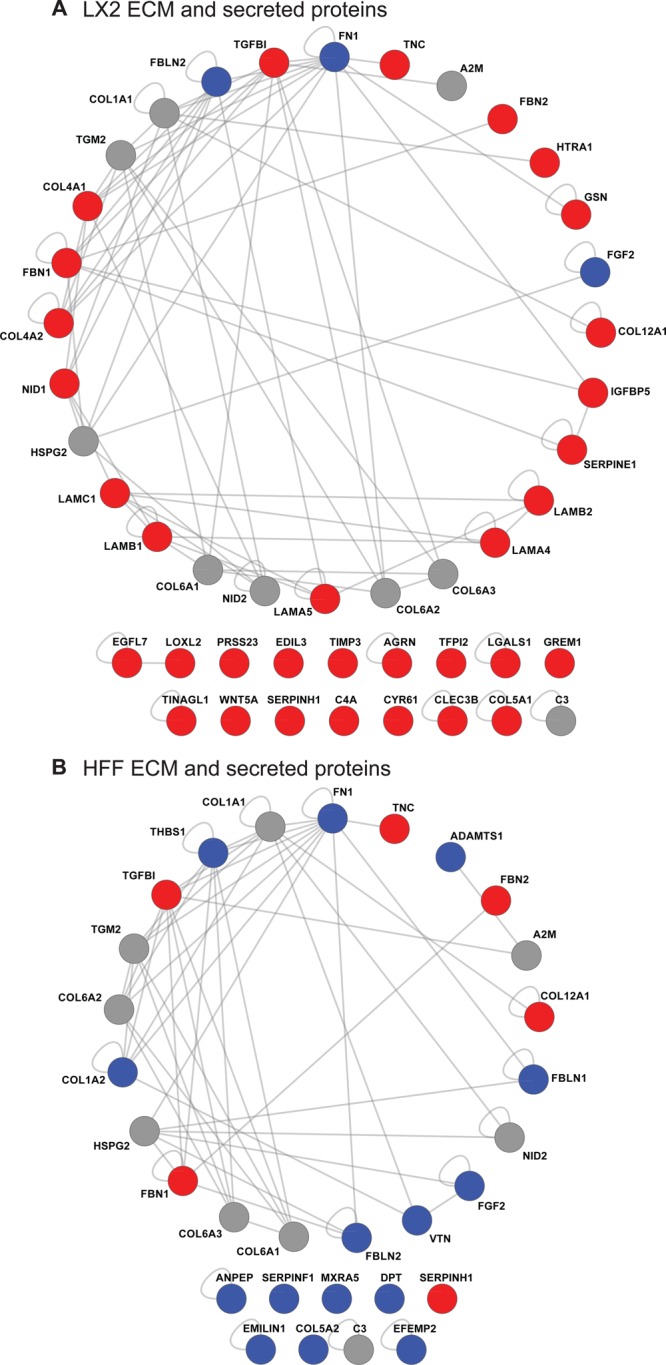
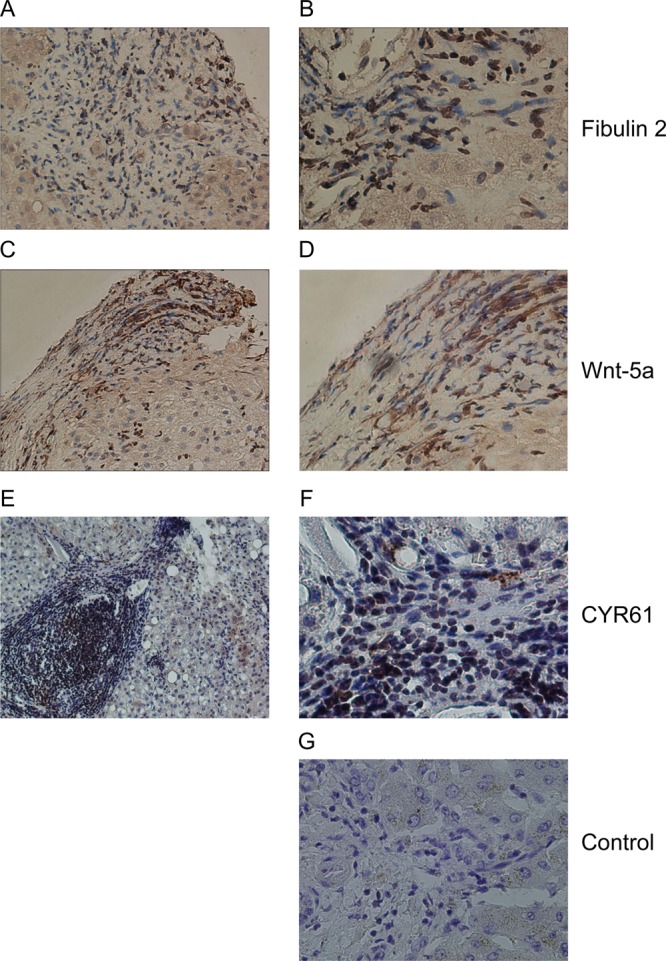
Activation of hepatic stellate cells (HSCs) and subsequent uncontrolled accumulation of altered extracellular matrix (ECM) underpin liver fibrosis, a wound healing response to chronic injury, which can lead to organ failure and death. We sought to catalogue the components of fibrotic liver ECM to obtain insights into disease etiology and aid identification of new biomarkers. Cell-derived ECM was isolated from the HSC line LX-2, an in vitro model of liver fibrosis, and compared to ECM from human foreskin fibroblasts (HFFs) as a control. Mass spectrometry analyses of cell-derived ECMs identified, with ≥99% confidence, 61 structural ECM or secreted proteins (48 and 31 proteins for LX-2 and HFF, respectively). Gene ontology enrichment analysis confirmed the enrichment of ECM proteins, and hierarchical clustering coupled with protein-protein interaction network analysis revealed a subset of proteins enriched to fibrotic ECM, highlighting the existence of cell type-specific ECM niches. Thirty-six proteins were enriched to LX-2 ECM as compared to HFF ECM, of which Wnt-5a and CYR61 were validated by immunohistochemistry in human and murine fibrotic liver tissue. Future studies will determine if these and other components may play a role in the etiology of hepatic fibrosis, serve as novel disease biomarkers, or open up new avenues for drug discovery.
肝星状细胞 (HSCs) 的激活以及随之而来的细胞外基质 (ECM) 的失控积累是肝纤维化的基础,这是一种对慢性损伤的伤口愈合反应,可导致器官衰竭和死亡。我们试图对纤维化肝 ECM 的成分进行编目,以深入了解疾病的病因,并帮助识别新的生物标志物。从肝星状细胞系 LX-2(肝纤维化的体外模型)中分离细胞来源的 ECM,并与作为对照的人包皮成纤维细胞 (HFF) 的 ECM 进行比较。细胞来源的 ECM 的质谱分析以≥99%的置信度鉴定了 61 种结构 ECM 或分泌蛋白(LX-2 和 HFF 分别为 48 种和 31 种蛋白质)。基因本体富集分析证实了 ECM 蛋白的富集,层次聚类结合蛋白质-蛋白质相互作用网络分析揭示了一组富含纤维化 ECM 的蛋白质,突出了细胞类型特异性 ECM 生态位的存在。与 HFF ECM 相比,有 36 种蛋白质在 LX-2 ECM 中富集,其中 Wnt-5a 和 CYR61 通过免疫组织化学在人类和小鼠纤维化肝组织中得到验证。未来的研究将确定这些和其他成分是否可能在肝纤维化的病因中起作用,是否作为新的疾病生物标志物,或者是否为药物发现开辟新途径。