Goswami Sonal, Samuel Sherin, Sierra Olga R, Cascardi Michele, Paré Denis
Center for Molecular and Behavioral Neuroscience, Rutgers State University, Newark NJ, USA.
Front Behav Neurosci. 2012 Jun 12;6:26. doi: 10.3389/fnbeh.2012.00026. eCollection 2012.
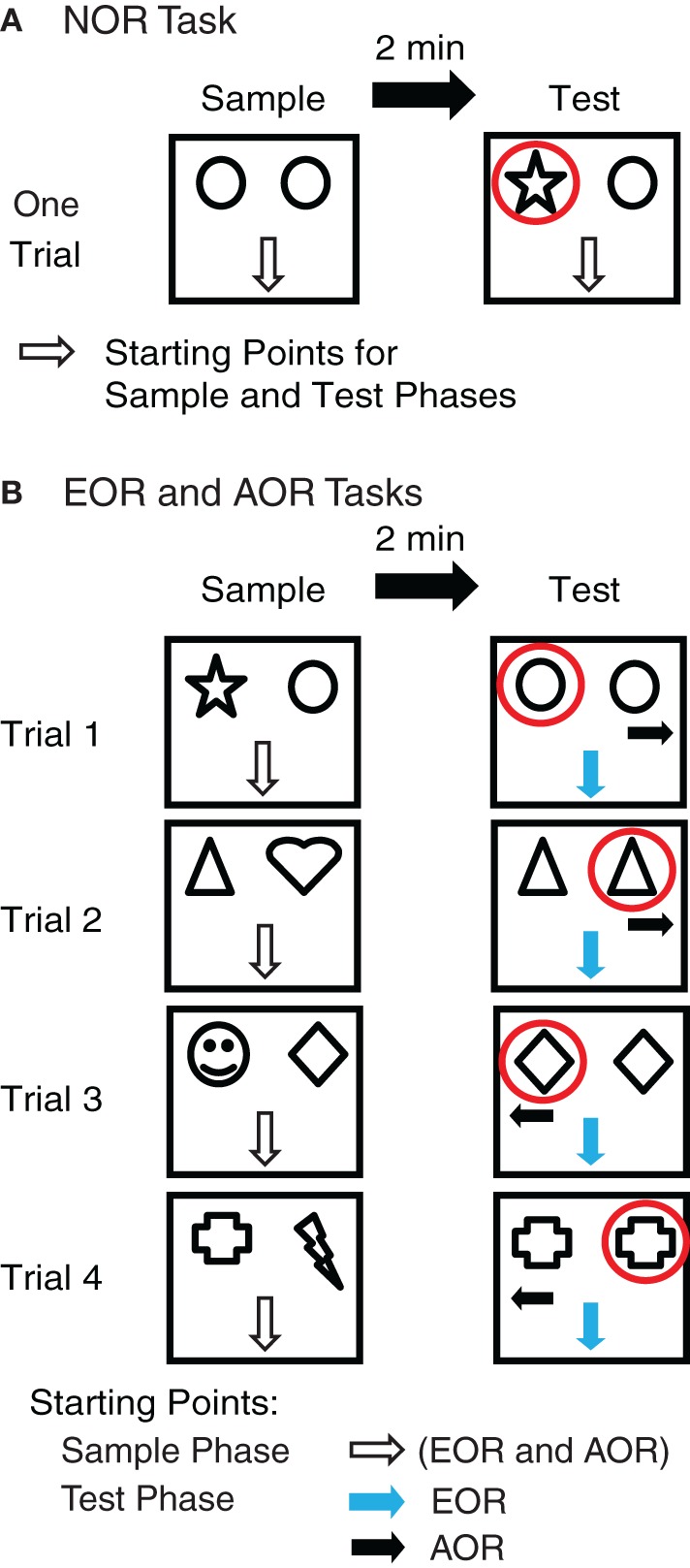
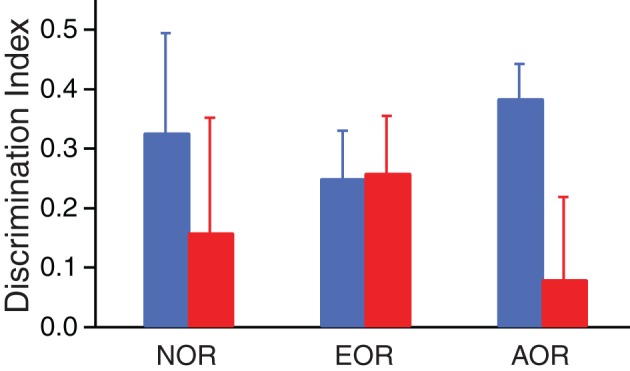
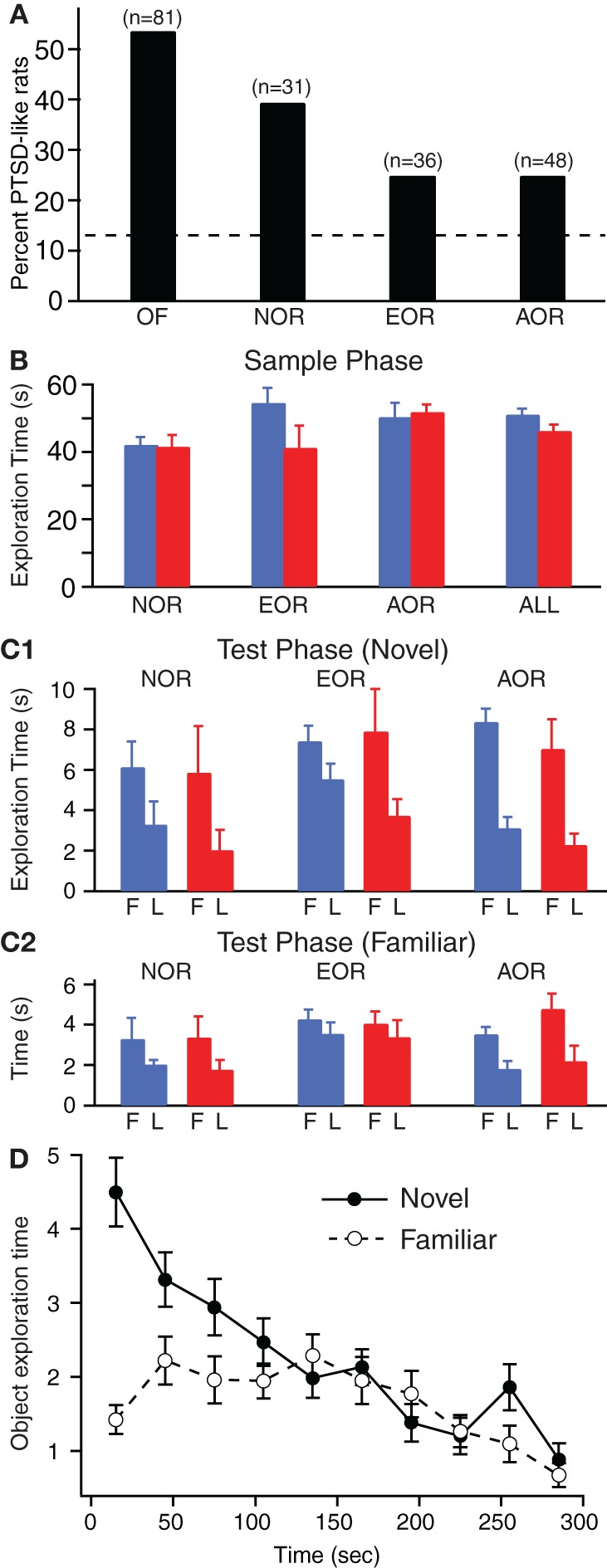
Despite recent progress, the causes and pathophysiology of post-traumatic stress disorder (PTSD) remain poorly understood, partly because of ethical limitations inherent to human studies. One approach to circumvent this obstacle is to study PTSD in a valid animal model of the human syndrome. In one such model, extreme and long-lasting behavioral manifestations of anxiety develop in a subset of Lewis rats after exposure to an intense predatory threat that mimics the type of life-and-death situation known to precipitate PTSD in humans. This study aimed to assess whether the hippocampus-associated deficits observed in the human syndrome are reproduced in this rodent model. Prior to predatory threat, different groups of rats were each tested on one of three object recognition memory tasks that varied in the types of contextual clues (i.e., that require the hippocampus or not) the rats could use to identify novel items. After task completion, the rats were subjected to predatory threat and, one week later, tested on the elevated plus maze (EPM). Based on their exploratory behavior in the plus maze, rats were then classified as resilient or PTSD-like and their performance on the pre-threat object recognition tasks compared. The performance of PTSD-like rats was inferior to that of resilient rats but only when subjects relied on an allocentric frame of reference to identify novel items, a process thought to be critically dependent on the hippocampus. Therefore, these results suggest that even prior to trauma PTSD-like rats show a deficit in hippocampal-dependent functions, as reported in twin studies of human PTSD.
尽管最近取得了进展,但创伤后应激障碍(PTSD)的病因和病理生理学仍知之甚少,部分原因是人体研究固有的伦理限制。规避这一障碍的一种方法是在人类综合征的有效动物模型中研究PTSD。在这样一种模型中,一部分Lewis大鼠在暴露于强烈的捕食威胁后会出现极端且持久的焦虑行为表现,这种威胁模拟了已知会引发人类PTSD的生死情境类型。本研究旨在评估在该啮齿动物模型中是否会重现人类综合征中观察到的与海马体相关的缺陷。在遭受捕食威胁之前,不同组的大鼠分别接受了三种物体识别记忆任务中的一种测试,这些任务在大鼠用于识别新物体的情境线索类型(即是否需要海马体)上有所不同。任务完成后,大鼠遭受捕食威胁,一周后,在高架十字迷宫(EPM)上进行测试。根据它们在十字迷宫中的探索行为,大鼠随后被分类为有恢复力的或类似PTSD的,并比较它们在威胁前物体识别任务中的表现。类似PTSD的大鼠的表现不如有恢复力的大鼠,但只有当受试者依靠以自我为中心的参照系来识别新物体时才会如此,这一过程被认为严重依赖于海马体。因此,这些结果表明,正如人类PTSD的双胞胎研究中所报道的那样,即使在创伤之前,类似PTSD的大鼠在依赖海马体的功能方面也存在缺陷。