School of Packaging, Michigan State University, East Lansing, Michigan, United States of America.
PLoS One. 2012;7(6):e38819. doi: 10.1371/journal.pone.0038819. Epub 2012 Jun 14.
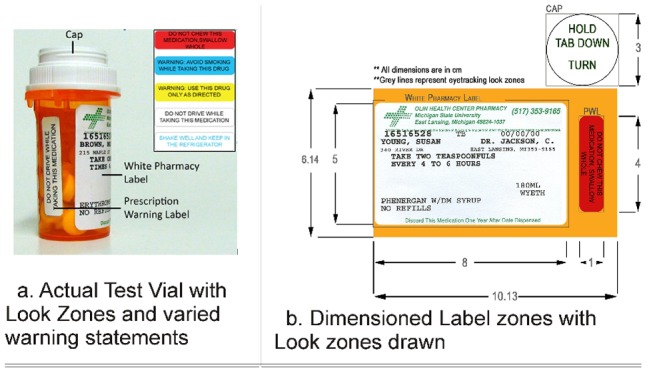
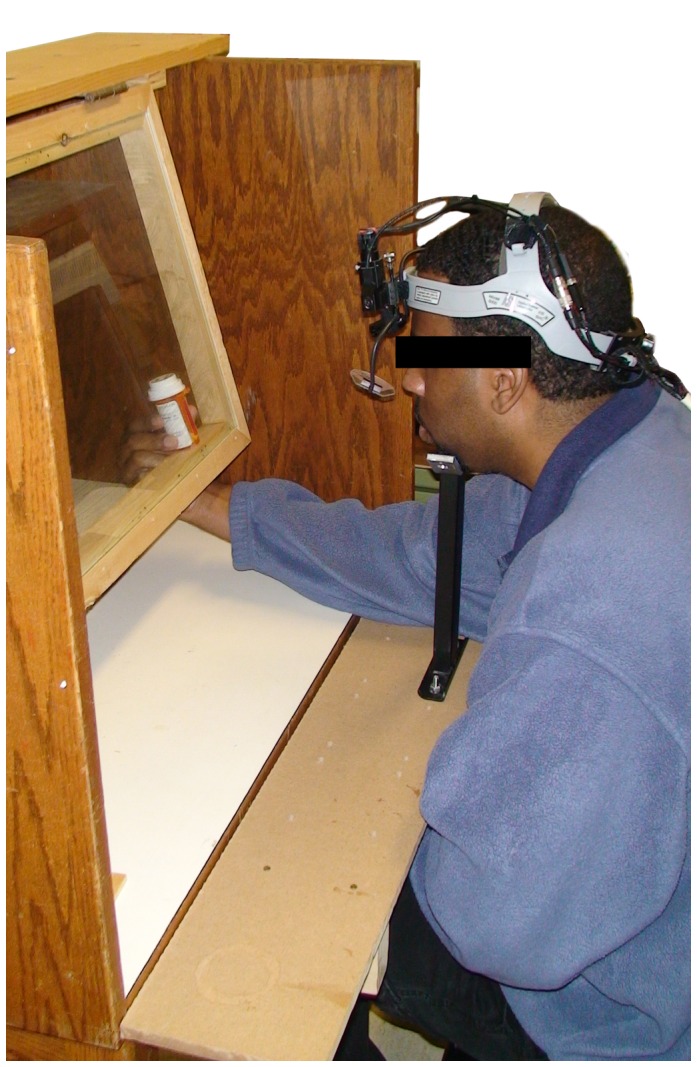
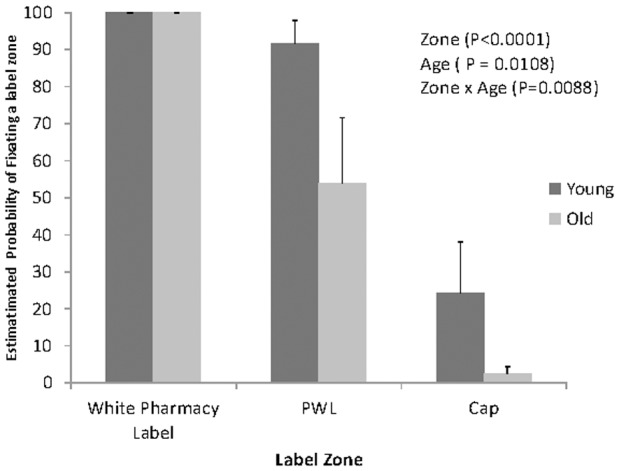
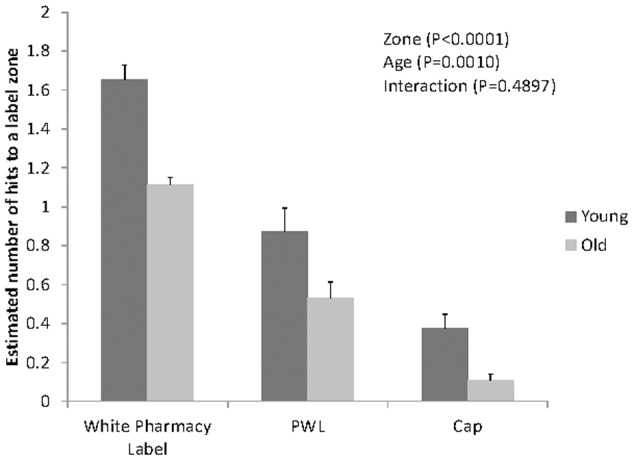
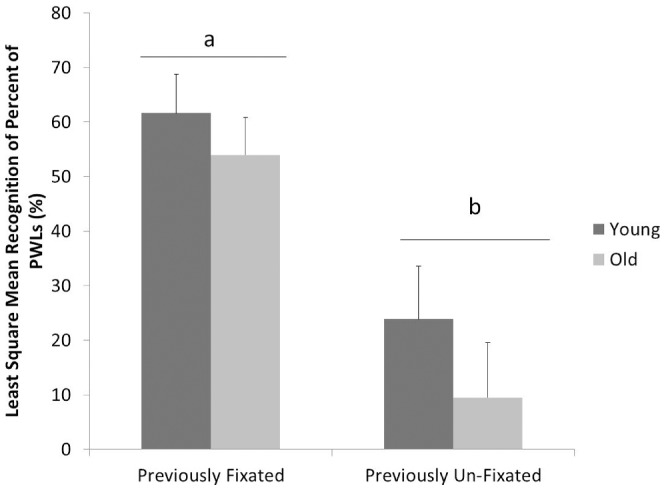
Adverse drug events (ADEs) are a significant problem in health care. While effective warnings have the potential to reduce the prevalence of ADEs, little is known about how patients access and use prescription labeling. We investigated the effectiveness of prescription warning labels (PWLs, small, colorful stickers applied at the pharmacy) in conveying warning information to two groups of patients (young adults and those 50+). We evaluated the early stages of information processing by tracking eye movements while participants interacted with prescription vials that had PWLs affixed to them. We later tested participants' recognition memory for the PWLs. During viewing, participants often failed to attend to the PWLs; this effect was more pronounced for older than younger participants. Older participants also performed worse on the subsequent memory test. However, when memory performance was conditionalized on whether or not the participant had fixated the PWL, these age-related differences in memory were no longer significant, suggesting that the difference in memory performance between groups was attributable to differences in attention rather than differences in memory encoding or recall. This is important because older adults are recognized to be at greater risk for ADEs. These data provide a compelling case that understanding consumers' attentive behavior is crucial to developing an effective labeling standard for prescription drugs.
药物不良反应(ADE)是医疗保健中的一个重大问题。虽然有效的警告有可能降低 ADE 的发生率,但对于患者如何获取和使用处方标签知之甚少。我们调查了处方警告标签(PWL,贴在药房的小而彩色的贴纸)对两组患者(年轻人和 50 岁以上的患者)传递警告信息的效果。我们通过跟踪参与者与贴有 PWL 的处方瓶互动时的眼球运动来评估信息处理的早期阶段。然后,我们测试了参与者对 PWL 的识别记忆。在观看过程中,参与者经常没有注意到 PWL;对于年龄较大的参与者来说,这种效果更为明显。年龄较大的参与者在随后的记忆测试中表现也较差。然而,当根据参与者是否注视 PWL 来条件化记忆表现时,记忆表现的这些年龄相关差异不再显著,这表明组间记忆表现的差异归因于注意力的差异,而不是记忆编码或回忆的差异。这很重要,因为老年人被认为面临更大的 ADE 风险。这些数据有力地表明,了解消费者的注意力行为对于制定有效的处方药标签标准至关重要。