Instituto Cajal, Spanish National Research Council, Madrid, Spain.
PLoS One. 2012;7(6):e38959. doi: 10.1371/journal.pone.0038959. Epub 2012 Jun 15.
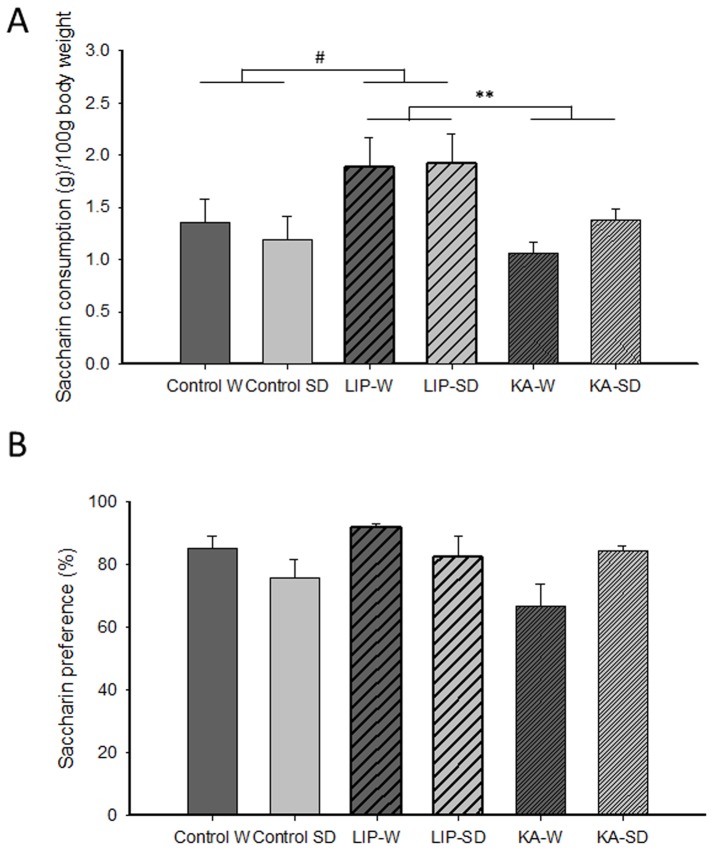
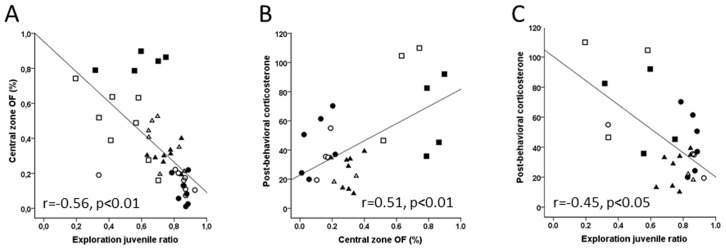
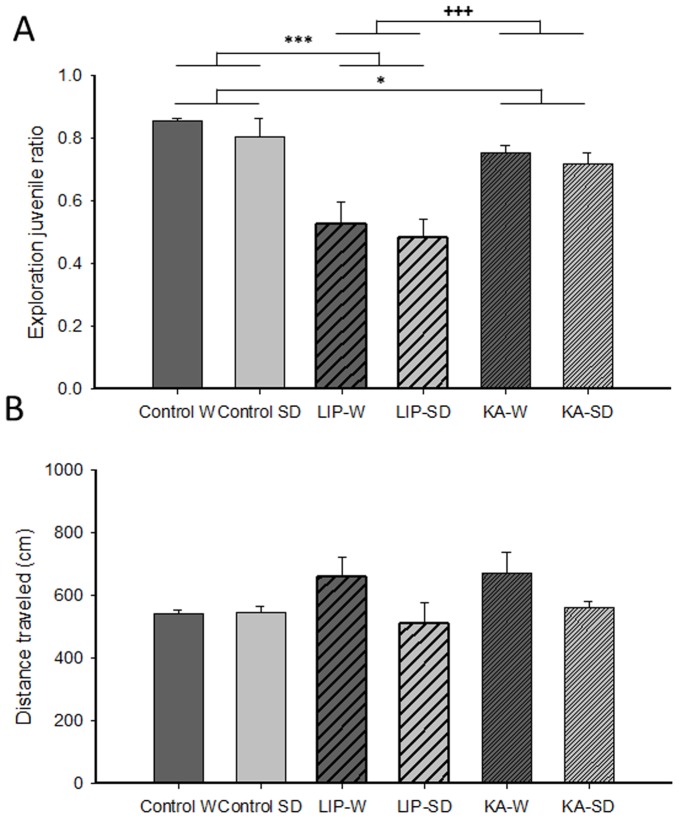
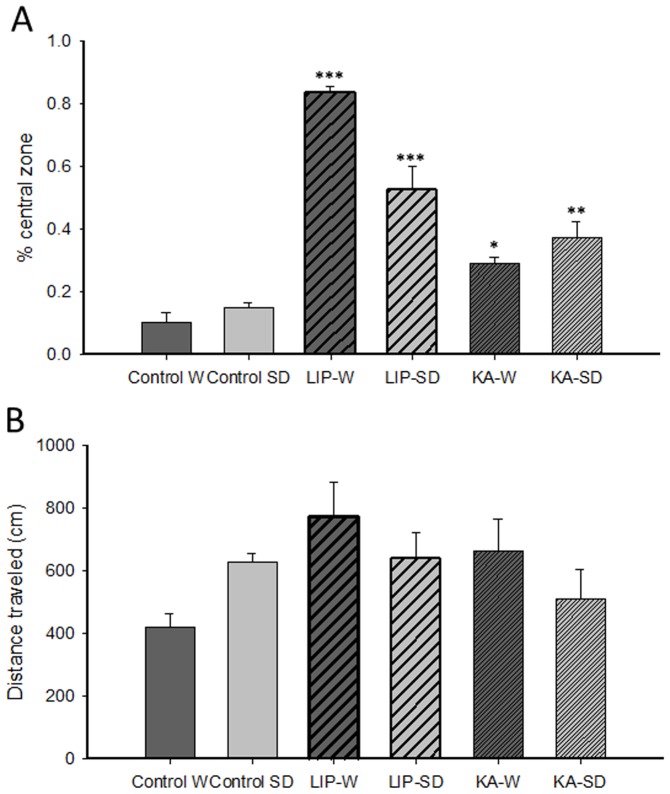
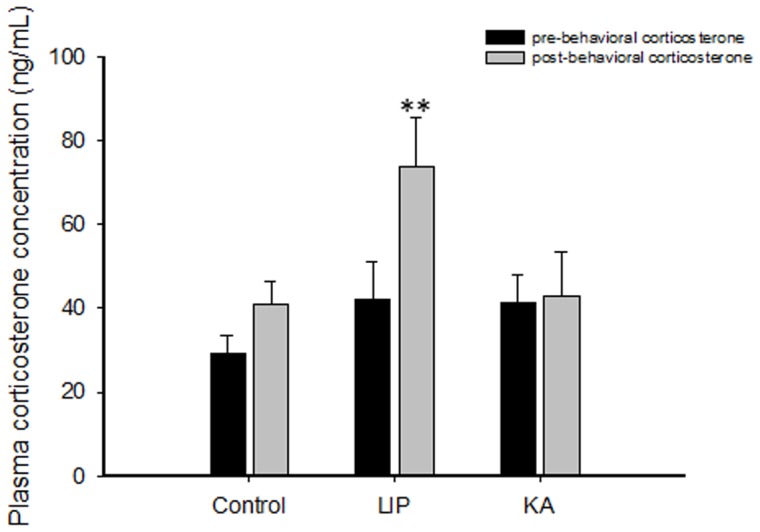
Affective symptoms such as anxiety and depression are frequently observed in patients with epilepsy. The mechanisms of comorbidity of epilepsy and affective disorders, however, remain unclear. Diverse models are traditionally used in epilepsy research, including the status epilepticus (SE) model in rats, which are aimed at generating chronic epileptic animals; however, the implications of different SE models and rat strains in emotional behaviors has not been reported. To address this issue, we examined the emotional sequelae of two SE models of temporal lobe epilepsy (TLE)--the lithium-pilocarpine (LIP) model and the kainic acid (KA) model--in two different rat strains (Wistar and Sprague-Dawley), which differ significantly in the pattern and extent of TLE-associated brain lesions. We found differences between LIP- and KA-treated animals in tests for depression-like and anxiety-like behaviors, as well as differences in plasma corticosterone levels. Whereas only LIP-treated rats displayed increased motivation to consume saccharin, both SE models led to reduced motivation for social contact, with LIP-treated animals being particularly affected. Evaluation of behavior in the open field test indicated very low levels of anxiety in LIP-treated rats and a mild decrease in KA-treated rats compared to controls. After exposure to a battery of behavioral tests, plasma corticosterone levels were increased only in LIP-treated animals. This hyperactivity in the hypothalamus-pituitary-adrenocortical (HPA) axis was highly correlated with performance in the open field test and the social interaction test, suggesting that comorbidity of epilepsy and emotional behaviors might also be related to other factors such as HPA axis function. Our results indicate that altered emotional behaviors are not inherent to the epileptic condition in experimental TLE; instead, they likely reflect alterations in anxiety levels related to model-dependent dysregulation of the HPA axis.
情感症状,如焦虑和抑郁,在癫痫患者中经常观察到。然而,癫痫和情感障碍共病的机制仍不清楚。传统上,在癫痫研究中使用了多种模型,包括大鼠的癫痫持续状态(SE)模型,旨在产生慢性癫痫动物;然而,不同 SE 模型和大鼠品系对情感行为的影响尚未报道。为了解决这个问题,我们检查了两种颞叶癫痫(TLE)SE 模型——锂-匹罗卡品(LIP)模型和海人酸(KA)模型——在两种不同大鼠品系(Wistar 和 Sprague-Dawley)中的情绪后遗症,这两种大鼠品系在 TLE 相关脑损伤的模式和程度上有显著差异。我们发现 LIP 和 KA 处理动物在抑郁样和焦虑样行为测试中存在差异,以及血浆皮质酮水平的差异。只有 LIP 处理的大鼠表现出对蔗糖的动机增加,而两种 SE 模型都导致社交接触的动机减少,LIP 处理的动物受影响尤为明显。在旷场测试中评估行为表明,LIP 处理的大鼠焦虑水平非常低,KA 处理的大鼠焦虑水平轻度下降,与对照组相比。在进行一系列行为测试后,只有 LIP 处理的动物血浆皮质酮水平升高。下丘脑-垂体-肾上腺皮质(HPA)轴的这种过度活跃与旷场测试和社交互动测试的表现高度相关,表明癫痫和情绪行为的共病也可能与其他因素有关,如 HPA 轴功能。我们的结果表明,在实验性 TLE 中,改变的情感行为并非固有于癫痫状态;相反,它们可能反映了与 HPA 轴功能失调相关的焦虑水平的改变。