Research Center for Infection-Associated Cancer; Institute for Genetic Medicine; Hokkaido University; Sapporo, Hokkaido, Japan.
Oncoimmunology. 2012 Mar 1;1(2):189-194. doi: 10.4161/onci.1.2.18495.
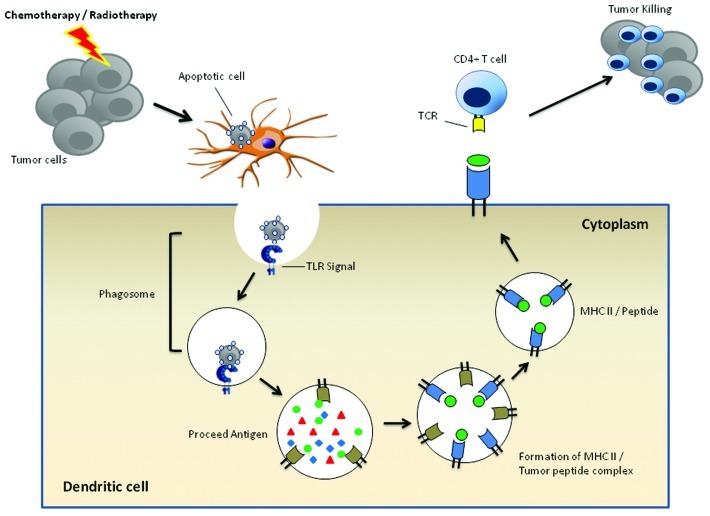
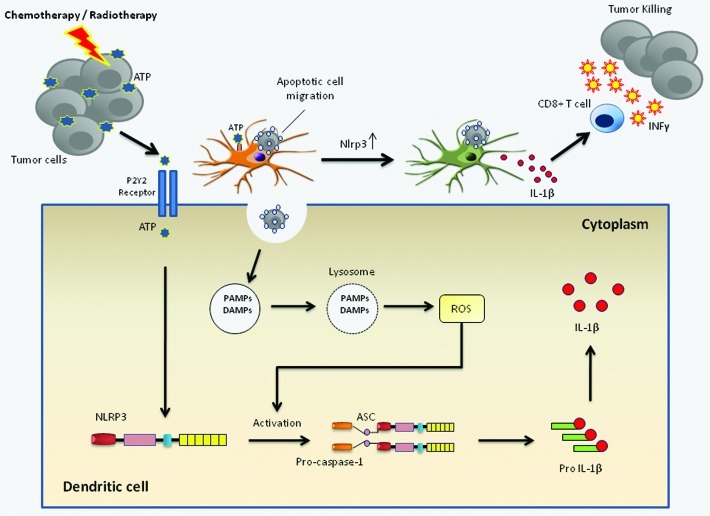
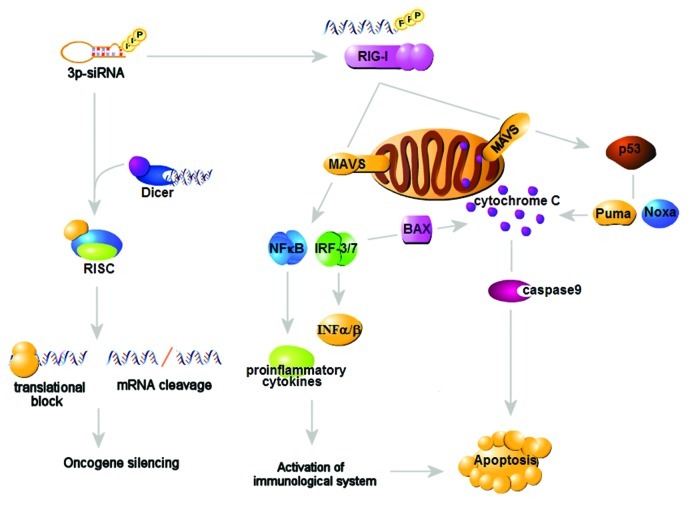
Innate immunity serves as a first line of defense against infectious agents, and germ-line-encoded pattern recognition receptors detect stressed and infected cells and elicit potent effector activities that accomplish efficient microbe containment. Recent evidence demonstrates that these pattern-sensing systems are also applicable to the recognition of tumor-derived stress-related factors. In particular, toll-like receptors and cytosolic sensors for DNA and RNA recognition utilize endogenous host elements containing microbial components, danger-associated molecules, and/or nucleic acids to stimulate innate signaling pathways and generate protective immune responses against nascent tumors in animal models and humans. In this review, we describe recent advances and perspectives about antitumor mechanisms and clinical application of innate immune signals and pathways.
先天免疫作为抵御感染因子的第一道防线,其胚系编码的模式识别受体可识别应激和感染的细胞,并引发有效的效应活性,从而有效控制微生物。最近的证据表明,这些模式感知系统也适用于识别肿瘤来源的与应激相关的因子。特别是,Toll 样受体和细胞质传感器可识别 DNA 和 RNA,它们利用含有微生物成分、危险相关分子和/或核酸的内源性宿主成分来刺激先天信号通路,并在动物模型和人类中产生针对新生肿瘤的保护性免疫反应。在这篇综述中,我们描述了先天免疫信号和途径的抗肿瘤机制和临床应用的最新进展和观点。