Department of Comparative Medicine, Stanford University, Stanford, CA 94305, United States.
Epilepsy Res. 2012 Dec;102(3):153-9. doi: 10.1016/j.eplepsyres.2012.05.012. Epub 2012 Jun 19.
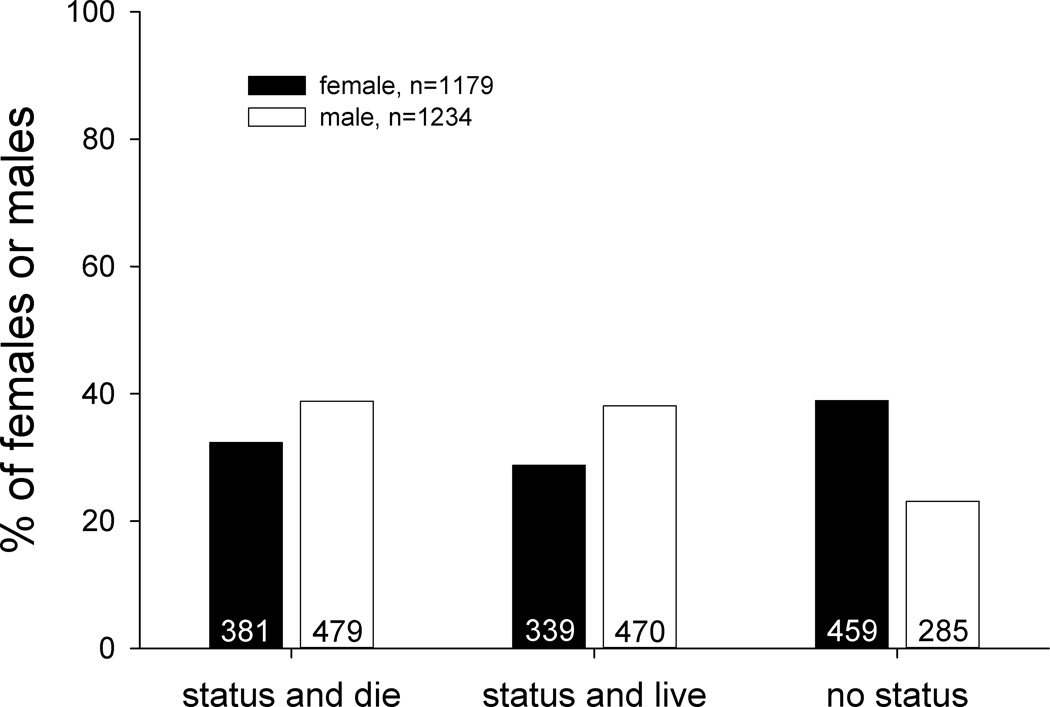
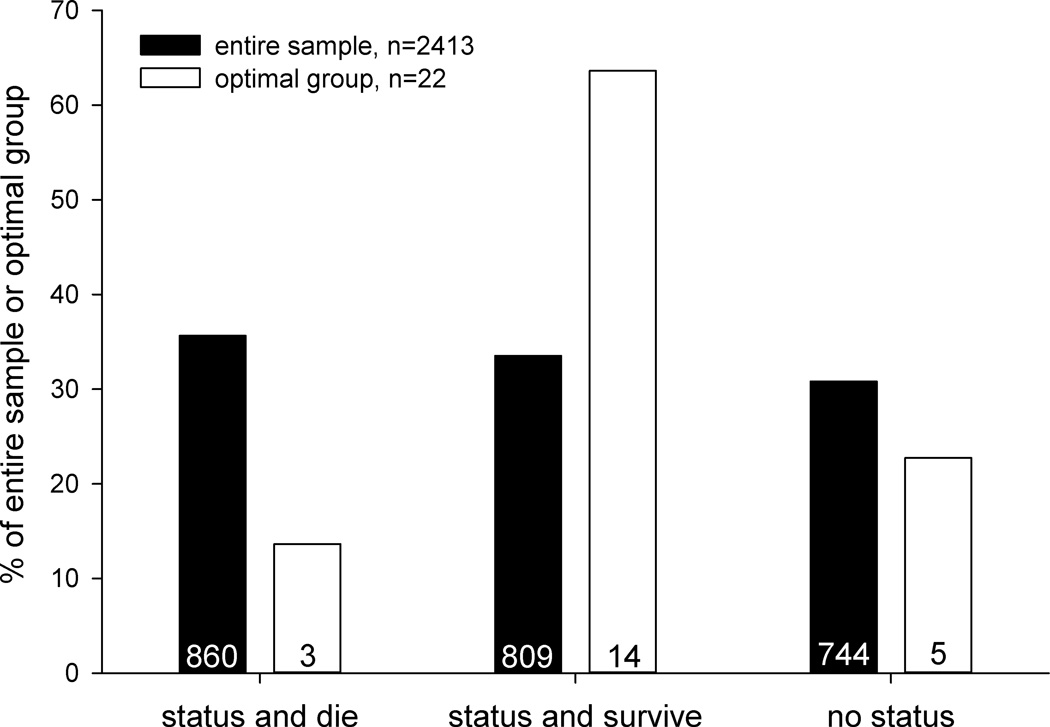
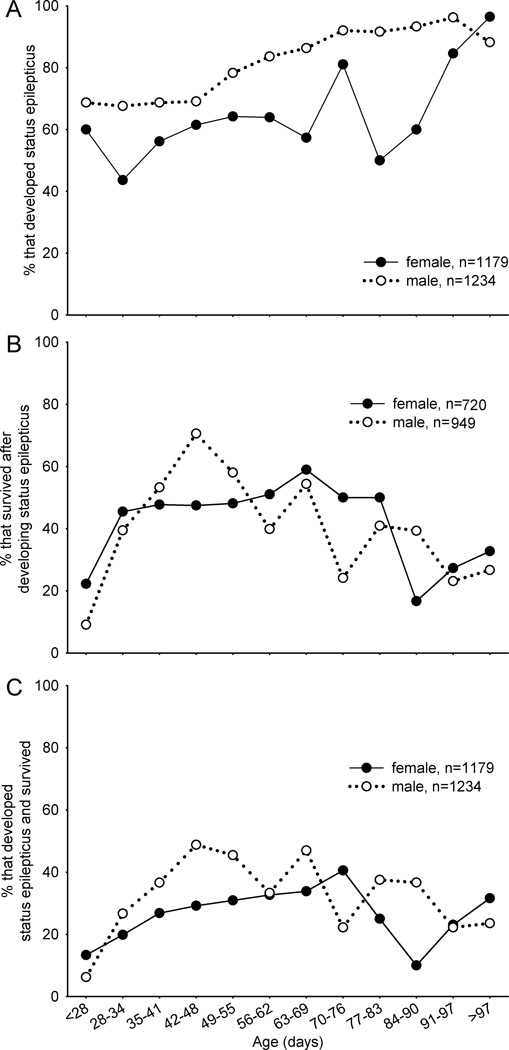
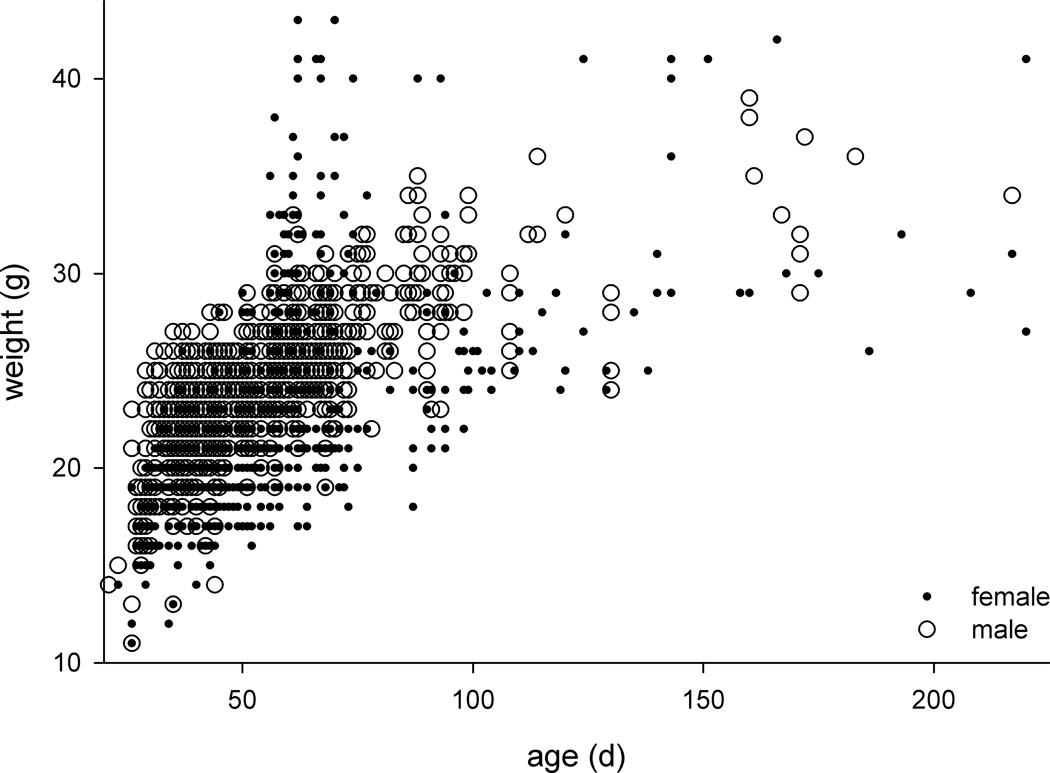
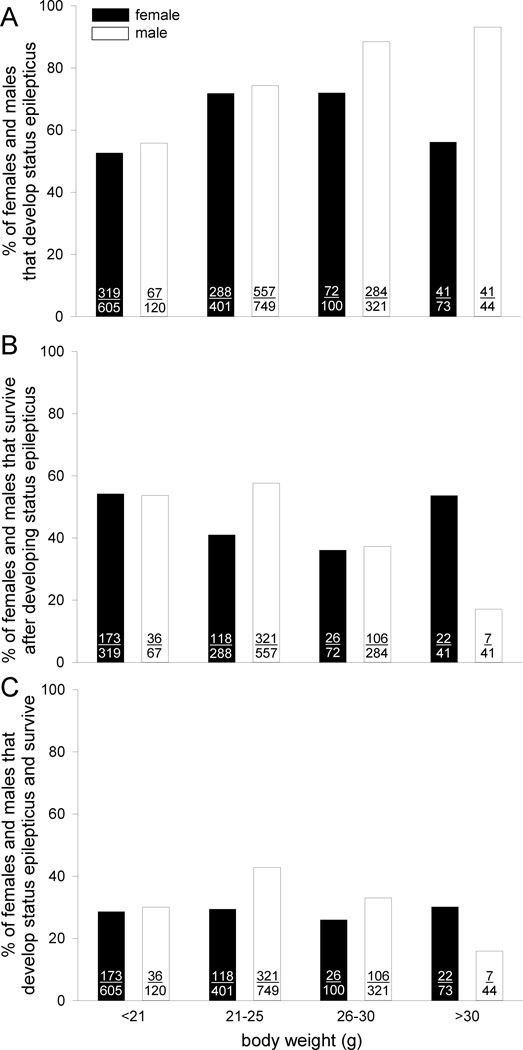
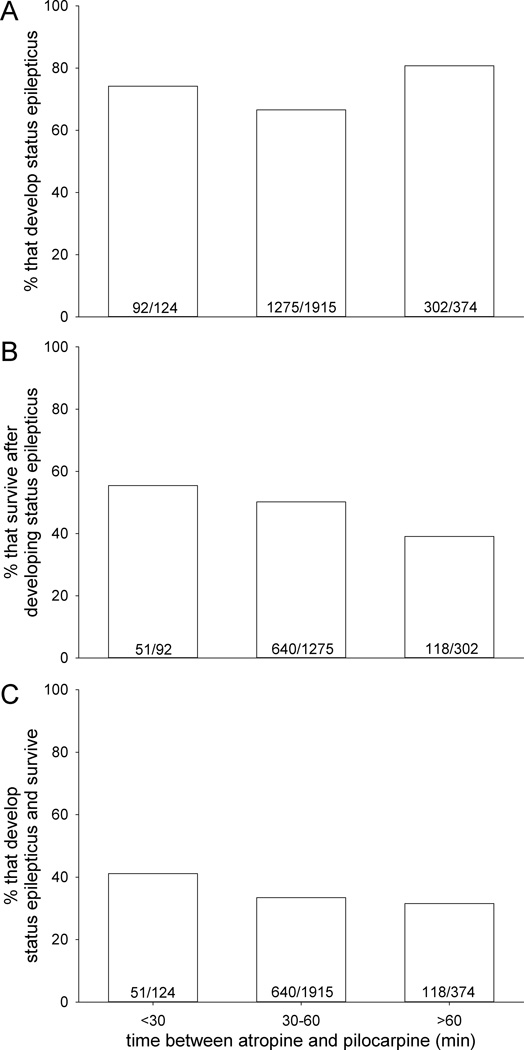
Pilocarpine-treated mice are an increasingly used model of temporal lobe epilepsy. However, outcomes of treatment can be disappointing, because many mice die or fail to develop status epilepticus. To improve animal welfare and outcomes of future experiments we analyzed results of previous pilocarpine treatments to identify factors that correlate with development of status epilepticus and survival. All treatments were performed by one investigator with mice of the FVB background strain. Results from 2413 mice were evaluated for effects of sex, age, body weight, and latency between administration of atropine methyl bromide and pilocarpine. All parameters correlated with effects on outcomes. Best results were obtained from male mice, 6-7 weeks old, and 21-25 g, with pilocarpine administered 18-30 min after atropine methyl bromide. In that group only 23% failed to develop status epilepticus, and 64% developed status epilepticus and survived. Those results are substantially better than that of the total sample in which 31% failed to develop status epilepticus and only 34% developed status epilepticus and survived.
匹罗卡品处理的小鼠是颞叶癫痫的一种越来越常用的模型。然而,治疗效果可能令人失望,因为许多小鼠死亡或未能发展为癫痫持续状态。为了提高动物福利和未来实验的结果,我们分析了以前匹罗卡品治疗的结果,以确定与癫痫持续状态发展和存活相关的因素。所有治疗均由一名研究人员在 FVB 背景品系的小鼠中进行。评估了 2413 只小鼠的性别、年龄、体重以及阿托品溴化物和匹罗卡品给药之间的潜伏期对结果的影响。所有参数均与治疗效果相关。雄性小鼠、6-7 周龄、21-25g 的效果最佳,在阿托品溴化物给药后 18-30 分钟给予匹罗卡品。在该组中,只有 23%的小鼠未能发展为癫痫持续状态,64%的小鼠发展为癫痫持续状态并存活下来。这些结果明显优于总样本的结果,其中 31%的小鼠未能发展为癫痫持续状态,只有 34%的小鼠发展为癫痫持续状态并存活下来。