Choi Hyung Soon, Yu Jeong Jin, Kim Young-Hwue, Ko Jae-Kon, Park In-Sook
Department of Pediatrics, Kosin University Gospel Hospital, Busan, Korea.
Korean J Pediatr. 2012 Jun;55(6):212-4. doi: 10.3345/kjp.2012.55.6.212. Epub 2012 Jun 21.
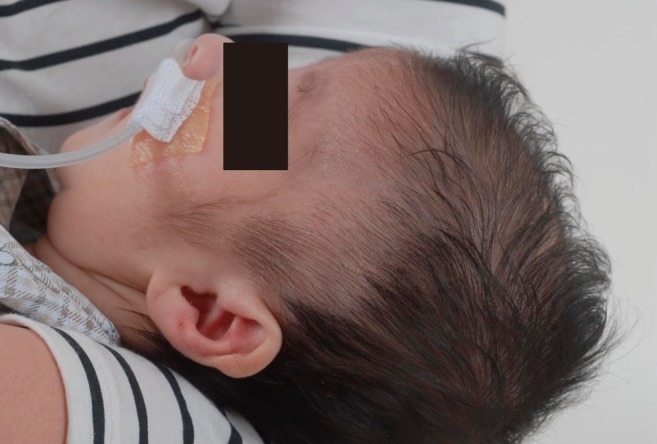
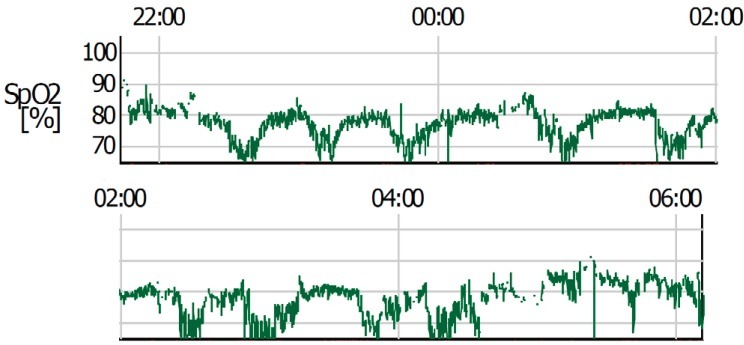
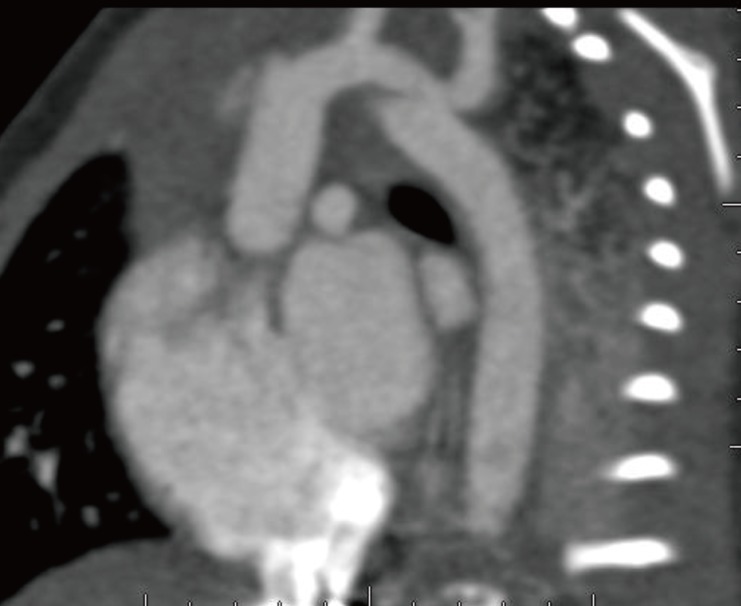
Rubinstein-Taybi syndrome (RTS) is characterized by peculiar facies, mental retardation, broad thumbs, and great toes. Approximately one-third of the affected individuals have a variety of congenital heart diseases. They can also have upper airway obstruction during sleep, due to hypotonia and the anatomy of the oropharynx and airway, which make these patients susceptible to obstructive sleep apnea (OSA). In our case, pulmonary hypertension was caused, successively, by congenital heart defects (a large patent ductus arteriosus and arch hypoplasia) and obstructive sleep apnea during early infancy. The congenital heart defects were surgically corrected, but persistent pulmonary hypertension was identified 2 months after the operation. This pulmonary hypertension was due to OSA, and it was relieved by nasal continuous positive airway pressure. This case is the first report of pulmonary hypertension from OSA in a young infant with RTS.
鲁宾斯坦-泰比综合征(RTS)的特征为特殊面容、智力发育迟缓、拇指及大脚趾粗大。约三分之一的受累个体患有多种先天性心脏病。由于肌张力减退以及口咽和气道的解剖结构,他们在睡眠期间也可能出现上呼吸道梗阻,这使得这些患者易患阻塞性睡眠呼吸暂停(OSA)。在我们的病例中,肺动脉高压先后由先天性心脏缺陷(大型动脉导管未闭和主动脉弓发育不全)以及婴儿早期的阻塞性睡眠呼吸暂停引起。先天性心脏缺陷通过手术得到纠正,但术后2个月发现持续性肺动脉高压。这种肺动脉高压是由OSA导致的,通过鼻持续气道正压通气得以缓解。该病例是关于RTS幼儿因OSA导致肺动脉高压的首例报告。