Institute of Resource Biology and Biotechnology, Department of Biotechnology, College of Life Science and Technology, Huazhong University of Science and Technology, Wuhan, China.
BMC Genomics. 2012 Jul 2;13:295. doi: 10.1186/1471-2164-13-295.
Methyl jasmonate (MeJA) has been successfully used as an effective elicitor to enhance production of taxol and other taxanes in cultured Taxus cells. However the mechanism of MeJA-mediated taxane biosynthesis remains unclear. Genomic information for species in the genus Taxus is currently unavailable. Therefore, information about the transcriptome of Taxus cells and specifically, description of changes in gene expression in response to MeJA, is needed for the better exploration of the biological mechanisms of MeJA-mediated taxane biosynthesis.
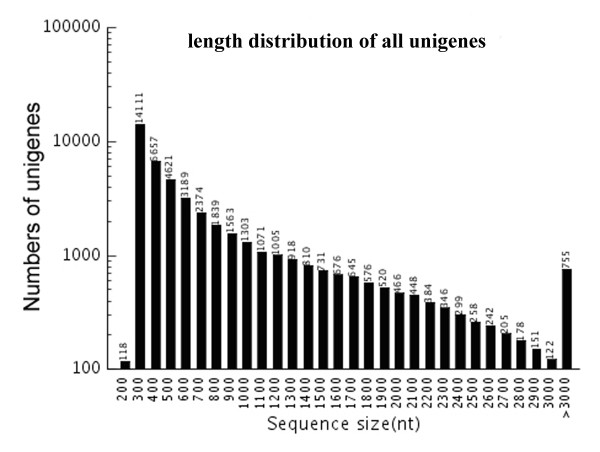
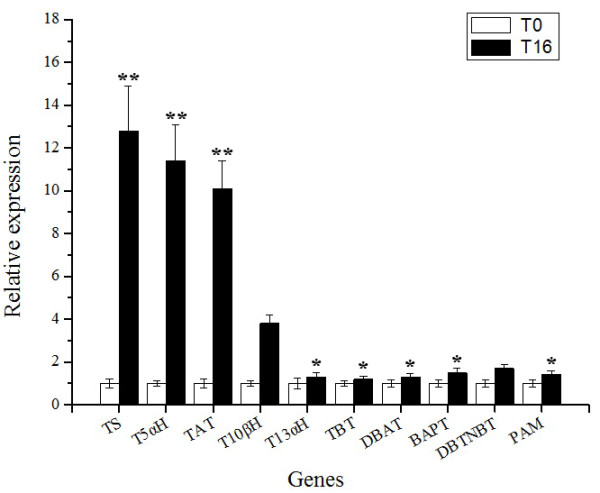
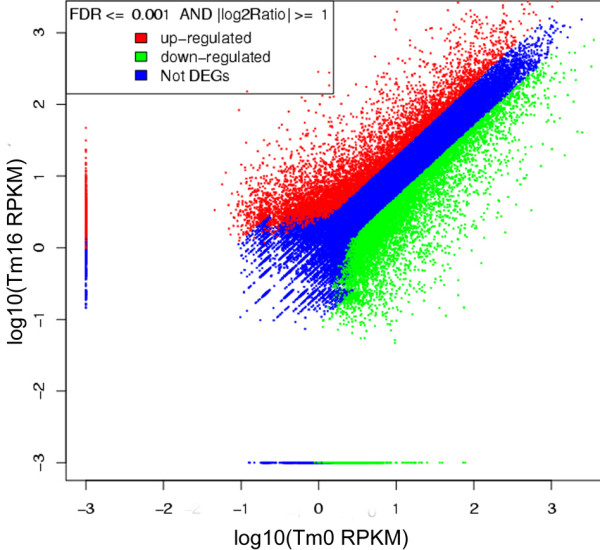
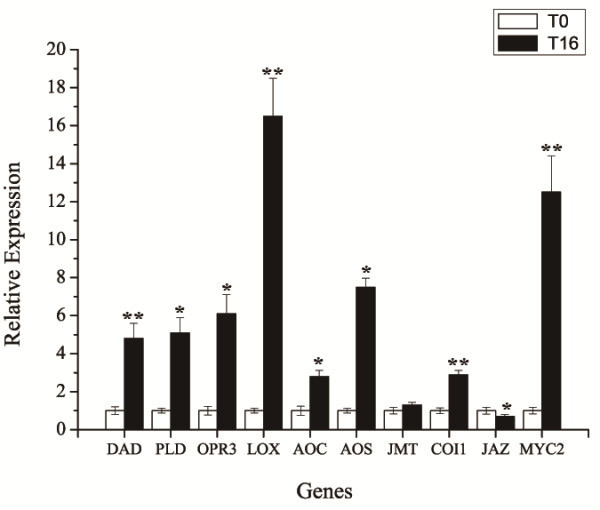
In this research, the transcriptome profiles of T. chinensis cells at 16 hours (T16) after MeJA treatment and of mock-treated cells (T0) were analyzed by "RNA-seq" to investigate the transcriptional alterations of Taxus cell in response to MeJA elicitation. More than 58 million reads (200 bp in length) of cDNA from both samples were generated, and 46,581 unigenes were found. There were 13,469 genes found to be expressed differentially between the two timepoints, including all of the known jasmonate (JA) biosynthesis/JA signaling pathway genes and taxol-related genes. The qRT-PCR results showed that the expression profiles of 12 randomly selected DEGs and 10 taxol biosynthesis genes were found to be consistent with the RNA-Seq data. MeJA appeared to stimulate a large number of genes involved in several relevant functional categories, such as plant hormone biosynthesis and phenylpropanoid biosynthesis. Additionally, many genes encoding transcription factors were shown to respond to MeJA elicitation.
The results of a transcriptome analysis suggest that exogenous application of MeJA could induce JA biosynthesis/JA signaling pathway/defence responses, activate a series of transcription factors, as well as increase expression of genes in the terpenoid biosynthesis pathway responsible for taxol synthesis. This comprehensive description of gene expression information could greatly facilitate our understanding of the molecular mechanisms of MeJA-mediated taxane biosynthesis in Taxus cells.
茉莉酸甲酯(MeJA)已成功用作增强培养的 Taxus 细胞中紫杉醇和其他紫杉烷类产量的有效诱导剂。然而,MeJA 介导的紫杉烷生物合成的机制尚不清楚。目前,红豆杉属物种的基因组信息不可用。因此,需要了解 Taxus 细胞的转录组信息,特别是描述 MeJA 处理后基因表达的变化,以便更好地探索 MeJA 介导的紫杉烷生物合成的生物学机制。
在这项研究中,通过“RNA-seq”分析 MeJA 处理后 16 小时(T16)的 T. chinensis 细胞和对照处理细胞(T0)的转录组谱,以研究 Taxus 细胞对 MeJA 诱导的转录变化。从两个样品中生成了超过 5800 万个 cDNA 读取(长度为 200bp),并发现了 46581 个单体。在两个时间点之间发现有 13469 个基因表达差异,包括所有已知的茉莉酸(JA)生物合成/JA 信号通路基因和紫杉醇相关基因。qRT-PCR 结果表明,随机选择的 12 个 DEG 和 10 个紫杉醇生物合成基因的表达谱与 RNA-Seq 数据一致。MeJA 似乎刺激了大量参与几个相关功能类别的基因,如植物激素生物合成和苯丙烷生物合成。此外,许多编码转录因子的基因对 MeJA 诱导表现出响应。
转录组分析的结果表明,外源施加 MeJA 可以诱导 JA 生物合成/JA 信号通路/防御反应,激活一系列转录因子,并增加负责紫杉醇合成的萜类生物合成途径中的基因表达。这一全面描述的基因表达信息将极大地促进我们对 Taxus 细胞中 MeJA 介导的紫杉烷生物合成的分子机制的理解。