Hussein-Al-Ali Samer Hasan, Al-Qubaisi Mothanna, Hussein Mohd Zobir, Ismail Maznah, Zainal Zulkarnain, Hakim Muhammad Nazrul
Department of Chemistry, Faculty of Science, Universiti Putra Malaysia, Selangor 43400, Malaysia.
Laboratory of Molecular Biomedicine, Institute of Bioscience, Universiti Putra Malaysia, Selangor 43400, Malaysia.
Int J Mol Sci. 2012;13(5):5899-5916. doi: 10.3390/ijms13055899. Epub 2012 May 16.
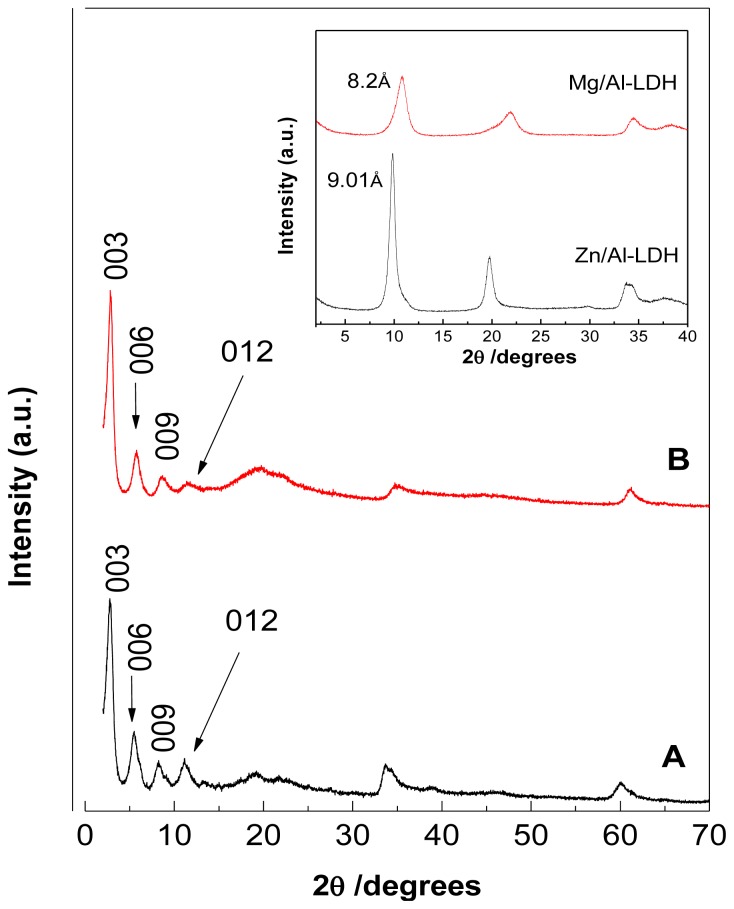
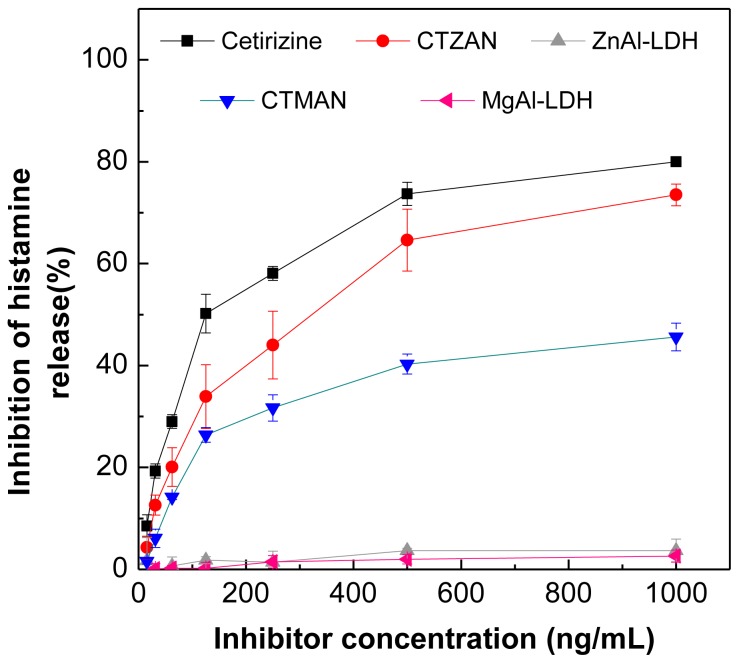
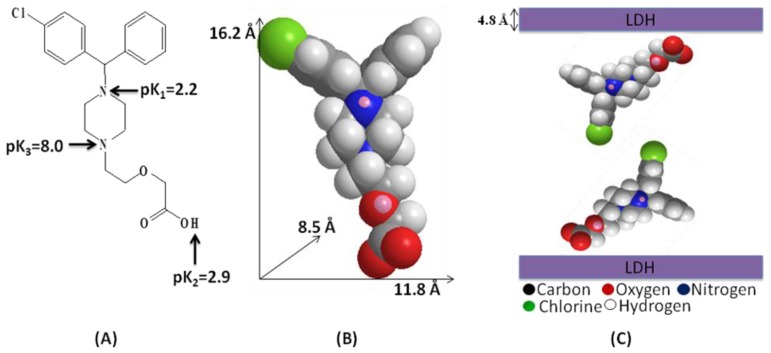
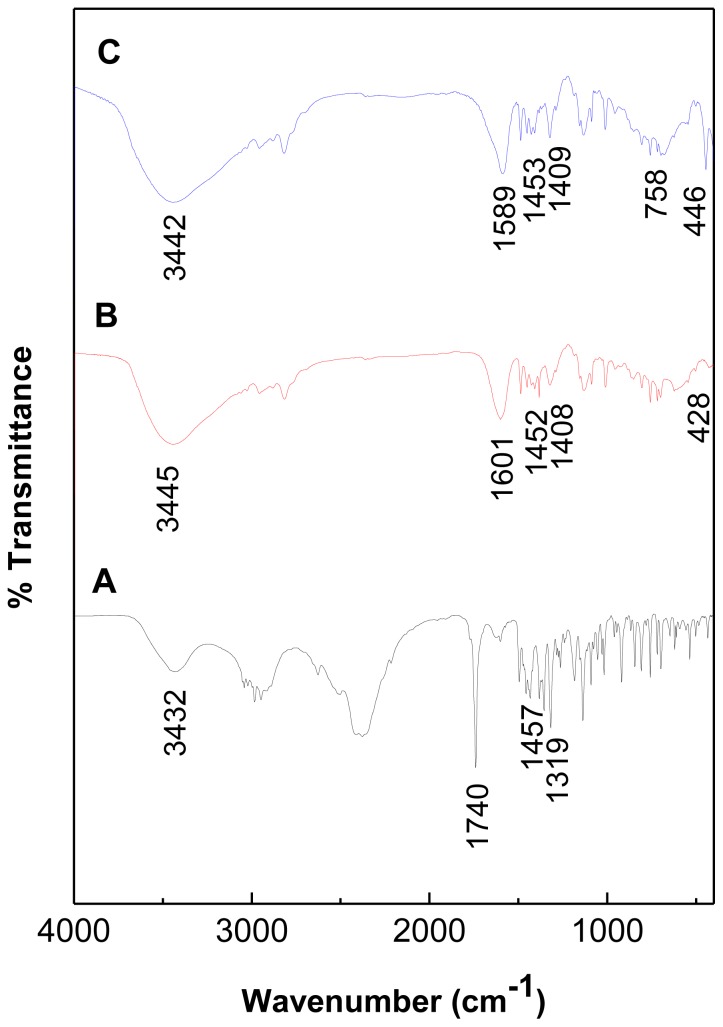
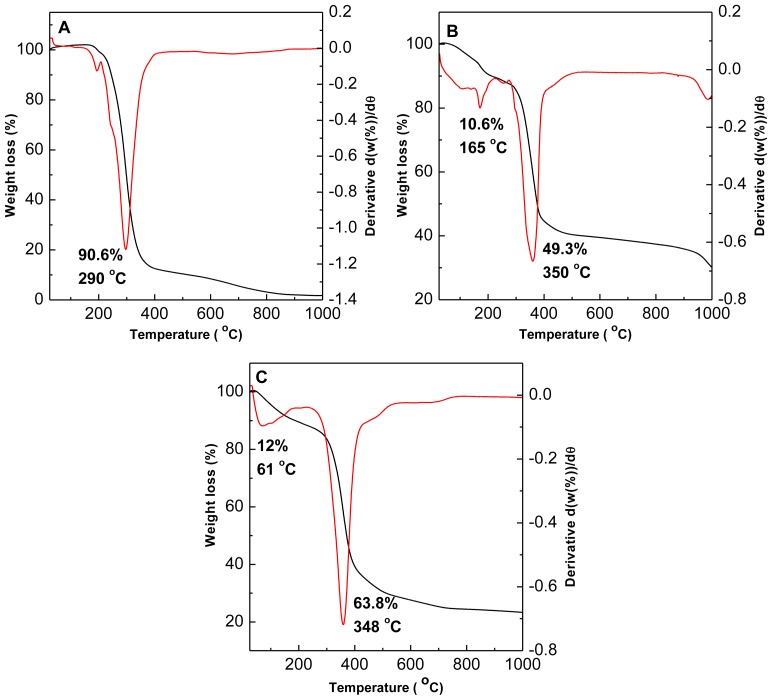
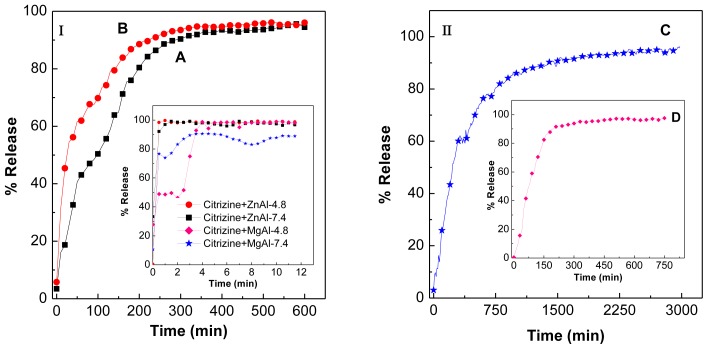
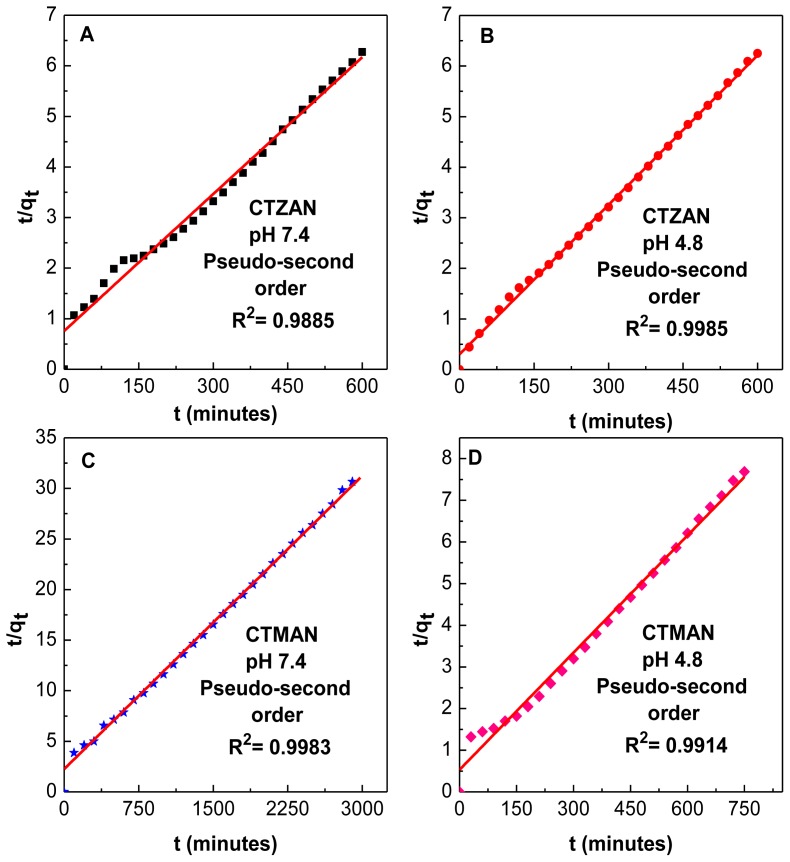
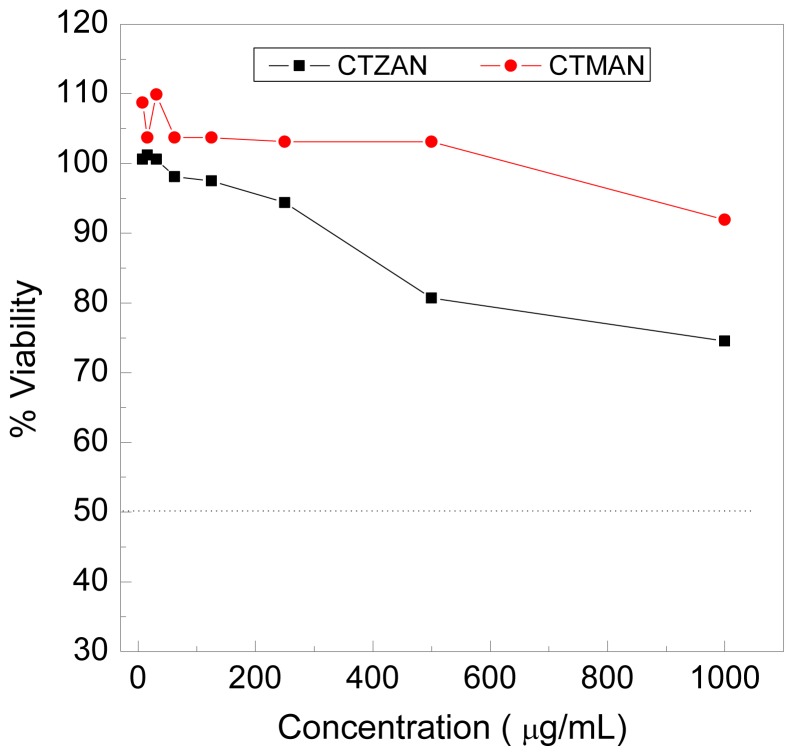
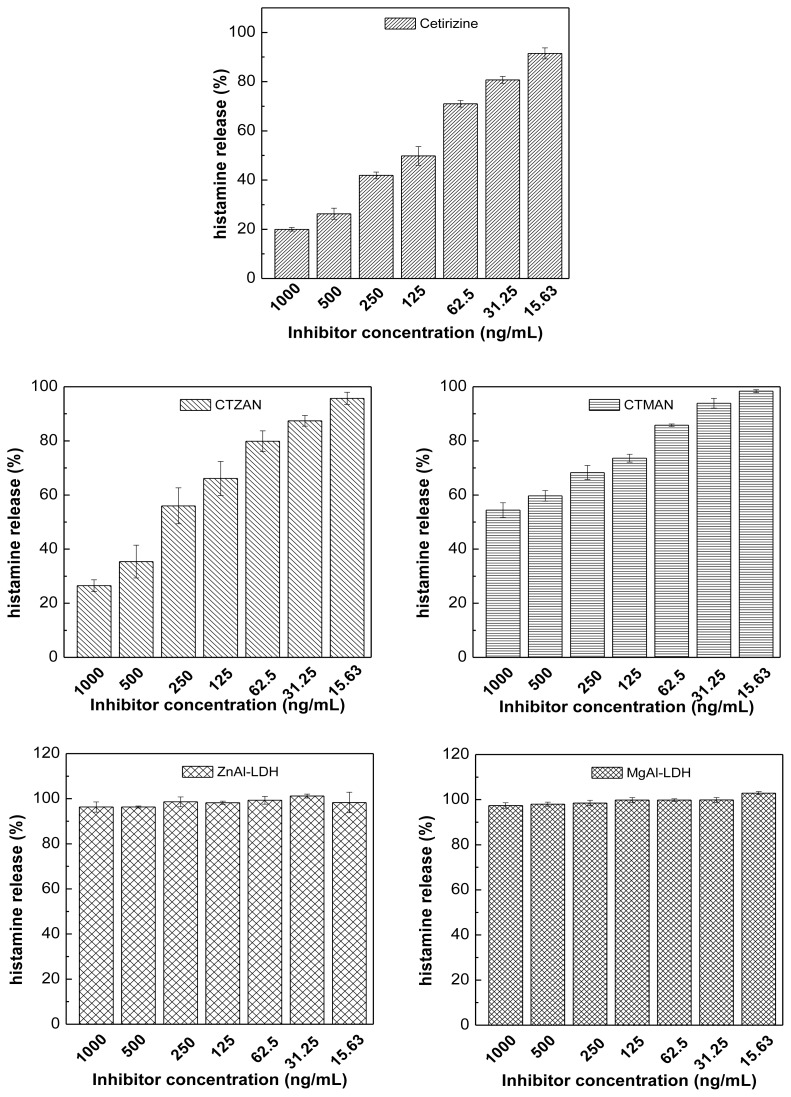
The intercalation of cetirizine into two types of layered double hydroxides, Zn/Al and Mg/Al, has been investigated by the ion exchange method to form CTZAN and CTMAN nanocomposites, respectively. The basal spacing of the nanocomposites were expanded to 31.9 Å for CTZAN and 31.2 Å for CTMAN, suggesting that cetirizine anion was intercalated into Layered double hydroxides (LDHs) and arranged in a tilted bilayer fashion. A Fourier transform infrared spectroscopy (FTIR) study supported the formation of both the nanocomposites, and the intercalated cetirizine is thermally more stable than its counterpart in free state. The loading of cetirizine in the nanocomposite was estimated to be about 57.2% for CTZAN and 60.7% CTMAN. The cetirizine release from the nanocomposites show sustained release manner and the release rate of cetirizine from CTZAN and CTMAN nanocomposites at pH 7.4 is remarkably lower than that at pH 4.8, presumably due to the different release mechanism. The inhibition of histamine release from RBL2H3 cells by the free cetirizine is higher than the intercalated cetirizine both in CTZAN and CTMAN nanocomposites. The viability in human Chang liver cells at 1000 μg/mL for CTZAN and CTMAN nanocomposites are 74.5 and 91.9%, respectively.
通过离子交换法研究了西替利嗪插入两种层状双氢氧化物(Zn/Al和Mg/Al)中,分别形成CTZAN和CTMAN纳米复合材料。CTZAN纳米复合材料的层间距扩大到31.9 Å,CTMAN纳米复合材料的层间距扩大到31.2 Å,这表明西替利嗪阴离子插入到层状双氢氧化物(LDHs)中,并以倾斜双层的方式排列。傅里叶变换红外光谱(FTIR)研究支持了两种纳米复合材料的形成,并且插入的西替利嗪在热稳定性上比其游离状态下的对应物更高。CTZAN中估计西替利嗪在纳米复合材料中的负载量约为57.2%,CTMAN中为60.7%。纳米复合材料中西替利嗪的释放呈现持续释放方式,在pH 7.4时,CTZAN和CTMAN纳米复合材料中西替利嗪的释放速率明显低于pH 4.8时的释放速率,这可能是由于释放机制不同。游离西替利嗪对RBL2H3细胞组胺释放的抑制作用高于CTZAN和CTMAN纳米复合材料中插入的西替利嗪。CTZAN和CTMAN纳米复合材料在1000 μg/mL时对人Chang肝细胞的活力分别为74.5%和91.9%。