Troedhan A, Kurrek A, Wainwright M
Center for Facial Esthetics Vienna, Brauhausgasse 12-14, 1050 Vienna, Austria.
Int J Dent. 2012;2012:576238. doi: 10.1155/2012/576238. Epub 2012 Jun 17.
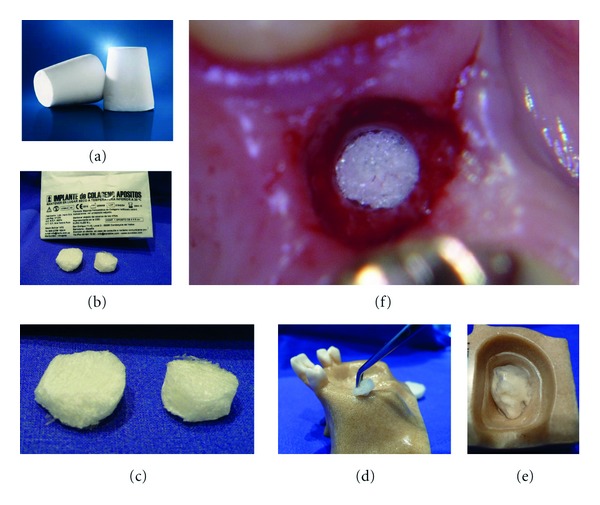
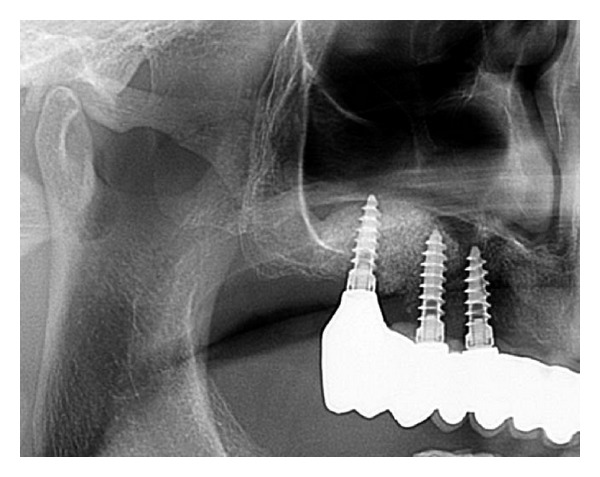
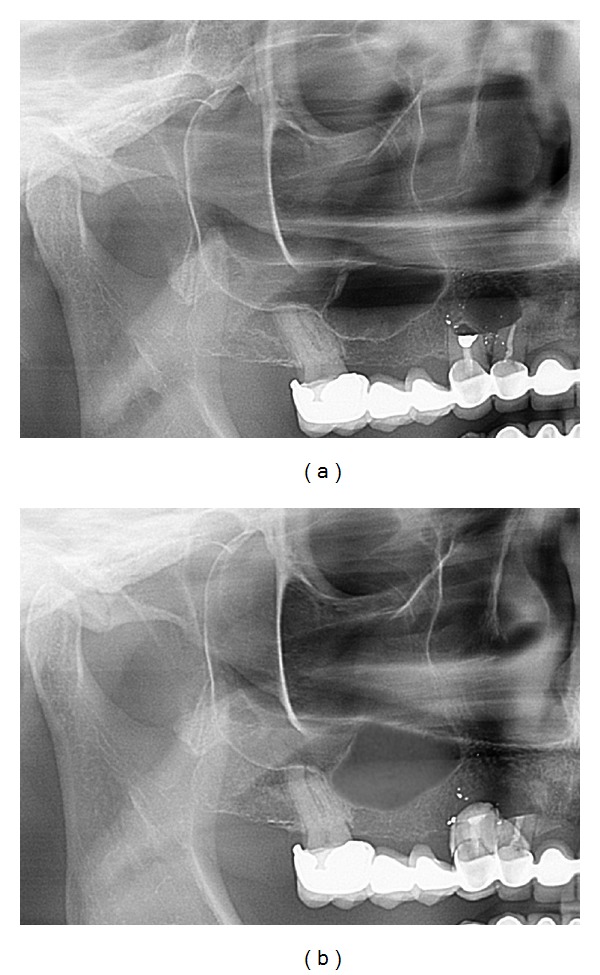
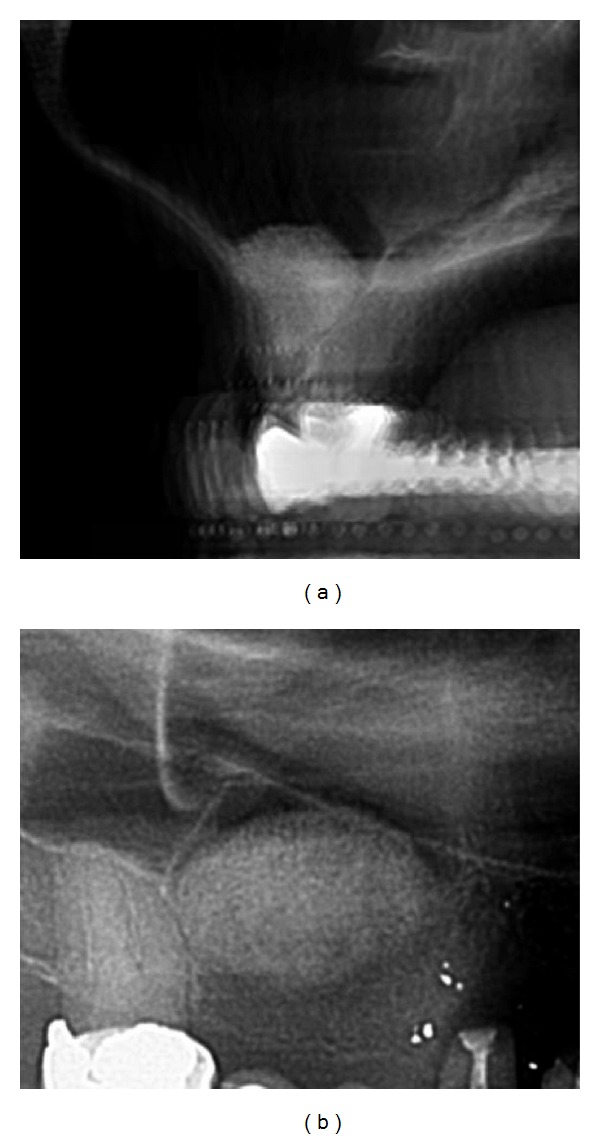
Introduction. Sinus lift procedures are a commonly accepted method of bone augmentation in the lateral maxilla with clinically good results. Nevertheless the role of the Schneiderian membrane in the bone-reformation process is discussed controversially. Aim of this study was to prove the key role of the sinus membrane in bone reformation in vivo. Material and Methods. 14 patients were treated with the minimal invasive tHUCSL-Intralift, and 2 ccm collagenous sponges were inserted subantrally and the calcification process followed up with CBCT scans 4 and 7 months after surgery. Results. An even and circular centripetal calcification under the sinus membrane and the antral floor was detected 4 months after surgery covering 30% of the entire augmentation width/height/depth at each wall. The calcification process was completed in the entire augmentation volume after 7 months. A loss of approximately 13% of absolute augmentation height was detected between the 4th and 7th month. Discussion. The results of this paper prove the key role of the sinus membrane as the main carrier of bone reformation after sinus lift procedures as multiple experimental studies suggested. Thus the importance of minimal invasive and rupture free sinuslift procedures is underlined and does not depend on the type of grafting material used.
引言。上颌窦提升术是上颌骨外侧常用的骨增量方法,临床效果良好。然而,关于施奈德膜在骨改建过程中的作用存在争议。本研究的目的是在体内证实上颌窦膜在骨改建中的关键作用。材料与方法。14例患者接受了微创经鼻上颌窦内提升术(tHUCSL-Intralift),将2立方厘米的胶原海绵植入上颌窦底,并在术后4个月和7个月通过锥形束计算机断层扫描(CBCT)追踪钙化过程。结果。术后4个月,在上颌窦膜和窦底下方检测到均匀的向心性钙化,覆盖每壁整个增量宽度/高度/深度的30%。钙化过程在7个月后在整个增量区域内完成。在第4个月至第7个月期间,检测到绝对增量高度损失约13%。讨论。本文结果证实了上颌窦膜作为上颌窦提升术后骨改建主要载体的关键作用,正如多项实验研究所表明的那样。因此,强调了微创且无破裂的上颌窦提升术的重要性,且其不依赖于所用移植材料的类型。