Faculty of Physics and Electronic Technology, Hubei University, Wuhan 430062, China.
Sensors (Basel). 2012;12(5):5517-50. doi: 10.3390/s120505517. Epub 2012 Apr 30.
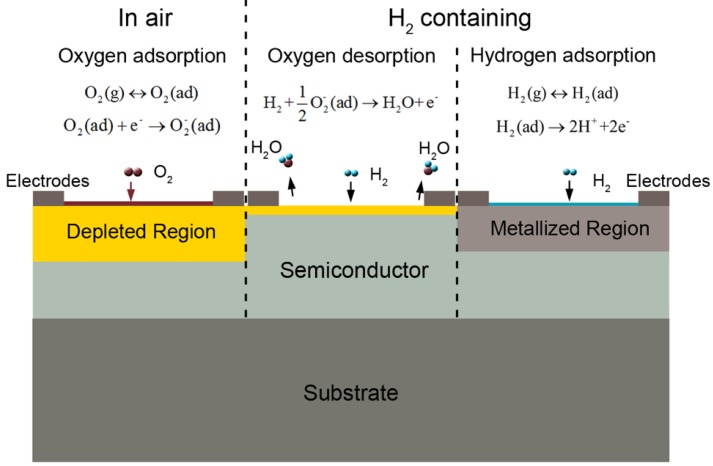
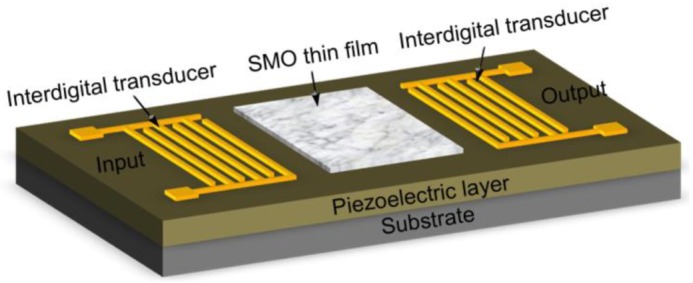
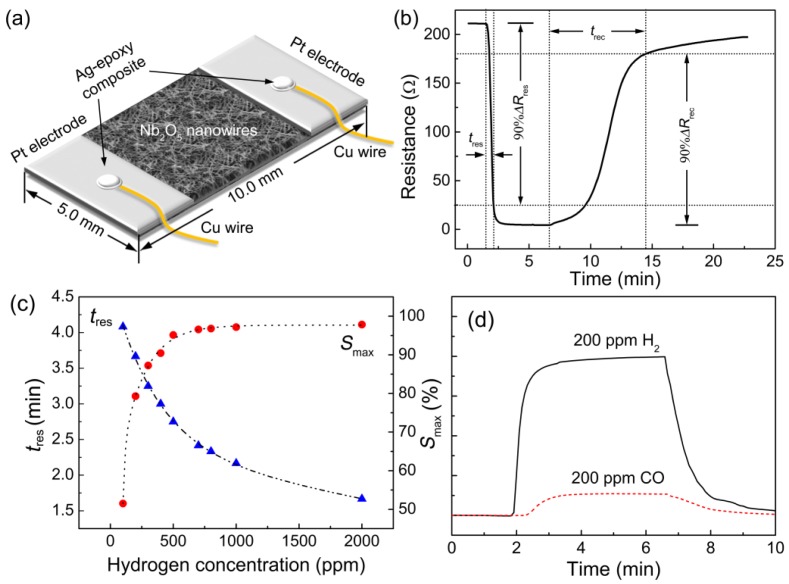
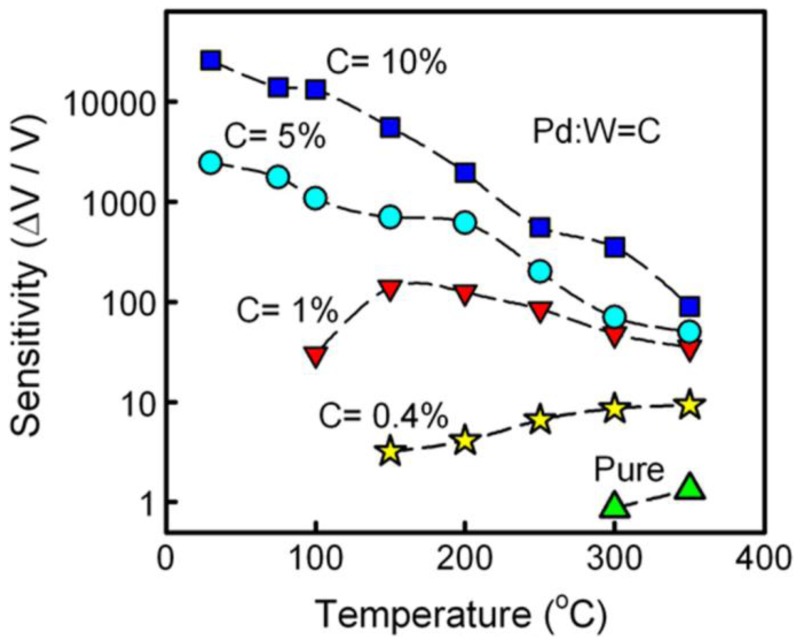
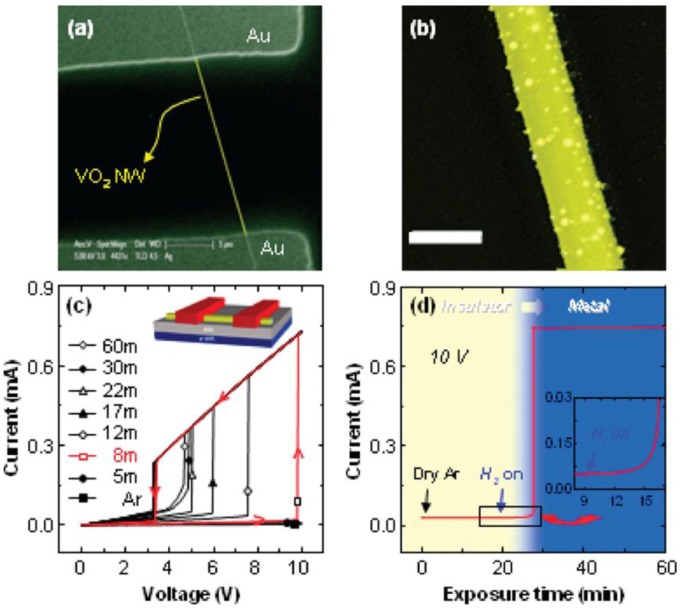
Recently, the hydrogen gas sensing properties of semiconductor oxide (SMO) nanostructures have been widely investigated. In this article, we provide a comprehensive review of the research progress in the last five years concerning hydrogen gas sensors based on SMO thin film and one-dimensional (1D) nanostructures. The hydrogen sensing mechanism of SMO nanostructures and some critical issues are discussed. Doping, noble metal-decoration, heterojunctions and size reduction have been investigated and proved to be effective methods for improving the sensing performance of SMO thin films and 1D nanostructures. The effect on the hydrogen response of SMO thin films and 1D nanostructures of grain boundary and crystal orientation, as well as the sensor architecture, including electrode size and nanojunctions have also been studied. Finally, we also discuss some challenges for the future applications of SMO nanostructured hydrogen sensors.
最近,半导体氧化物(SMO)纳米结构的氢气传感性能得到了广泛的研究。本文对过去五年中基于 SMO 薄膜和一维(1D)纳米结构的氢气传感器的研究进展进行了全面回顾。讨论了 SMO 纳米结构的氢气传感机制和一些关键问题。掺杂、贵金属修饰、异质结和尺寸减小已被研究并被证明是提高 SMO 薄膜和 1D 纳米结构传感性能的有效方法。还研究了晶粒间界和晶体取向对 SMO 薄膜和 1D 纳米结构的氢气响应的影响,以及传感器结构,包括电极尺寸和纳结。最后,我们还讨论了 SMO 纳米结构氢气传感器未来应用的一些挑战。