Department of General and Transplantation Surgery, University of Heidelberg, Heidelberg, D-69120 Germany.
J Immunol. 2012 Aug 15;189(4):1955-65. doi: 10.4049/jimmunol.1103471. Epub 2012 Jul 11.
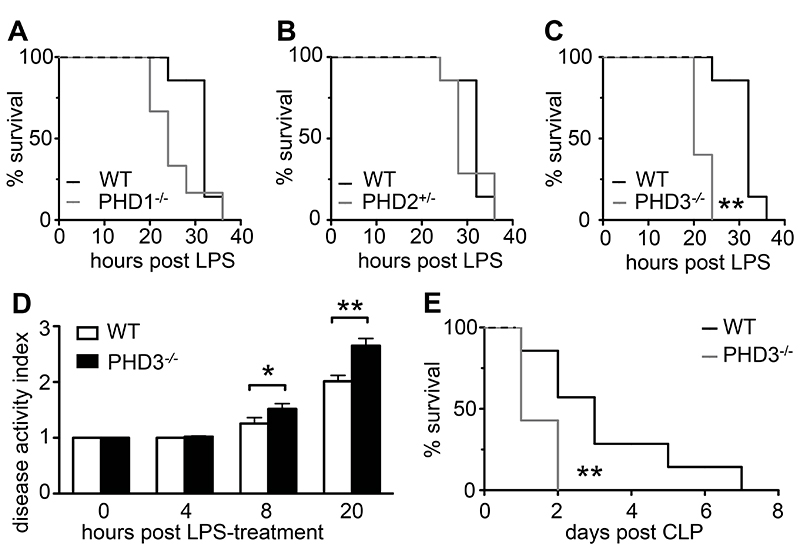
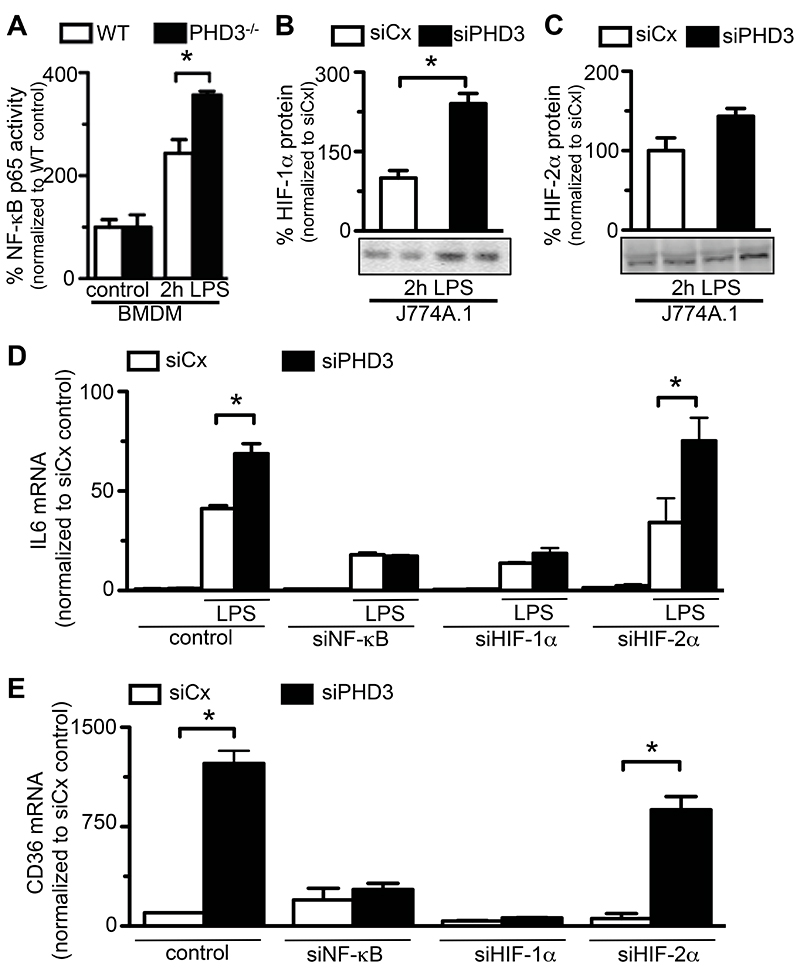
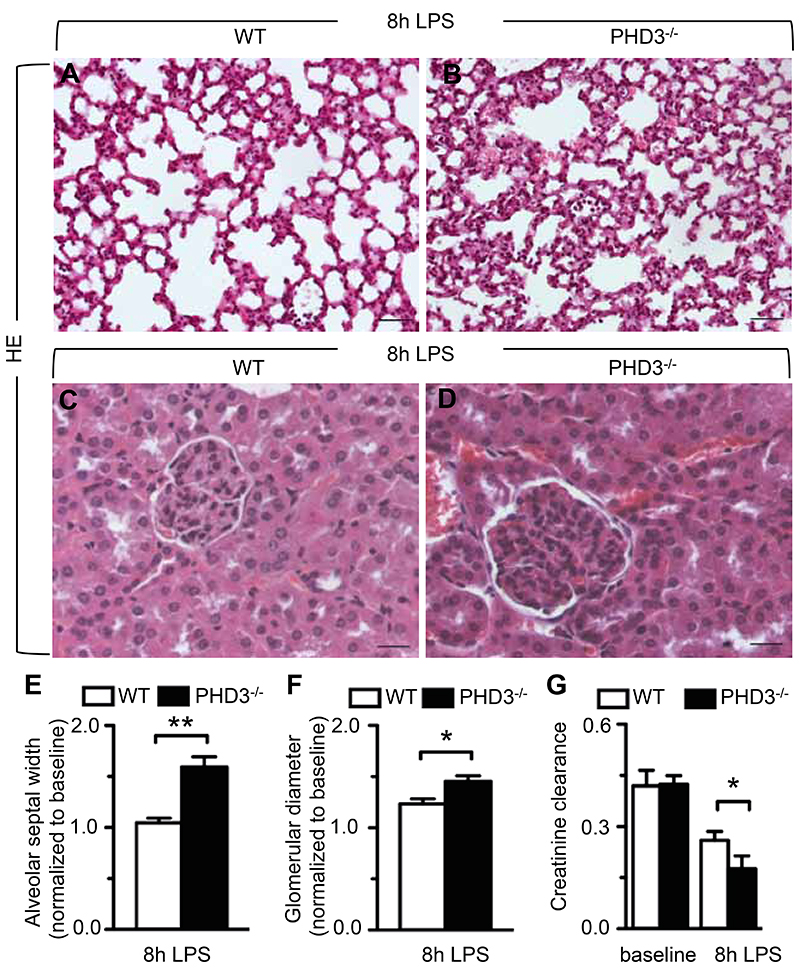
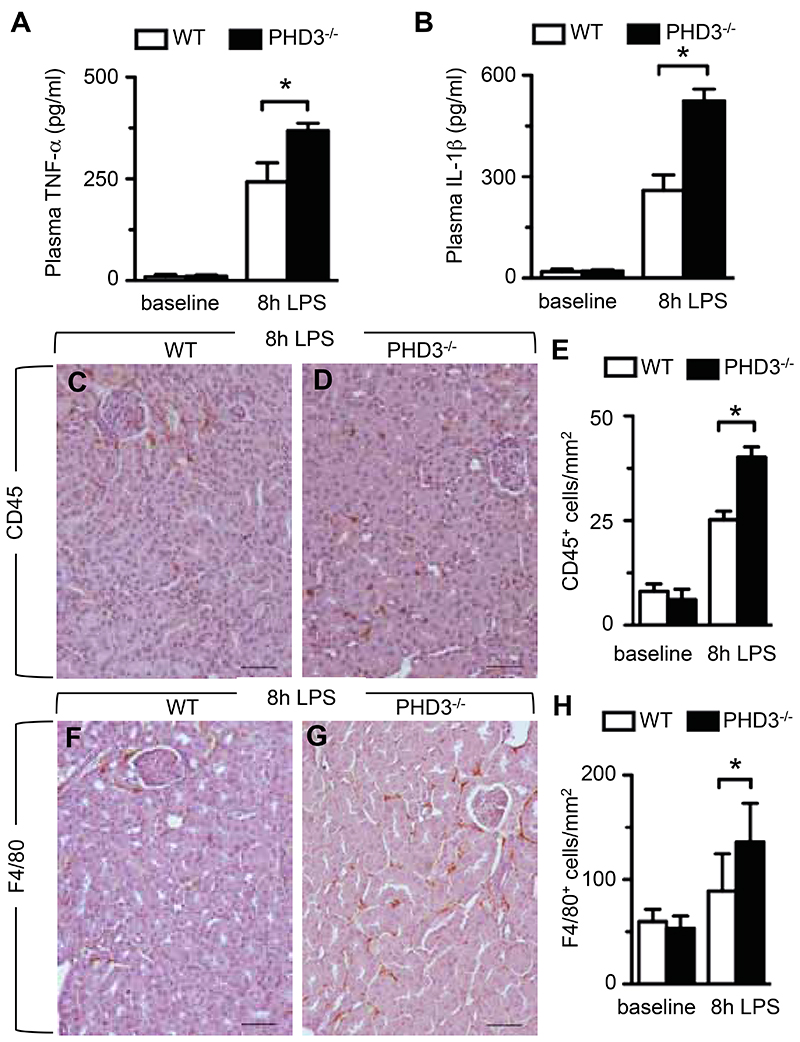
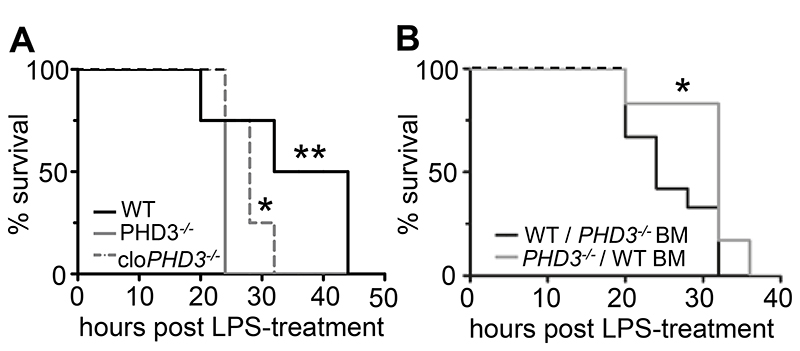
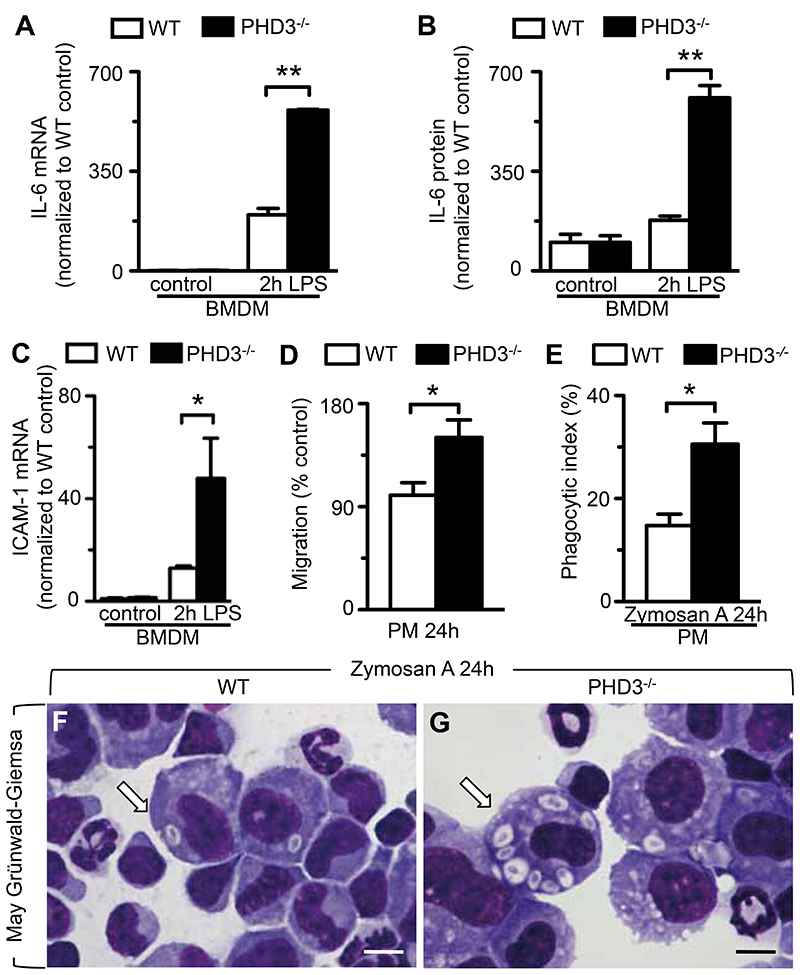
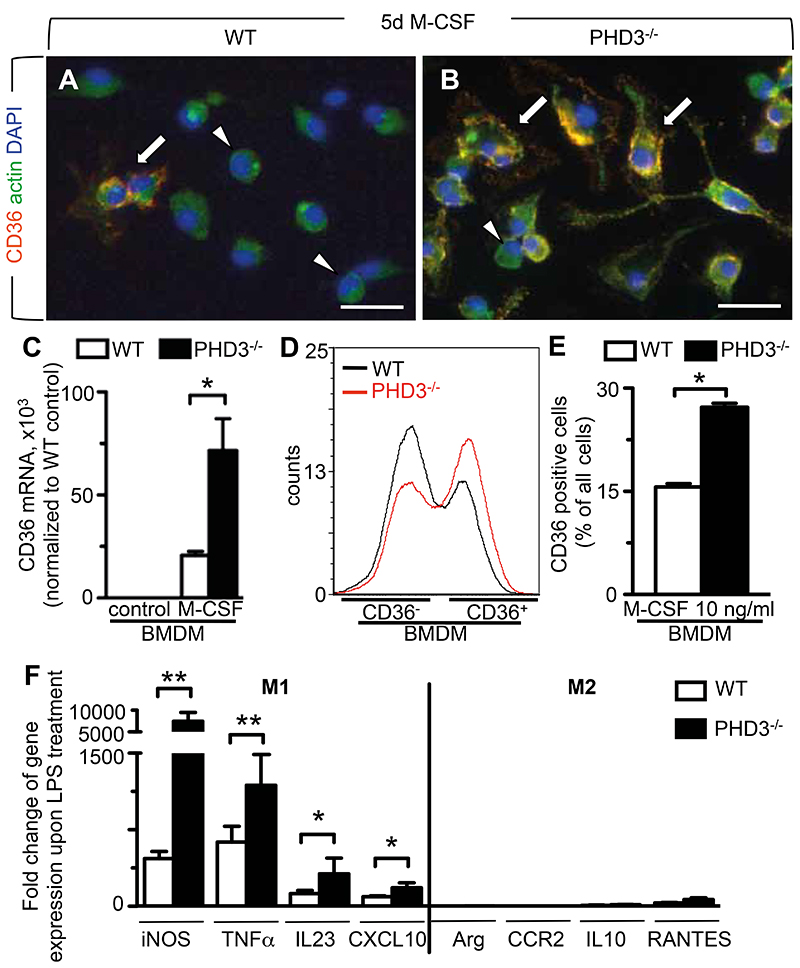
Hypoxia and HIFs (HIF-1α and HIF-2α) modulate innate immune responses in the setting of systemic inflammatory responses and sepsis. The HIF prolyl hydroxylase enzymes PHD1, PHD2 and PHD3 regulate the mammalian adaptive response to hypoxia; however, their significance in the innate immune response has not been elucidated. We demonstrate in this study that deficiency of PHD3 (PHD3(-/-)) specifically shortens the survival of mice subjected to various models of abdominal sepsis because of an overwhelming innate immune response, leading to premature organ dysfunction. By contrast, this phenotype was absent in mice deficient for PHD1 (PHD1(-/-)) or PHD2 (PHD2(+/-)). In vivo, plasma levels of proinflammatory cytokines were enhanced, and recruitment of macrophages to internal organs was increased in septic PHD3-deficient mice. Reciprocal bone marrow transplantation in sublethally irradiated mice revealed that enhanced susceptibility of PHD3-deficient mice to sepsis-related lethality was specifically caused by loss of PHD3 in myeloid cells. Several in vitro assays revealed enhanced cytokine production, migration, phagocytic capacity, and proinflammatory activation of PHD3-deficient macrophages. Increased proinflammatory activity of PHD3-deficient macrophages occurred concomitantly with enhanced HIF-1α protein stabilization and increased NF-κB activity, and interference with the expression of HIF-1α or the canonical NF-κB pathway blunted their proinflammatory phenotype. It is concluded that impairment of PHD3 enzyme function aggravates the clinical course of abdominal sepsis via HIF-1α- and NF-κB-mediated enhancement of the innate immune response.
缺氧和低氧诱导因子(HIF-1α 和 HIF-2α)调节全身炎症反应和败血症中的固有免疫反应。HIF 脯氨酰羟化酶 PHD1、PHD2 和 PHD3 调节哺乳动物对缺氧的适应性反应;然而,它们在固有免疫反应中的意义尚未阐明。我们在这项研究中证明,PHD3 缺陷(PHD3(-/-))特异性缩短了各种腹部败血症模型中小鼠的存活时间,因为它们受到压倒性的固有免疫反应的影响,导致过早的器官功能障碍。相比之下,PHD1 缺陷(PHD1(-/-))或 PHD2 缺陷(PHD2(+/-))的小鼠则没有这种表型。在体内,败血症 PHD3 缺陷小鼠的促炎细胞因子水平升高,巨噬细胞向内脏器官的募集增加。亚致死辐射小鼠的骨髓细胞回输显示,PHD3 缺陷小鼠对败血症相关致死性的易感性增强是由于髓系细胞中 PHD3 的缺失所致。几项体外试验表明,PHD3 缺陷的巨噬细胞细胞因子产生、迁移、吞噬能力和促炎激活增强。PHD3 缺陷的巨噬细胞的促炎活性增加与 HIF-1α 蛋白稳定性的增强和 NF-κB 活性的增加同时发生,并且干扰 HIF-1α 或经典 NF-κB 途径的表达减弱了它们的促炎表型。结论是,PHD3 酶功能的损害通过 HIF-1α 和 NF-κB 介导的固有免疫反应增强加重了腹部败血症的临床病程。