Department of Botany and Plant Pathology and Center for Genome Research and Biocomputing, Oregon State University, Corvallis, Oregon, United States of America.
PLoS One. 2012;7(7):e40240. doi: 10.1371/journal.pone.0040240. Epub 2012 Jul 6.
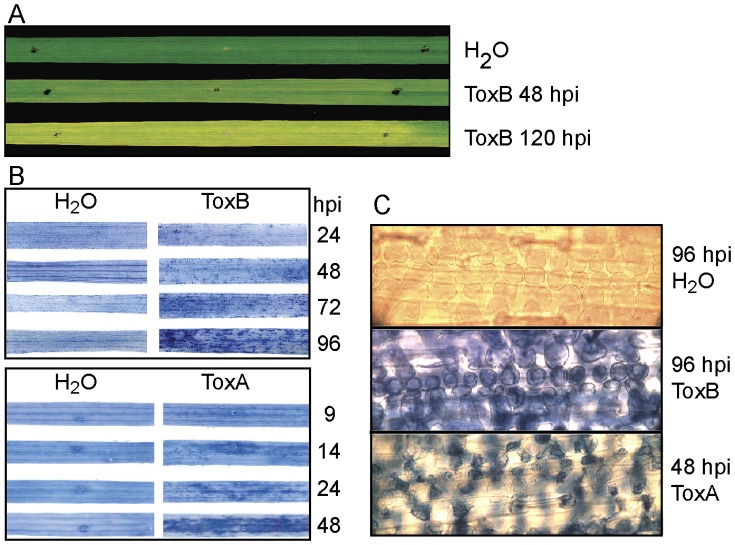
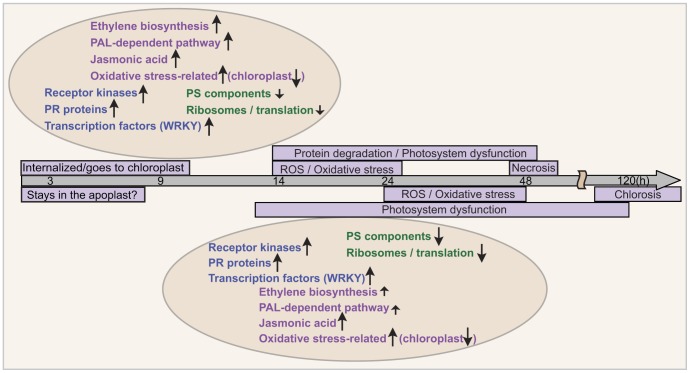
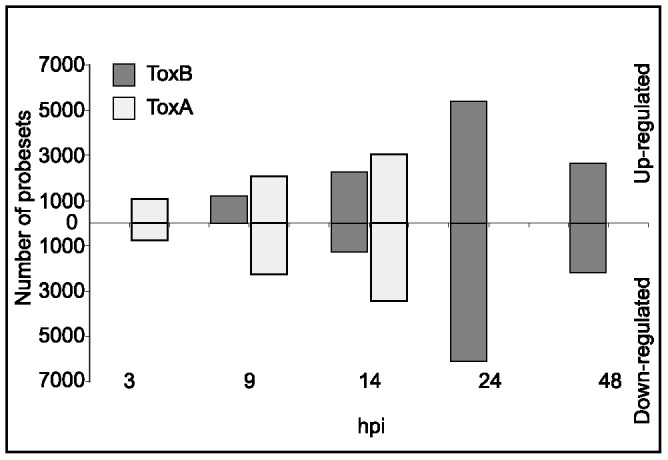
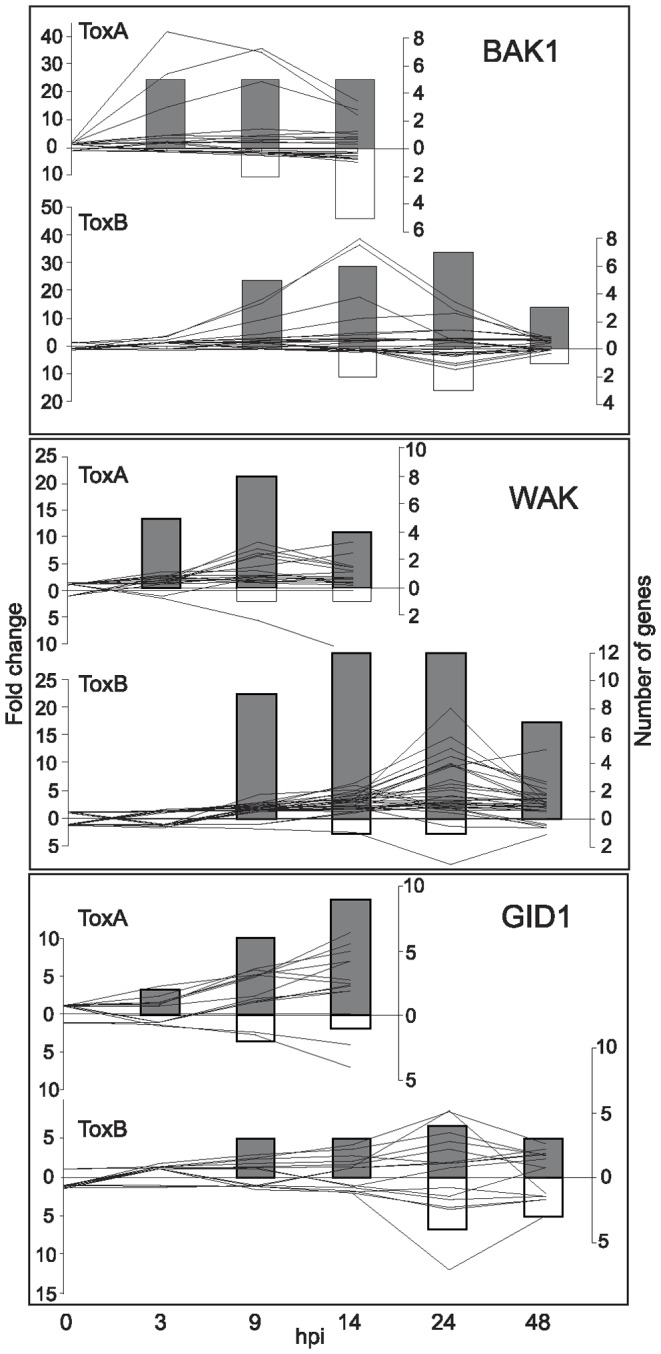
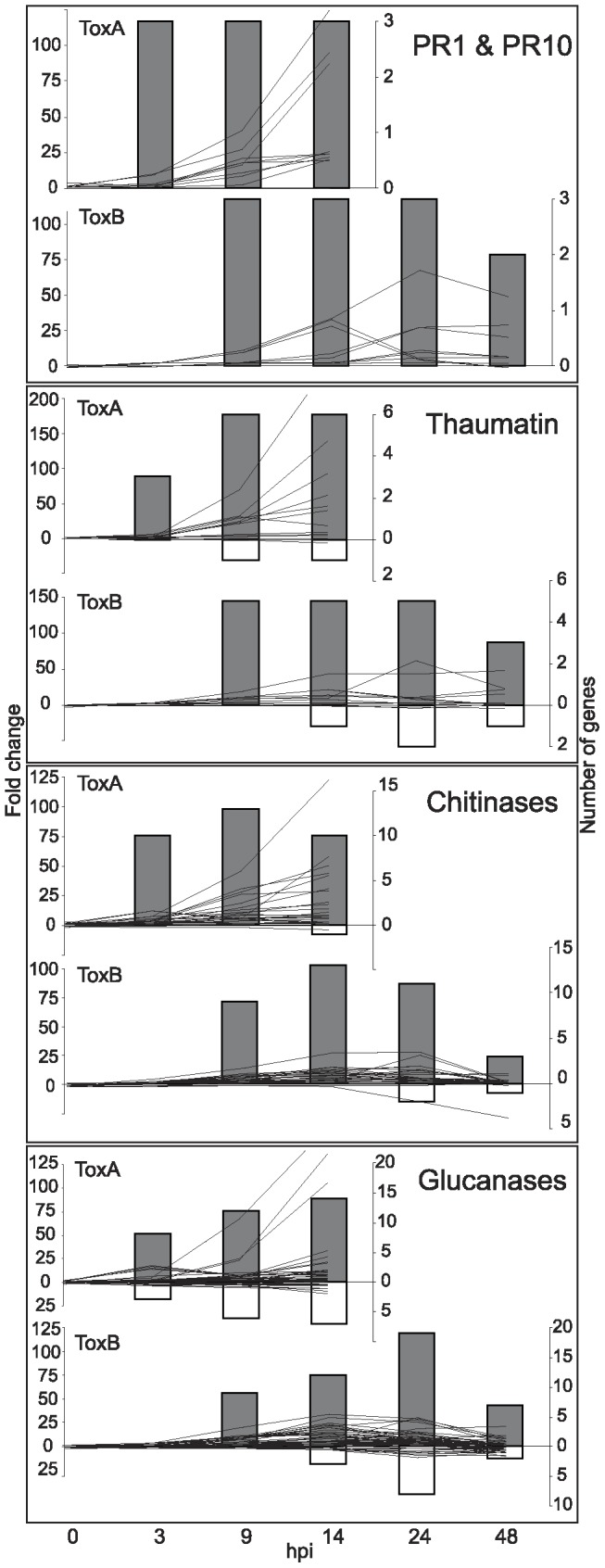
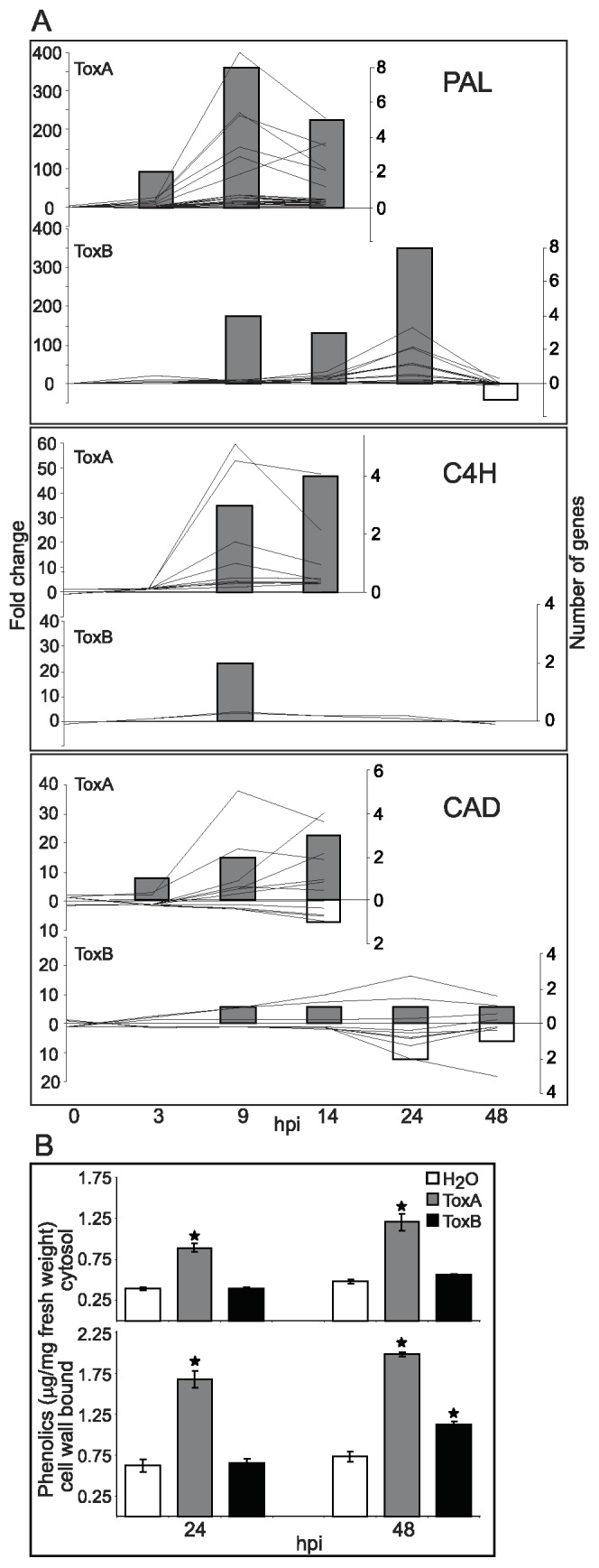
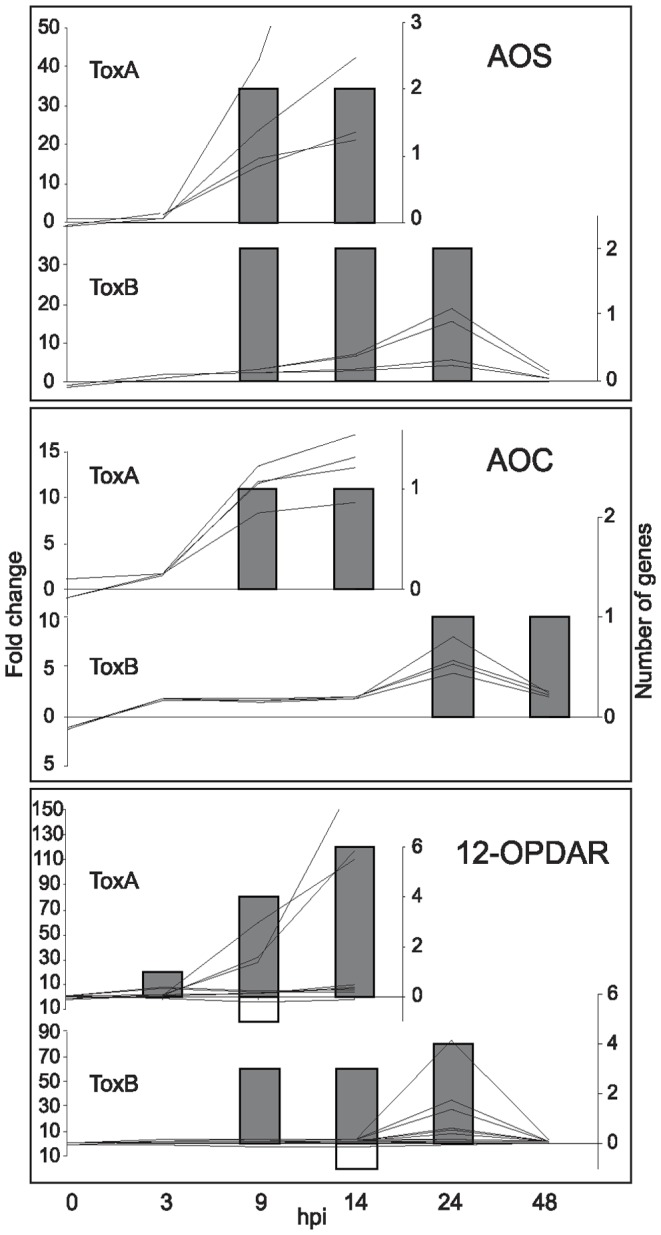
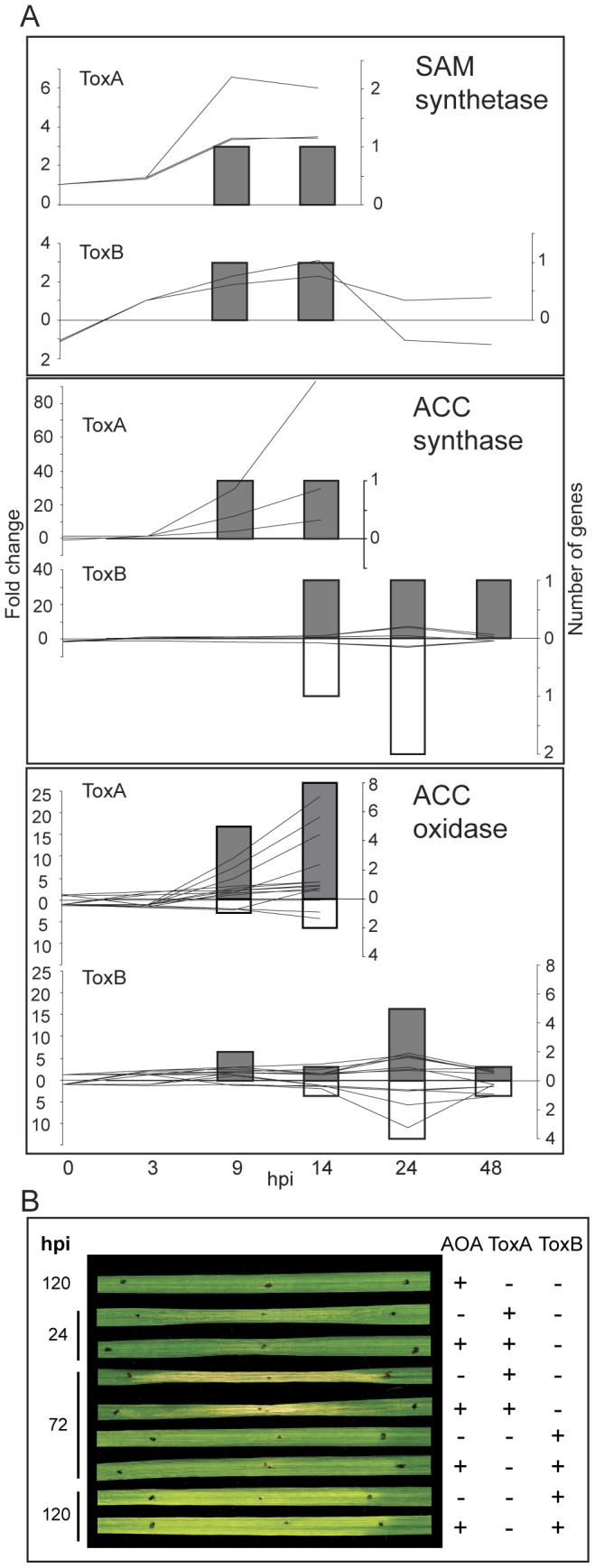
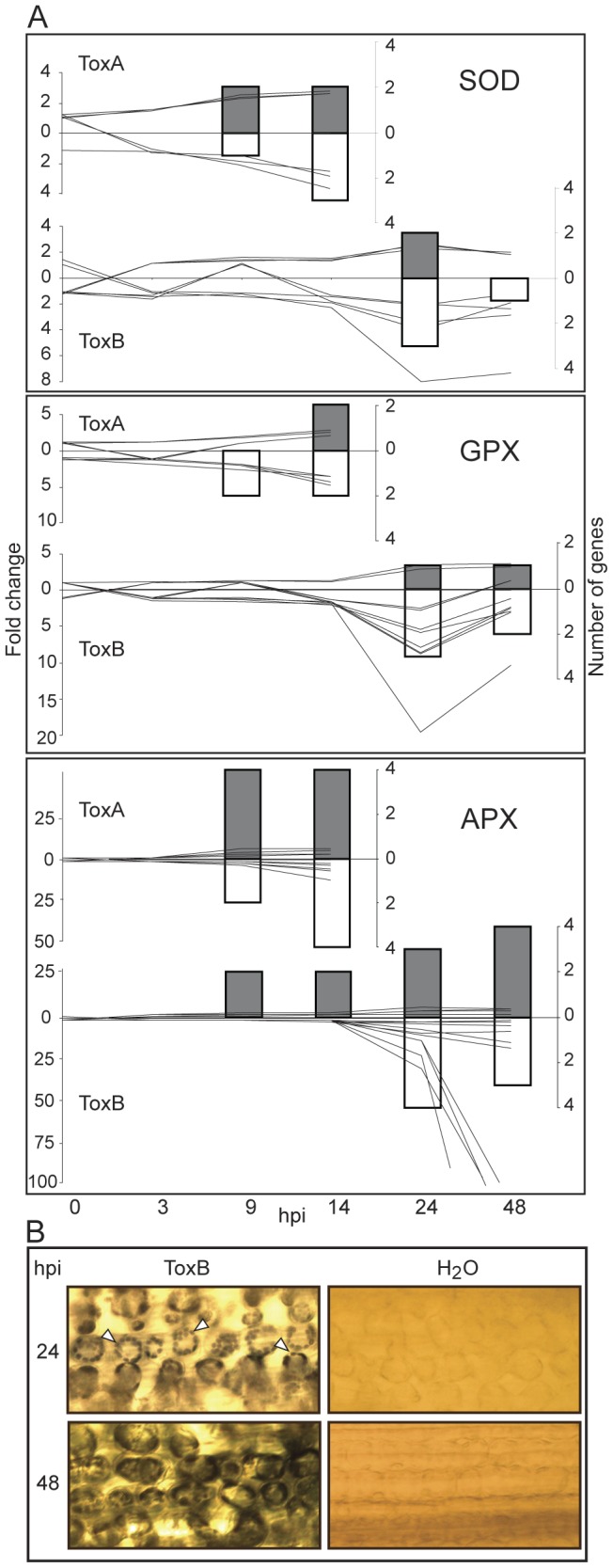
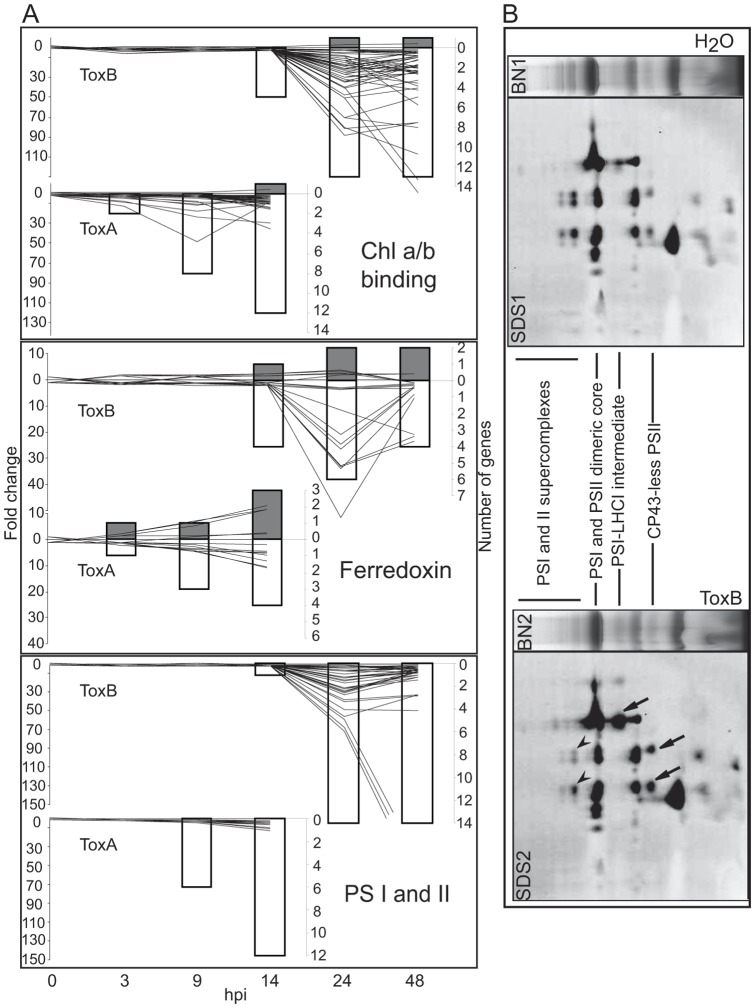
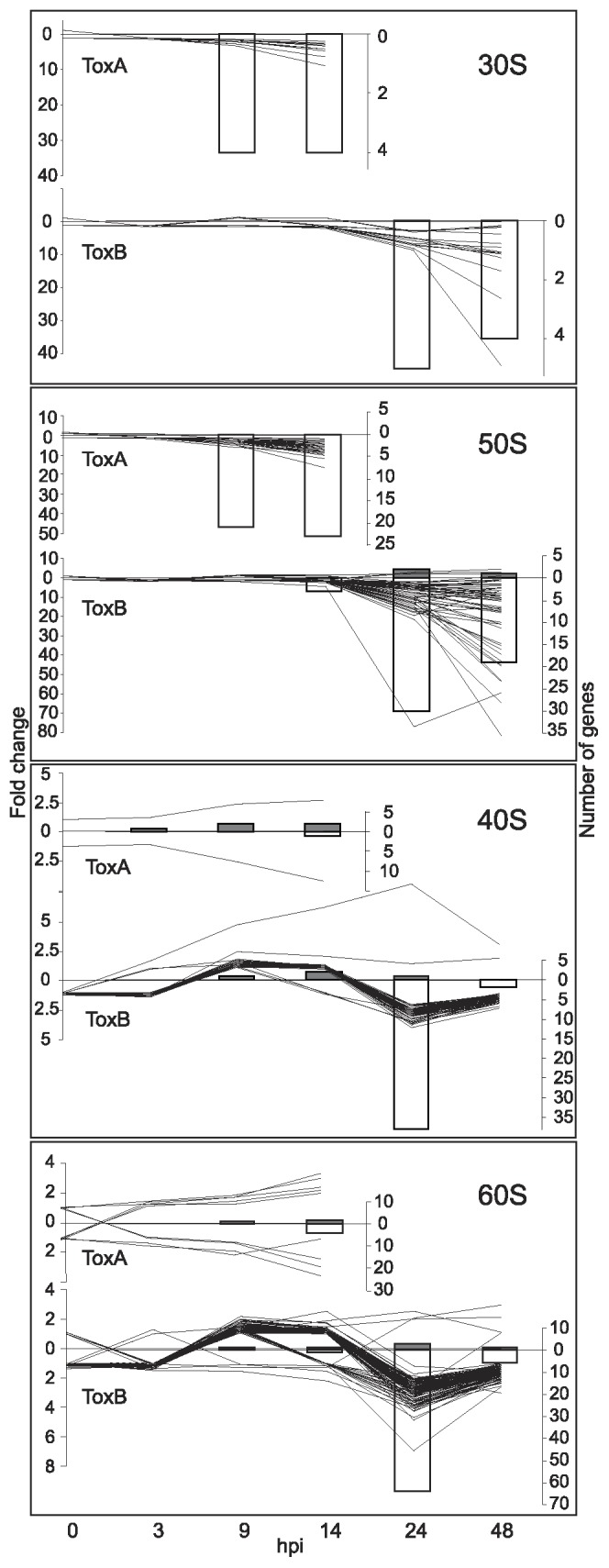
Pyrenophora tritici-repentis (Ptr), a necrotrophic fungus and the causal agent of tan spot of wheat, produces one or a combination of host-selective toxins (HSTs) necessary for disease development. The two most studied toxins produced by Ptr, Ptr ToxA (ToxA) and Ptr ToxB (ToxB), are proteins that cause necrotic or chlorotic symptoms respectively. Investigation of host responses induced by HSTs provides better insight into the nature of the host susceptibility. Microarray analysis of ToxA has provided evidence that it can elicit responses similar to those associated with defense. In order to evaluate whether there are consistent host responses associated with susceptibility, a similar analysis of ToxB-induced changes in the same sensitive cultivar was conducted. Comparative analysis of ToxA- and ToxB-induced transcriptional changes showed that similar groups of genes encoding WRKY transcription factors, RLKs, PRs, components of the phenylpropanoid and jasmonic acid pathways are activated. ROS accumulation and photosystem dysfunction proved to be common mechanism-of-action for these toxins. Despite similarities in defense responses, transcriptional and biochemical responses as well as symptom development occur more rapidly for ToxA compared to ToxB, which could be explained by differences in perception as well as by differences in activation of a specific process, for example, ethylene biosynthesis in ToxA treatment. Results of this study suggest that perception of HSTs will result in activation of defense responses as part of a susceptible interaction and further supports the hypothesis that necrotrophic fungi exploit defense responses in order to induce cell death.
禾谷核腔菌(Ptr)是一种坏死型真菌,也是小麦叶枯病的病原菌,能够产生一种或多种对其致病性起关键作用的寄主选择性毒素(HSTs)。禾谷核腔菌产生的两种最主要的毒素 Ptr ToxA(ToxA)和 Ptr ToxB(ToxB)均为蛋白类毒素,分别引起坏死和黄化症状。对 HSTs 诱导的寄主响应的研究可以更好地理解寄主易感性的本质。ToxA 的微阵列分析为其能引起与防御相关的响应提供了证据。为了评估是否存在与易感性相关的一致的寄主响应,对同一敏感品种中 ToxB 诱导的变化进行了类似的分析。ToxA 和 ToxB 诱导的转录变化的比较分析表明,相似的 WRKY 转录因子、RLKs、PRs、苯丙烷和茉莉酸途径的组成部分的基因编码物被激活。ROS 积累和光系统功能障碍被证明是这些毒素的共同作用机制。尽管防御反应存在相似之处,但与 ToxB 相比,ToxA 的转录和生化响应以及症状发展更为迅速,这可以用毒素感知差异以及特定过程(例如 ToxA 处理中的乙烯生物合成)的激活差异来解释。本研究结果表明,HSTs 的感知将导致防御响应的激活,作为易感性相互作用的一部分,并进一步支持坏死型真菌利用防御响应来诱导细胞死亡的假说。