Department of Environmental and Occupational Health Sciences, School of Public Health, University of Washington, Seattle, WA 98195, USA.
Free Radic Biol Med. 2012 Sep 15;53(6):1264-78. doi: 10.1016/j.freeradbiomed.2012.07.006. Epub 2012 Jul 21.
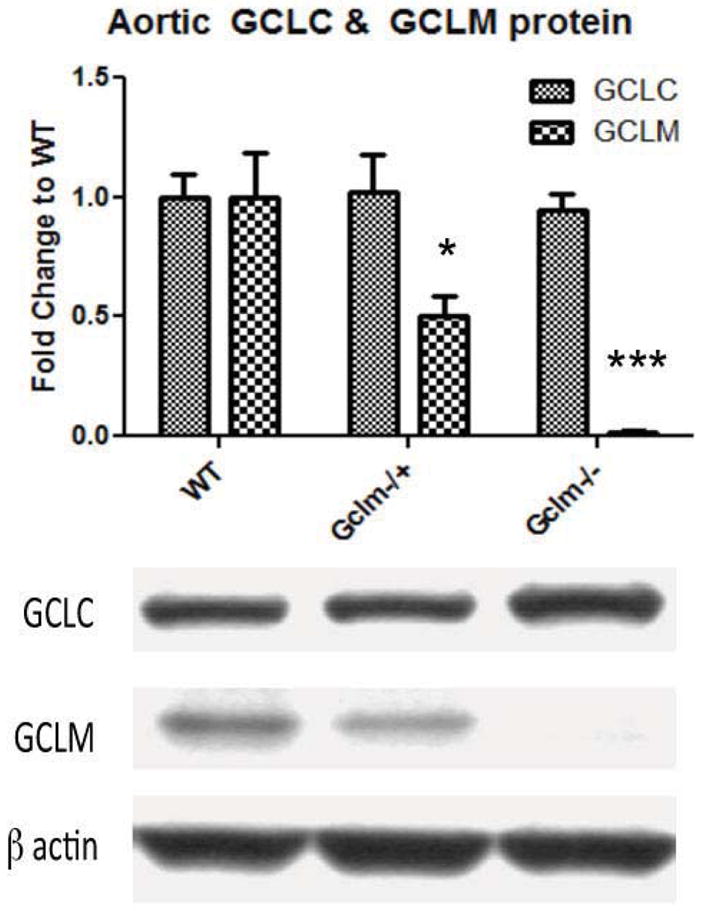
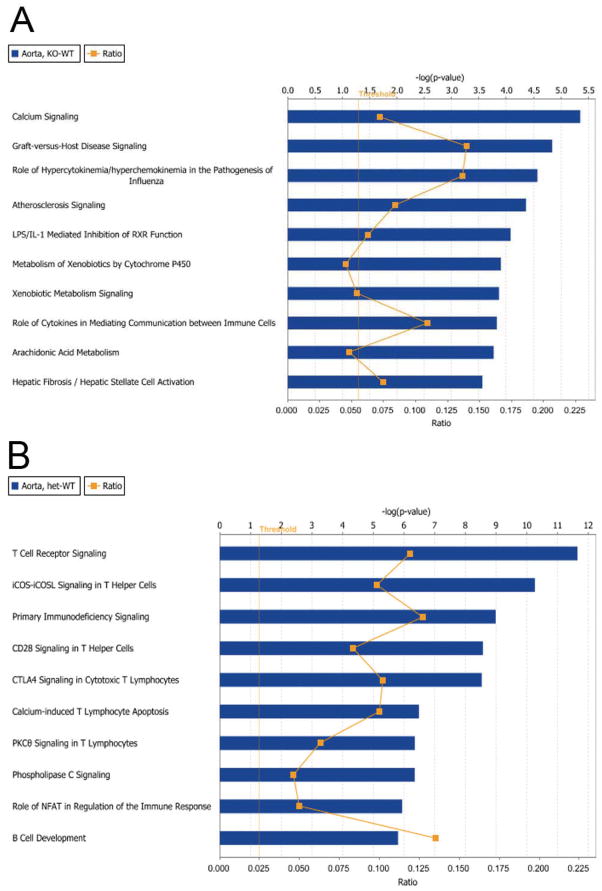
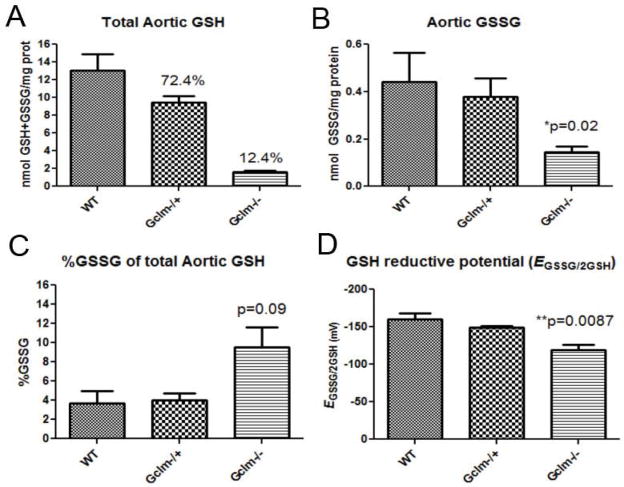
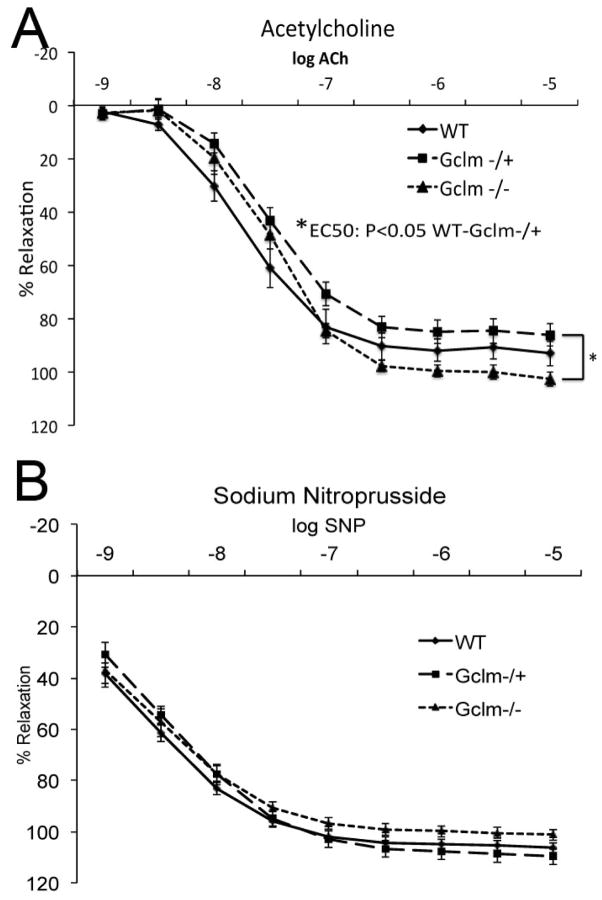
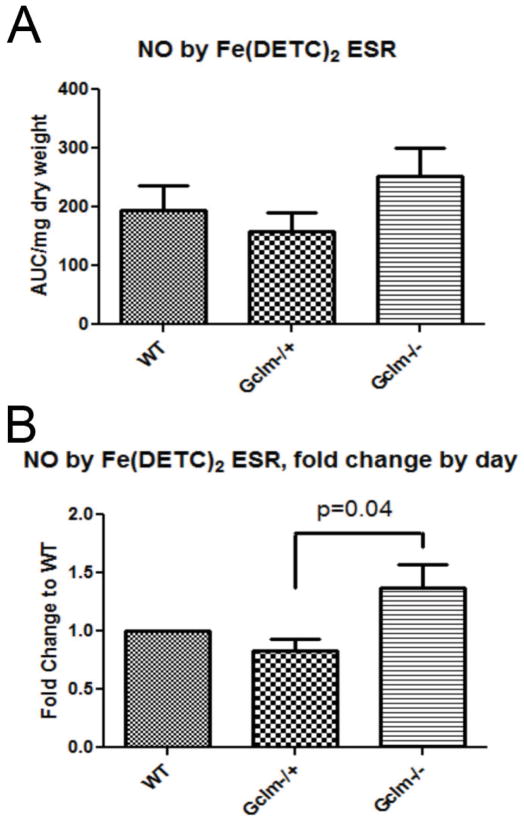
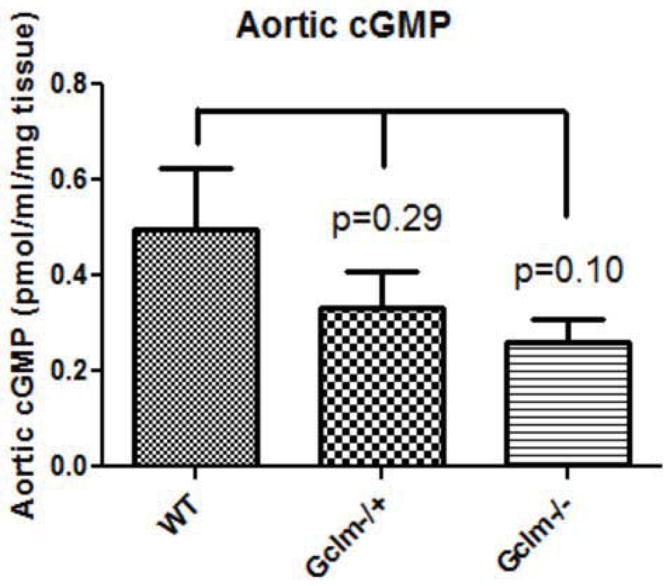
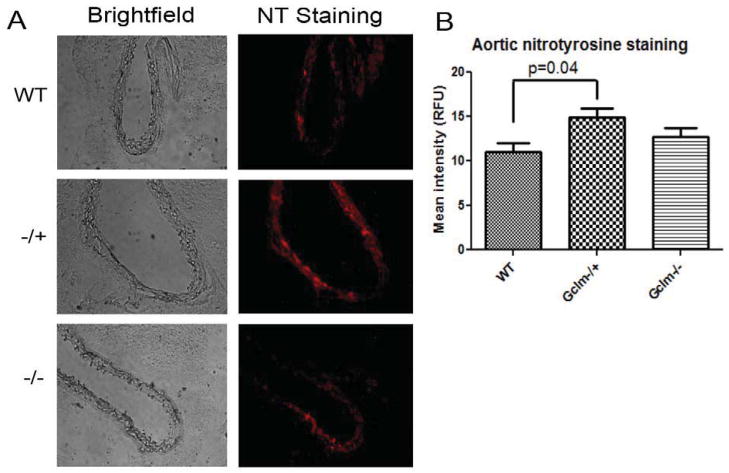
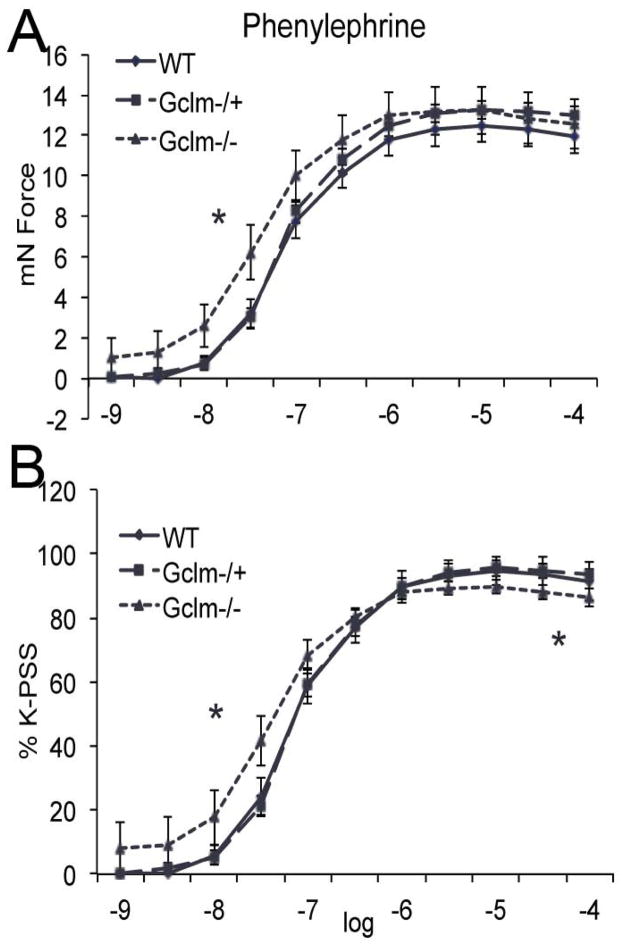
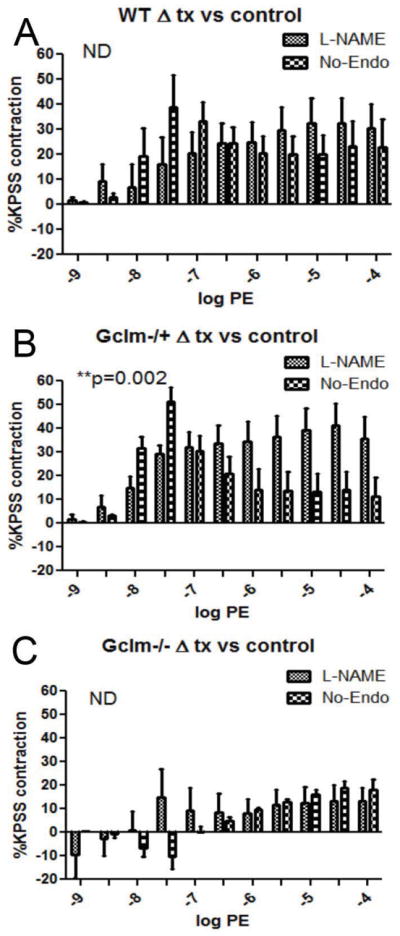
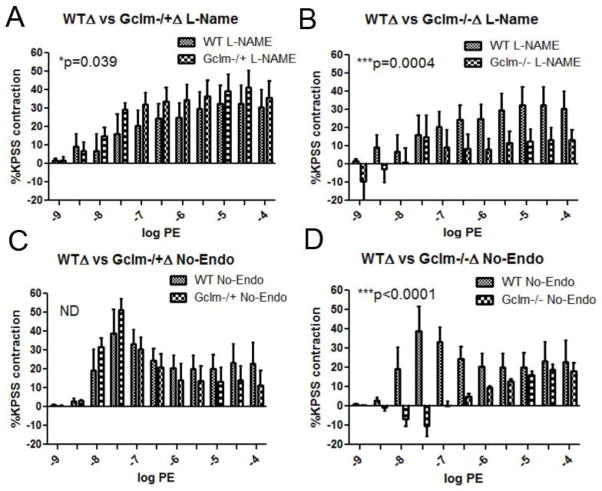
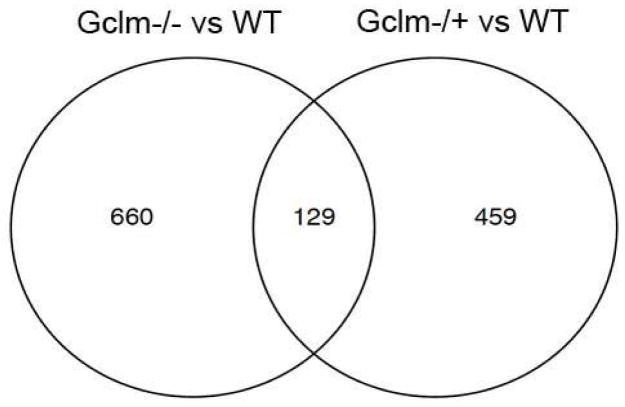
Oxidative stress has been implicated in the development of vascular disease and in the promotion of endothelial dysfunction via the reduction in bioavailable nitric oxide (NO()). Glutathione (GSH) is a tripeptide thiol antioxidant that is utilized by glutathione peroxidase (GPx) to scavenge reactive oxygen species such as hydrogen peroxide and phospholipid hydroperoxides. Relatively frequent single-nucleotide polymorphisms (SNPs) within the 5' promoters of the GSH synthesis genes GCLC and GCLM are associated with impaired vasomotor function, as measured by decreased acetylcholine-stimulated coronary artery dilation, and with increased risk of myocardial infarction. Although the influence of genetic knockdown of GPx on vascular function has been investigated in mice, no work to date has been published on the role of genetic knockdown of GSH synthesis genes on vascular reactivity. We therefore investigated the effects of targeted disruption of Gclm in mice and the subsequent depletion of GSH on vascular reactivity, NO() production, aortic nitrotyrosine protein modification, and whole-genome transcriptional responses as measured by DNA microarray. Gclm(-/+) and Gclm(-/-) mice had 72 and 12%, respectively, of wild-type (WT) aortic GSH content. Gclm(-/+) mice had a significant impairment in acetylcholine (ACh)-induced relaxation in aortic rings as well as increased aortic nitrotyrosine protein modification. Surprisingly, Gclm(-/-) aortas showed enhanced relaxation compared to Gclm(-/+) aortas, as well as increased NO() production. Although aortic rings from Gclm(-/-) mice had enhanced ACh relaxation, they had a significantly increased sensitivity to phenylephrine (PE)-induced contraction. Alternatively, the PE response of Gclm(-/+) aortas was nearly identical to that of their WT littermates. To examine the role of NO() or other potential endothelium-derived factors in differentially regulating vasomotor activity, we incubated aortic rings with the NO() synthase inhibitor L-NAME or physically removed the endothelium before PE treatment. L-NAME treatment and endothelium removal enhanced PE-induced contraction in WT and Gclm(-/+) mice, but this effect was severely diminished in Gclm(-/-) mice, indicating a potentially unique role for GSH in mediating vessel contraction. Whole-genome assessment of aortic mRNA in Gclm(-/-) and WT mice revealed altered expression of genes within the canonical Ca(2+) signaling pathway, which may have a role in mediating these observed functional effects. These findings provide additional evidence that the de novo synthesis of GSH can influence vascular reactivity and provide insights regarding possible mechanisms by which SNPs within GCLM and GCLC influence the risk of developing vascular diseases in humans.
氧化应激通过减少生物可利用的一氧化氮 (NO()) 而参与血管疾病的发展和内皮功能障碍的促进。谷胱甘肽 (GSH) 是一种三肽硫醇抗氧化剂,可被谷胱甘肽过氧化物酶 (GPx) 利用来清除过氧化氢和磷脂过氧化物等活性氧。GSH 合成基因 GCLC 和 GCLM 的 5'启动子中相对频繁的单核苷酸多态性 (SNP) 与血管舒缩功能受损有关,表现在乙酰胆碱刺激的冠状动脉扩张减少,以及心肌梗死风险增加。尽管已经在小鼠中研究了 GPx 基因敲低对血管功能的影响,但迄今为止尚未发表关于 GSH 合成基因敲低对血管反应性的作用的研究。因此,我们研究了靶向敲除 Gclm 在小鼠中的作用,以及随后的 GSH 耗竭对血管反应性、NO()产生、主动脉硝基酪氨酸蛋白修饰和全基因组转录反应的影响,这些反应通过 DNA 微阵列来测量。Gclm(-/+)和 Gclm(-/-)小鼠的主动脉 GSH 含量分别为野生型 (WT) 的 72%和 12%。Gclm(-/+) 小鼠的主动脉对乙酰胆碱 (ACh) 诱导的松弛有明显的损害,并且主动脉硝基酪氨酸蛋白修饰增加。令人惊讶的是,Gclm(-/-) 主动脉与 Gclm(-/+) 主动脉相比表现出增强的松弛,并且 NO()产生增加。尽管 Gclm(-/-) 小鼠的主动脉环具有增强的 ACh 松弛,但它们对苯肾上腺素 (PE) 诱导的收缩的敏感性显著增加。或者,Gclm(-/+) 主动脉环的 PE 反应与 WT 同窝仔鼠的反应几乎相同。为了研究 NO()或其他潜在的内皮衍生因子在调节血管舒缩活性方面的作用,我们用 NO()合酶抑制剂 L-NAME 孵育主动脉环,或在 PE 处理前去除内皮。L-NAME 处理和内皮去除增强了 WT 和 Gclm(-/+) 小鼠的 PE 诱导的收缩,但在 Gclm(-/-) 小鼠中这种作用严重减弱,表明 GSH 在介导血管收缩方面可能具有独特的作用。对 Gclm(-/-)和 WT 小鼠主动脉 mRNA 的全基因组评估显示,钙 (Ca2+) 信号通路的经典途径中的基因表达发生改变,这可能在介导这些观察到的功能效应中起作用。这些发现提供了额外的证据,表明 GSH 的从头合成可以影响血管反应性,并提供了有关 GCLM 和 GCLC 内的 SNP 如何影响人类血管疾病风险的可能机制的见解。