Biological Psychiatry Laboratory, McLean Hospital, 115 Mill Street, Belmont, MA 02478, USA.
Biol Psychiatry. 2013 Jan 1;73(1):24-31. doi: 10.1016/j.biopsych.2012.06.023. Epub 2012 Jul 24.
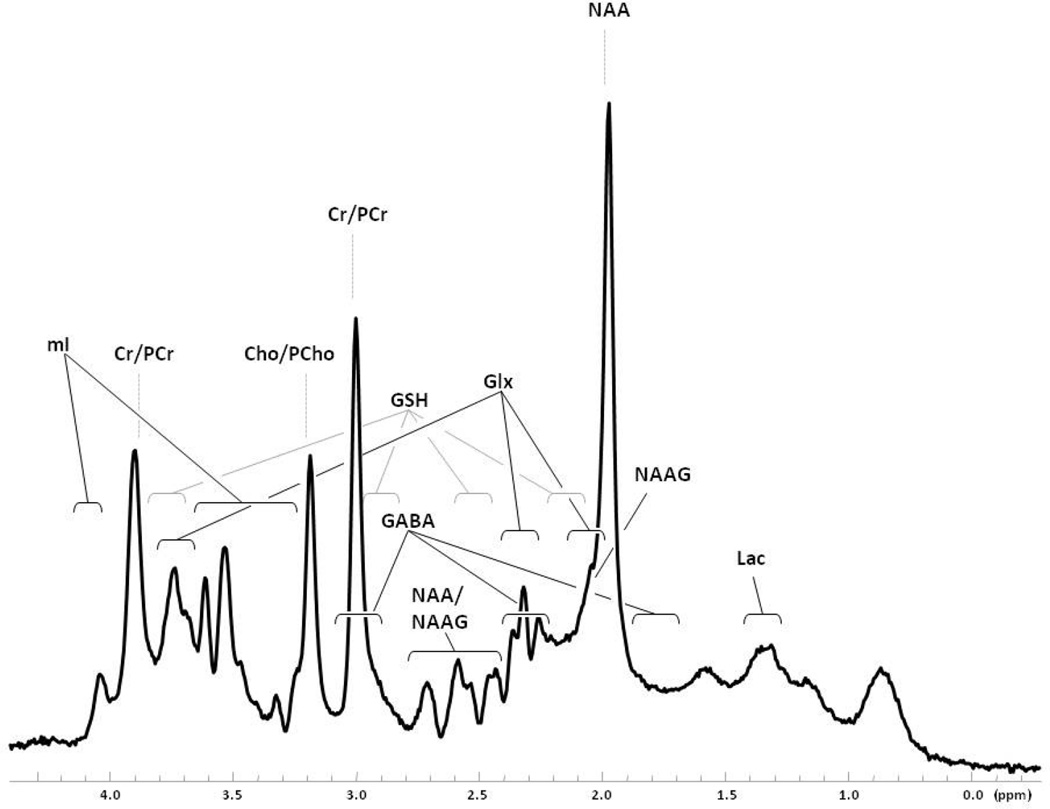
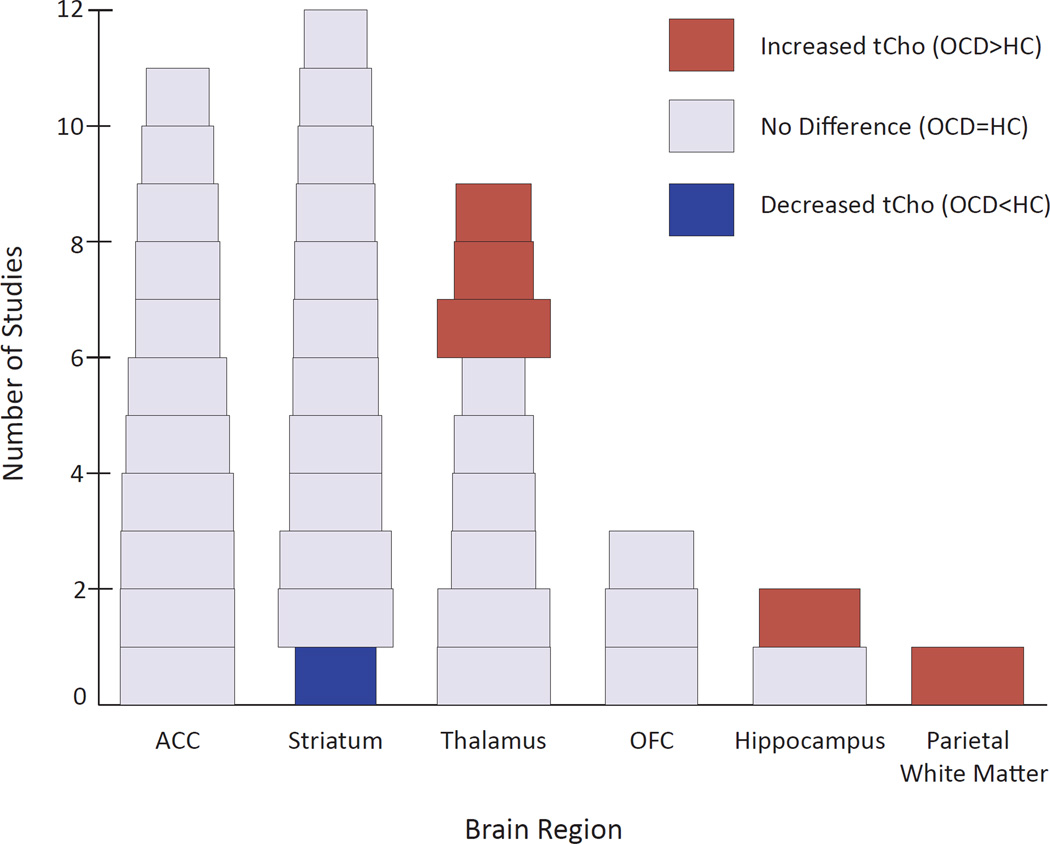
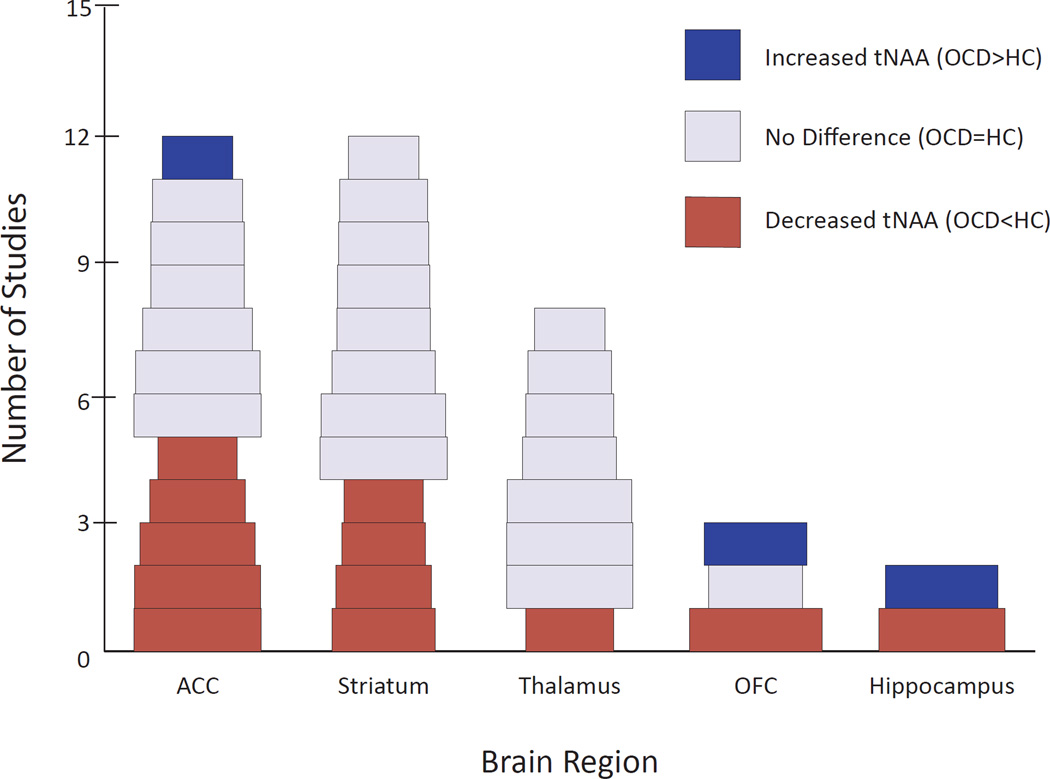
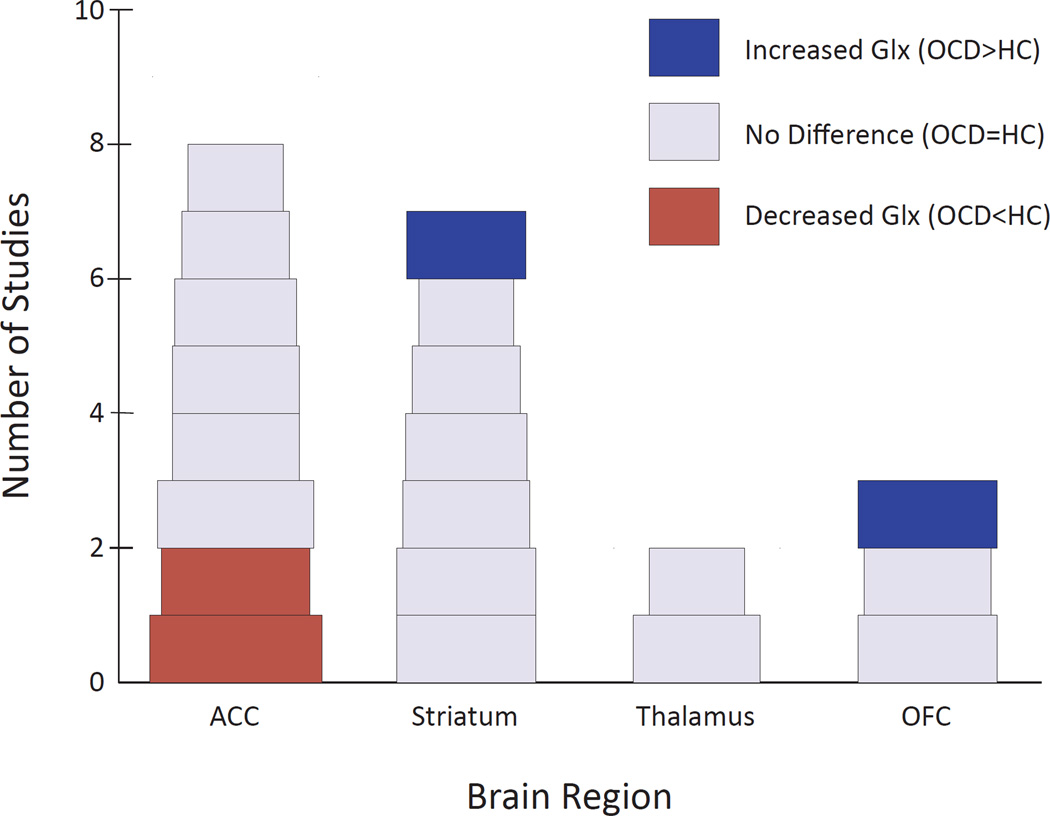
Functional neuroimaging studies have converged to suggest that cortico-striatal-thalamo-cortical (CSTC) circuit dysfunction is a core pathophysiologic feature of obsessive-compulsive disorder (OCD). Now, complementary approaches examining regional neurochemistry are beginning to yield additional insights with regard to the neurobiology of aberrant CSTC circuitry in OCD. In particular, proton magnetic resonance spectroscopy, which allows for the in vivo quantification of various neurochemicals in the CSTC circuit and other brain regions, has recently been used extensively in studies of OCD patients. In this review, we summarize the diverse and often seemingly inconsistent findings of these studies, consider methodological factors that might help to explain these inconsistencies, and discuss several convergent findings that tentatively seem to be emerging. We conclude with suggestions for possible future proton magnetic resonance spectroscopy studies in OCD.
功能神经影像学研究已经趋于一致,提示皮质-纹状体-丘脑-皮质(CSTC)回路功能障碍是强迫症(OCD)的核心病理生理特征。现在,通过检查区域神经化学的补充方法,开始对 OCD 中 CSTC 回路异常的神经生物学提供更多的见解。特别是质子磁共振波谱,它允许在 CSTC 回路和其他脑区的各种神经化学物质的体内定量,最近在 OCD 患者的研究中被广泛使用。在这篇综述中,我们总结了这些研究中多样化且经常看似不一致的发现,考虑了可能有助于解释这些不一致的方法学因素,并讨论了几个似乎正在出现的趋同发现。最后,我们对 OCD 中的质子磁共振波谱研究提出了一些可能的建议。