Department of Psychiatry, University of Oxford, Warneford Hospital, Oxford OX3 7JX, UK.
BMJ. 2012 Jul 24;345:e4692. doi: 10.1136/bmj.e4692.
To investigate the predictive validity of tools commonly used to assess the risk of violence, sexual, and criminal behaviour.
Systematic review and tabular meta-analysis of replication studies following PRISMA guidelines.
PsycINFO, Embase, Medline, and United States Criminal Justice Reference Service Abstracts.
We included replication studies from 1 January 1995 to 1 January 2011 if they provided contingency data for the offending outcome that the tools were designed to predict. We calculated the diagnostic odds ratio, sensitivity, specificity, area under the curve, positive predictive value, negative predictive value, the number needed to detain to prevent one offence, as well as a novel performance indicator-the number safely discharged. We investigated potential sources of heterogeneity using metaregression and subgroup analyses.
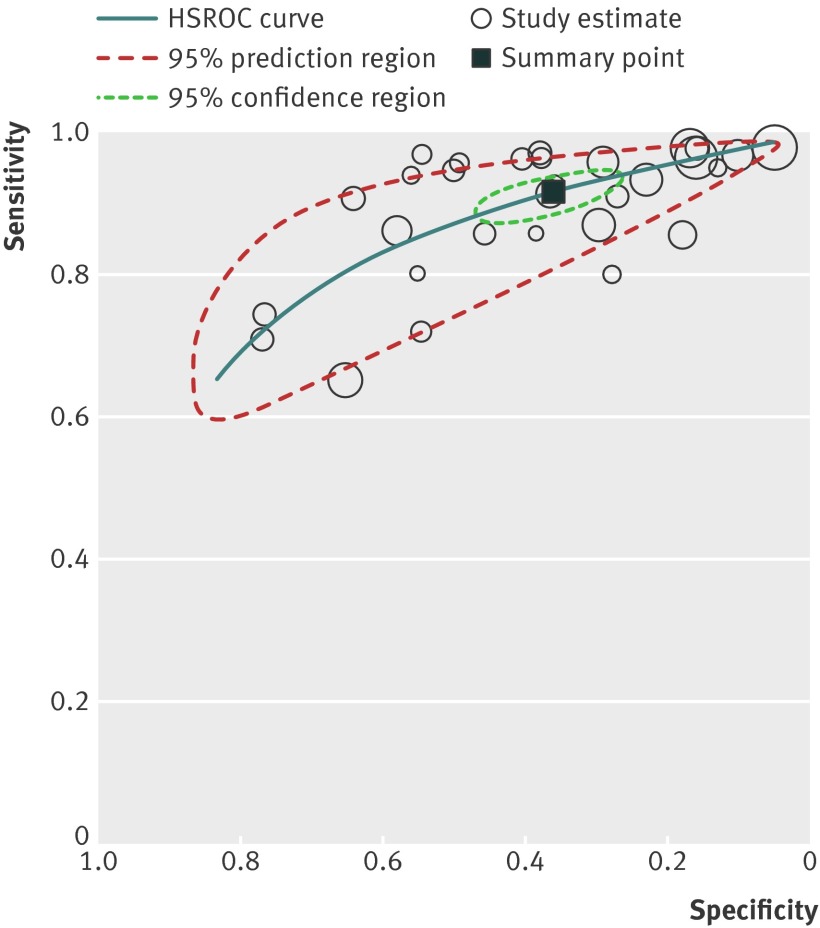
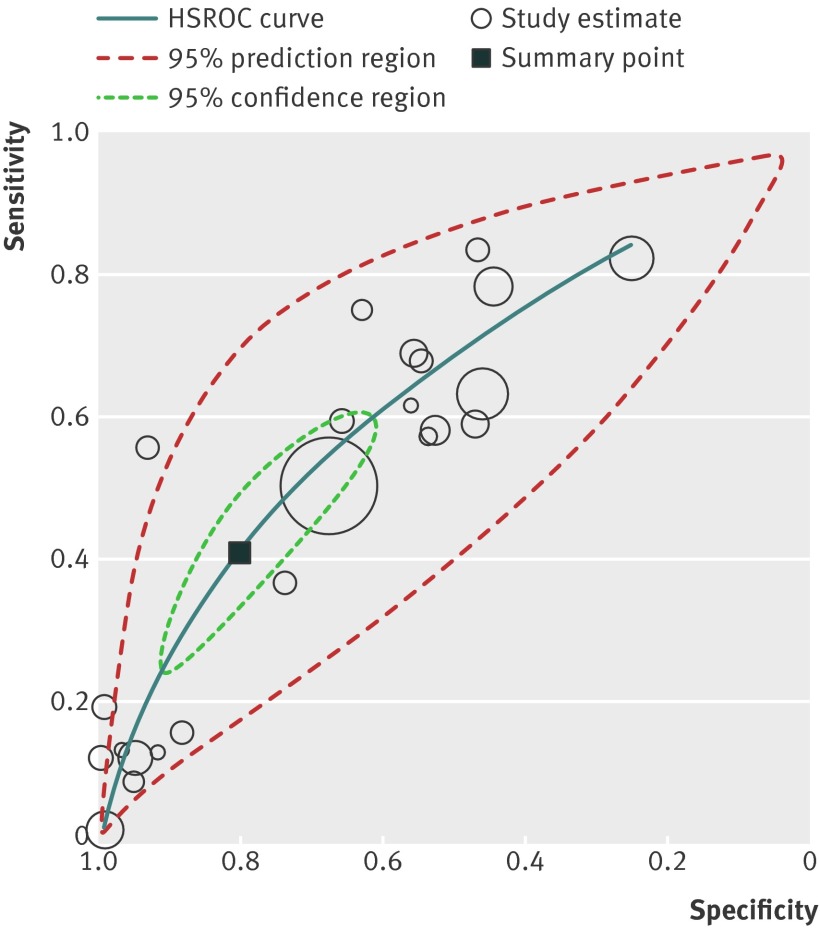
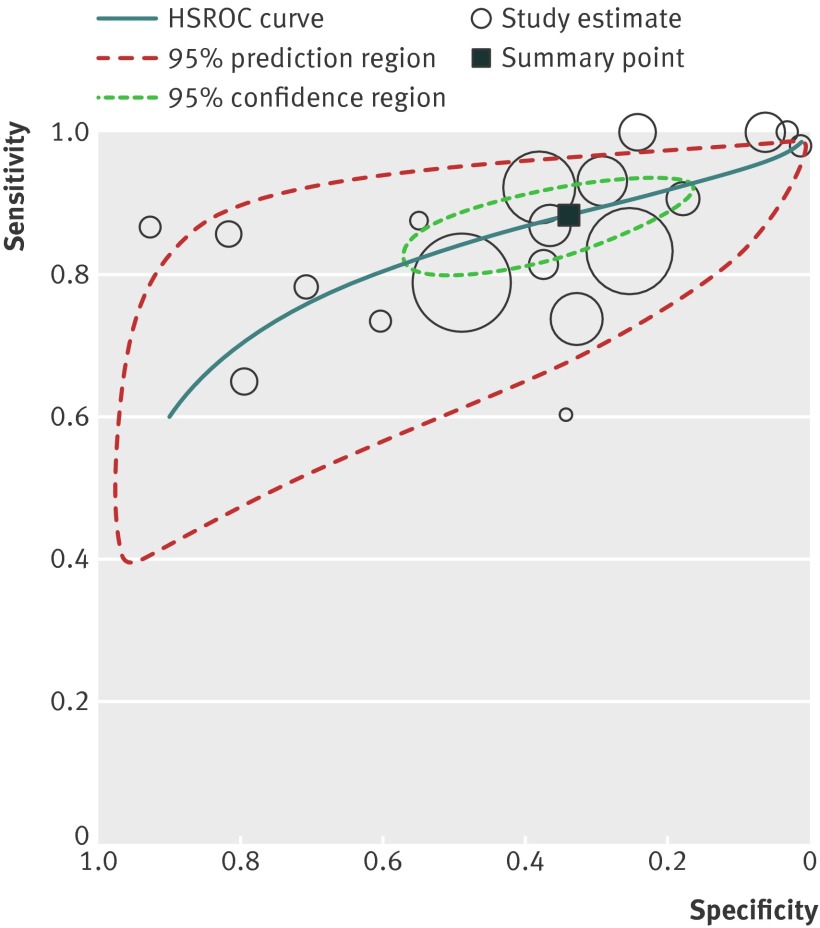
Risk assessments were conducted on 73 samples comprising 24,847 participants from 13 countries, of whom 5879 (23.7%) offended over an average of 49.6 months. When used to predict violent offending, risk assessment tools produced low to moderate positive predictive values (median 41%, interquartile range 27-60%) and higher negative predictive values (91%, 81-95%), and a corresponding median number needed to detain of 2 (2-4) and number safely discharged of 10 (4-18). Instruments designed to predict violent offending performed better than those aimed at predicting sexual or general crime.
Although risk assessment tools are widely used in clinical and criminal justice settings, their predictive accuracy varies depending on how they are used. They seem to identify low risk individuals with high levels of accuracy, but their use as sole determinants of detention, sentencing, and release is not supported by the current evidence. Further research is needed to examine their contribution to treatment and management.
研究常用于评估暴力、性和犯罪行为风险的工具的预测有效性。
按照 PRISMA 指南进行系统评价和列线图荟萃分析。
PsycINFO、Embase、Medline 和美国刑事司法参考服务摘要。
如果研究提供了工具旨在预测的犯罪结果的列线数据,我们将从 1995 年 1 月 1 日至 2011 年 1 月 1 日纳入复制研究。我们计算了诊断优势比、敏感性、特异性、曲线下面积、阳性预测值、阴性预测值、为预防一次犯罪而拘留的人数,以及一个新的绩效指标-安全释放人数。我们使用荟萃回归和亚组分析调查了潜在的异质性来源。
对来自 13 个国家的 73 个样本共 24847 名参与者进行了风险评估,其中 5879 人(23.7%)在平均 49.6 个月的时间内犯罪。当用于预测暴力犯罪时,风险评估工具产生了低至中度的阳性预测值(中位数 41%,四分位距 27-60%)和更高的阴性预测值(91%,81-95%),相应的中位数需要拘留人数为 2(2-4)和安全释放人数为 10(4-18)。旨在预测暴力犯罪的工具比旨在预测性犯罪或一般犯罪的工具表现更好。
尽管风险评估工具在临床和刑事司法环境中被广泛使用,但它们的预测准确性取决于使用方式。它们似乎可以准确地识别低风险个体,但目前的证据并不支持将其作为拘留、判刑和释放的唯一决定因素。需要进一步研究以检验它们对治疗和管理的贡献。