Section of Digestive Diseases, Department of Internal Medicine, Yale University School of Medicine, New Haven, Connecticut, United States of America.
PLoS One. 2012;7(7):e41320. doi: 10.1371/journal.pone.0041320. Epub 2012 Jul 23.
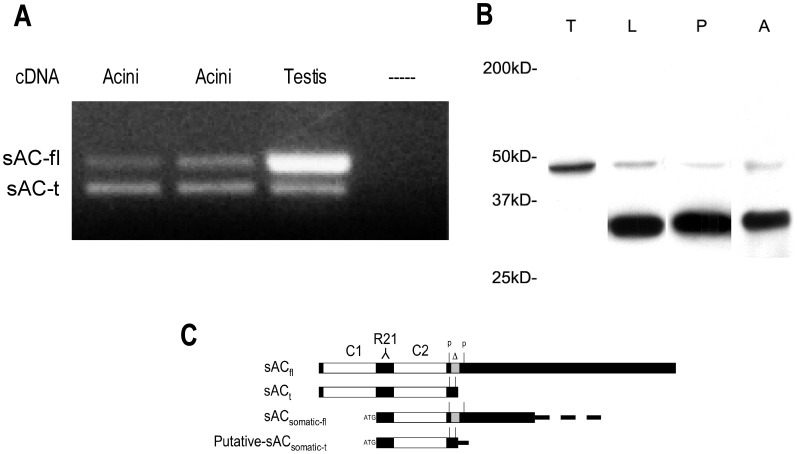
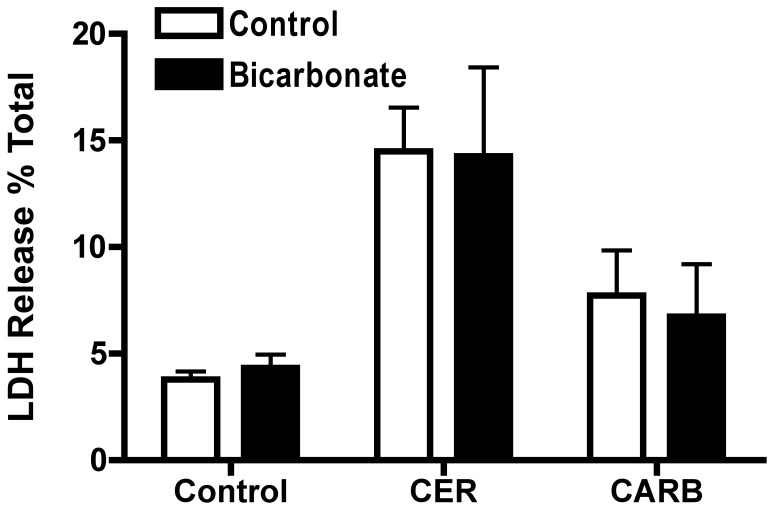
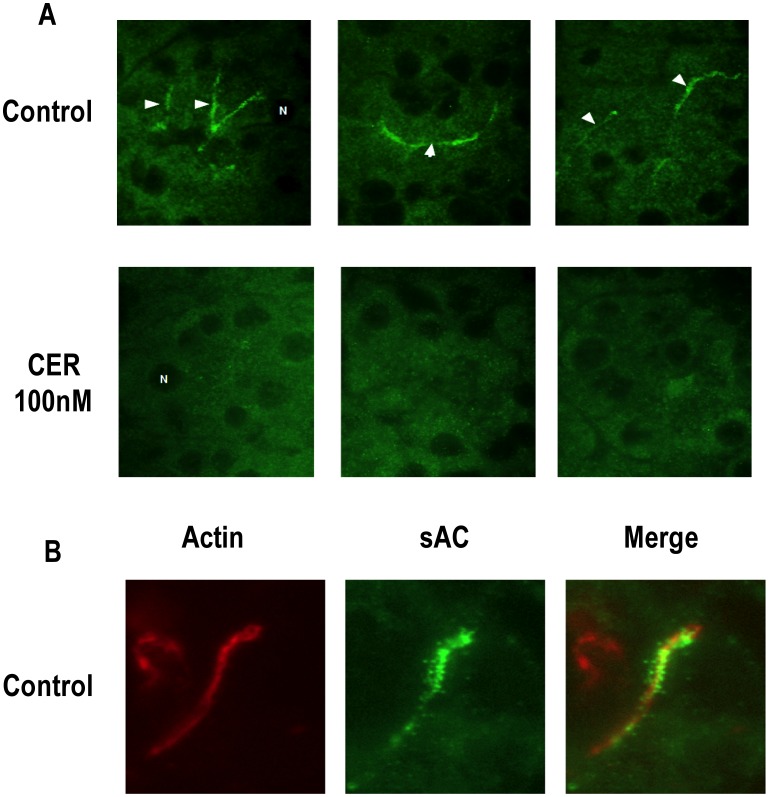
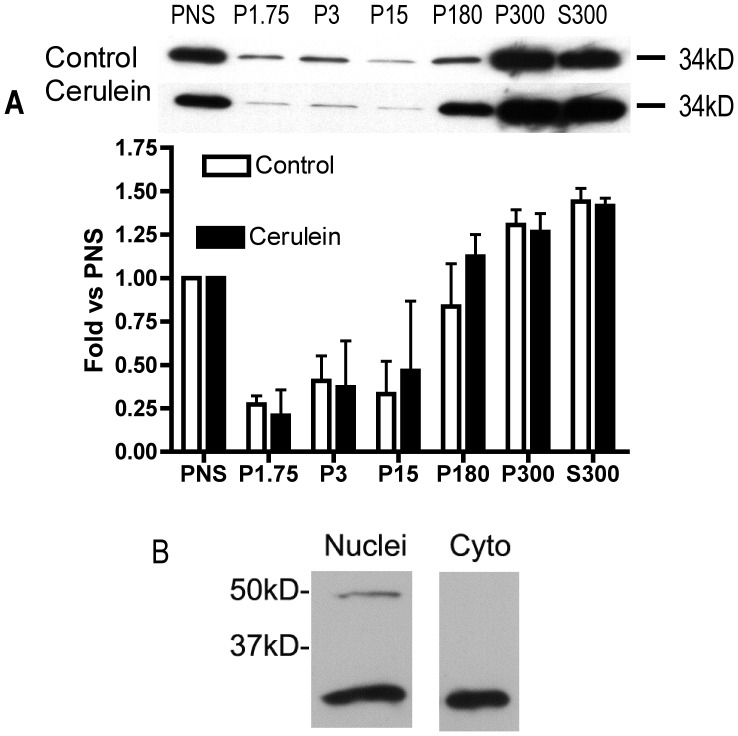
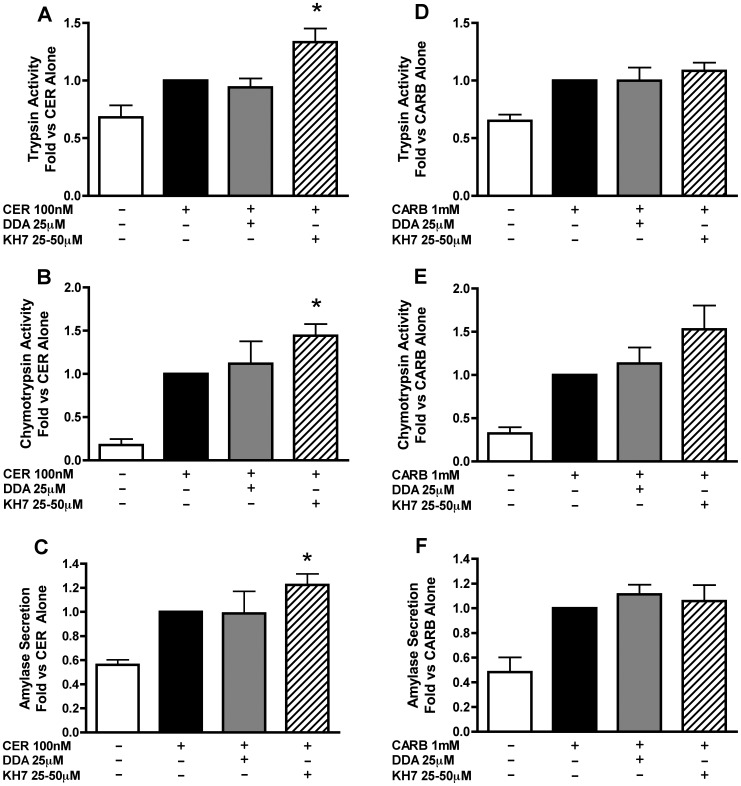
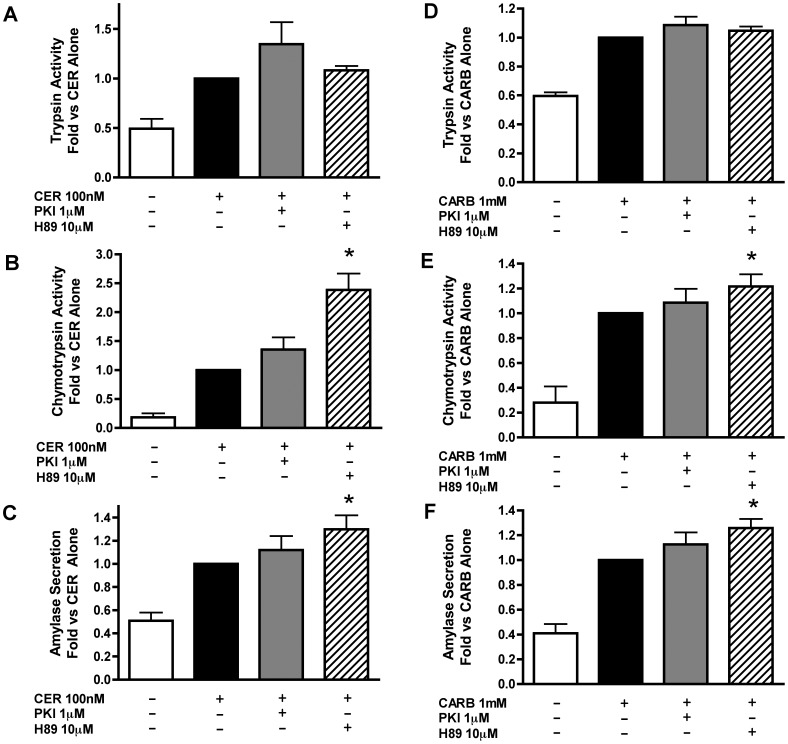
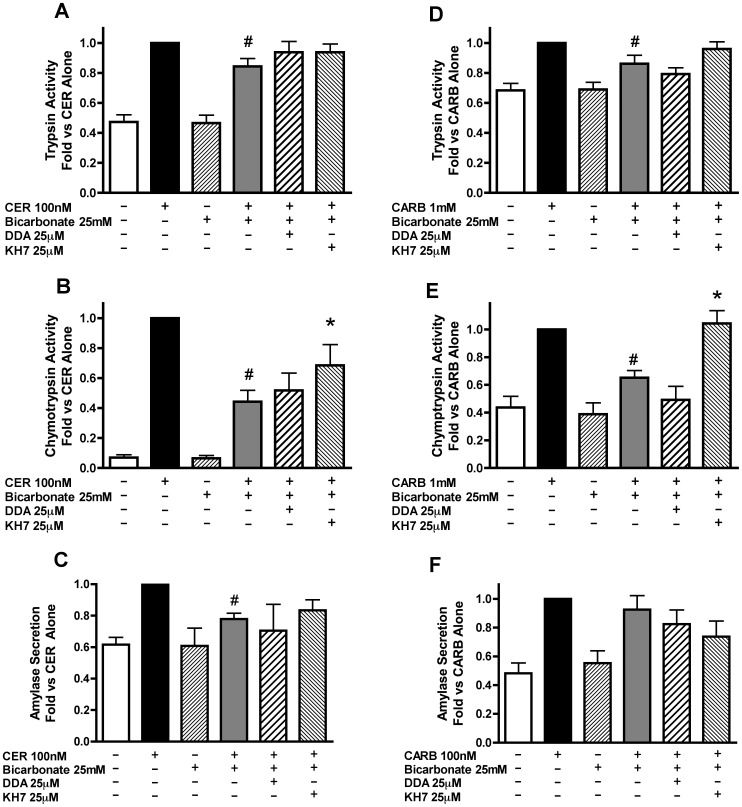
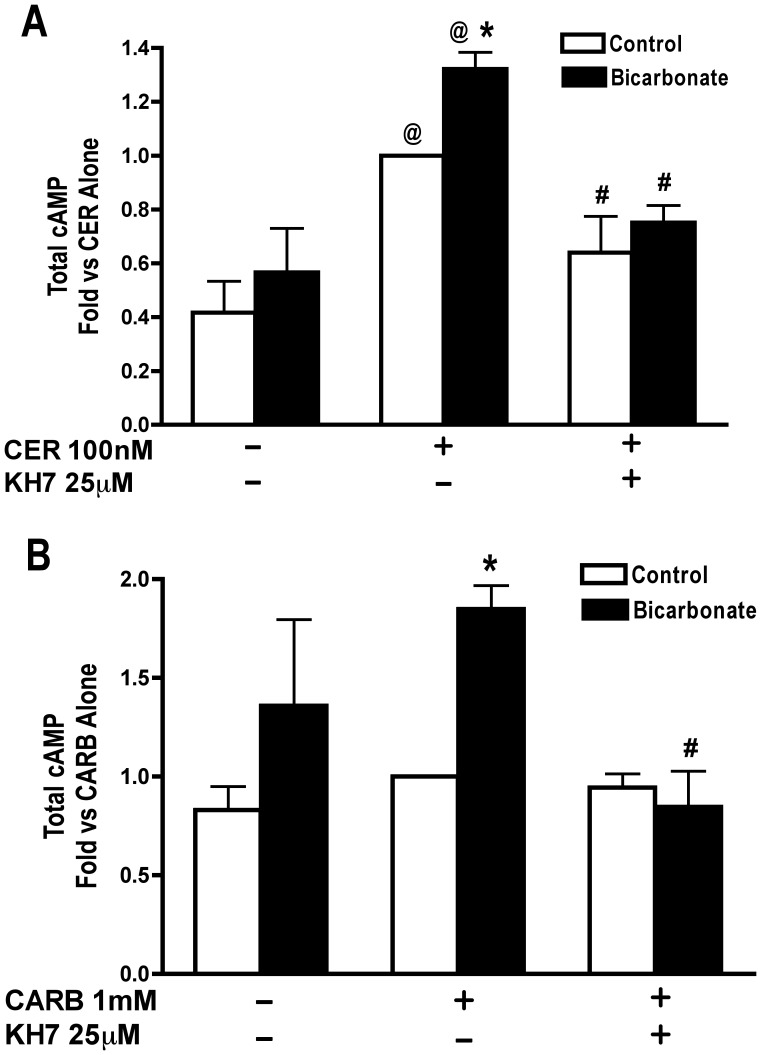
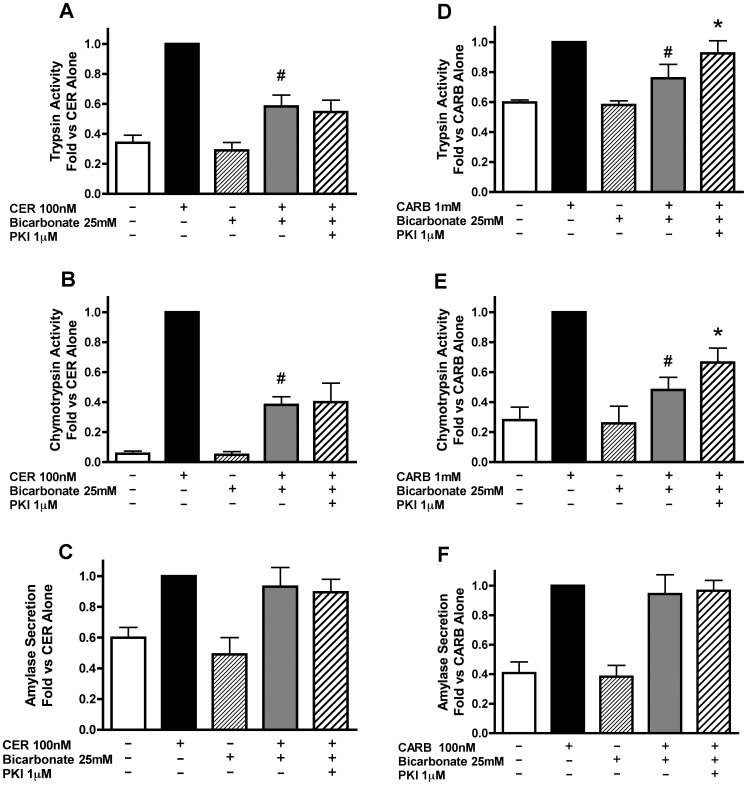
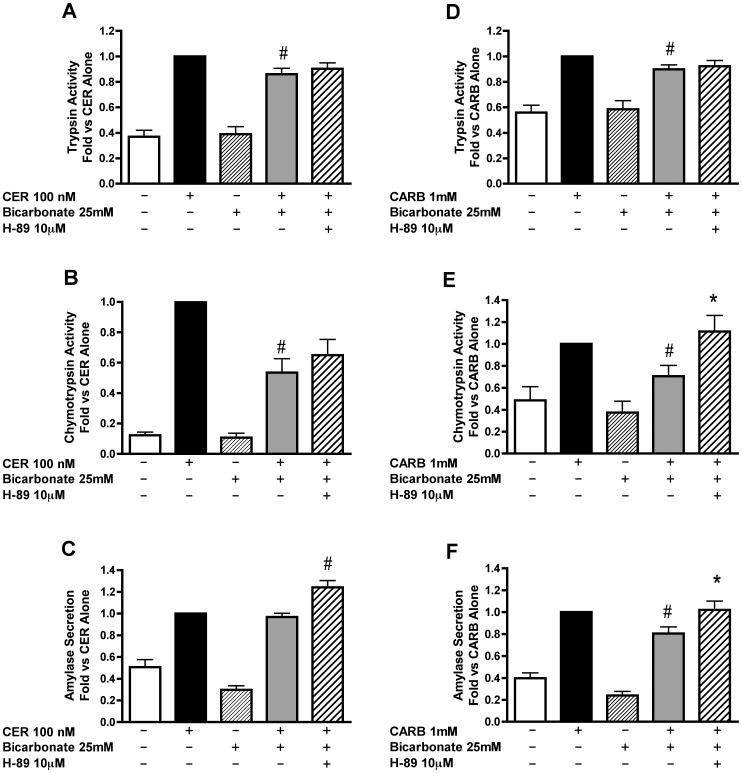
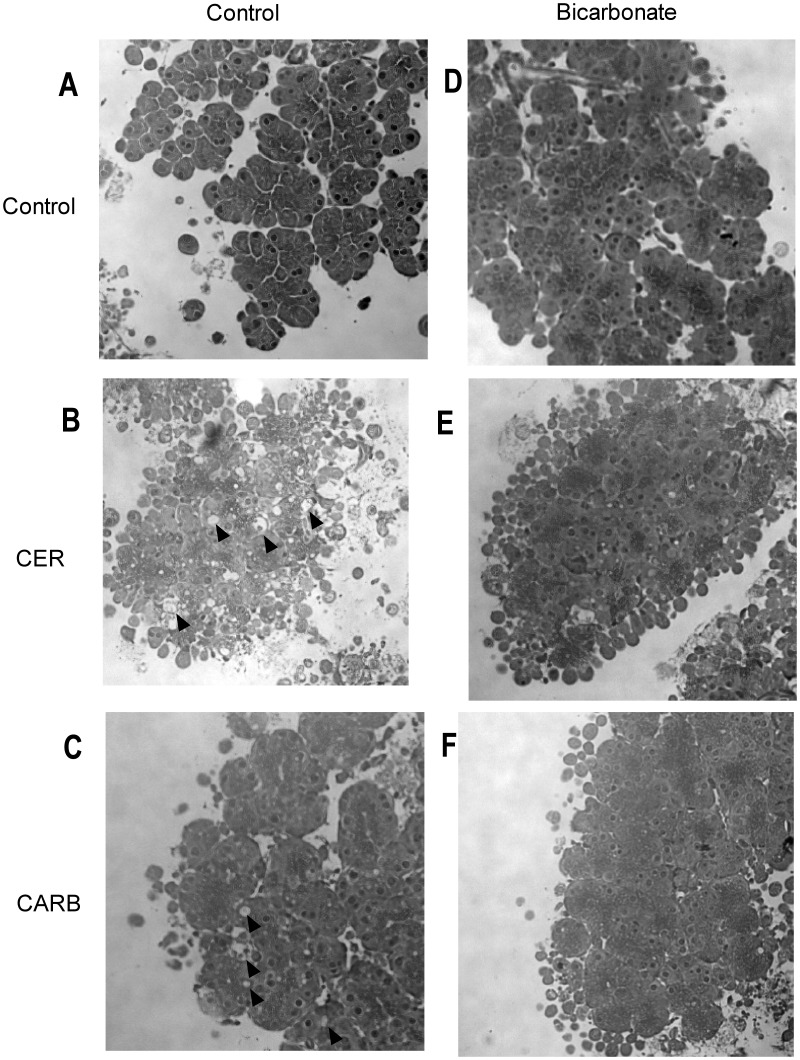
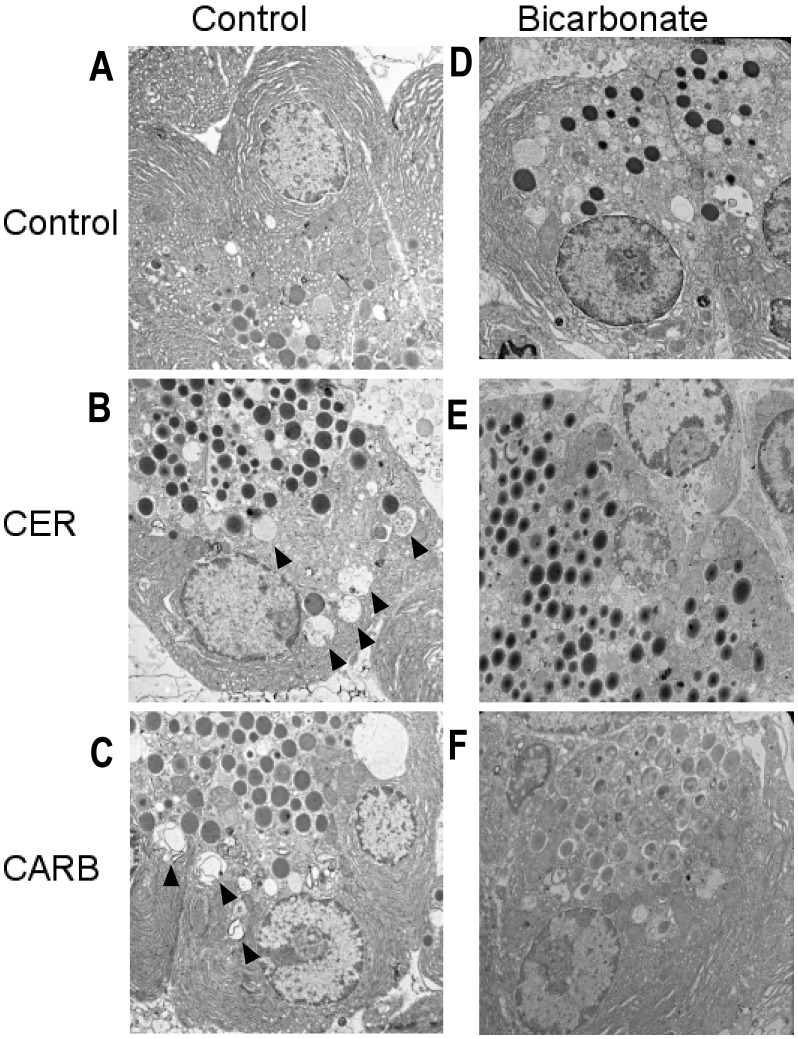
An early feature of acute pancreatitis is activation of zymogens, such as trypsinogen, within the pancreatic acinar cell. Supraphysiologic concentrations of the hormone cholecystokinin (CCK; 100 nM), or its orthologue cerulein (CER), induce zymogen activation and elevate levels of cAMP in pancreatic acinar cells. The two classes of adenylyl cyclase, trans-membrane (tmAC) and soluble (sAC), are activated by distinct mechanisms, localize to specific subcellular domains, and can produce locally high concentrations of cAMP. We hypothesized that sAC activity might selectively modulate acinar cell zymogen activation. sAC was identified in acinar cells by PCR and immunoblot. It localized to the apical region of the cell under resting conditions and redistributed intracellularly after treatment with supraphysiologic concentrations of cerulein. In cerulein-treated cells, pre-incubation with a trans-membrane adenylyl cyclase inhibitor did not affect zymogen activation or amylase secretion. However, treatment with a sAC inhibitor (KH7), or inhibition of a downstream target of cAMP, protein kinase A (PKA), significantly enhanced secretagogue-stimulated zymogen activation and amylase secretion. Activation of sAC with bicarbonate significantly inhibited secretagogue-stimulated zymogen activation; this response was decreased by inhibition of sAC or PKA. Bicarbonate also enhanced secretagogue-stimulated cAMP accumulation; this effect was inhibited by KH7. Bicarbonate treatment reduced secretagogue-stimulated acinar cell vacuolization, an early marker of pancreatitis. These data suggest that activation of sAC in the pancreatic acinar cell has a protective effect and reduces the pathologic activation of proteases during pancreatitis.
急性胰腺炎的早期特征是胰泡细胞内的酶原(如胰蛋白酶原)被激活。激素胆囊收缩素(CCK;100 nM)或其同源物蛙皮素(CER)的超生理浓度会诱导酶原激活并升高胰腺泡细胞中的 cAMP 水平。两种类型的腺苷酸环化酶,跨膜(tmAC)和可溶性(sAC),通过不同的机制被激活,定位于特定的亚细胞区室,并能产生局部高浓度的 cAMP。我们假设 sAC 活性可能选择性地调节胰泡细胞酶原的激活。通过 PCR 和免疫印迹鉴定了 sAC 在胰泡细胞中的表达。在静息状态下,sAC 定位于细胞的顶区,在用超生理浓度的 CER 处理后,sAC 在内质网重新分布。在 CER 处理的细胞中,预先用跨膜腺苷酸环化酶抑制剂处理不会影响酶原的激活或淀粉酶的分泌。然而,用 sAC 抑制剂(KH7)处理,或抑制 cAMP 的下游靶蛋白蛋白激酶 A(PKA),可显著增强刺激物诱导的酶原激活和淀粉酶分泌。用碳酸氢盐激活 sAC 可显著抑制刺激物诱导的酶原激活;这种反应被 sAC 或 PKA 的抑制所减弱。碳酸氢盐也增强了刺激物诱导的 cAMP 积累;这种作用被 KH7 抑制。碳酸氢盐处理减少了刺激物诱导的胰腺泡细胞空泡化,这是胰腺炎的早期标志物。这些数据表明,在胰腺泡细胞中激活 sAC 具有保护作用,并减少胰腺炎期间蛋白酶的病理性激活。