McDonald Institute for Archaeological Research, University of Cambridge, Cambridge, United Kingdom.
PLoS One. 2012;7(7):e41437. doi: 10.1371/journal.pone.0041437. Epub 2012 Jul 24.
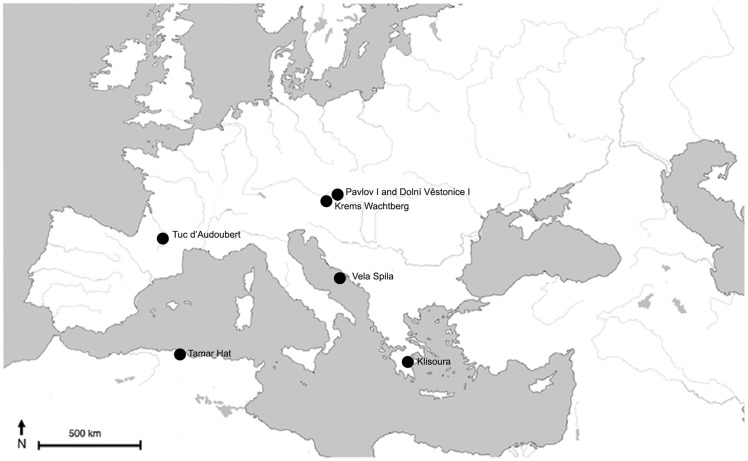
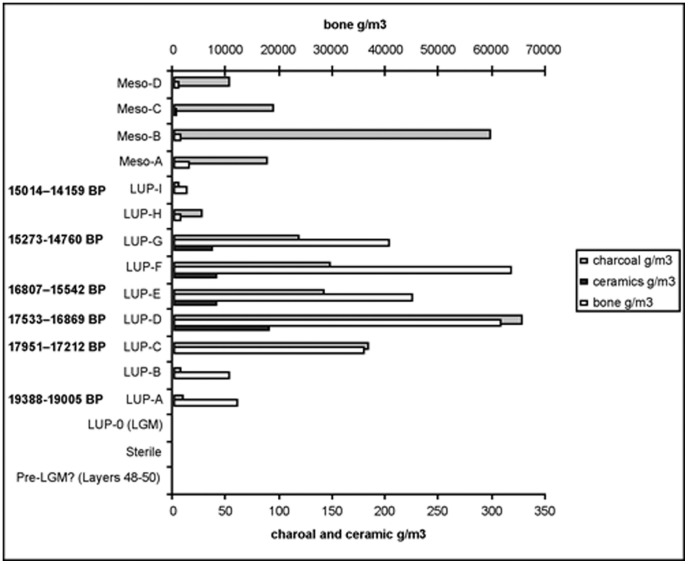
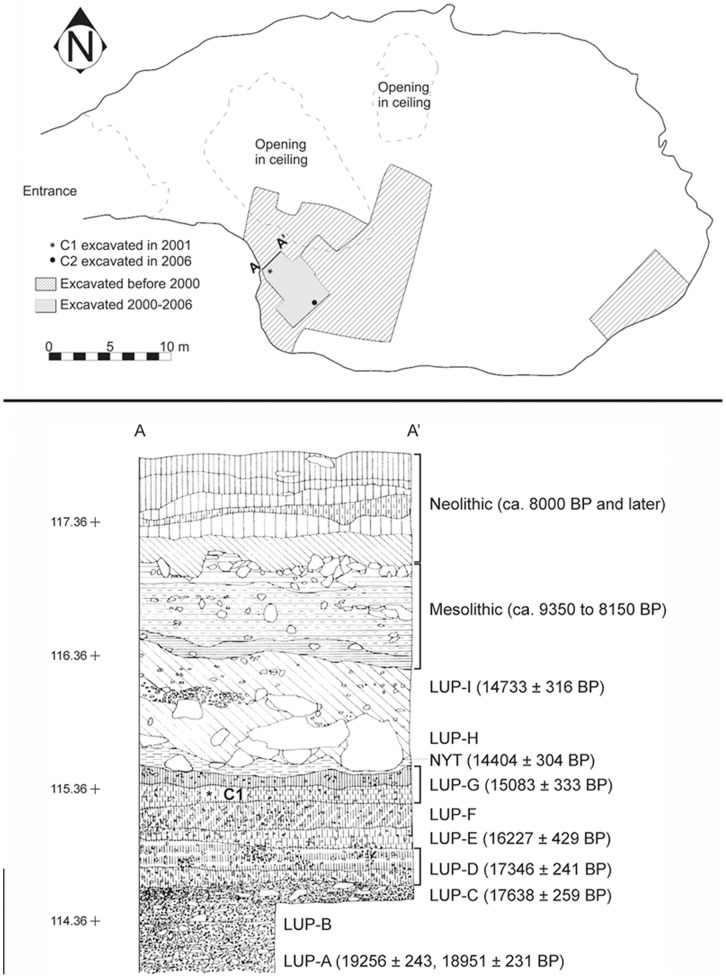
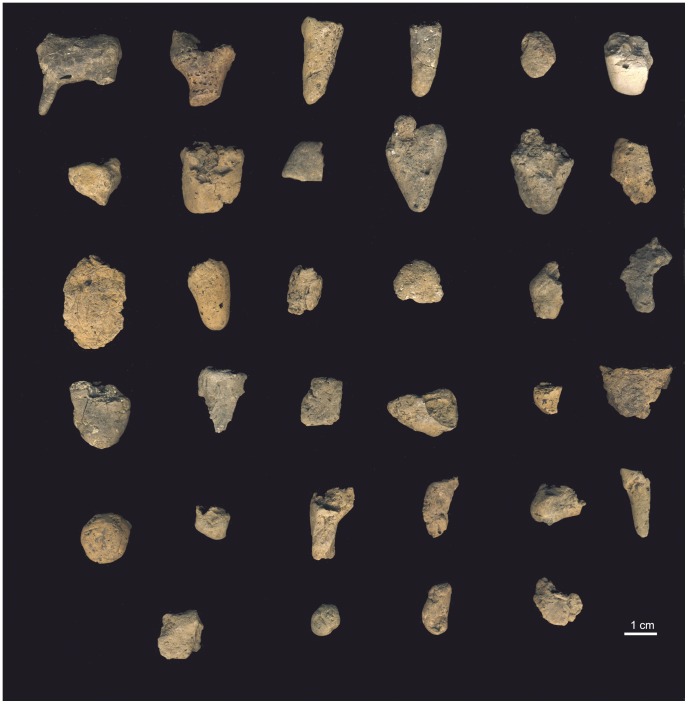
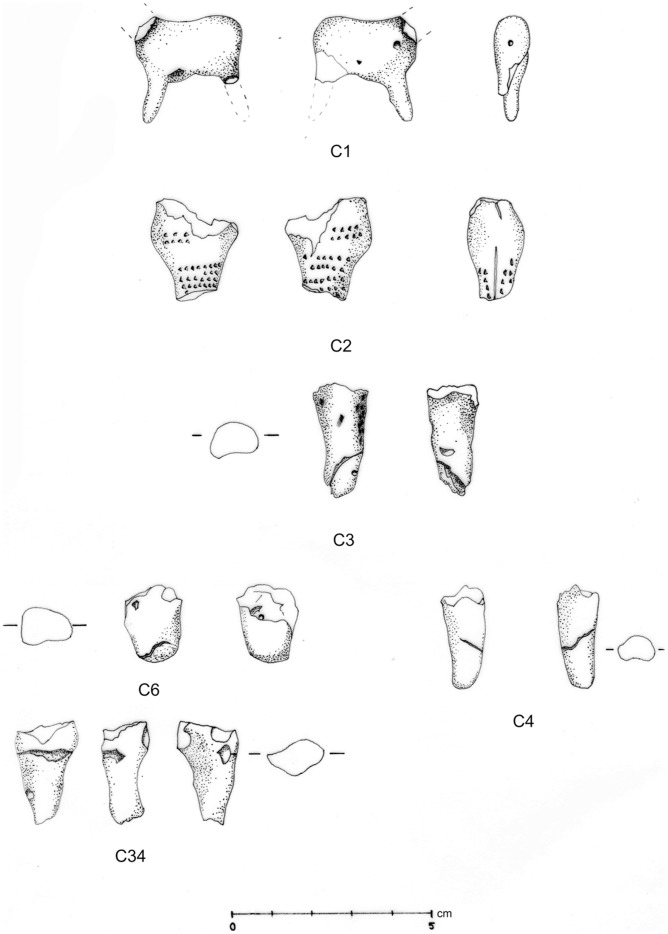
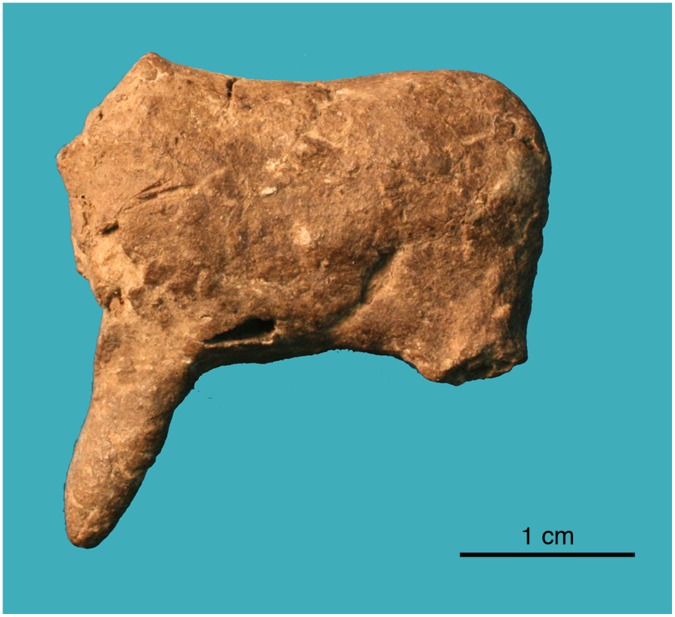
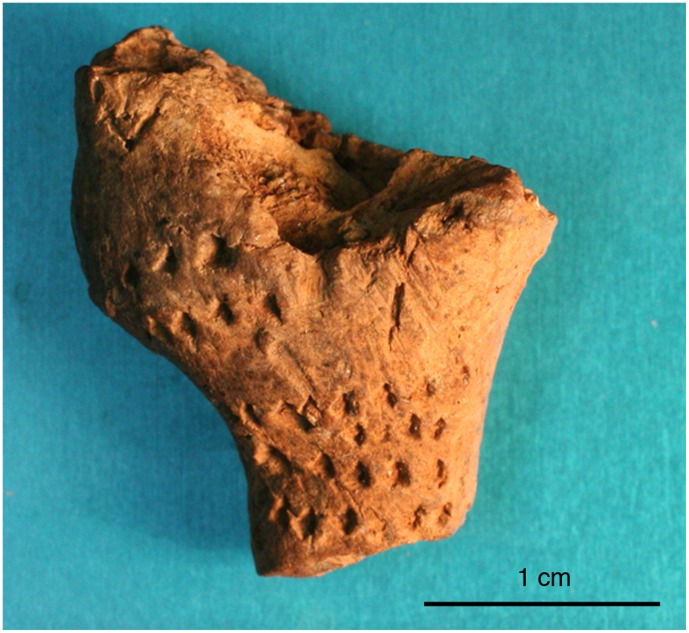
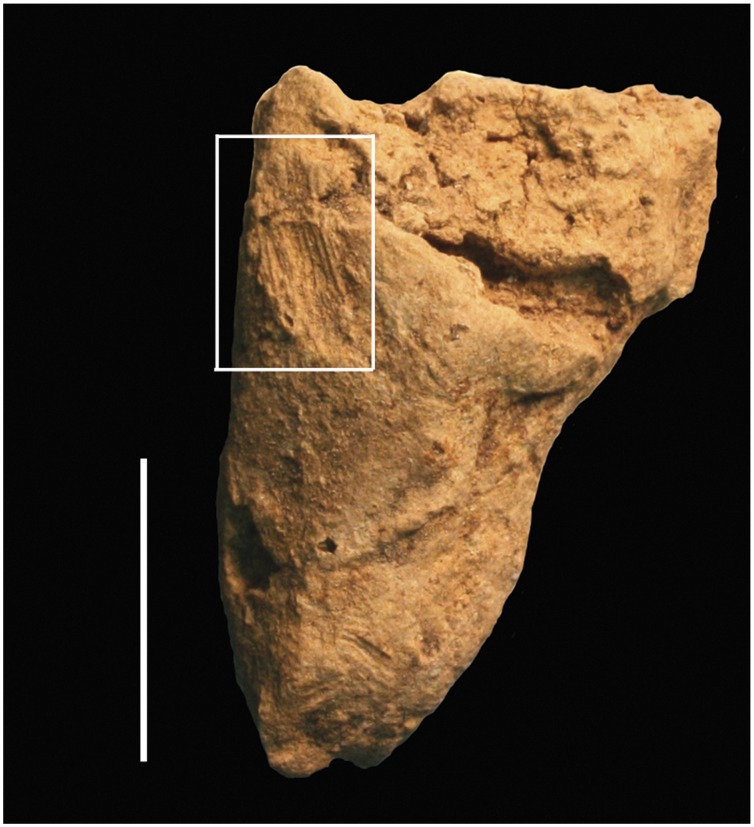
Recent finds of 36 ceramic artifacts from the archaeological site of Vela Spila, Croatia, offer the first evidence of ceramic figurative art in late Upper Palaeolithic Europe, c. 17,500-15,000 years before present (BP). The size and diversity of this artistic ceramic assemblage indicate the emergence of a social tradition, rather than more ephemeral experimentation with a new material. Vela Spila ceramics offer compelling technological and stylistic comparisons with the only other evidence of a developed Palaeolithic ceramic tradition found at the sites of Pavlov I and Dolní Věstonice I, in the Czech Republic, c. 31,000-27,000 cal BP. Because of the 10,000-year gap between the two assemblages, the Vela Spila ceramics are interpreted as evidence of an independent invention of this technology. Consequently, these artifacts provide evidence of a new social context in which ceramics developed and were used to make art in the Upper Palaeolithic.
最近在克罗地亚的维拉·斯皮拉考古遗址发现了 36 件陶瓷制品,这是旧石器时代晚期欧洲(公元前 17500 年至 15000 年)出现具象陶瓷艺术的首个证据。这批艺术陶瓷的规模和多样性表明,一种社会传统正在出现,而不是对新材料的更短暂的尝试。与在捷克共和国的帕夫洛瓦一世和下维斯特尼采一世遗址发现的唯一其他发达旧石器时代陶瓷传统的证据相比,维拉·斯皮拉的陶瓷制品在技术和风格上具有很强的可比性,后者的年代约为公元前 31000 年至 27000 年。由于这两个组合之间存在 10000 年的差距,因此这些陶瓷制品被解释为独立发明这种技术的证据。因此,这些文物提供了证据,表明在旧石器时代晚期,陶瓷技术已经发展,并被用于制作艺术品的新社会背景。