Center for Regenerative Therapies Dresden (CRTD), TU Dresden, Dresden, Germany.
PLoS One. 2012;7(7):e41798. doi: 10.1371/journal.pone.0041798. Epub 2012 Jul 25.
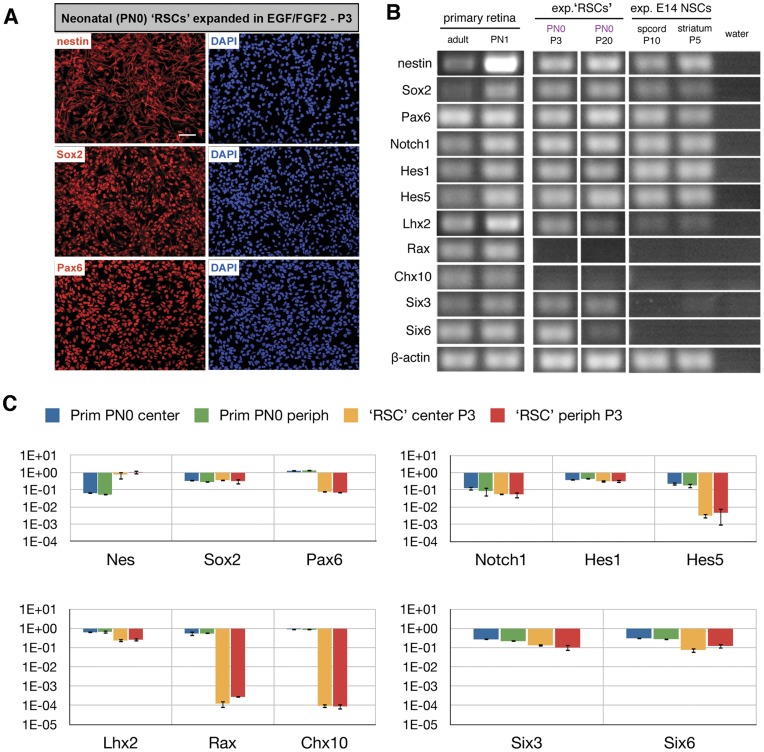
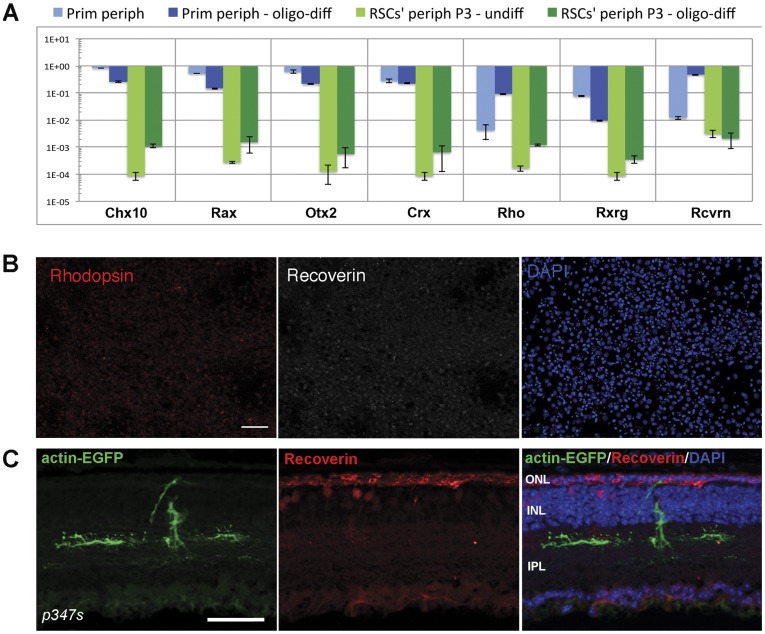
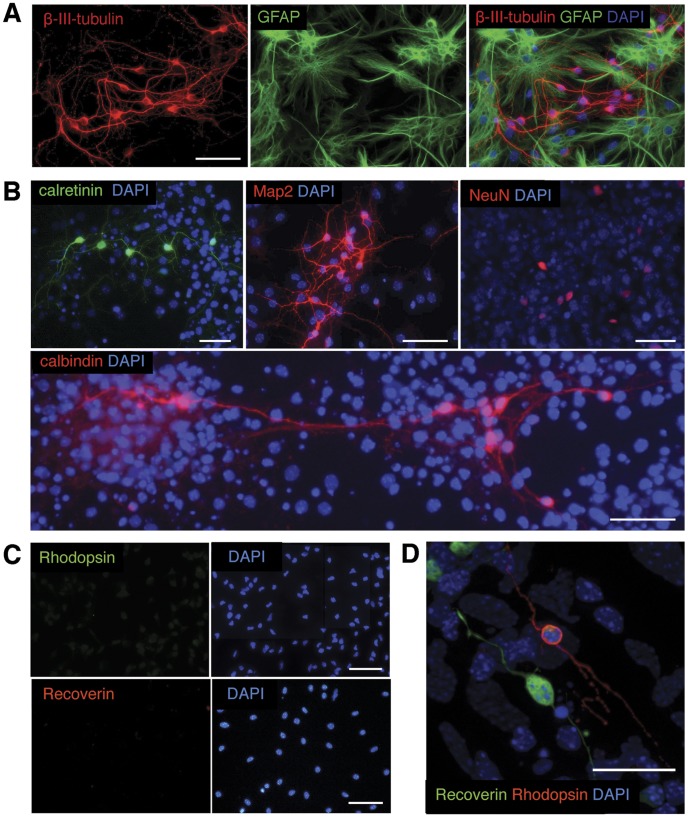
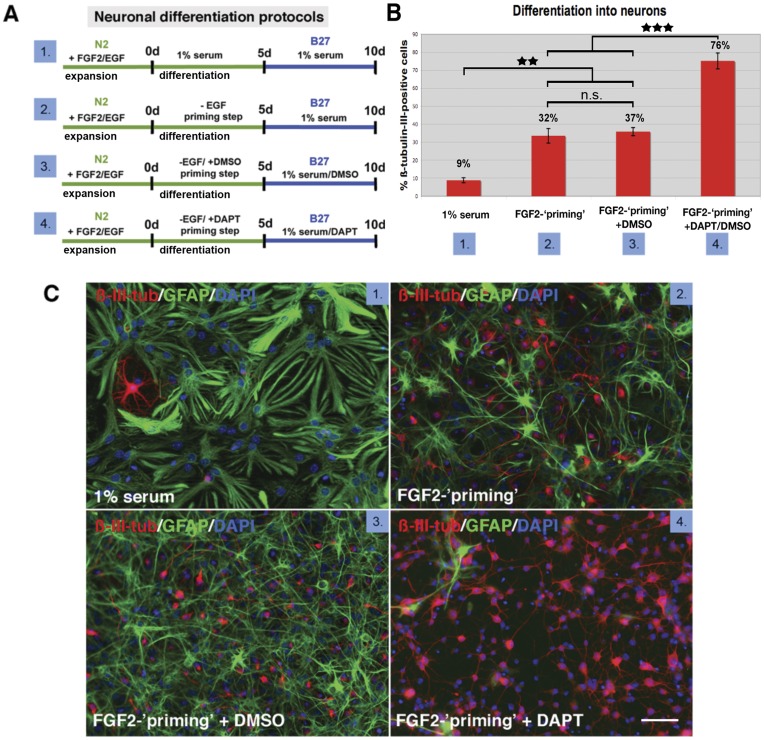
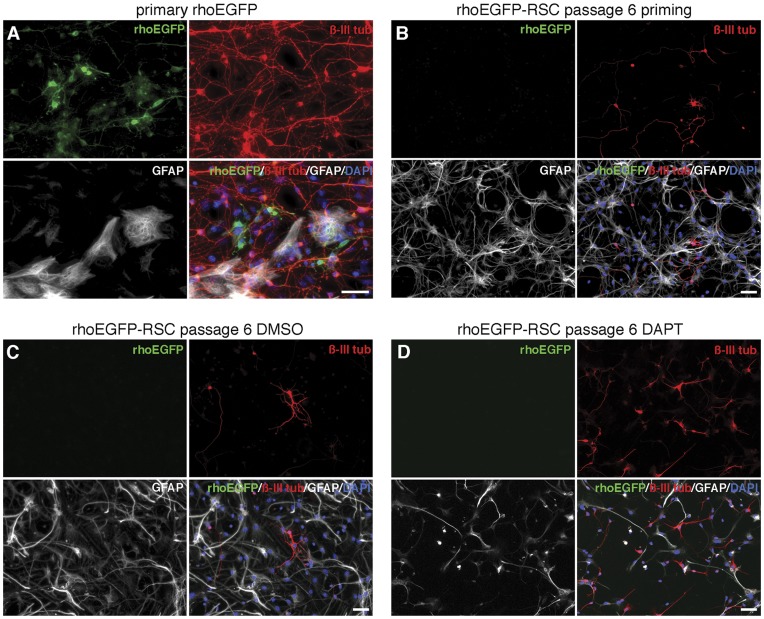
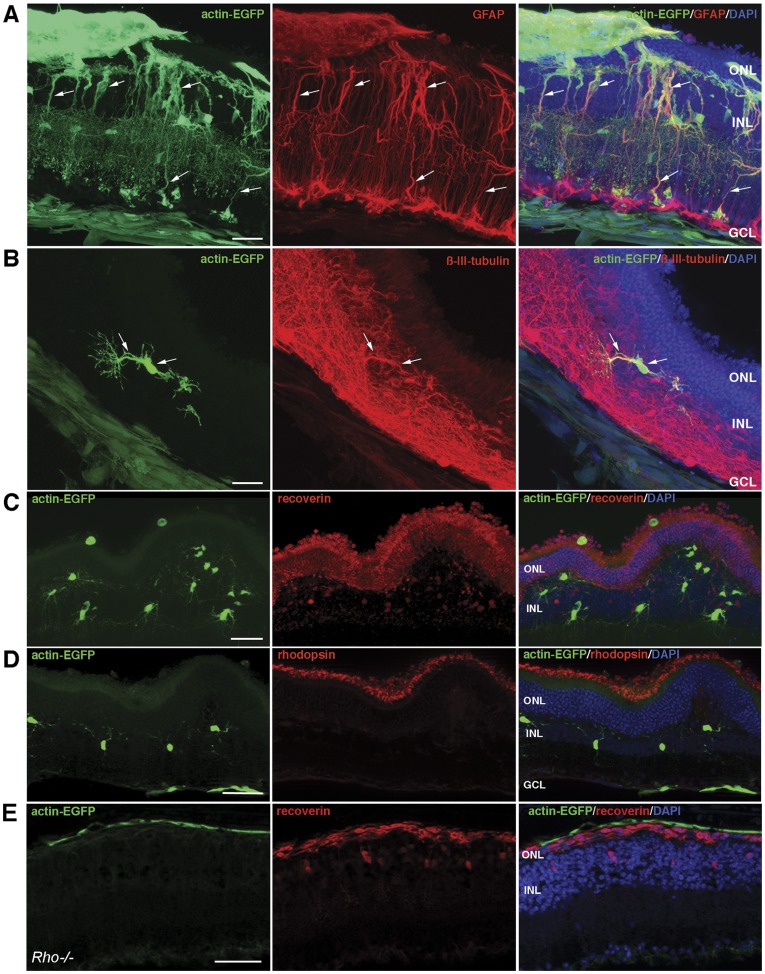
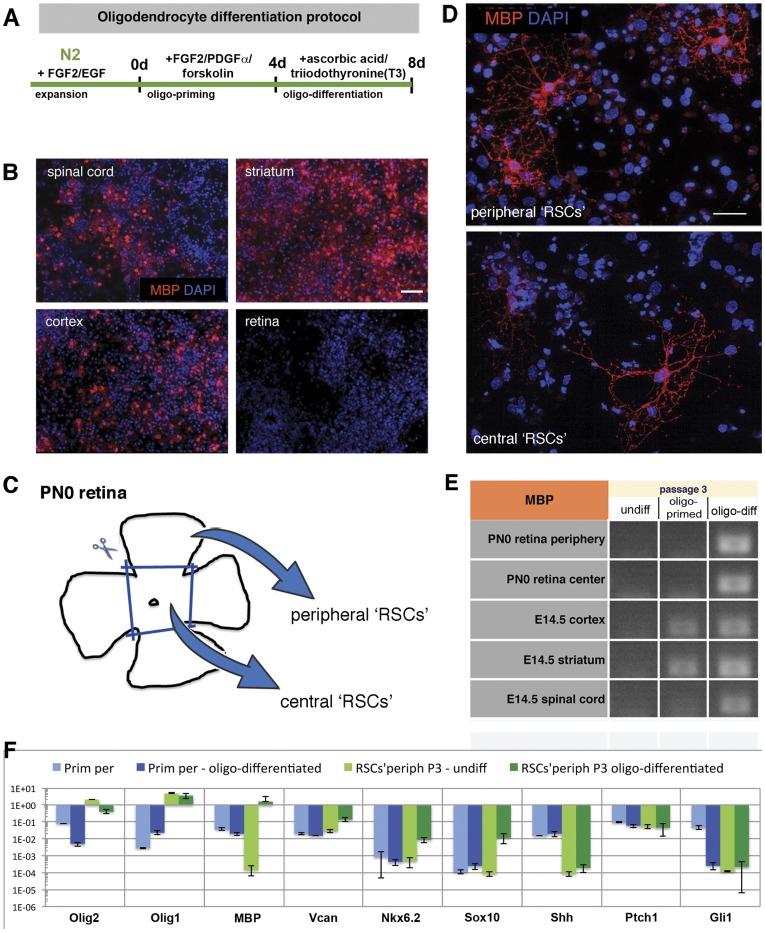
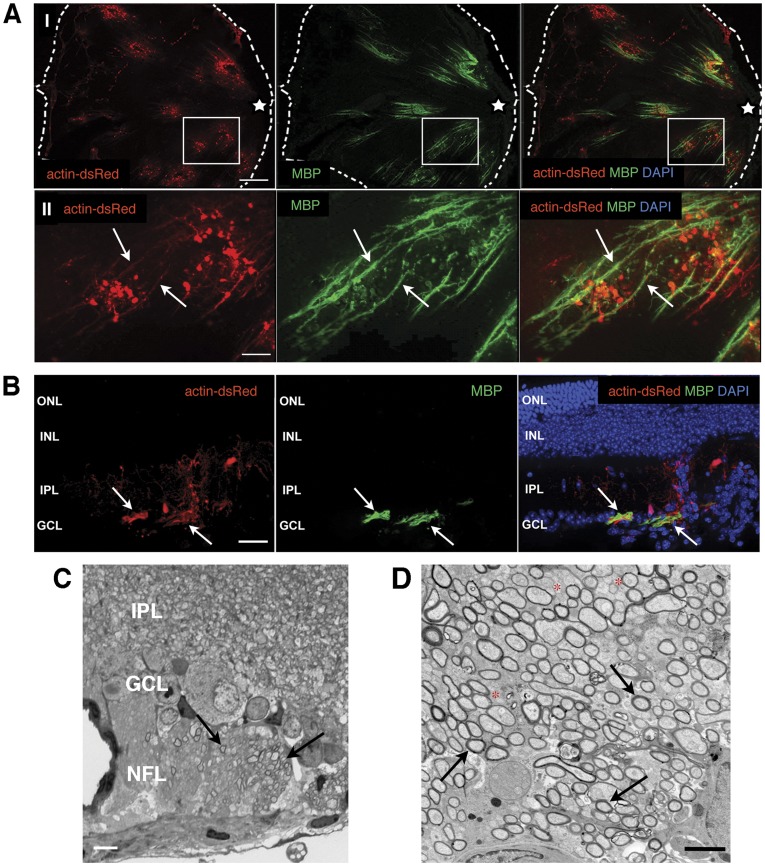
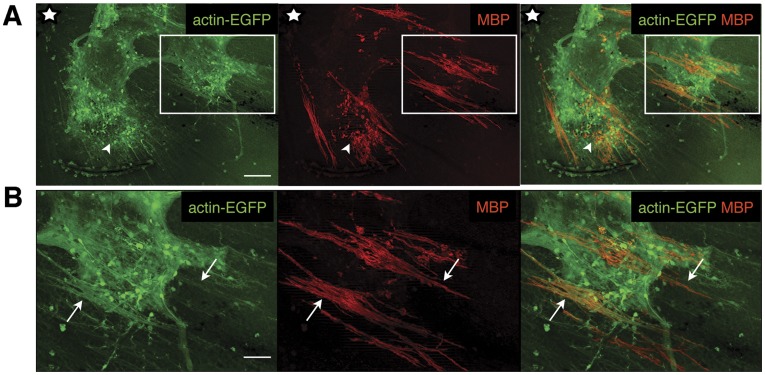
Cell transplantation to treat retinal degenerative diseases represents an option for the replacement of lost photoreceptor cells. In vitro expandable cells isolated from the developing mammalian retina have been suggested as a potential source for the generation of high numbers of donor photoreceptors. In this study we used standardized culture conditions based on the presence of the mitogens FGF-2 and EGF to generate high numbers of cells in vitro from the developing mouse retina. These presumptive 'retinal stem cells' ('RSCs') can be propagated as monolayer cultures over multiple passages, express markers of undifferentiated neural cells, and generate neuronal and glial cell types upon withdrawal of mitogens in vitro or following transplantation into the adult mouse retina. The proportion of neuronal differentiation can be significantly increased by stepwise removal of mitogens and inhibition of the notch signaling pathway. However, 'RSCs', by contrast to their primary counterparts in vivo, i.e. retinal progenitor cells, loose the expression of retina-specific progenitor markers like Rax and Chx10 after passaging and fail to differentiate into photoreceptors both in vitro or after intraretinal transplantation. Notably, 'RSCs' can be induced to differentiate into myelinating oligodendrocytes, a cell type not generated by primary retinal progenitor cells. Based on these findings we conclude that 'RSCs' expanded in high concentrations of FGF-2 and EGF loose their retinal identity and acquire features of in vitro expandable neural stem-like cells making them an inappropriate cell source for strategies aimed at replacing photoreceptor cells in the degenerated retina.
细胞移植治疗视网膜退行性疾病是替代丧失的感光细胞的一种选择。从发育中的哺乳动物视网膜中分离出的可在体外扩增的细胞被认为是产生大量供体感光细胞的潜在来源。在这项研究中,我们使用基于丝裂原 FGF-2 和 EGF 存在的标准化培养条件,从发育中的小鼠视网膜中体外产生大量细胞。这些假定的“视网膜干细胞”(“RSCs”)可以在单层培养物中传代培养多次,表达未分化神经细胞的标志物,并在体外去除丝裂原或移植到成年小鼠视网膜后产生神经元和神经胶质细胞类型。通过逐步去除丝裂原和抑制 Notch 信号通路,可以显著增加神经元分化的比例。然而,与体内的原发性对应物(即视网膜祖细胞)相比,“RSCs”在传代后失去了视网膜特异性祖细胞标志物(如 Rax 和 Chx10)的表达,并且无论是在体外还是在视网膜内移植后都无法分化为感光细胞。值得注意的是,“RSCs”可以被诱导分化为髓鞘形成的少突胶质细胞,这是原发性视网膜祖细胞不能产生的细胞类型。基于这些发现,我们得出结论,在高浓度 FGF-2 和 EGF 中扩增的“RSCs”失去了其视网膜身份,并获得了体外可扩增的神经干细胞样细胞的特征,使它们成为替代退化视网膜中感光细胞的策略的不合适细胞来源。