Oncology Research Unit, Pfizer Worldwide Research & Development, La Jolla Laboratories, San Diego, CA 92121, USA.
BMC Genomics. 2012 Jul 31;13:355. doi: 10.1186/1471-2164-13-355.
The androgen receptor plays a critical role throughout the progression of prostate cancer and is an important drug target for this disease. While chromatin immunoprecipitation coupled with massively parallel sequencing (ChIP-Seq) is becoming an essential tool for studying transcription and chromatin modification factors, it has rarely been employed in the context of drug discovery.
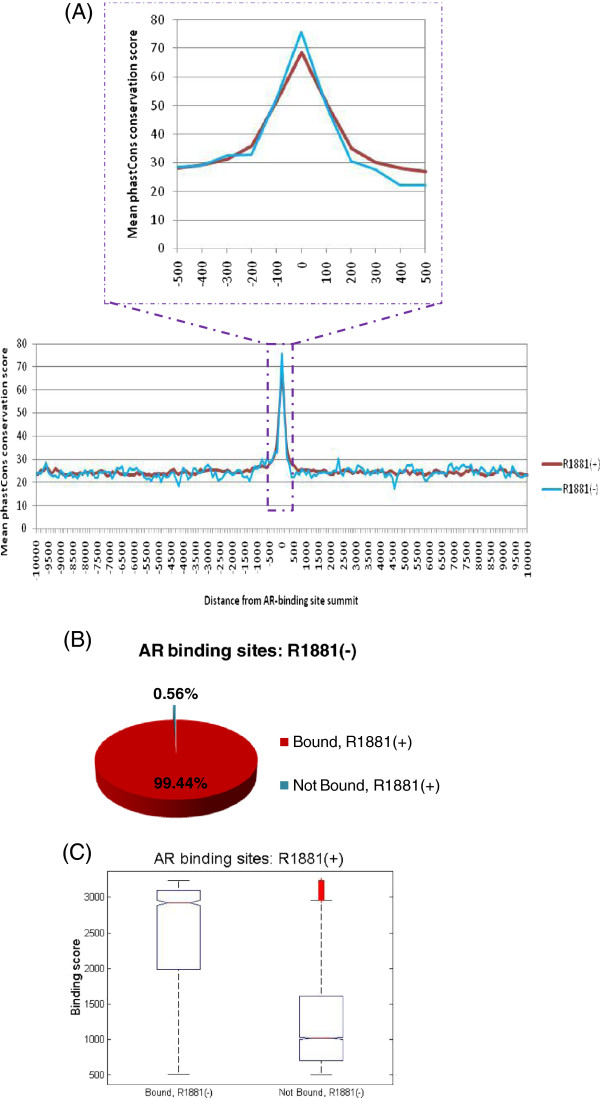
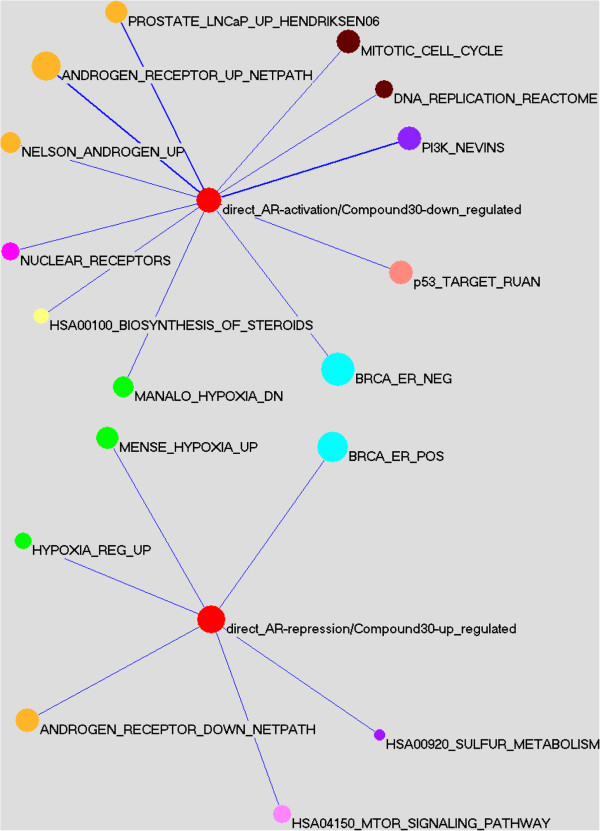
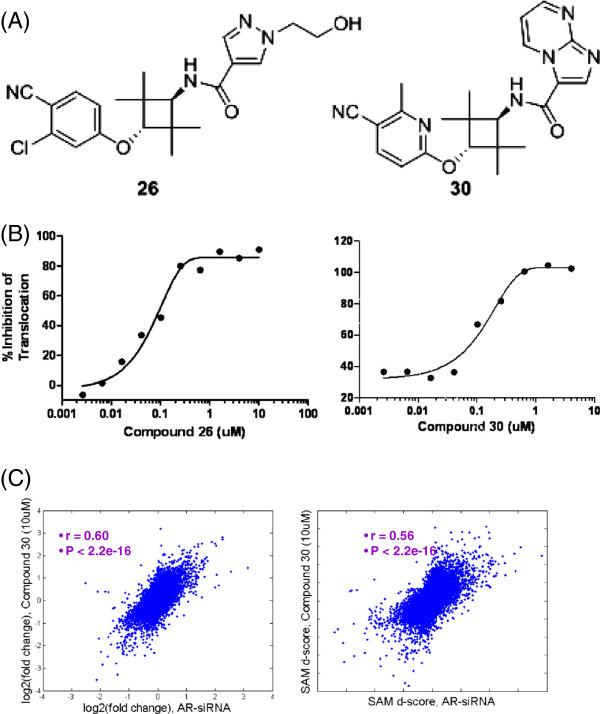
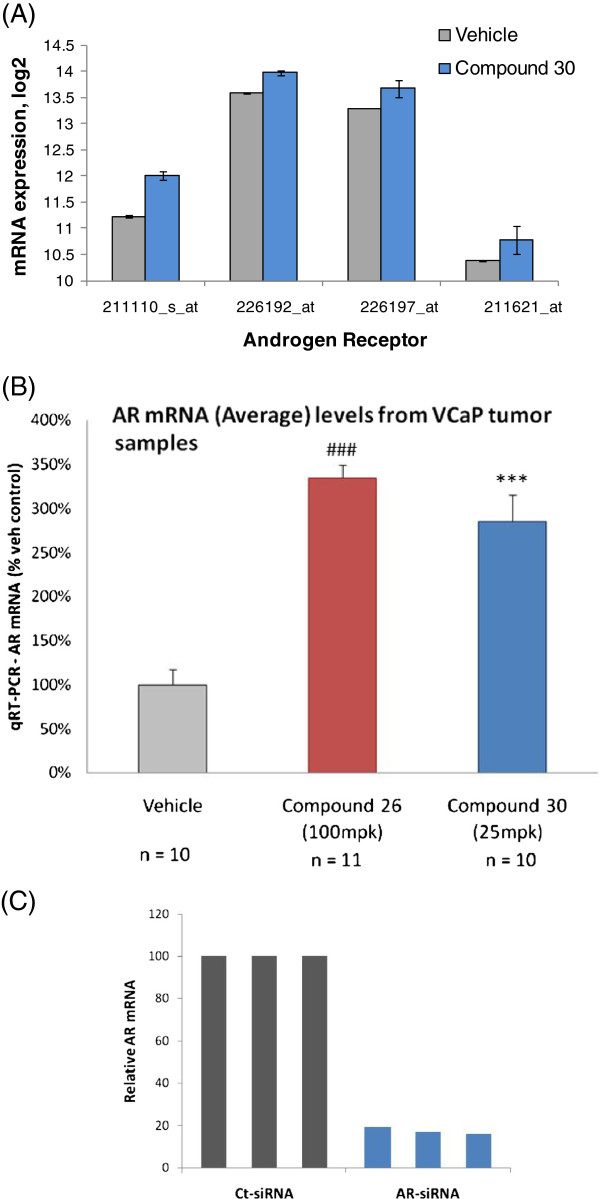
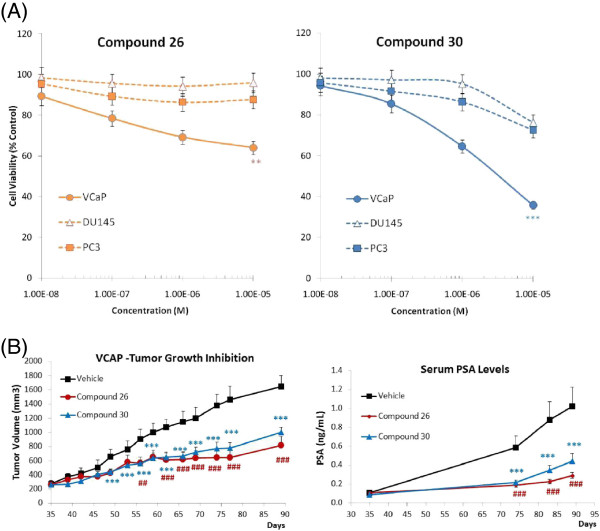
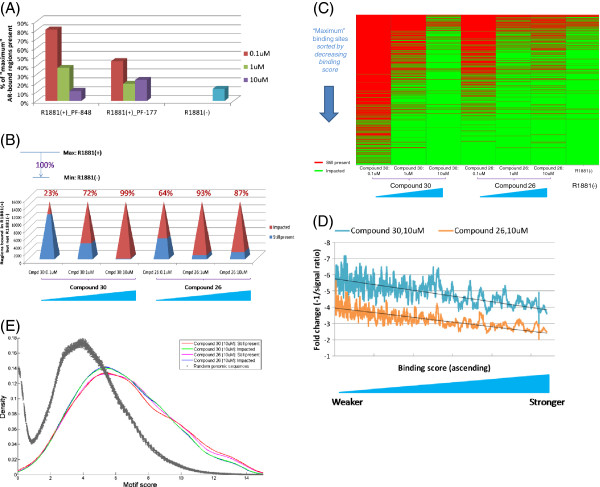
Here we report changes in the genome-wide AR binding landscape due to dose-dependent inhibition by drug-like small molecules using ChIP-Seq. Integration of sequence analysis, transcriptome profiling, cell viability assays and xenograft tumor growth inhibition studies enabled us to establish a direct cistrome-activity relationship for two novel potent AR antagonists. By selectively occupying the strongest binding sites, AR signaling remains active even when androgen levels are low, as is characteristic of first-line androgen ablation therapy. Coupled cistrome and transcriptome profiling upon small molecule antagonism led to the identification of a core set of AR direct effector genes that are most likely to mediate the activities of targeted agents: unbiased pathway mapping revealed that AR is a key modulator of steroid metabolism by forming a tightly controlled feedback loop with other nuclear receptor family members and this oncogenic effect can be relieved by antagonist treatment. Furthermore, we found that AR also has an extensive role in negative gene regulation, with estrogen (related) receptor likely mediating its function as a transcriptional repressor.
Our study provides a global and dynamic view of AR's regulatory program upon antagonism, which may serve as a molecular basis for deciphering and developing AR therapeutics.
雄激素受体在前列腺癌的进展过程中起着至关重要的作用,是该疾病的重要药物靶点。虽然染色质免疫沉淀结合大规模平行测序(ChIP-Seq)已成为研究转录和染色质修饰因子的重要工具,但在药物发现方面却很少使用。
我们在此报告了使用 ChIP-Seq 由于药物样小分子的剂量依赖性抑制作用而导致全基因组 AR 结合景观的变化。通过序列分析、转录组谱分析、细胞活力测定和异种移植肿瘤生长抑制研究的整合,我们为两种新型有效的 AR 拮抗剂建立了直接顺式作用元件-活性关系。通过选择性占据最强的结合位点,即使雄激素水平较低,AR 信号仍保持活跃,这是一线雄激素剥夺治疗的特征。小分子拮抗作用后的顺式作用元件和转录组谱分析导致确定了一组 AR 直接效应基因,这些基因最有可能介导靶向药物的活性:无偏途径映射表明,AR 通过与其他核受体家族成员形成紧密控制的反馈回路,是类固醇代谢的关键调节剂,这种致癌作用可以通过拮抗剂治疗得到缓解。此外,我们发现 AR 在负性基因调控中也有广泛的作用,雌激素(相关)受体可能介导其作为转录抑制子的功能。
我们的研究提供了拮抗作用下 AR 调节程序的全局和动态视图,这可能为解析和开发 AR 治疗方法提供分子基础。