University of California, San Francisco, CA, USA.
Hum Vaccin Immunother. 2012 Aug;8(8):1029-35. doi: 10.4161/hv.20473. Epub 2012 Aug 1.
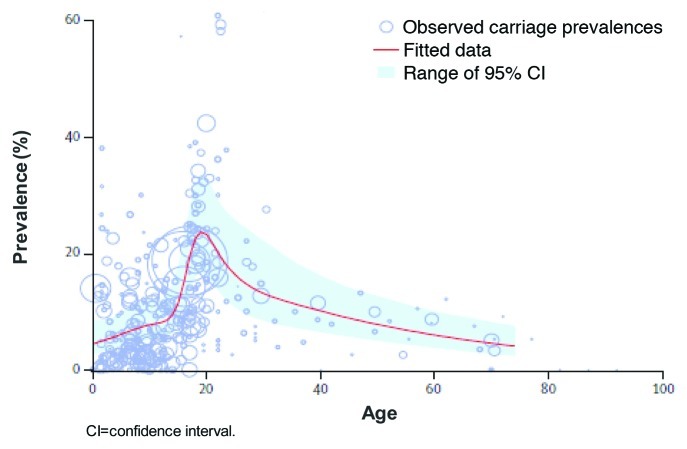
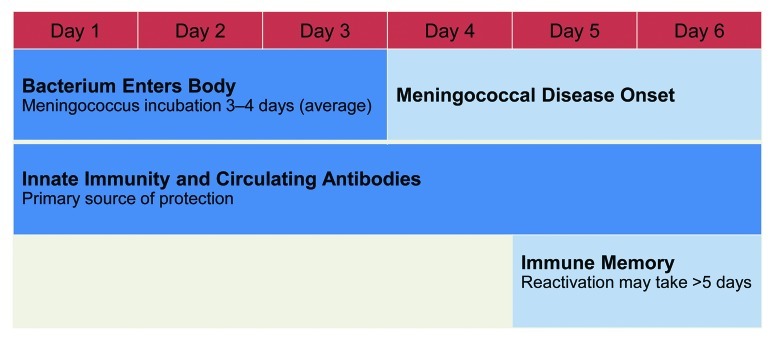
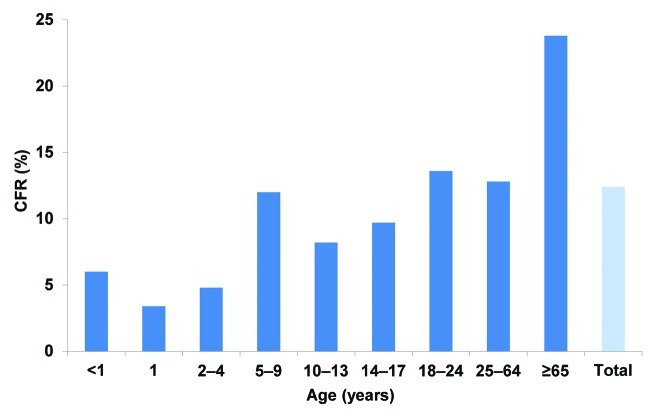
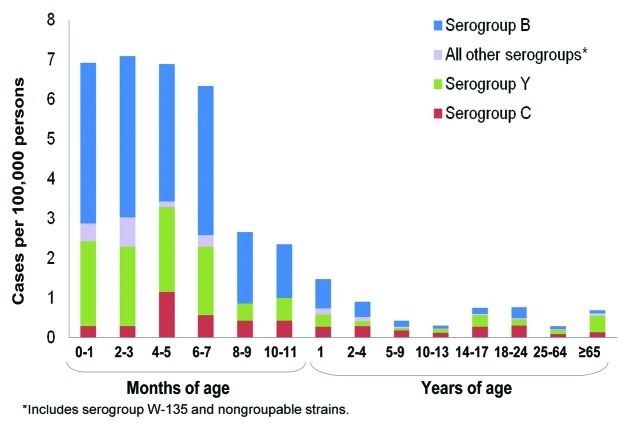
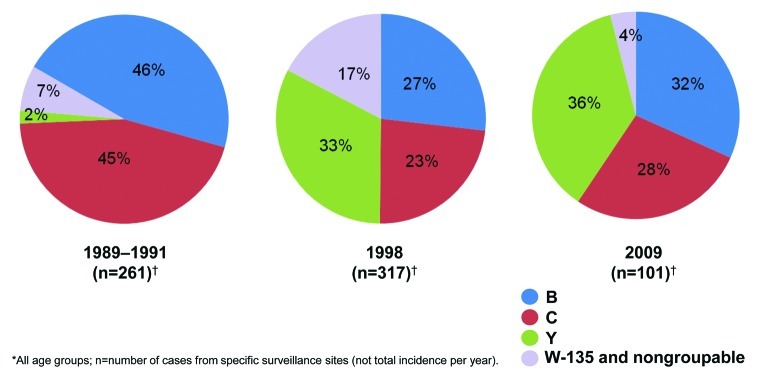
Neisseria meningitidis infection results in life-threatening illnesses, including bacteremia, sepsis and meningitis. Early diagnosis and treatment are a challenge due to rapid disease progression, resulting in high mortality and morbidity in survivors. Disease can occur in healthy individuals, however, risk of infection is higher in patients with certain risk factors. N meningitidis carriage and case-fatality rates are high in adolescents and young adults. The absolute incidence of meningococcal disease has decreased partially due to increasing meningococcal vaccination rates. Maintaining protective levels of circulating antibodies by vaccination is necessary for clinical protection against disease. The Centers for Disease Control and Prevention Advisory Committee on Immunization Practices guidelines recommend vaccination for all individuals aged 11 through 12 years, followed by a booster dose at age 16 years for maintenance of protective antibody levels throughout the high-risk years. Despite these guidelines, many adolescents remain unvaccinated and susceptible to infection and disease.
脑膜炎奈瑟菌感染可导致危及生命的疾病,包括菌血症、败血症和脑膜炎。由于疾病进展迅速,早期诊断和治疗具有挑战性,导致幸存者的死亡率和发病率居高不下。这种疾病可发生在健康个体中,但某些危险因素患者的感染风险更高。脑膜炎奈瑟菌的带菌率和病死率在青少年和年轻成年人中较高。由于脑膜炎球菌疫苗接种率的增加,脑膜炎球菌病的绝对发病率有所下降。通过疫苗接种维持循环抗体的保护水平对于预防疾病的临床保护是必要的。美国疾病控制与预防中心免疫实践咨询委员会指南建议对所有 11 至 12 岁的个体进行疫苗接种,然后在 16 岁时加强剂量,以维持高风险年龄段的保护性抗体水平。尽管有这些指南,但许多青少年仍未接种疫苗,容易受到感染和疾病的影响。