Foundation for Applied Molecular Evolution, Gainesville, Florida, United States of America.
PLoS One. 2012;7(7):e41175. doi: 10.1371/journal.pone.0041175. Epub 2012 Jul 31.
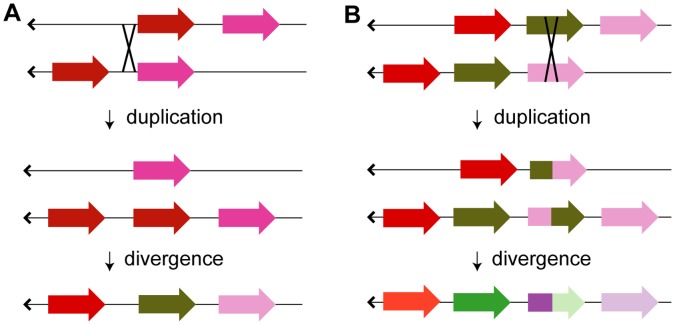
Gene duplication is a source of molecular innovation throughout evolution. However, even with massive amounts of genome sequence data, correlating gene duplication with speciation and other events in natural history can be difficult. This is especially true in its most interesting cases, where rapid and multiple duplications are likely to reflect adaptation to rapidly changing environments and life styles. This may be so for Class I of alcohol dehydrogenases (ADH1s), where multiple duplications occurred in primate lineages in Old and New World monkeys (OWMs and NWMs) and hominoids.
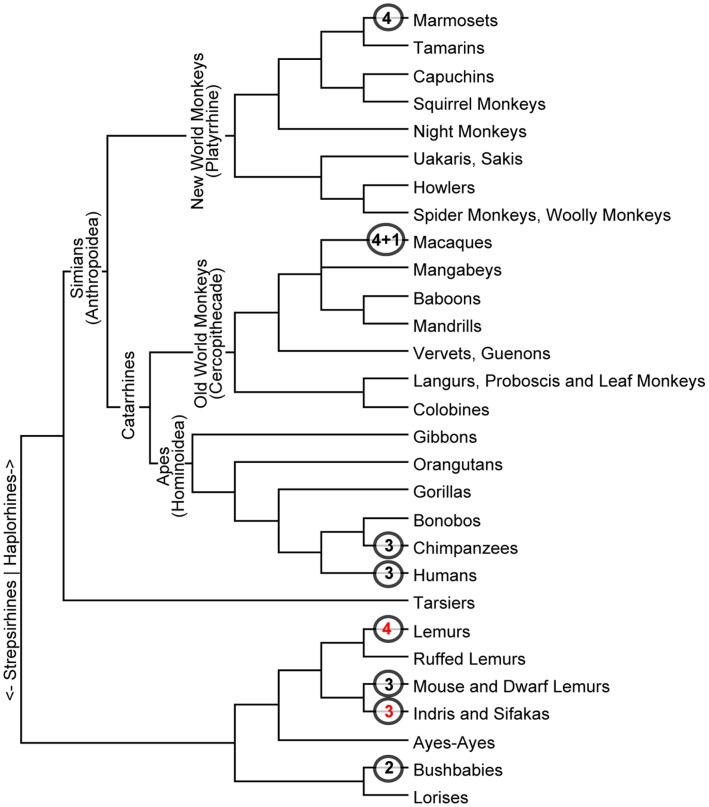
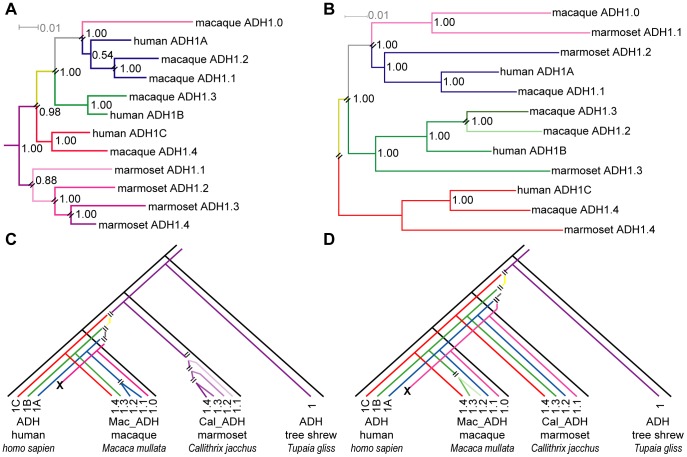
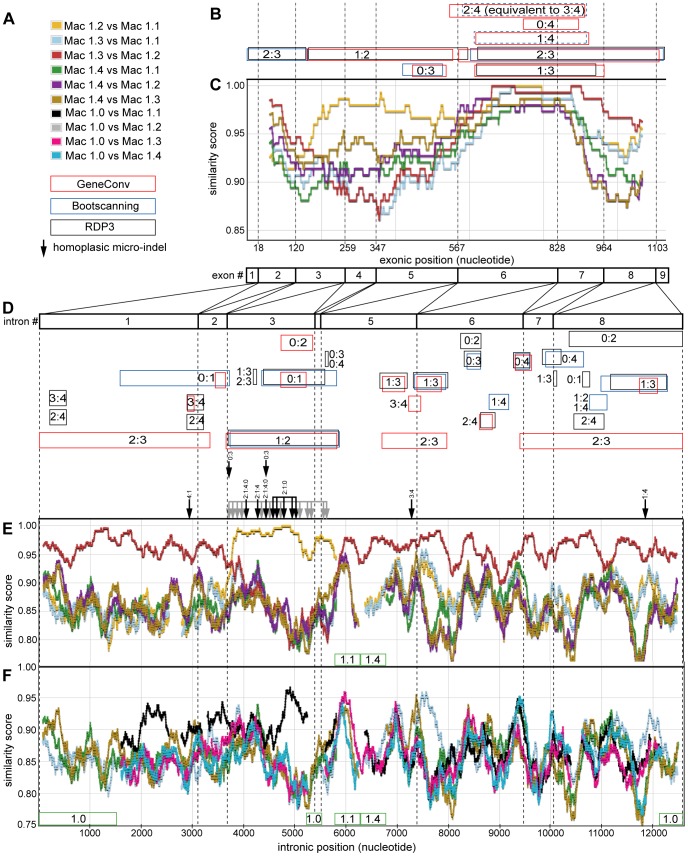
METHODOLOGY/PRINCIPAL FINDINGS: To build a preferred model for the natural history of ADH1s, we determined the sequences of nine new ADH1 genes, finding for the first time multiple paralogs in various prosimians (lemurs, strepsirhines). Database mining then identified novel ADH1 paralogs in both macaque (an OWM) and marmoset (a NWM). These were used with the previously identified human paralogs to resolve controversies relating to dates of duplication and gene conversion in the ADH1 family. Central to these controversies are differences in the topologies of trees generated from exonic (coding) sequences and intronic sequences.
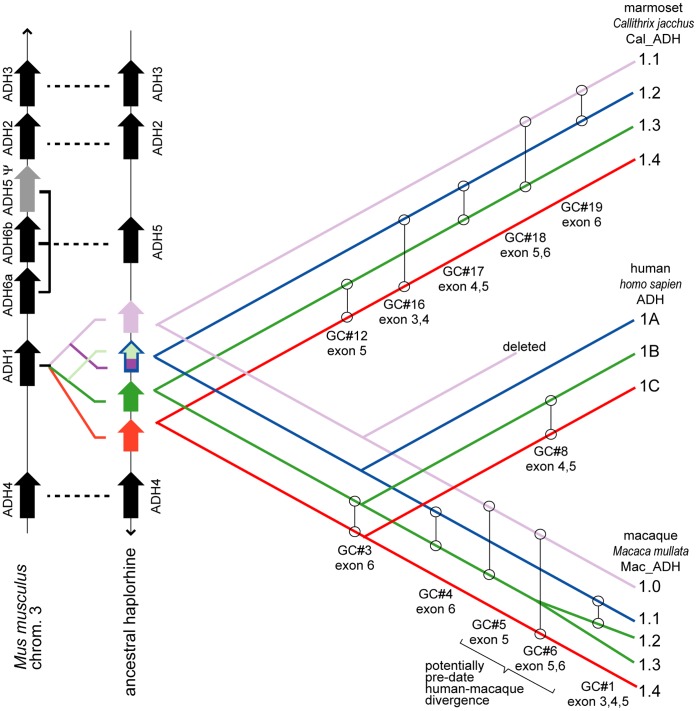
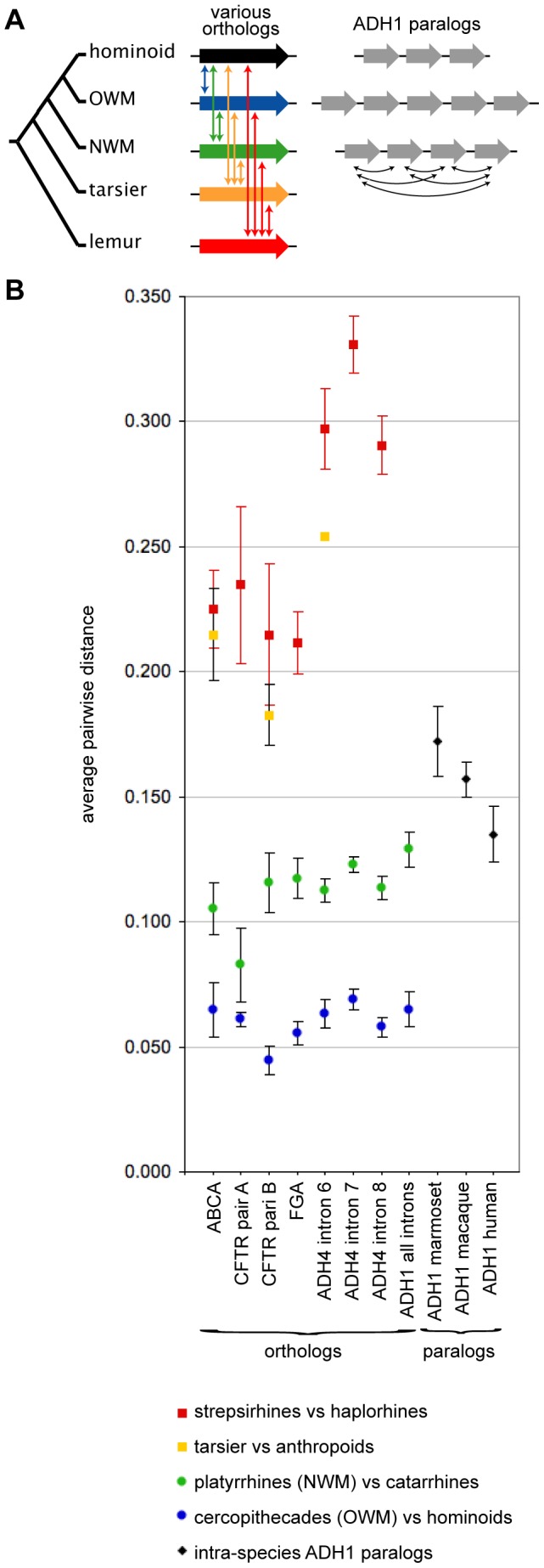
CONCLUSIONS/SIGNIFICANCE: We provide evidence that gene conversions are the primary source of difference, using molecular clock dating of duplications and analyses of microinsertions and deletions (micro-indels). The tree topology inferred from intron sequences appear to more correctly represent the natural history of ADH1s, with the ADH1 paralogs in platyrrhines (NWMs) and catarrhines (OWMs and hominoids) having arisen by duplications shortly predating the divergence of OWMs and NWMs. We also conclude that paralogs in lemurs arose independently. Finally, we identify errors in database interpretation as the source of controversies concerning gene conversion. These analyses provide a model for the natural history of ADH1s that posits four ADH1 paralogs in the ancestor of Catarrhine and Platyrrhine primates, followed by the loss of an ADH1 paralog in the human lineage.
基因复制是进化过程中分子创新的一个来源。然而,即使有大量的基因组序列数据,将基因复制与物种形成和自然历史中的其他事件联系起来也可能很困难。在最有趣的情况下尤其如此,在这些情况下,快速和多次的复制可能反映了对快速变化的环境和生活方式的适应。这可能适用于 I 类醇脱氢酶(ADH1s),其中在旧世界和新世界猴(OWMs 和 NWMs)和人科动物的灵长类动物谱系中发生了多次复制。
方法/主要发现:为了构建 ADH1 自然史的首选模型,我们确定了 9 个新 ADH1 基因的序列,首次在各种原猴(狐猴、灵长目)中发现了多个旁系同源物。然后通过数据库挖掘在猕猴(OWM)和狨猴(NWM)中发现了新的 ADH1 旁系同源物。这些与之前鉴定的人类旁系同源物一起用于解决与 ADH1 家族中复制和基因转换的日期有关的争议。这些争议的核心是从外显子(编码)序列和内含子序列生成的树的拓扑结构的差异。
结论/意义:我们提供了基因转换是差异的主要来源的证据,使用复制的分子钟约会和对微插入和缺失(微插入)的分析。从内含子序列推断的树拓扑结构似乎更正确地代表了 ADH1 的自然史,platyrrhines(NWMs)和 catarrhines(OWMs 和人科动物)中的 ADH1 旁系同源物的起源是在 OWMs 和 NWMs 分化之前不久的复制。我们还得出结论,狐猴中的旁系同源物是独立出现的。最后,我们确定数据库解释中的错误是基因转换争议的来源。这些分析为 ADH1 的自然史提供了一个模型,该模型假设在 Catarrhine 和 Platyrrhine 灵长类动物的祖先中有 4 个 ADH1 旁系同源物,随后在人类谱系中失去了一个 ADH1 旁系同源物。