College of Medicine, Swansea University, Swansea, Wales, United Kingdom.
PLoS One. 2012;7(7):e41910. doi: 10.1371/journal.pone.0041910. Epub 2012 Jul 30.
Studies have found that people with Multiple Sclerosis experience relatively high rates of anxiety and depression. Although methodologically robust, many of these studies had access to only modest sample sizes (N<200). The aims of this study were to use responses gained via the web portal of the UK MS Register (N>4000) to: describe the depression and anxiety profiles of people with MS; to determine if anxiety and depression are related to age or disease duration; and to assess whether the levels of anxiety and depression differ between genders and types of MS.
From its launch in May 2011 to the end of December 2011, 7786 adults with MS enrolled to take part in the UK MS Register via the web portal. The responses to the Hospital Anxiety and Depression Scale (HADS) were collated with basic demographic and descriptive MS data provided at registration and the resulting dataset was analysed in SPSS (v.16).
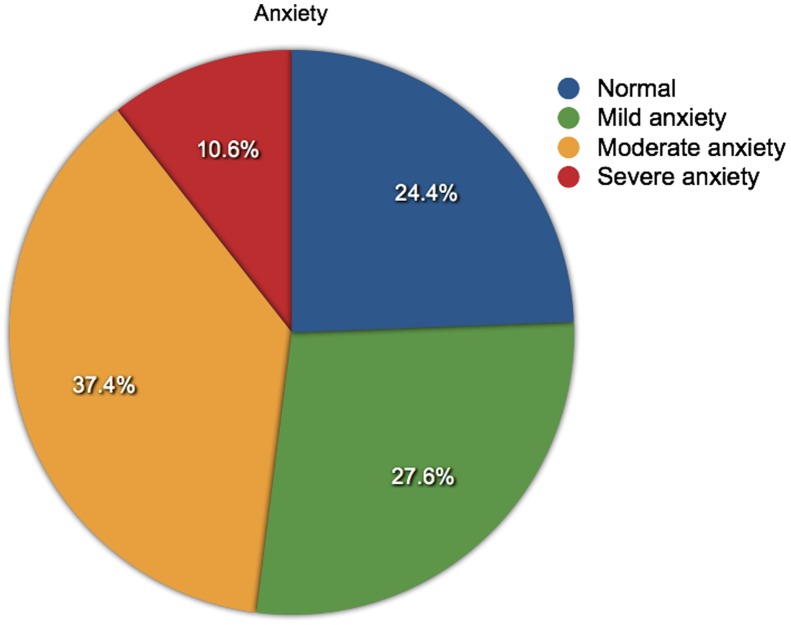
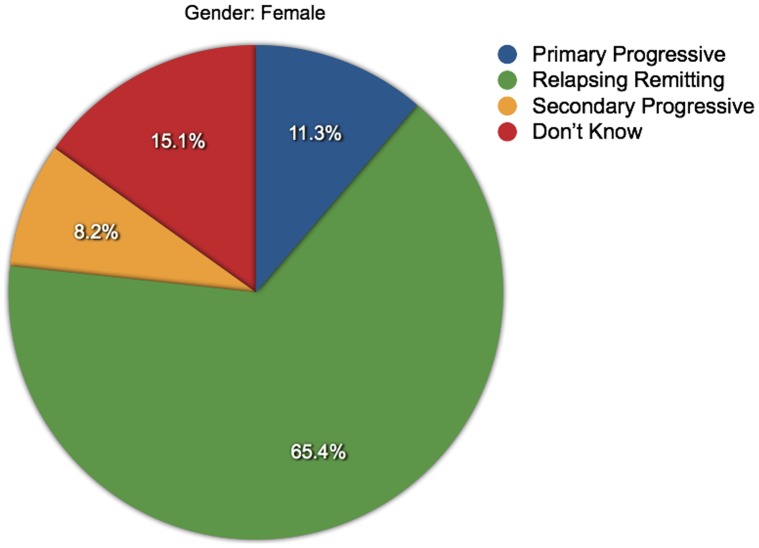
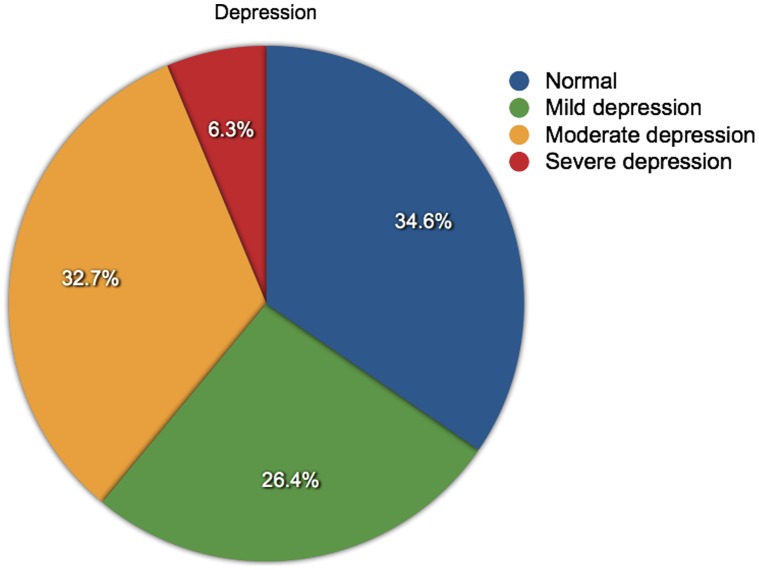
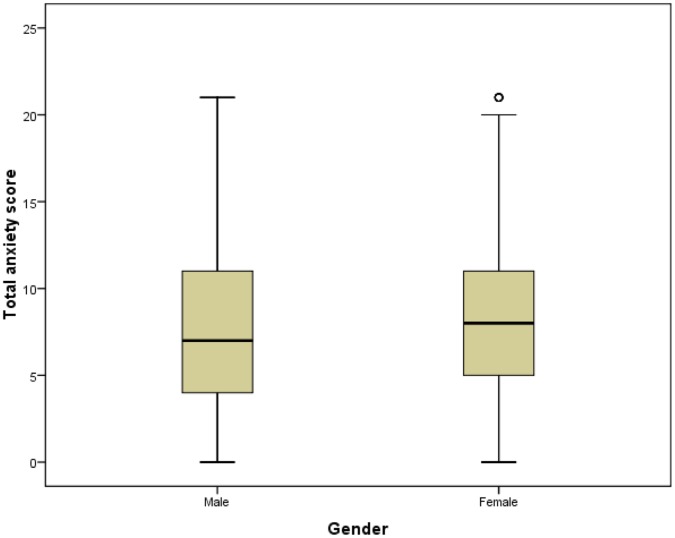
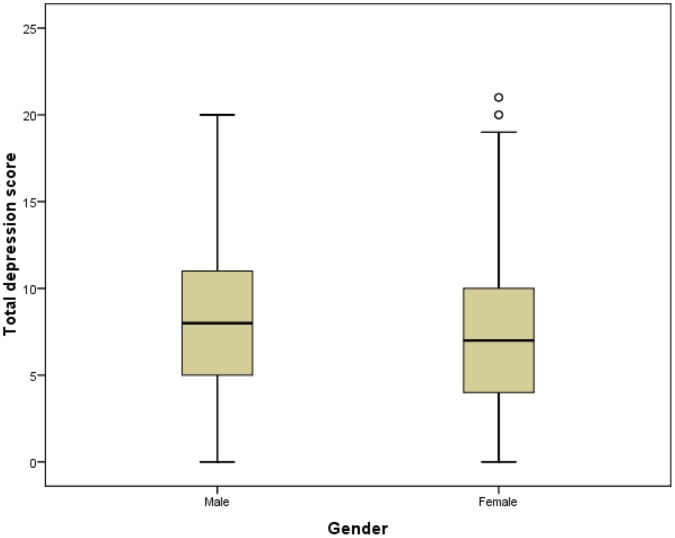
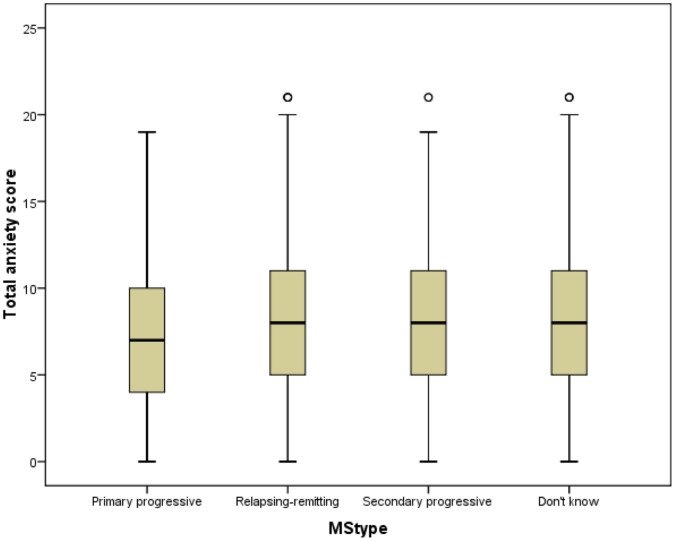
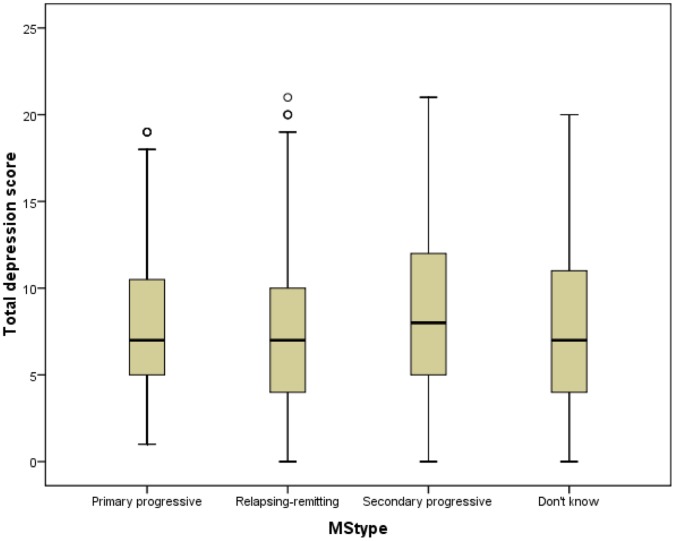
The mean HADS score among the 4178 respondents was 15.7 (SE 0.117, SD 7.55) with a median of 15.0 (IQR 11). Anxiety and depression rates were notably high, with over half (54.1%) scoring ≥ 8 for anxiety and 46.9% scoring ≥ 8 for depression. Women with relapsing-remitting MS were more anxious than men with this type (p<0.001), and than women with other types of MS (p = 0.017). Within each gender, men and women with secondary progressive MS were more depressed than men or women with other types of MS (p<0.001, p<0.001).
This largest known study of its kind has shown that anxiety and depression are highly prevalent in people with MS, indicating that their mental health needs could be better addressed. These findings support service planning and further research to provide the best care for people with MS to help alleviate these debilitating conditions.
研究发现,多发性硬化症患者的焦虑和抑郁发生率相对较高。尽管这些研究在方法学上较为严谨,但其中许多研究的样本量都不大(N<200)。本研究旨在通过英国多发性硬化症登记处的网络门户(N>4000)获得的回复,来:描述多发性硬化症患者的抑郁和焦虑状况;确定焦虑和抑郁是否与年龄或疾病持续时间有关;并评估焦虑和抑郁水平在性别和多发性硬化症类型之间是否存在差异。
从 2011 年 5 月英国多发性硬化症登记处启动到 2011 年 12 月底,7786 名成年多发性硬化症患者通过网络门户注册参与该登记处。收集了他们对医院焦虑和抑郁量表(HADS)的回复,同时收集了在注册时提供的基本人口统计学和描述性多发性硬化症数据,并在 SPSS(v.16)中对得到的数据集进行了分析。
4178 名回复者的 HADS 平均得分为 15.7(SE 0.117,SD 7.55),中位数为 15.0(IQR 11)。焦虑和抑郁的发生率非常高,超过一半(54.1%)的人焦虑得分≥8,46.9%的人抑郁得分≥8。与其他类型的多发性硬化症相比,患有复发缓解型多发性硬化症的女性比男性更焦虑(p<0.001),与其他类型的多发性硬化症相比,患有其他类型的多发性硬化症的女性比男性更焦虑(p = 0.017)。在每个性别中,继发性进展型多发性硬化症的男性和女性比其他类型的多发性硬化症的男性或女性更抑郁(p<0.001,p<0.001)。
这项规模最大的同类研究表明,焦虑和抑郁在多发性硬化症患者中非常普遍,表明他们的心理健康需求可能需要更好地满足。这些发现支持服务规划和进一步的研究,以为多发性硬化症患者提供最佳护理,帮助缓解这些使人衰弱的疾病。