Department of Circulation and Medical Imaging, Norwegian University of Science and Technology, Trondheim, Norway.
PLoS One. 2012;7(7):e42330. doi: 10.1371/journal.pone.0042330. Epub 2012 Jul 30.
Cardiovascular disease (CVD) is a leading cause of death worldwide, and the number of people at risk is continuously growing. New methods for early risk prediction are therefore needed to actuate prevention strategies before the individuals are diagnosed with CVD. Several studies report that aerobic fitness level, measured as maximal oxygen uptake (VO(2max)), is the single best predictor of future CVD mortality in healthy people. Based on this, we wanted to study differences between healthy individuals with a large difference in VO(2max)-level to identify new biomarkers of low aerobic fitness that may also have potential as early biomarkers of CVD risk.
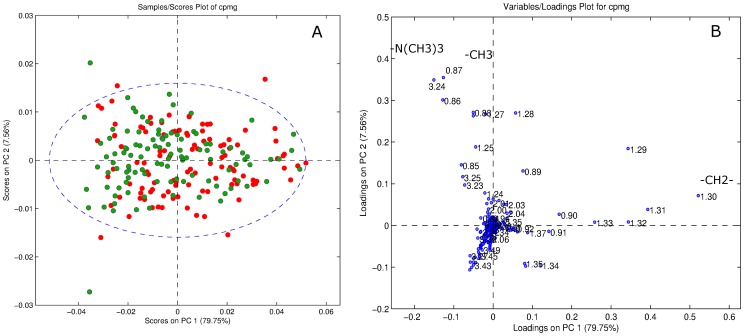
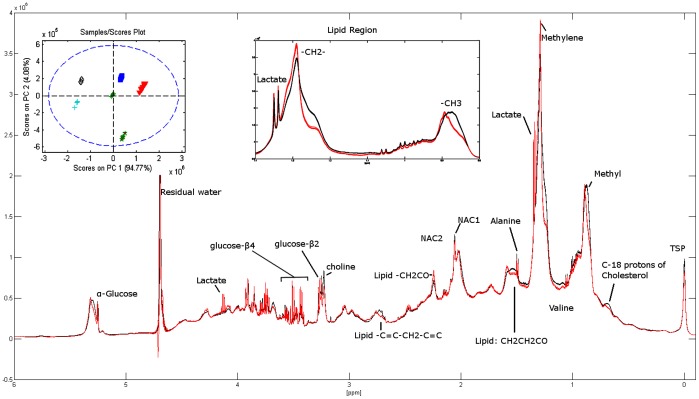
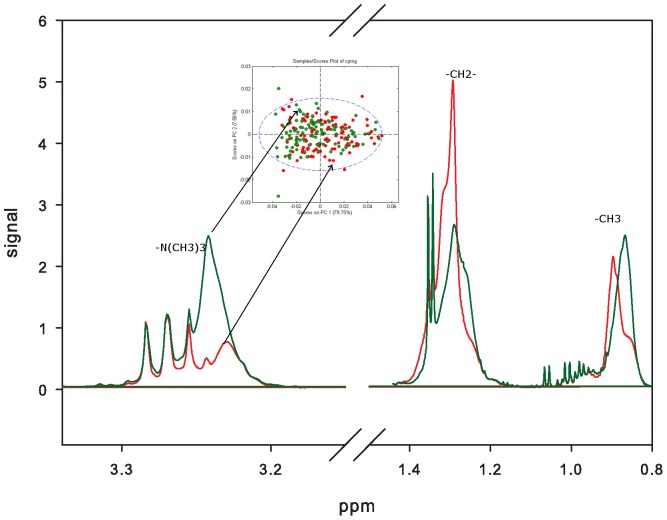
METHODOLOGY/PRINCIPAL FINDINGS: Serum samples from 218 healthy individuals with a low VO(2max) (n = 108, 63 women) or high VO(2max) (n = 110, 64 women) were analysed with MR metabolomics. In addition, standard clinical-chemical analyses for glucose, lipids, liver enzymes, micro-CRP, and colorimetric analysis on circulating choline were performed. Individuals in the low VO(2max)-group had increased serum levels of free choline, decreased phosphatidylcholine, increased glucosę and decreased unsaturated fatty acids compared to the individuals in the high VO(2max)-group.
CONCLUSIONS/SIGNIFICANCE: Aerobic fitness dependent differences in serum levels of free choline and phosphatidylcholine are observed. They should be further studied as potential early markers of CVD risk.
心血管疾病(CVD)是全球范围内的主要死因,且处于风险之中的人数不断增加。因此,需要新的方法来进行早期风险预测,以便在个体被诊断出患有 CVD 之前采取预防策略。多项研究报告称,有氧健身水平(以最大摄氧量(VO2max)衡量)是健康人群未来 CVD 死亡率的最佳预测指标。基于此,我们希望研究 VO2max 水平差异较大的健康个体之间的差异,以确定新的低有氧健身生物标志物,这些标志物也可能具有 CVD 风险的早期生物标志物的潜力。
方法/主要发现:对 218 名 VO2max 较低(n = 108,63 名女性)或较高(n = 110,64 名女性)的健康个体的血清样本进行了 MR 代谢组学分析。此外,还进行了葡萄糖、脂质、肝酶、微量 CRP 的标准临床化学分析以及循环胆碱的比色分析。与高 VO2max 组相比,低 VO2max 组的个体血清游离胆碱水平升高,磷脂酰胆碱水平降低,葡萄糖水平升高,不饱和脂肪酸水平降低。
结论/意义:观察到有氧健身水平相关的血清游离胆碱和磷脂酰胆碱水平差异。应进一步研究它们作为 CVD 风险的潜在早期标志物。