Laboratory of Microbiology and Virology, Ospedale San Raffaele, Milan, Italy.
PLoS One. 2012;7(8):e42283. doi: 10.1371/journal.pone.0042283. Epub 2012 Aug 6.
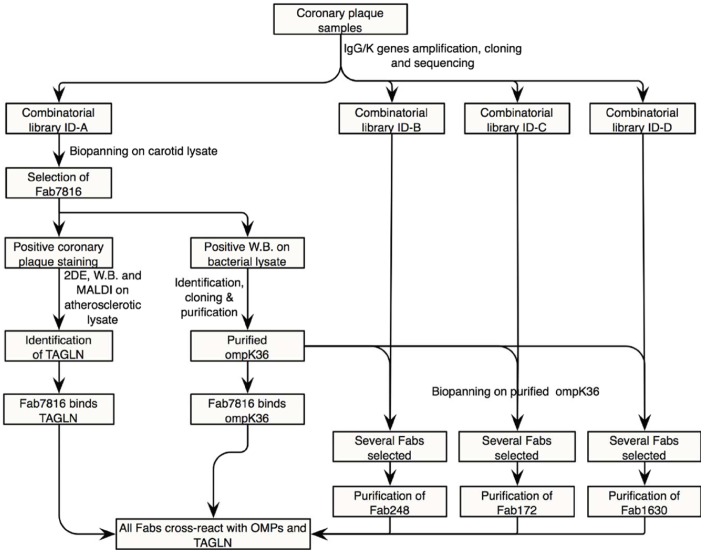
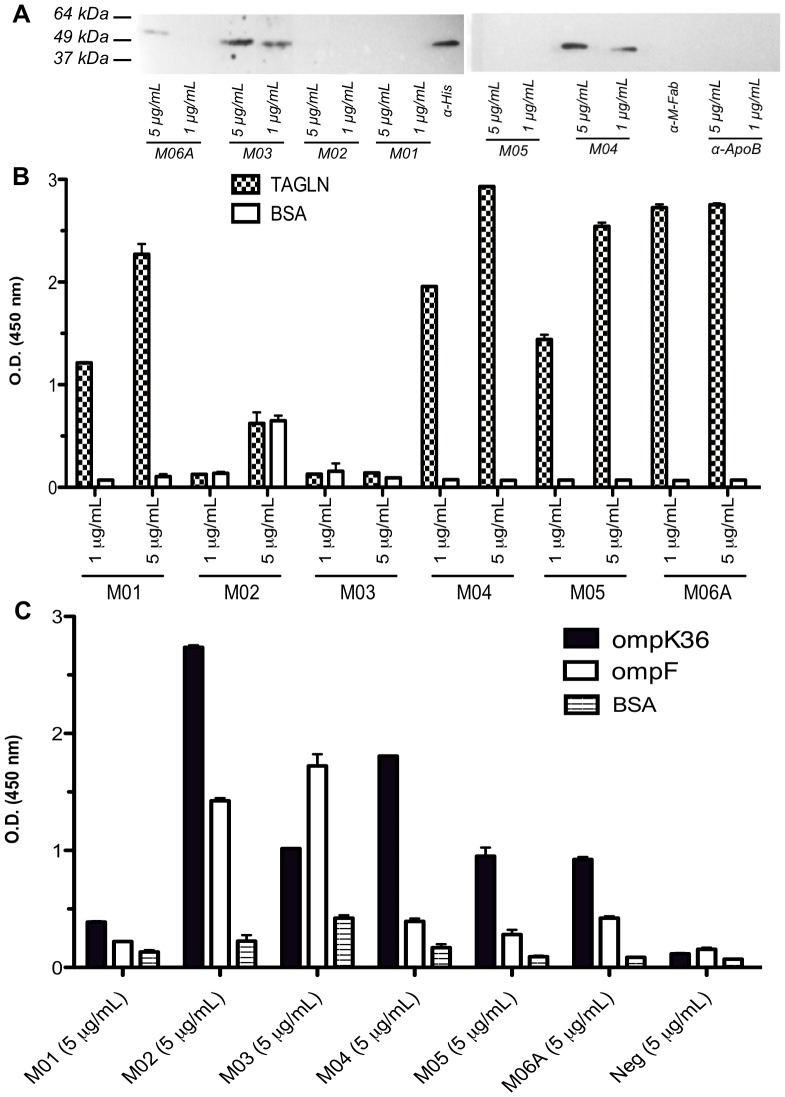
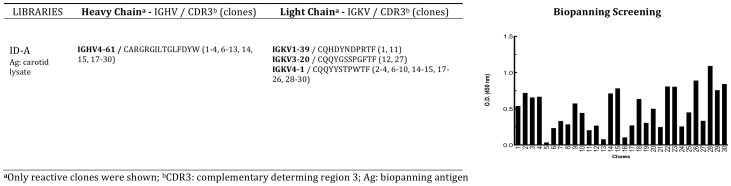
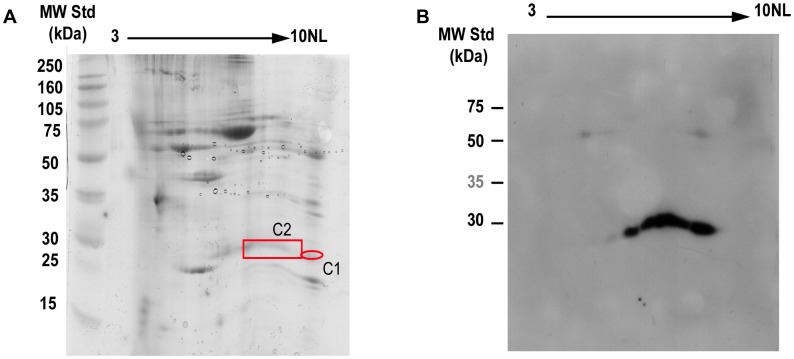
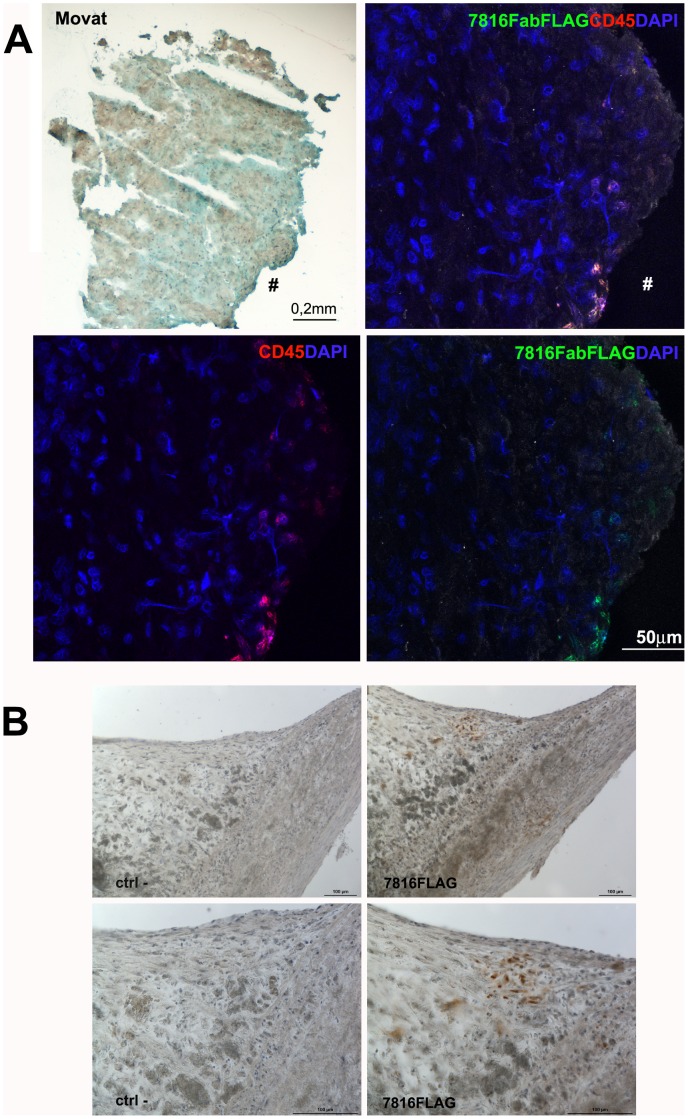
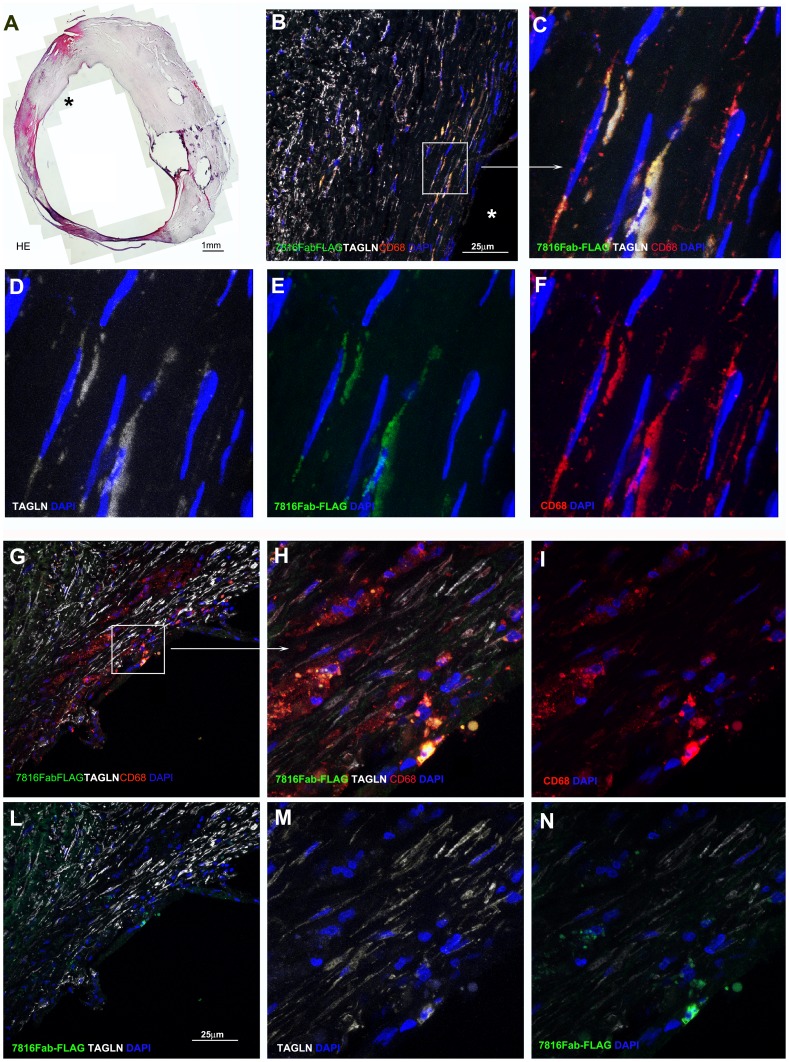
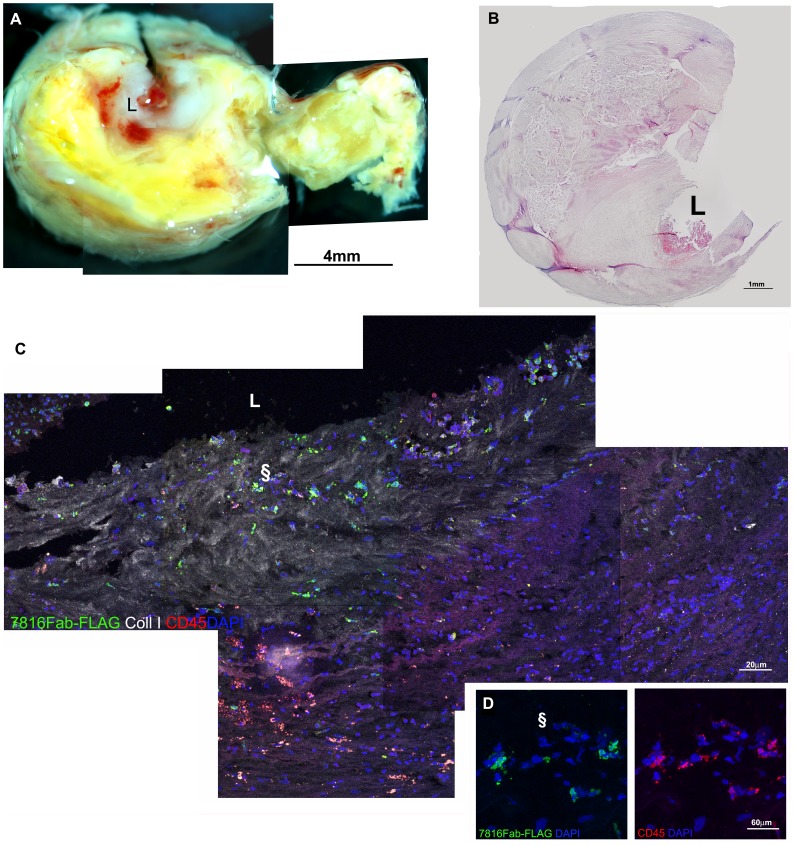
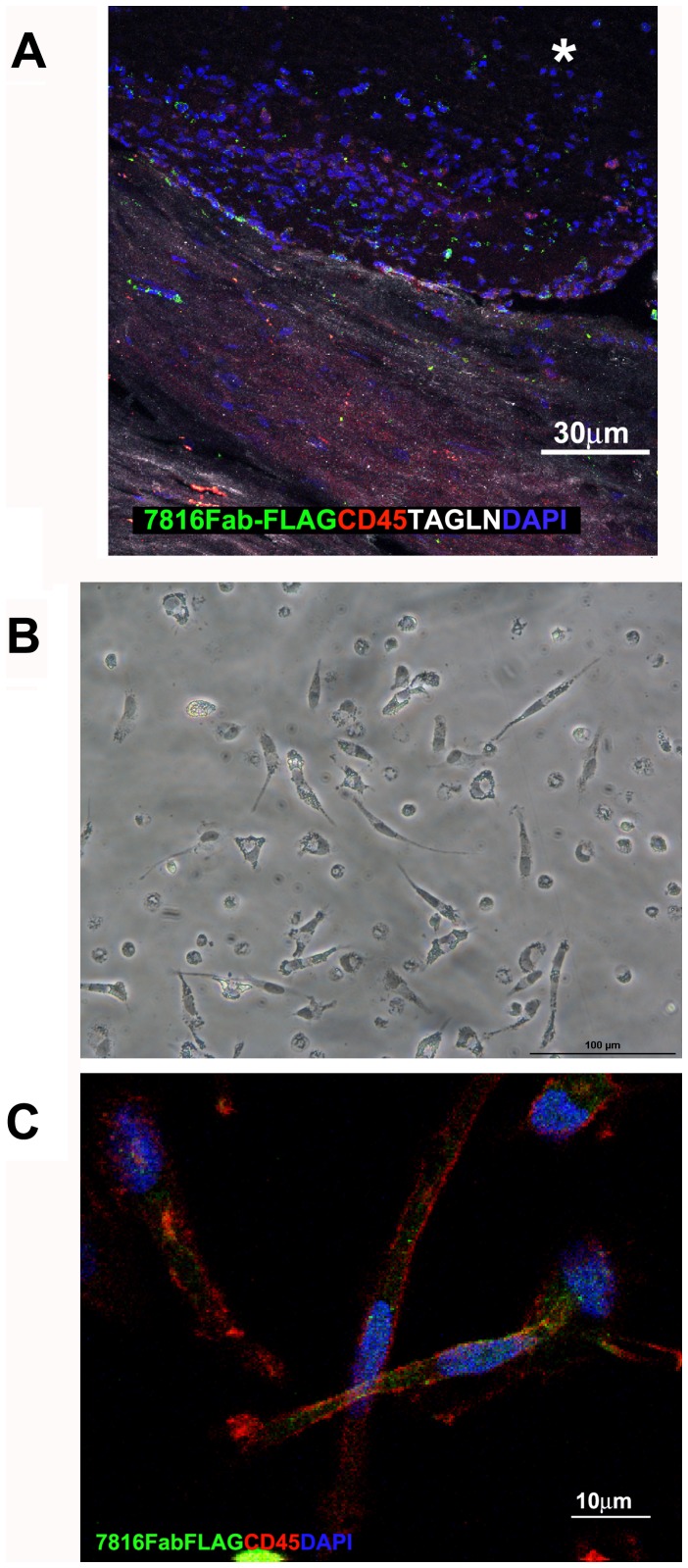
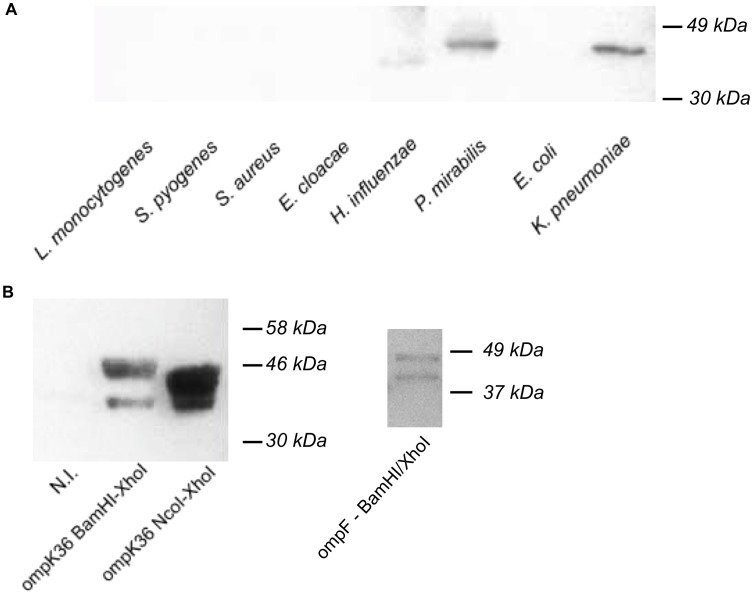
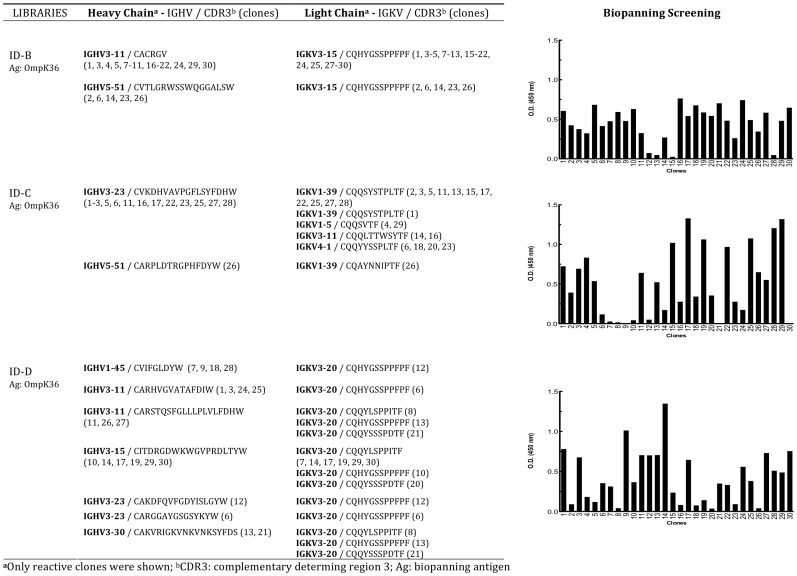
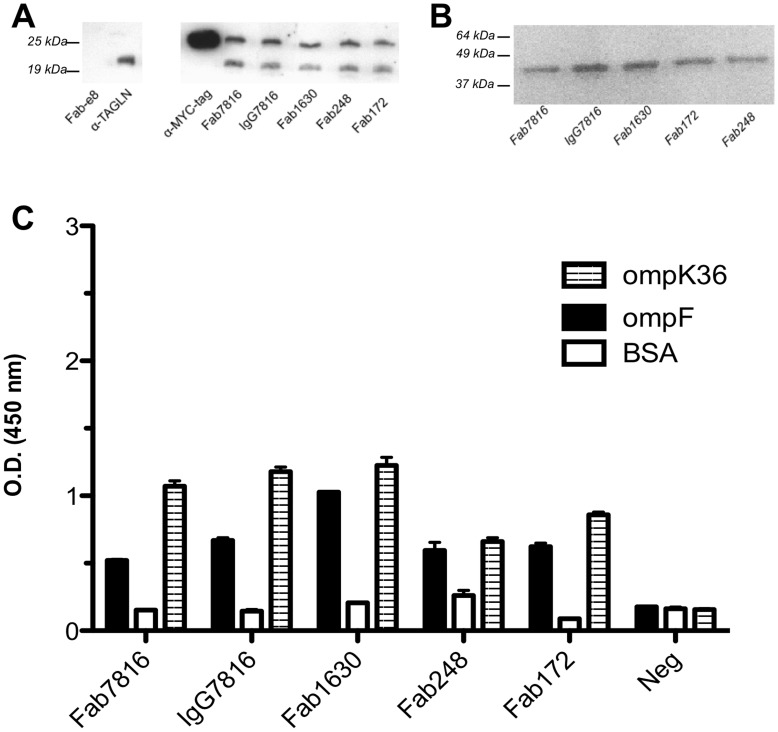
Coronary atherosclerosis, the main condition predisposing to acute myocardial infarction, has an inflammatory component caused by stimuli that are yet unknown. We molecularly investigated the nature of the immune response within human coronary lesion in four coronary plaques obtained by endoluminal atherectomy from four patients. We constructed phage-display libraries containing the IgG1/kappa antibody fragments produced by B-lymphocytes present in each plaque. By immunoaffinity, we selected from these libraries a monoclonal antibody, arbitrarily named Fab7816, able to react both with coronary and carotid atherosclerotic tissue samples. We also demonstrated by confocal microscopy that this monoclonal antibody recognized human transgelin type 1, a cytoskeleton protein involved in atherogenesis, and that it co-localized with fibrocyte-like cells transgelin+, CD68+, CD45+ in human sections of coronary and carotid plaques. In vitro fibrocytes obtained by differentiating CD14+ cells isolated from peripheral blood mononuclear cells also interacted with Fab7816, thus supporting the hypothesis of a specific recognition of fibrocytes into the atherosclerotic lesions. Interestingly, the same antibody, cross-reacted with the outer membrane proteins of Proteus mirabilis and Klebsiella pneumoniae (and possibly with homologous proteins of other enterobacteriaceae present in the microbiota). From all the other three libraries, we were able to clone, by immunoaffinity selection, human monoclonal antibodies cross-reacting with bacterial outer membrane proteins and with transgelin. These findings demonstrated that in human atherosclerotic plaques a local cross-reactive immune response takes place.
冠状动脉粥样硬化是导致急性心肌梗死的主要条件,其具有炎症成分,由未知的刺激引起。我们通过腔内动脉切除术从 4 名患者的 4 个冠状动脉斑块中获取分子水平的人类冠状动脉病变内的免疫反应本质。我们构建了噬菌体展示文库,其中包含每个斑块中存在的 B 淋巴细胞产生的 IgG1/κ 抗体片段。通过免疫亲和,我们从这些文库中选择了一种单克隆抗体,随意命名为 Fab7816,它能够与冠状动脉和颈动脉粥样硬化组织样本反应。我们还通过共聚焦显微镜证明,这种单克隆抗体识别人类转凝胶蛋白 1,一种参与动脉粥样硬化形成的细胞骨架蛋白,并且它与纤维母细胞样细胞在人类冠状动脉和颈动脉斑块组织切片中转凝胶蛋白+、CD68+、CD45+共定位。体外通过分化外周血单个核细胞分离的 CD14+细胞获得的纤维母细胞也与 Fab7816 相互作用,从而支持纤维母细胞在动脉粥样硬化病变中特异性识别的假说。有趣的是,同一抗体与奇异变形杆菌和肺炎克雷伯菌的外膜蛋白(可能与微生物群中存在的其他肠杆菌科的同源蛋白)交叉反应。从其他三个文库中,我们能够通过免疫亲和选择克隆与人的细菌外膜蛋白和转凝胶蛋白交叉反应的单克隆抗体。这些发现表明,在人类动脉粥样硬化斑块中存在局部交叉反应性免疫反应。