Department of Pathobiology, Ontario Veterinary College, University of Guelph, Guelph, Ontario, Canada.
PLoS One. 2012;7(8):e43381. doi: 10.1371/journal.pone.0043381. Epub 2012 Aug 20.
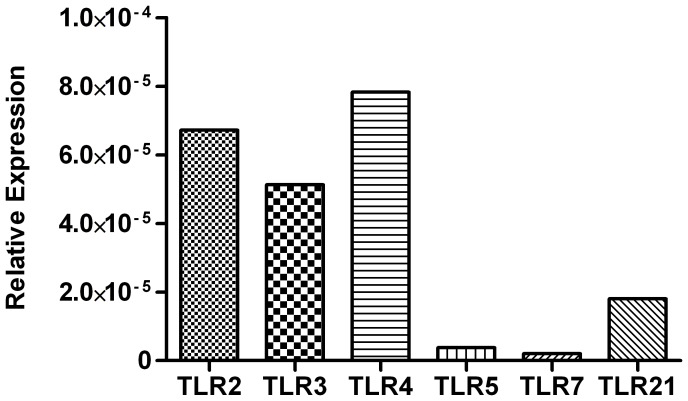
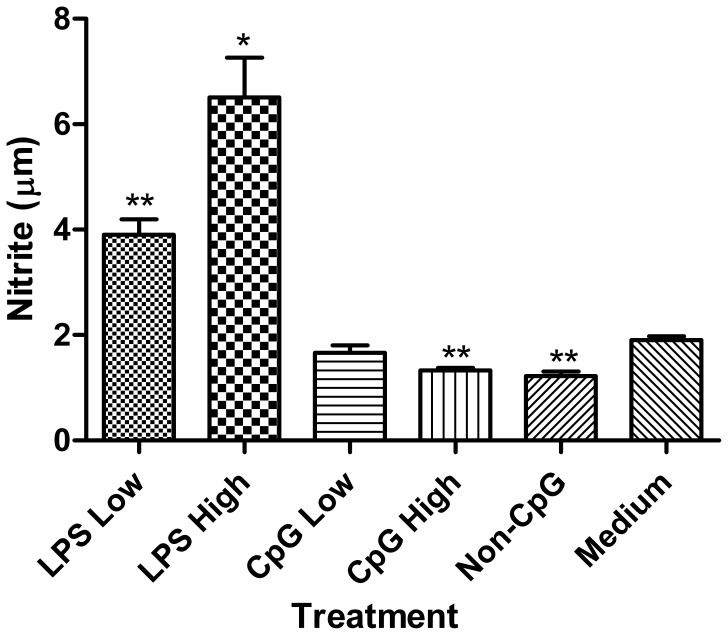
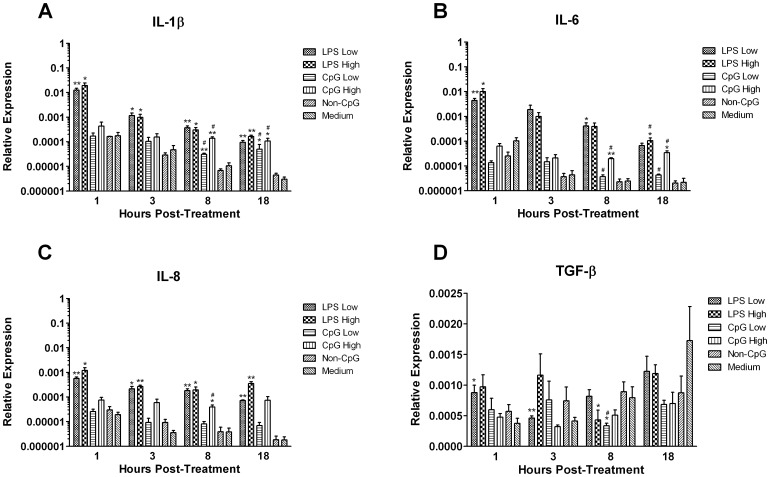
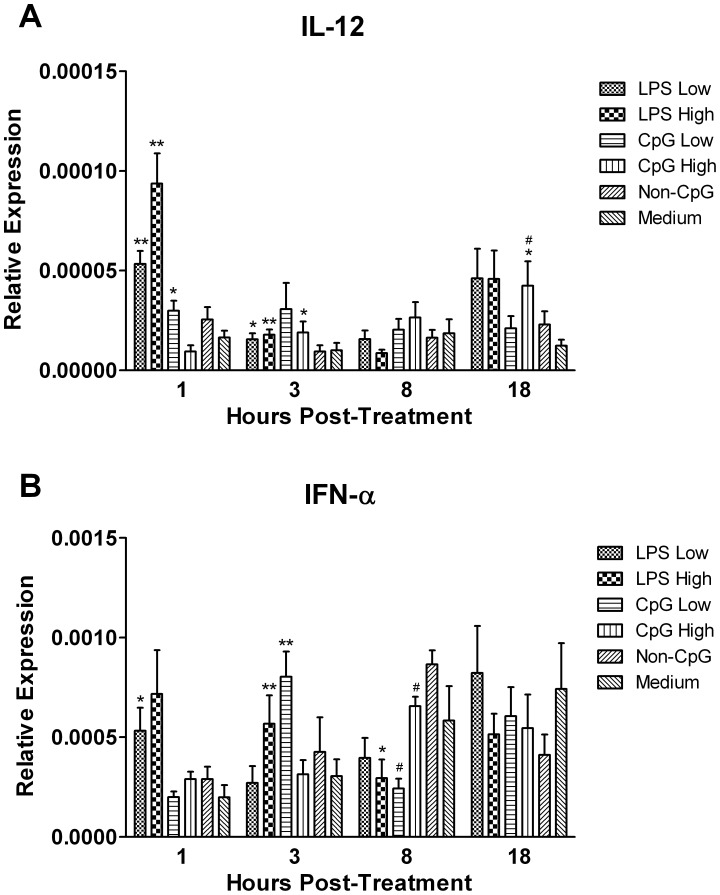
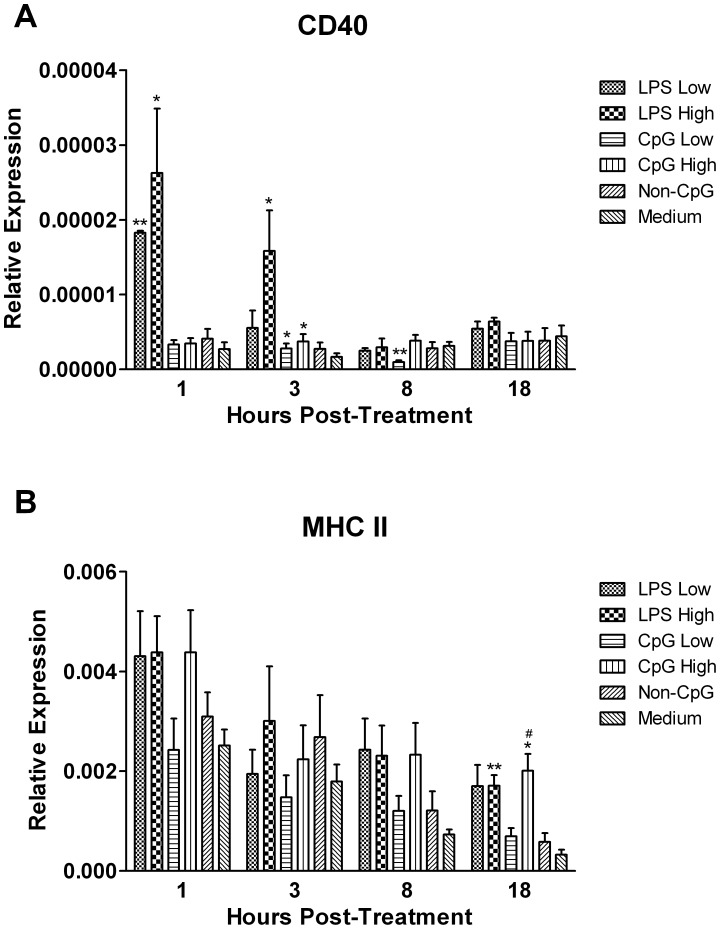
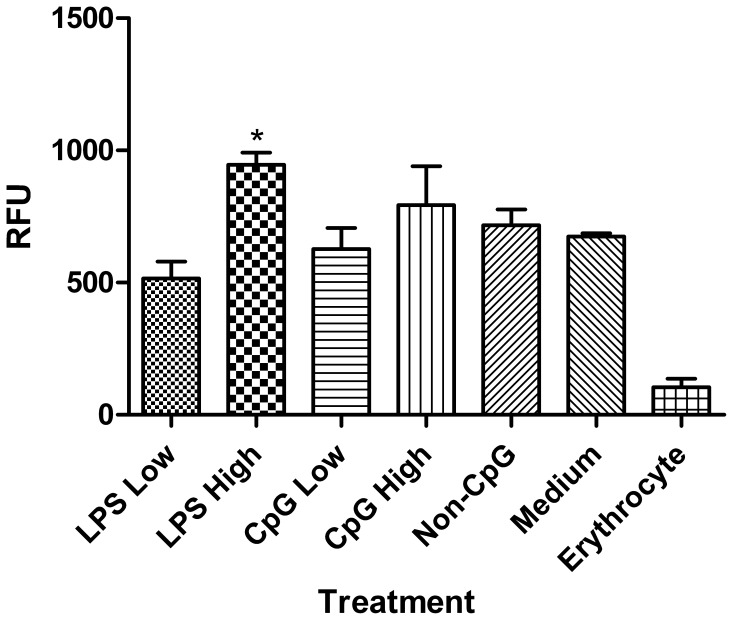
Thrombocytes are the avian equivalent to mammalian platelets. In addition to their hemostatic effects, mammalian platelets rely in part on pattern recognition receptors, such as the Toll-like receptors (TLR), to detect the presence of pathogens and signal the release of certain cytokines. Ligands for TLRs include lipopolysaccharide (LPS), which is bound by TLR4, as well as unmethylated CpG DNA motifs, which are bound by TLR9 in mammals and TLR21 in chickens. Similar to mammalian platelets, avian thrombocytes have been shown to express TLR4 and secrete some pro-inflammatory cytokines in response to LPS treatment. However, the full extent of the contributions made by thrombocytes to host immunity has yet to be elucidated. Importantly, the mechanisms by which TLR stimulation may modulate thrombocyte effector functions have not been well characterized. As such, the objective of the present study was to gain further insight into the immunological role of thrombocytes by analyzing their responses to treatment with ligands for TLR4 and TLR21. To this end, we quantified the relative expression of several immune system genes at 1, 3, 8 and 18 hours post-treatment using real-time RT-PCR. Furthermore, production of nitric oxide and phagocytic activity of thrombocytes was measured after their activation with TLR ligands. We found that thrombocytes constitutively express transcripts for both pro- and anti-inflammatory cytokines, in addition to those associated with anti-viral responses and antigen presentation. Moreover, we found that both LPS and CpG oligodeoxynucleotides (ODN) induced robust pro-inflammatory responses in thrombocytes, as characterized by more than 100 fold increase in interleukin (IL)-1β, IL-6 and IL-8 transcripts, while only LPS enhanced nitric oxide production and phagocytic capabilities. Future studies may be aimed at examining the responses of thrombocytes to other TLR ligands.
血小板是鸟类相当于哺乳动物的血小板。除了其止血作用外,哺乳动物血小板还部分依赖模式识别受体,如 Toll 样受体(TLR),以检测病原体的存在并发出某些细胞因子的释放信号。TLR 的配体包括脂多糖(LPS),其被 TLR4 结合,以及未甲基化的 CpG DNA 基序,其在哺乳动物中被 TLR9 结合,在鸡中被 TLR21 结合。与哺乳动物血小板类似,已显示禽类血小板表达 TLR4,并在 LPS 处理后分泌一些促炎细胞因子。然而,血小板对宿主免疫的贡献程度尚未阐明。重要的是,TLR 刺激调节血小板效应功能的机制尚未得到很好的描述。因此,本研究的目的是通过分析它们对 TLR4 和 TLR21 配体治疗的反应,进一步深入了解血小板的免疫学作用。为此,我们使用实时 RT-PCR 在治疗后 1、3、8 和 18 小时定量测定几种免疫系统基因的相对表达。此外,在 TLR 配体激活后测量血小板的一氧化氮产生和吞噬活性。我们发现血小板持续表达促炎和抗炎细胞因子的转录本,以及与抗病毒反应和抗原呈递相关的转录本。此外,我们发现 LPS 和 CpG 寡脱氧核苷酸(ODN)都能诱导血小板产生强烈的促炎反应,其特征是白细胞介素(IL)-1β、IL-6 和 IL-8 转录物增加 100 多倍,而只有 LPS 增强了一氧化氮产生和吞噬能力。未来的研究可能旨在检查血小板对其他 TLR 配体的反应。