Department of Pharmaceutical Chemistry and Drug Analysis, Center for Neuroscience, Vrije Universiteit Brussel, Laarbeeklaan 103, Brussels, Belgium.
BMC Neurosci. 2012 Aug 26;13:105. doi: 10.1186/1471-2202-13-105.
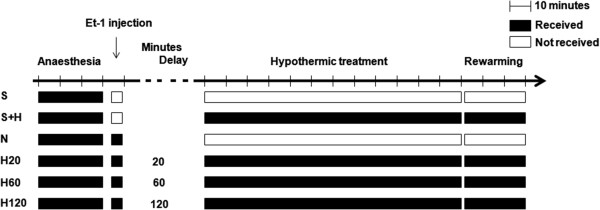
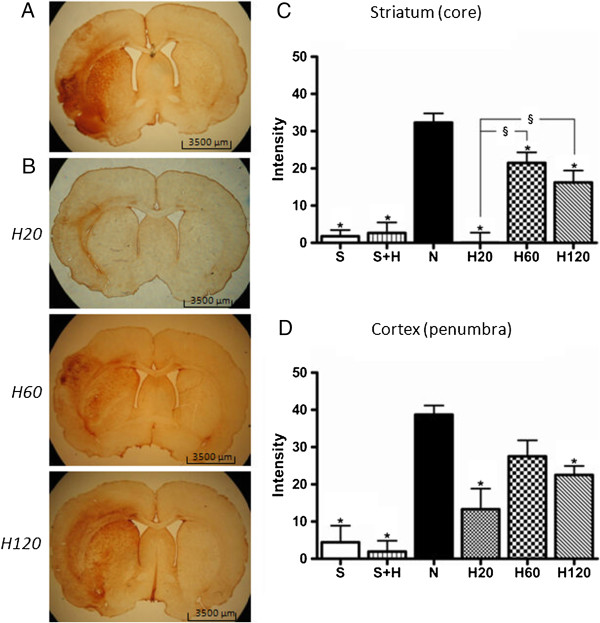
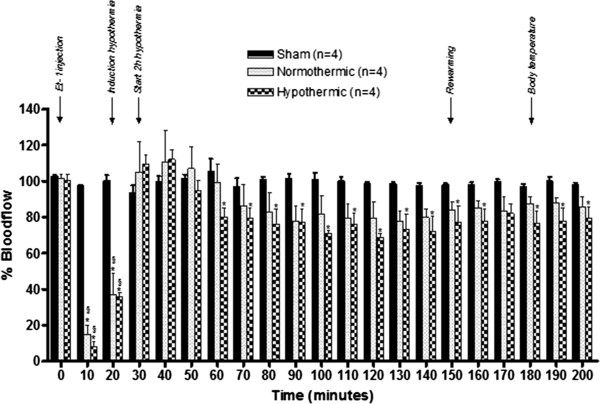
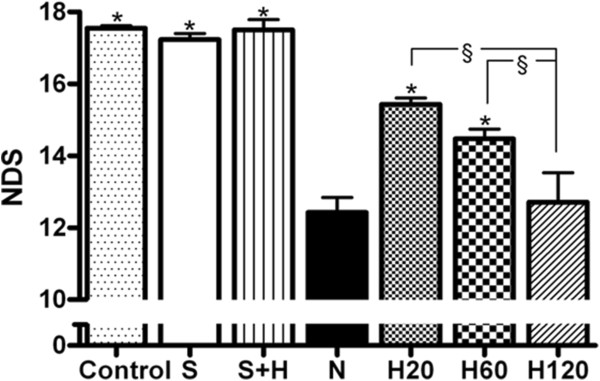
Stroke remains one of the most common diseases with a serious impact on quality of life but few effective treatments exist. Mild hypothermia (33°C) is a promising neuroprotective therapy in stroke management. This study investigated whether a delayed short mild hypothermic treatment is still beneficial as neuroprotective strategy in the endothelin-1 (Et-1) rat model for a transient focal cerebral ischemia. Two hours of mild hypothermia (33°C) was induced 20, 60 or 120 minutes after Et-1 infusion. During the experiment the cerebral blood flow (CBF) was measured via Laser Doppler Flowmetry in the striatum, which represents the core of the infarct. Functional outcome and infarct volume were assessed 24 hours after the insult. In this sub-acute phase following stroke induction, the effects of the hypothermic treatment on apoptosis, phagocytosis and astrogliosis were assessed as well. Apoptosis was determined using caspase-3 immunohistochemistry, phagocytic cells were visualized by CD-68 expression and astrogliosis was studied by glial fibrillary acidic protein (GFAP) staining.
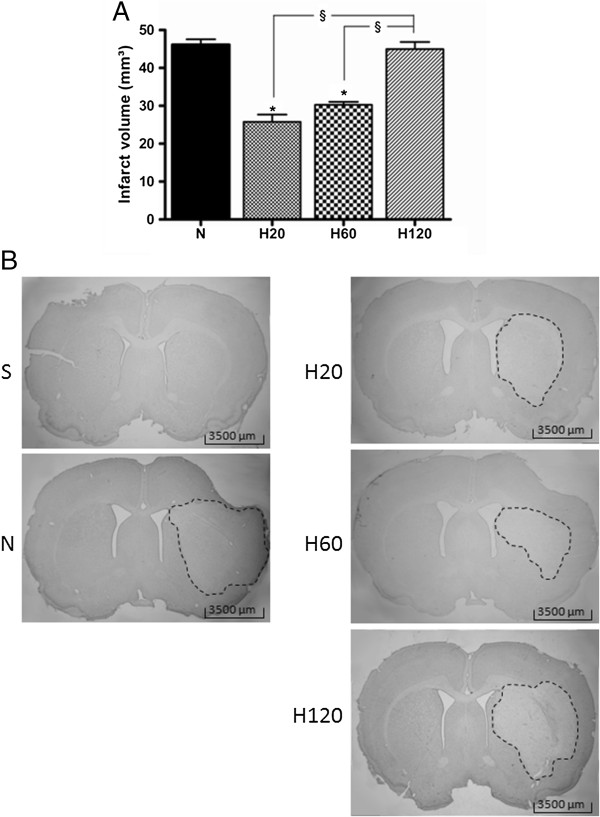
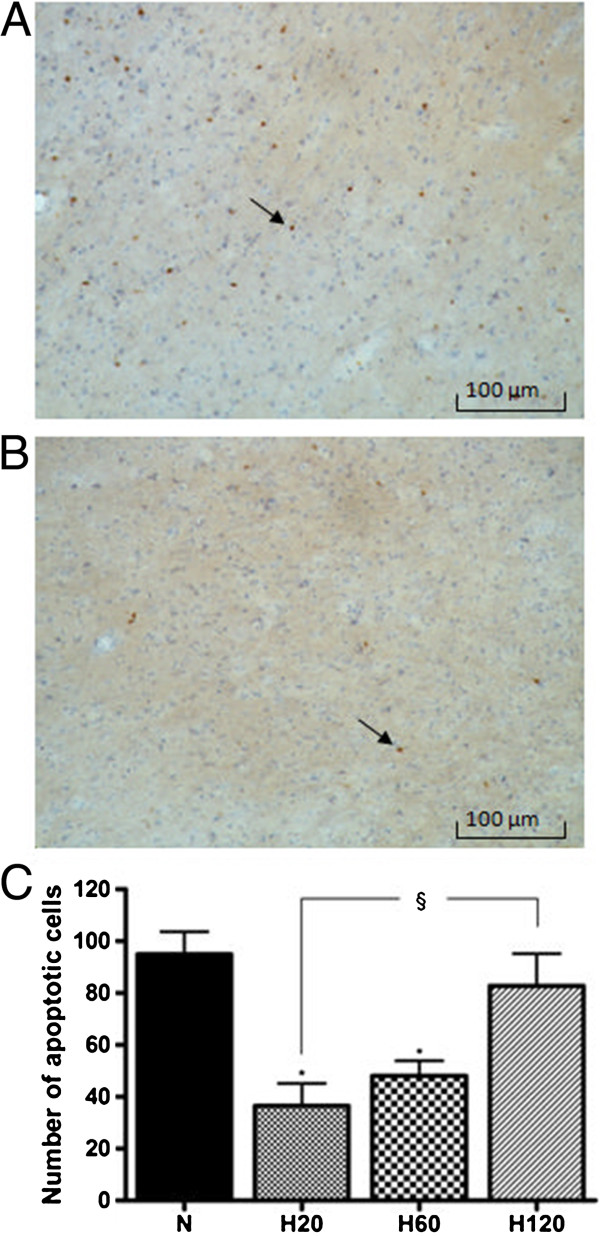
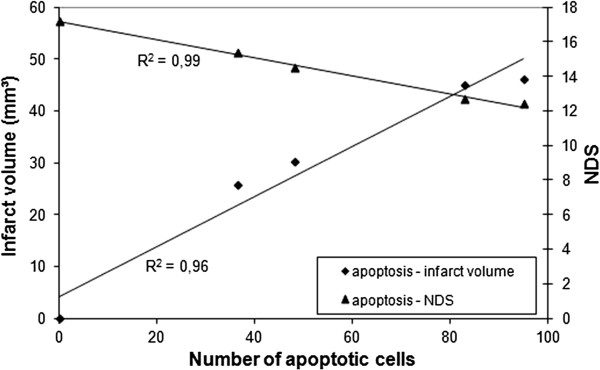
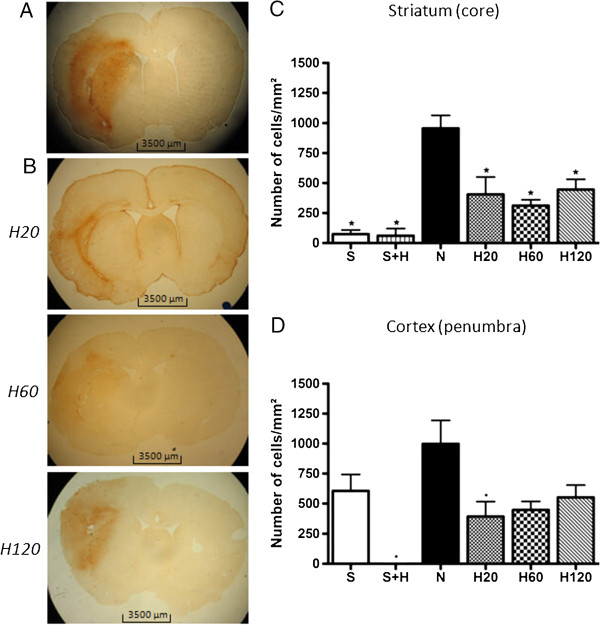
Cooling could be postponed up to 1 hour after the onset of the insult without losing its positive effects on neurological deficit and infarct volume. These results correlated with the caspase-3 staining. In contrast, the increased CD-68 expression post-stroke was reduced in the core of the insult with all treatment protocols. Hypothermia also reduced the increased levels of GFAP staining, even when it was delayed up to 2 hours after the insult. The study confirmed that the induction of the hypothermia treatment in the Et-1 model does not affect the CBF.
These data indicate that in the Et-1 rat model, a short mild hypothermic treatment delayed for 1 hour is still neuroprotective and correlates with apoptosis. At the same time, hypothermia also establishes a lasting inhibitory effect on the activation of astrogliosis.
中风仍然是最常见的疾病之一,对生活质量有严重影响,但有效的治疗方法很少。轻度低温(33°C)是中风治疗中一种有前途的神经保护疗法。本研究旨在探讨内皮素-1(Et-1)大鼠短暂性局灶性脑缺血模型中,延迟短时间轻度低温治疗作为神经保护策略是否仍然有益。在 Et-1 输注后 20、60 或 120 分钟诱导 2 小时的轻度低温(33°C)。在实验过程中,通过激光多普勒血流仪测量纹状体的脑血流(CBF),纹状体代表梗死的核心。在损伤后 24 小时评估功能结果和梗死体积。在中风诱导后的亚急性期,还评估了低温治疗对细胞凋亡、吞噬作用和星形胶质细胞增生的影响。使用半胱天冬酶-3 免疫组织化学测定细胞凋亡,通过 CD-68 表达显示吞噬细胞,通过胶质纤维酸性蛋白(GFAP)染色研究星形胶质细胞增生。
在损伤后 1 小时内推迟冷却不会失去其对神经功能缺损和梗死体积的积极影响。这些结果与 caspase-3 染色相关。相反,与所有治疗方案相比,中风后 CD-68 表达的增加在损伤核心区域减少。低温还降低了 GFAP 染色的增加水平,即使在损伤后 2 小时延迟时也是如此。该研究证实,在 Et-1 模型中诱导低温治疗不会影响 CBF。
这些数据表明,在 Et-1 大鼠模型中,延迟 1 小时的短暂轻度低温治疗仍然具有神经保护作用,并与细胞凋亡相关。同时,低温也对星形胶质细胞增生的激活建立了持久的抑制作用。