Pharmaceutical and Applied Chemistry Departments & CSGI, University of Siena, Siena, Italy.
PLoS One. 2012;7(8):e41438. doi: 10.1371/journal.pone.0041438. Epub 2012 Aug 22.
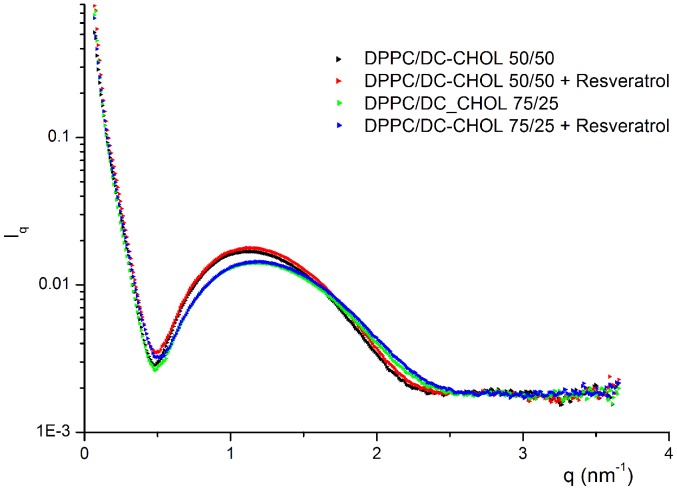
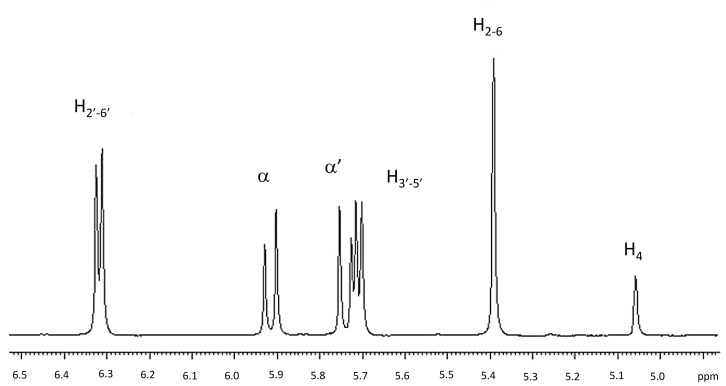
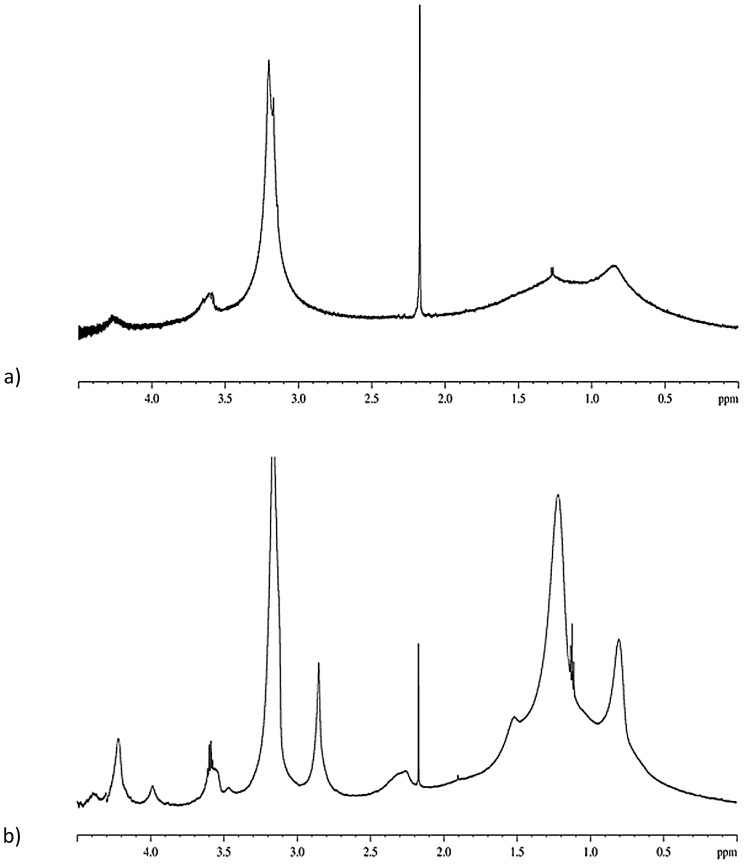
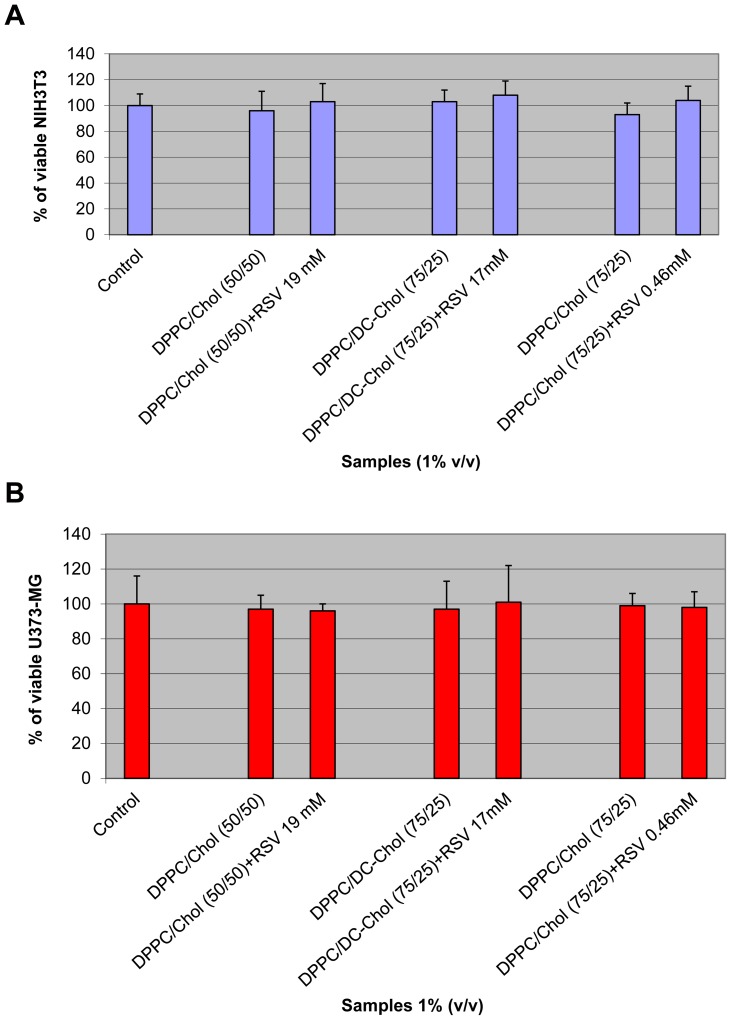
Resveratrol (3,5,4'-trihydroxy-trans-stilbene) is a polyphenol found in various plants, especially in the skin of red grapes. The effect of resveratrol on human health is the topic of numerous studies. In fact this molecule has shown anti-cancer, anti-inflammatory, blood-sugar-lowering ability and beneficial cardiovascular effects. However, for many polyphenol compounds of natural origin bioavailability is limited by low solubility in biological fluids, as well as by rapid metabolization in vivo. Therefore, appropriate carriers are required to obtain efficient therapeutics along with low administration doses.Liposomes are excellent candidates for drug delivery purposes, due to their biocompatibility, wide choice of physico-chemical properties and easy preparation.In this paper liposome formulations made by a saturated phosphatidyl-choline (DPPC) and cholesterol (or its positively charged derivative DC-CHOL) were chosen to optimize the loading of a rigid hydrophobic molecule such as resveratrol.Plain and resveratrol loaded liposomes were characterized for size, surface charge and structural details by complementary techniques, i.e. Dynamic Light Scattering (DLS), Zeta potential and Small Angle X-ray Scattering (SAXS). Nuclear and Electron Spin magnetic resonances (NMR and ESR, respectively) were also used to gain information at the molecular scale.The obtained results allowed to give an account of loaded liposomes in which resveratrol interacted with the bilayer, being more deeply inserted in cationic liposomes than in zwitterionic liposomes. Relevant properties such as the mean size and the presence of oligolamellar structures were influenced by the loading of RESV guest molecules.The toxicity of all these systems was tested on stabilized cell lines (mouse fibroblast NIH-3T3 and human astrocytes U373-MG), showing that cell viability was not affected by the administration of liposomial resveratrol.
白藜芦醇(3,5,4'-三羟基反式-二苯乙烯)是一种存在于各种植物中的多酚,特别是在红葡萄皮中。白藜芦醇对人类健康的影响是众多研究的主题。事实上,这种分子具有抗癌、抗炎、降血糖和有益心血管的作用。然而,对于许多天然来源的多酚化合物,其生物利用度受到生物流体中低溶解度以及体内快速代谢的限制。因此,需要适当的载体来获得高效的治疗方法,同时降低给药剂量。
脂质体由于其生物相容性、广泛的物理化学性质选择和易于制备,是药物输送的理想选择。在本文中,选择了由饱和磷脂酰胆碱(DPPC)和胆固醇(或其带正电荷的衍生物 DC-CHOL)制成的脂质体配方,以优化刚性疏水分子如白藜芦醇的负载。通过互补技术,即动态光散射(DLS)、Zeta 电位和小角 X 射线散射(SAXS),对空白和负载白藜芦醇的脂质体进行了大小、表面电荷和结构细节的表征。还使用核和电子自旋磁共振(NMR 和 ESR,分别)在分子尺度上获取信息。
所得结果说明,白藜芦醇与双层相互作用的负载脂质体中,白藜芦醇在阳离子脂质体中比在两性离子脂质体中更深地插入。相关性质,如平均大小和寡层结构的存在,受到负载 RESV 客体分子的影响。
所有这些系统的毒性都在稳定的细胞系(小鼠成纤维细胞 NIH-3T3 和人星形胶质细胞 U373-MG)上进行了测试,结果表明,脂质体白藜芦醇的给药不会影响细胞活力。