Institute of Marine Research, PO Box 1870, Nordnesgaten 50, 5817 Bergen, Norway.
BMC Genomics. 2012 Sep 1;13:443. doi: 10.1186/1471-2164-13-443.
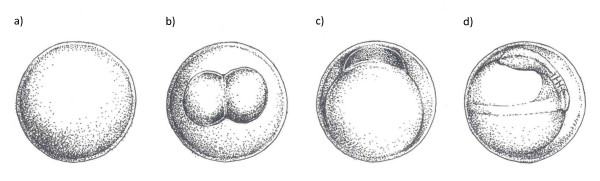
Zygotic transcription in fish embryos initiates around the time of gastrulation, and all prior development is initiated and controlled by maternally derived messenger RNAs. Atlantic cod egg and embryo viability is variable, and it is hypothesized that the early development depends upon the feature of these maternal RNAs. Both the length and the presence of specific motifs in the 3'UTR of maternal RNAs are believed to regulate expression and stability of the maternal transcripts. Therefore, the aim of this study was to characterize the overall composition and 3'UTR structure of the most common maternal RNAs found in cod eggs and pre-zygotic embryos.
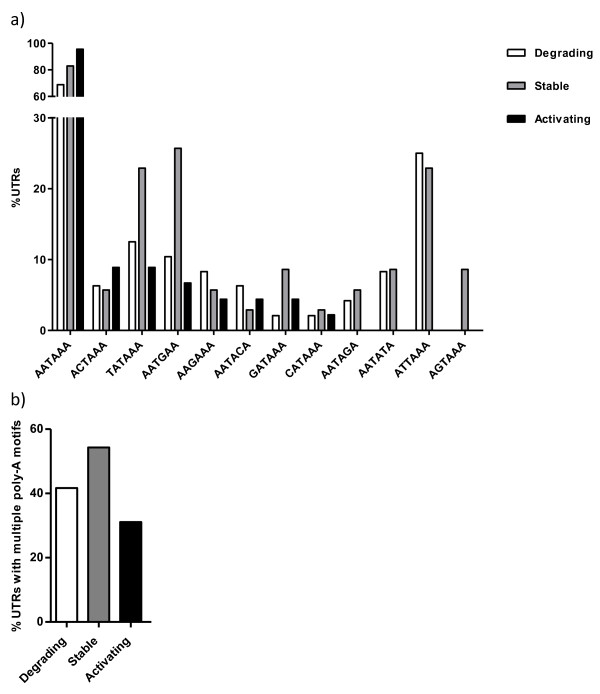
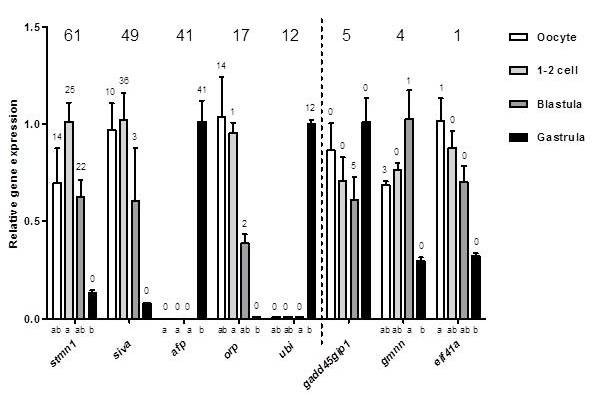
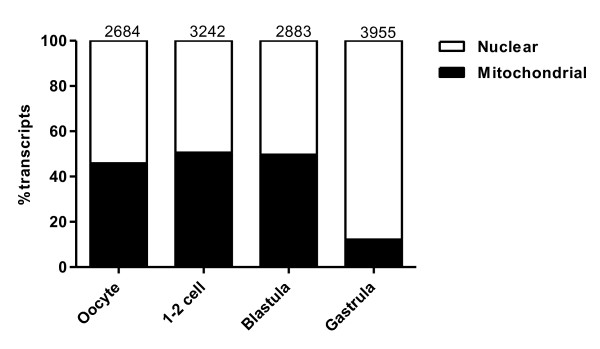
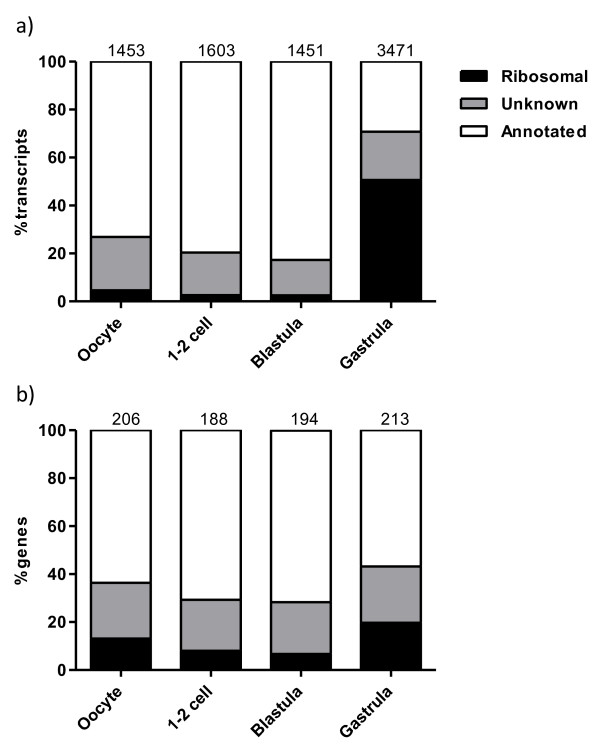
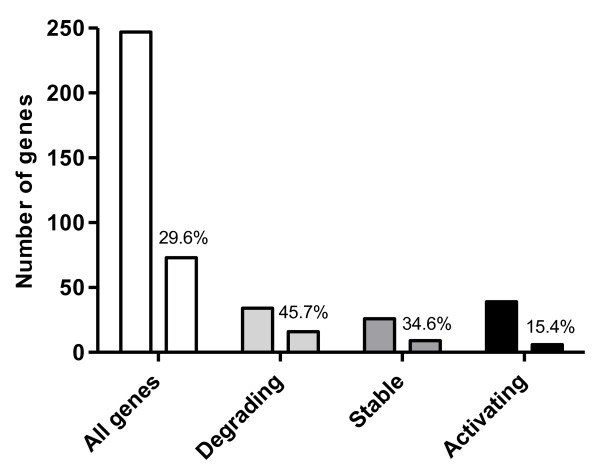
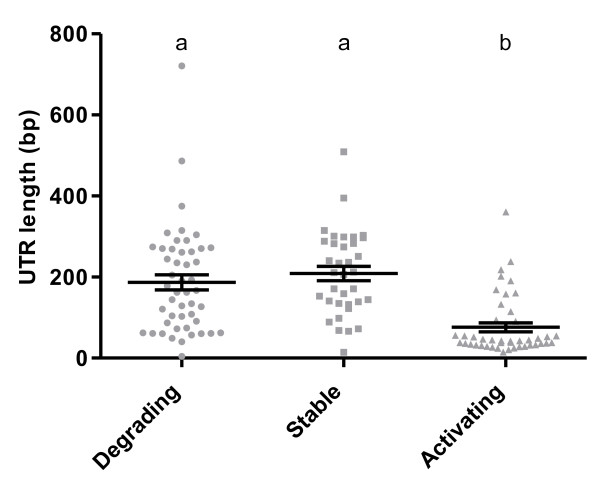
22229 Sanger-sequences were obtained from 3'-end sequenced cDNA libraries prepared from oocyte, 1-2 cell, blastula and gastrula stages. Quantitative PCR revealed that EST copy number below 9 did not reflect the gene expression profile. Consequently genes represented by less than 9 ESTs were excluded from downstream analyses, in addition to sequences with low-quality gene hits. This provided 12764 EST sequences, encoding 257 unique genes, for further analysis. Mitochondrial transcripts accounted for 45.9-50.6% of the transcripts isolated from the maternal stages, but only 12.2% of those present at the onset of zygotic transcription. 3'UTR length was predicted in nuclear sequences with poly-A tail, which identified 191 3'UTRs. Their characteristics indicated a more complex regulation of transcripts that are abundant prior to the onset of zygotic transcription. Maternal and stable transcripts had longer 3'UTR (mean 187.1 and 208.8 bp) and more 3'UTR isoforms (45.7 and 34.6%) compared to zygotic transcripts, where 15.4% had 3'UTR isoforms and the mean 3'UTR length was 76 bp. Also, diversity and the amount of putative polyadenylation motifs were higher in both maternal and stable transcripts.
We report on the most pronounced processes in the maternally transferred cod transcriptome. Maternal stages are characterized by a rich abundance of mitochondrial transcripts. Maternal and stable transcripts display longer 3'UTRs with more variation of both polyadenylation motifs and 3'UTR isoforms. These data suggest that cod eggs possess a complex array of maternal RNAs which likely act to tightly regulate early developmental processes in the newly fertilized egg.
鱼类胚胎的合子转录始于原肠胚形成期,在此之前的所有发育过程均由母源信使 RNA 启动和控制。大西洋鳕鱼卵和胚胎的活力存在差异,据推测,早期发育取决于这些母源 RNA 的特征。人们认为,母源 RNA 的 3'UTR 长度和特定基序的存在均能调控母源转录本的表达和稳定性。因此,本研究旨在描述鳕鱼卵和原肠胚前胚胎中最常见的母源 RNA 的总体组成和 3'UTR 结构。
从卵母细胞、1-2 细胞、囊胚和原肠胚阶段制备的 3'末端测序 cDNA 文库中获得了 22229 个 Sanger 序列。定量 PCR 显示,EST 拷贝数低于 9 时不能反映基因表达谱。因此,除了基因命中质量较低的序列外,那些由少于 9 个 EST 代表的基因也被排除在下游分析之外。这提供了 12764 个 EST 序列,编码 257 个独特的基因,用于进一步分析。从母源阶段分离的转录本中,线粒体转录本占 45.9-50.6%,而在合子转录开始时仅占 12.2%。用带有 poly-A 尾的核序列预测 3'UTR 长度,鉴定了 191 个 3'UTR。它们的特征表明,在合子转录开始之前,大量存在的转录本的调控更为复杂。与合子转录本相比,母源和稳定转录本的 3'UTR 更长(平均 187.1 和 208.8 bp),3'UTR 同工型更多(45.7 和 34.6%),而 15.4%的合子转录本具有 3'UTR 同工型,平均 3'UTR 长度为 76 bp。此外,在母源和稳定转录本中,假定的多聚腺苷酸化基序的多样性和数量也更高。
本研究报告了鳕鱼卵中转录组中最显著的过程。母源阶段的特征是丰富的线粒体转录本。母源和稳定的转录本显示出更长的 3'UTR,具有更多的 polyadenylation 基序和 3'UTR 同工型变化。这些数据表明,鳕鱼卵具有复杂的母源 RNA 阵列,可能对新受精卵中的早期发育过程进行严格调控。