Section of Infections of Nervous System, National Institute of Neurological Diseases and Stroke, National Institutes of Health, Bethesda, Maryland, United States of America.
PLoS One. 2012;7(8):e43950. doi: 10.1371/journal.pone.0043950. Epub 2012 Aug 29.
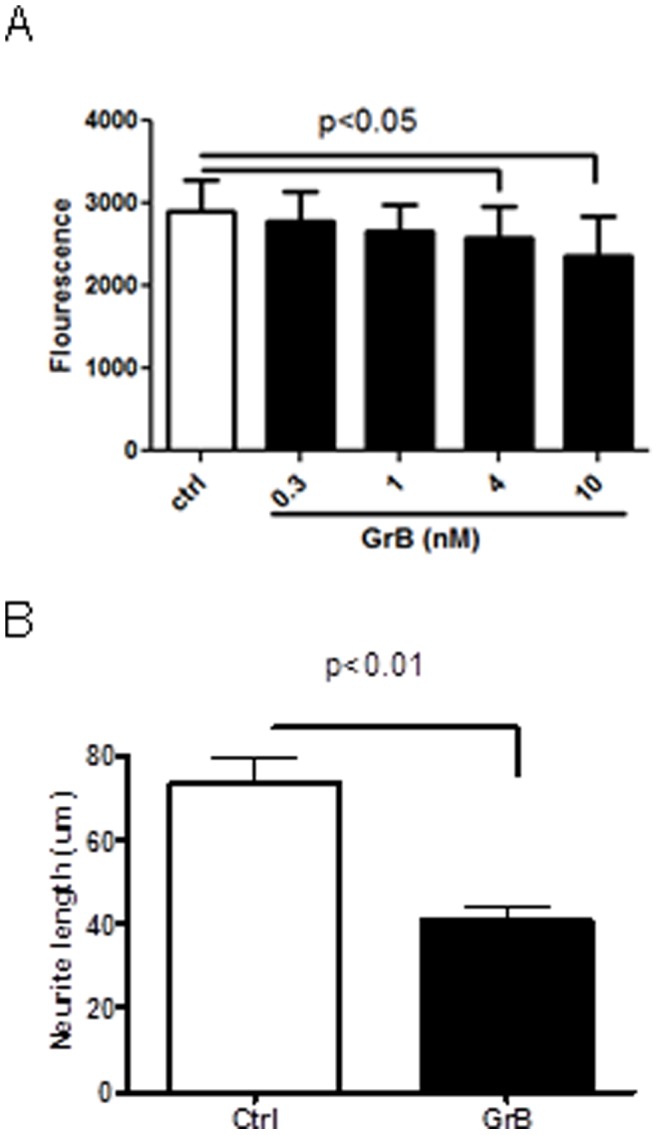
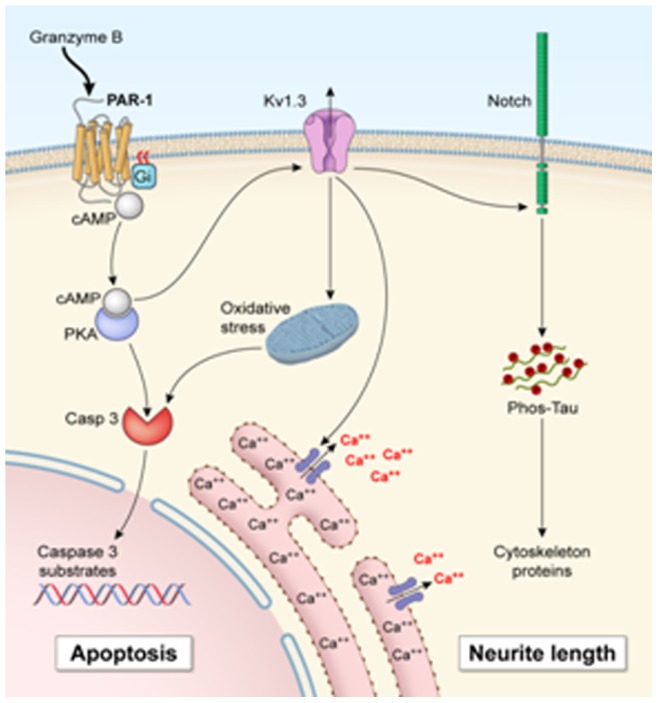
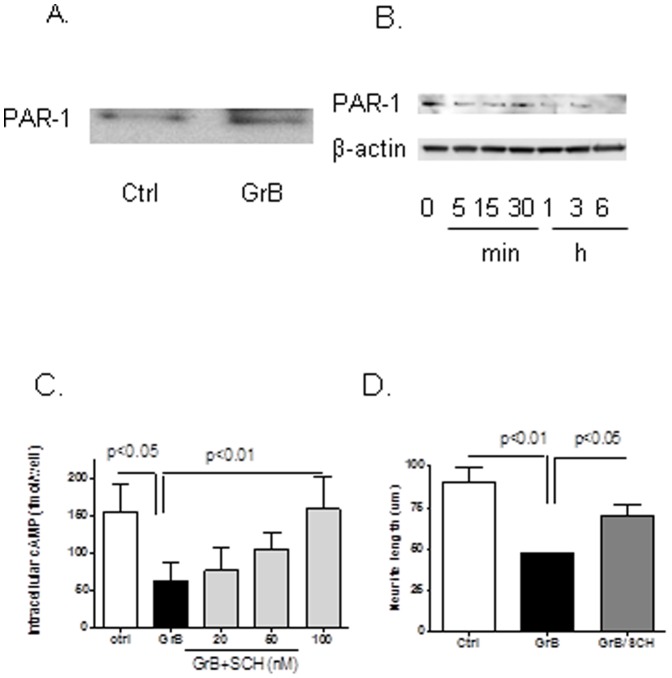
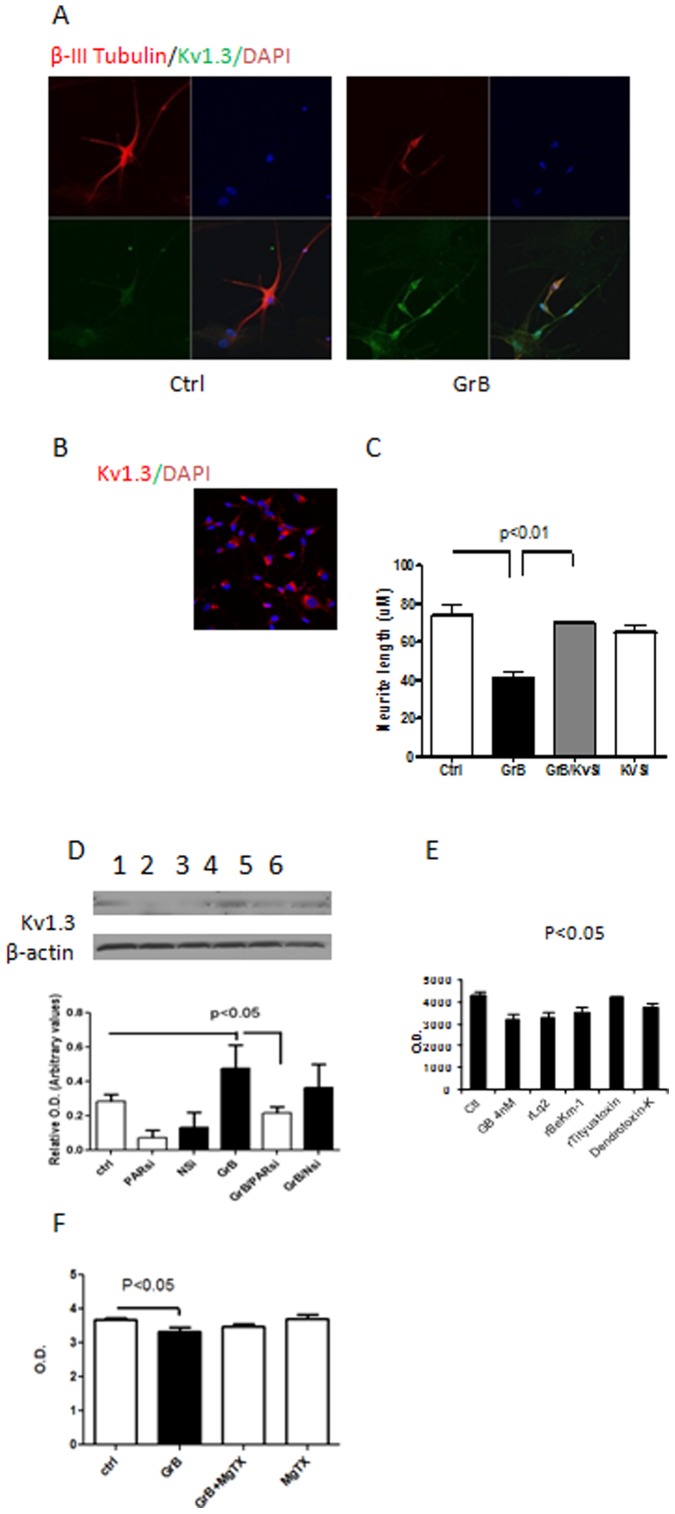
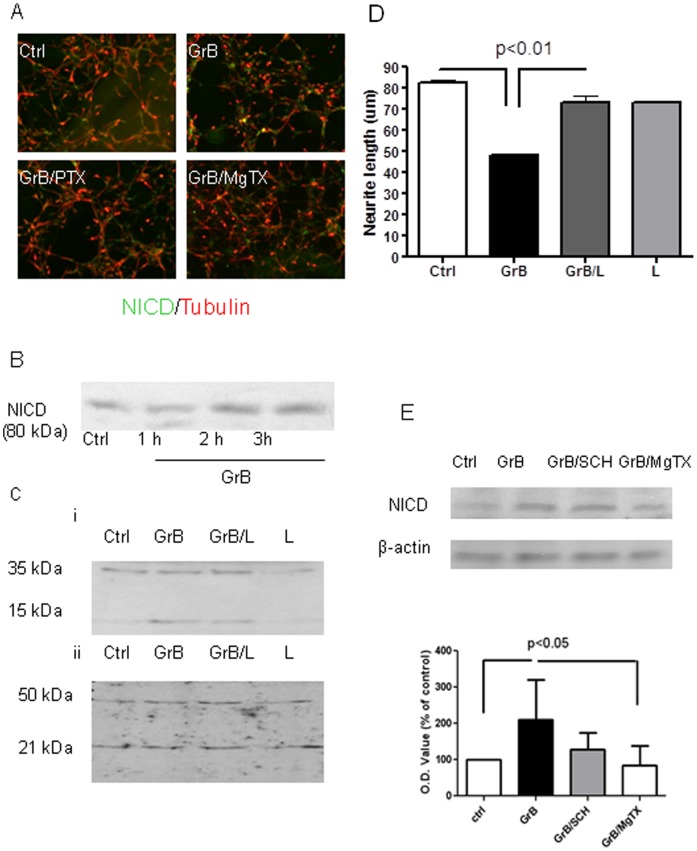
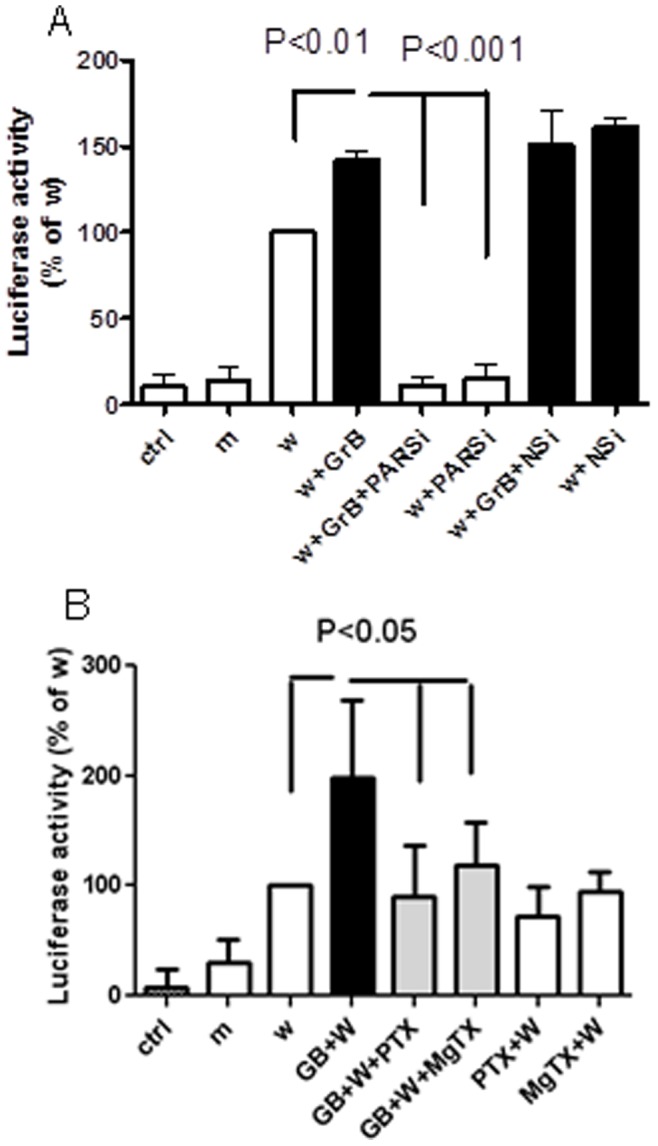
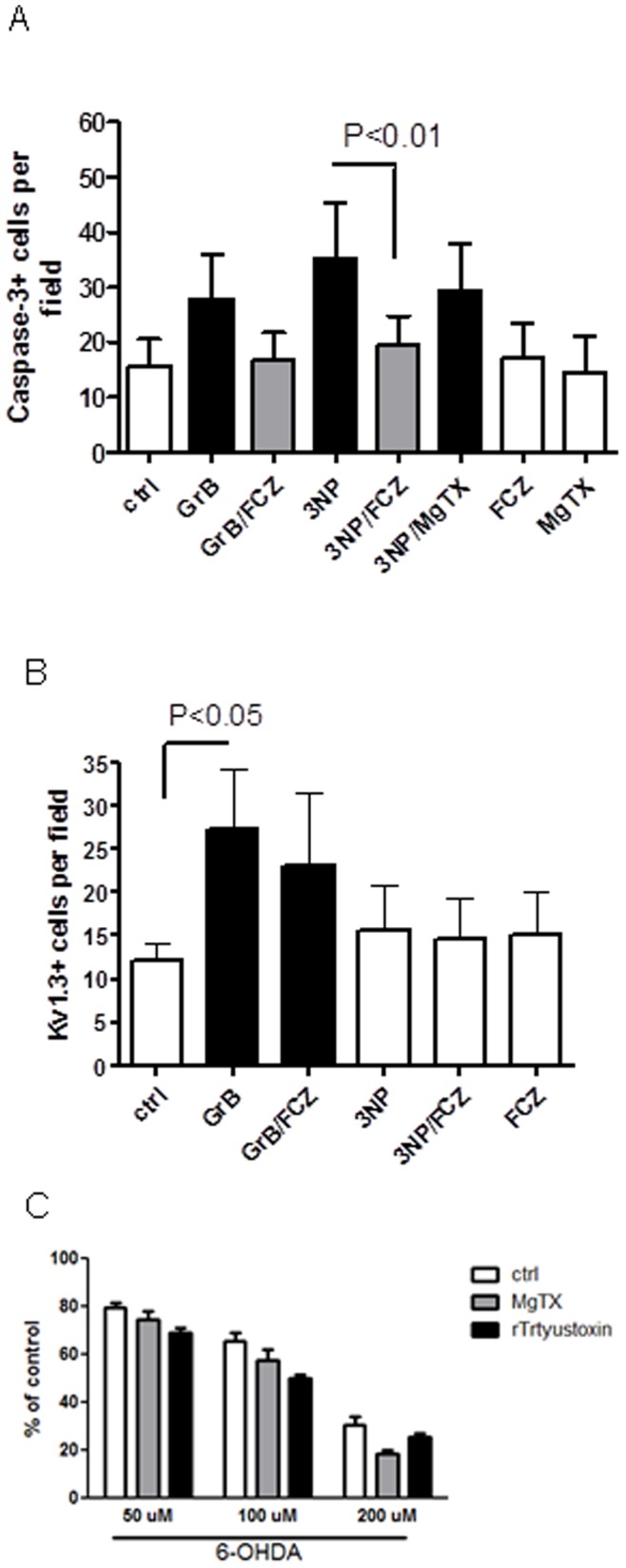
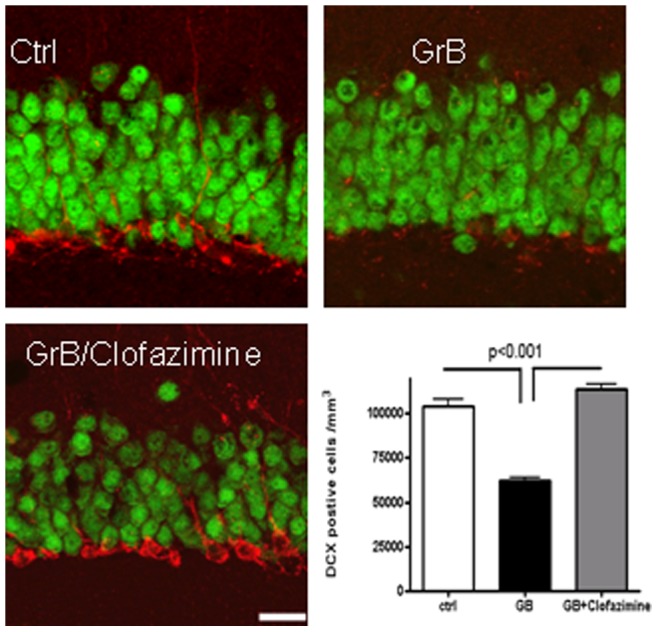
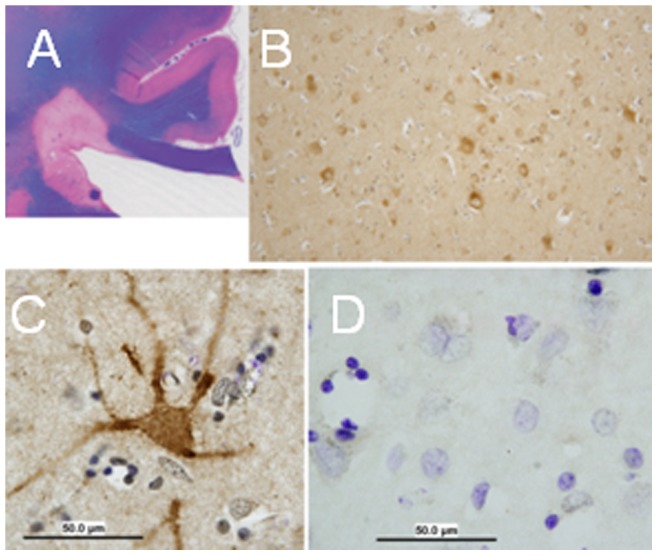
Increasing evidence supports a critical role of T cells in neurodegeneration associated with acute and subacute brain inflammatory disorders. Granzyme B (GrB), released by activated T cells, is a cytotoxic proteinase which may induce perforin-independent neurotoxicity. Here, we studied the mechanism of perforin-independent GrB toxicity by treating primary cultured human neuronal cells with recombinant GrB. GrBactivated the protease-activated receptor (PAR)-1 receptor on the neuronal cell surface leading to decreased intracellular cyclic AMP levels. This was followed by increased expression and translocation of the voltage gated potassium channel, Kv1.3 to the neuronal cell membrane. Similar expression of Kv1.3 was also seen in neurons of the cerebral cortex adjacent to active inflammatory lesions in patients with multiple sclerosis. Kv1.3 expression was followed by activation of Notch-1 resulting in neurotoxicity. Blocking PAR-1, Kv1.3 or Notch-1 activation using specific pharmacological inhibitors or siRNAs prevented GrB-induced neurotoxicity. Furthermore, clofazimine protected against GrB-induced neurotoxicity in rat hippocampus, in vivo. These observations indicate that GrB released from T cells induced neurotoxicity by interacting with the membrane bound Gi-coupled PAR-1 receptor and subsequently activated Kv1.3 and Notch-1. These pathways provide novel targets to treat T cell-mediated neuroinflammatory disorders. Kv1.3 is of particular interest since it is expressed on the cell surface, only under pathological circumstances, and early in the cascade of events making it an attractive therapeutic target.
越来越多的证据表明 T 细胞在与急性和亚急性脑炎症相关的神经退行性变中起着关键作用。颗粒酶 B(GrB)是一种由激活的 T 细胞释放的细胞毒性蛋白酶,可能诱导穿孔素非依赖性神经毒性。在这里,我们通过用重组 GrB 处理原代培养的人神经元细胞来研究穿孔素非依赖性 GrB 毒性的机制。GrB 激活神经元细胞表面的蛋白酶激活受体(PAR)-1 受体,导致细胞内环磷酸腺苷水平降低。随后,电压门控钾通道 Kv1.3 的表达和易位增加到神经元细胞膜。在多发性硬化症患者的活性炎症病变附近的大脑皮层神经元中也观察到类似的 Kv1.3 表达。Kv1.3 的表达随后激活 Notch-1 导致神经毒性。使用特异性药理学抑制剂或 siRNA 阻断 PAR-1、Kv1.3 或 Notch-1 的激活可防止 GrB 诱导的神经毒性。此外,氯法齐明可在体内防止 GrB 诱导的大鼠海马神经毒性。这些观察结果表明,T 细胞释放的 GrB 通过与膜结合的 Gi 偶联 PAR-1 受体相互作用,随后激活 Kv1.3 和 Notch-1,从而诱导神经毒性。这些途径为治疗 T 细胞介导的神经炎症性疾病提供了新的靶点。Kv1.3 特别有趣,因为它仅在病理情况下,并且在事件级联的早期在细胞表面表达,使其成为一个有吸引力的治疗靶点。