Division of Cardiothoracic Surgery, Warren Alpert School of Medicine, Brown University, Providence, RI 02905, USA.
Circulation. 2012 Sep 11;126(11 Suppl 1):S65-72. doi: 10.1161/CIRCULATIONAHA.111.082172.
Moderate consumption of alcohol, particularly red wine, has been shown to decrease cardiac risk. We used a hypercholesterolemic swine model of chronic ischemia to examine the effects of 2 alcoholic beverages on the heart.
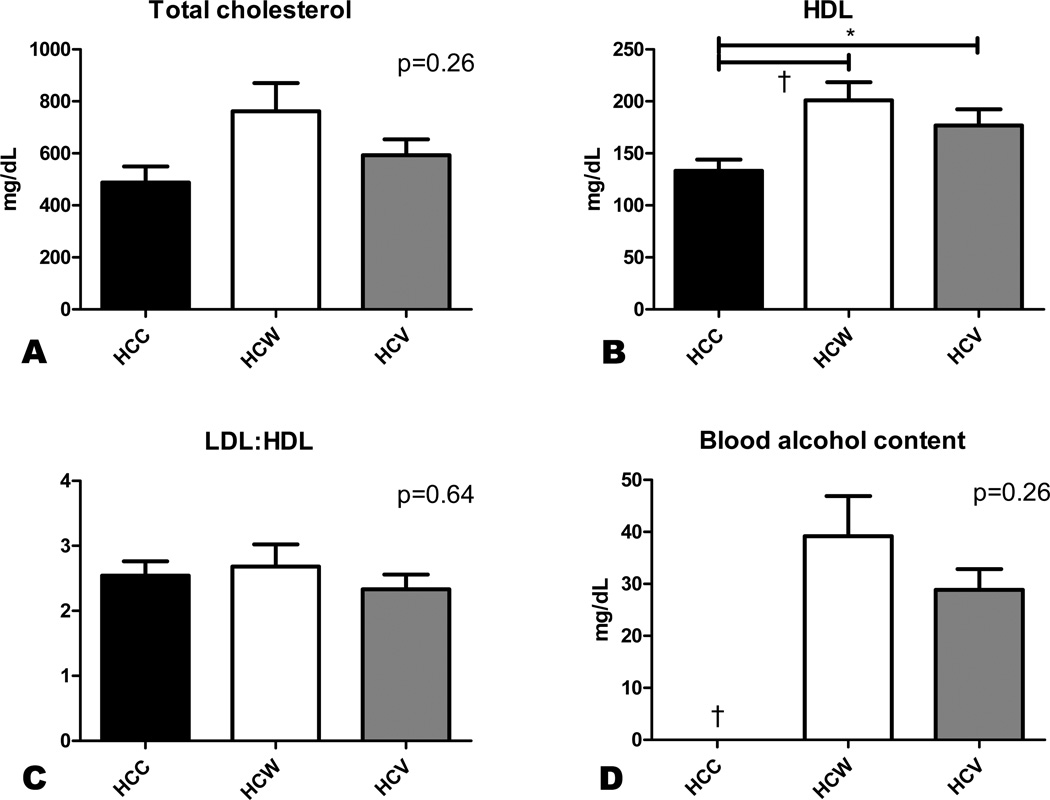
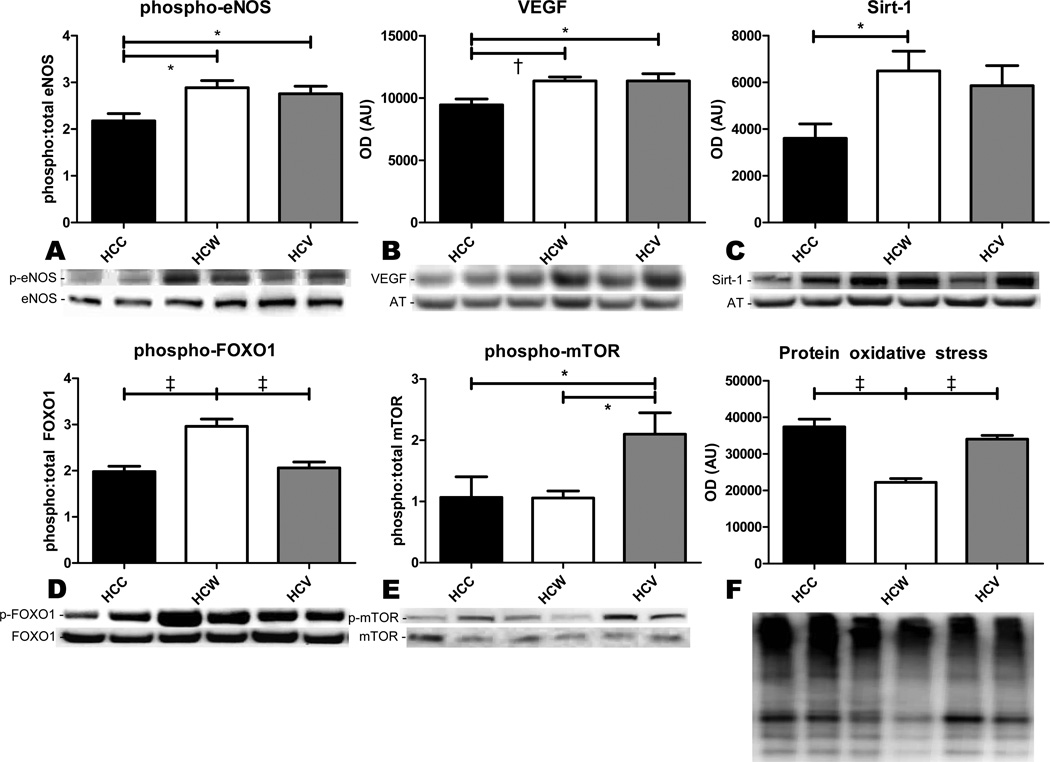
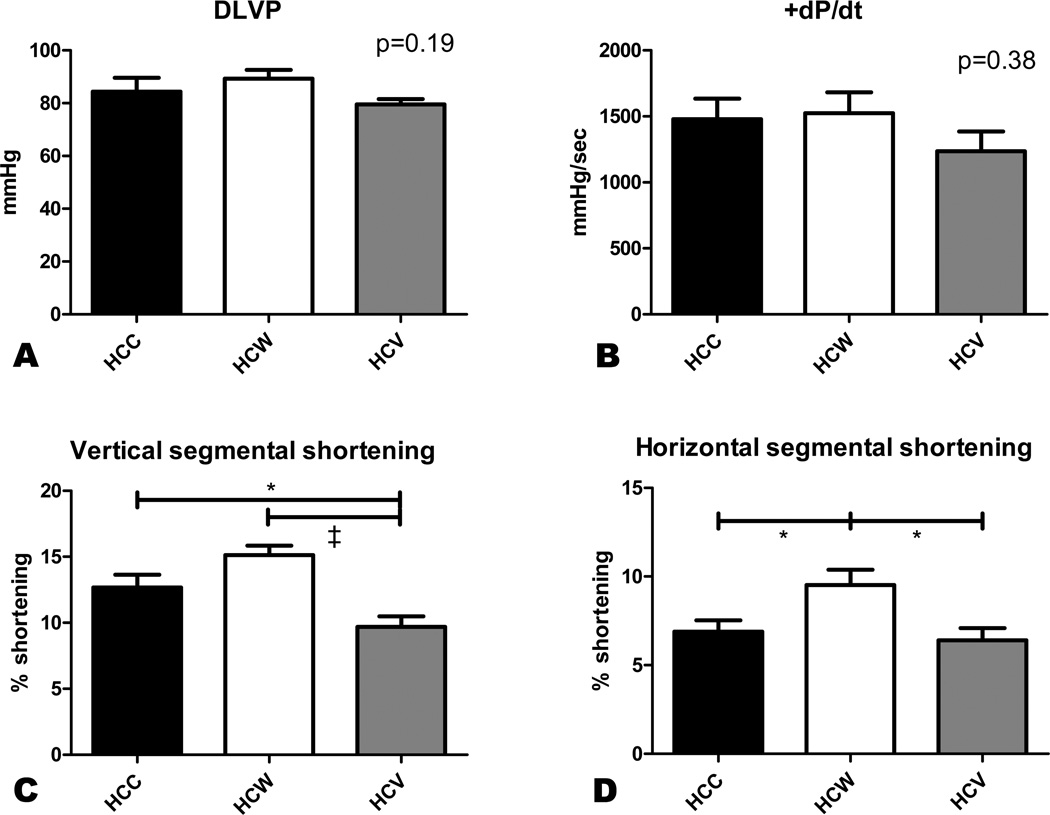
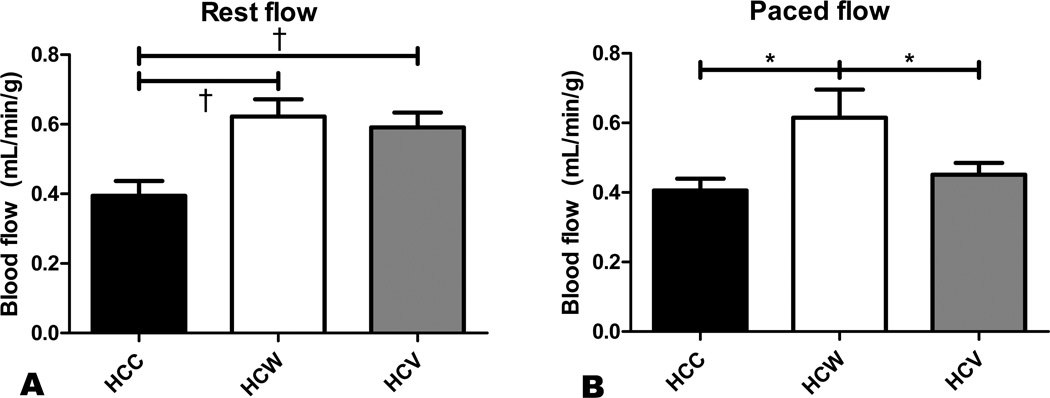
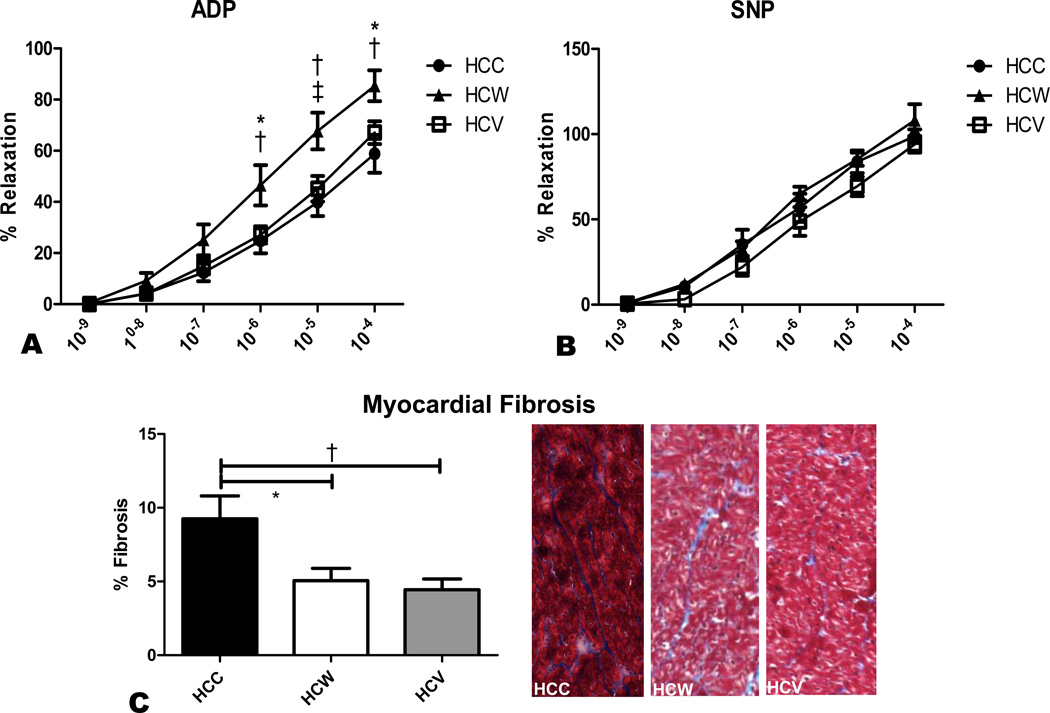
Yorkshire swine fed a high-cholesterol diet underwent left circumflex ameroid constrictor placement to induce chronic ischemia at 8 weeks of age. One group (HCC, n=9) continued on the diet alone, the second (HCW, n=8) was supplemented with red wine (pinot noir, 12.5% alcohol, 375 mL daily), and the third (HCV, n=9) was supplemented with vodka (40% alcohol, 112 mL daily). After 7 weeks, cardiac function was measured, and ischemic myocardium was harvested for analysis of perfusion, myocardial fibrosis, vessel function, protein expression, oxidative stress, and capillary density. Platelet function was measured by aggregometry. Perfusion to the ischemic territory as measured by microsphere injection was significantly increased in both HCW and HCV compared with HCC at rest, but in only the HCW group under ventricular pacing. Microvessel relaxation response to adenosine 5'-diphosphate was improved in the HCW group alone as was regional contractility in the ischemic territory, although myocardial fibrosis was decreased in both HCW and HCV. Expression of proangiogenic proteins phospho-endothelial nitric oxide synthase and vascular endothelial growth factor was increased in both HCW and HCV, whereas phospho-mammalian target of rapamycin was increased only in the HCV group. Expression of Sirt-1 and downstream antioxidant phospho-FoxO1 was increased only in the HCW group. Protein oxidative stress was decreased in the HCW group alone, whereas capillary density was increased only in the HCV group. There was no significant difference in platelet function between groups.
Moderate consumption of red wine and vodka may reduce cardiovascular risk by improving collateral-dependent perfusion through different mechanisms. Red wine may offer increased cardioprotection related to its antioxidant properties.
适量饮酒,特别是红酒,已被证明可降低心脏风险。我们使用慢性缺血的高胆固醇猪模型来研究两种酒精饮料对心脏的影响。
在 8 周龄时,给予高脂饮食的约克夏猪进行左回旋支动脉环缩窄术,以诱导慢性缺血。一组(HCC,n=9)继续单独进食,第二组(HCW,n=8)补充红葡萄酒(黑比诺,酒精含量 12.5%,每日 375 毫升),第三组(HCV,n=9)补充伏特加(酒精含量 40%,每日 112 毫升)。7 周后,测量心功能,采集缺血心肌用于灌注、心肌纤维化、血管功能、蛋白表达、氧化应激和毛细血管密度分析。通过血小板聚集仪测量血小板功能。与 HCC 相比,在静息状态下,HCW 和 HCV 组缺血区的灌注均显著增加,但仅在 HCW 组在心室起搏下增加。仅在 HCW 组,腺苷 5'-二磷酸诱导的微血管松弛反应和缺血区的局部收缩性改善,尽管在 HCW 和 HCV 组心肌纤维化减少。促血管生成蛋白磷酸化内皮型一氧化氮合酶和血管内皮生长因子的表达在 HCW 和 HCV 组均增加,而磷酸化哺乳动物雷帕霉素靶蛋白仅在 HCV 组增加。Sirt-1 和下游抗氧化磷酸化 FoxO1 的表达仅在 HCW 组增加。仅在 HCW 组,蛋白质氧化应激降低,而仅在 HCV 组,毛细血管密度增加。各组间血小板功能无显著差异。
适量饮用红葡萄酒和伏特加可能通过不同机制改善依赖侧支循环的灌注,从而降低心血管风险。红葡萄酒可能因其抗氧化特性提供增加的心脏保护作用。