Department of Chemistry, Faculty of Science, Universiti Putra Malaysia, Selangor, Malaysia.
Int J Nanomedicine. 2012;7:4739-47. doi: 10.2147/IJN.S34700. Epub 2012 Sep 7.
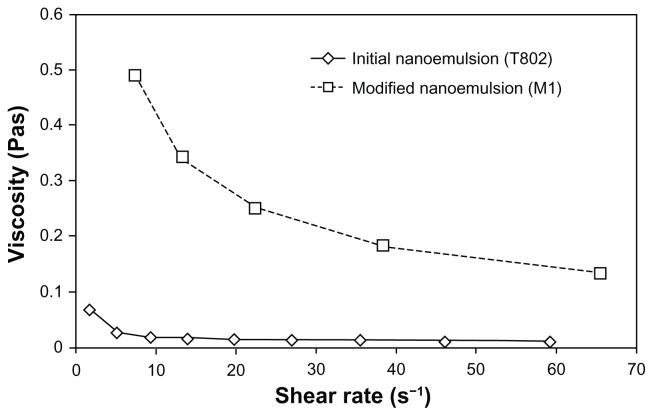
During recent years, there has been growing interest in the use of nanoemulsion as a drug-carrier system for topical delivery. A nanoemulsion is a transparent mixture of oil, surfactant and water with a very low viscosity, usually the product of its high water content. The present study investigated the modification of nanoemulsions with different hydrocolloid gums, to enhanced drug delivery of ibuprofen. The in vitro characterization of the initial and modified nanoemulsions was also studied.
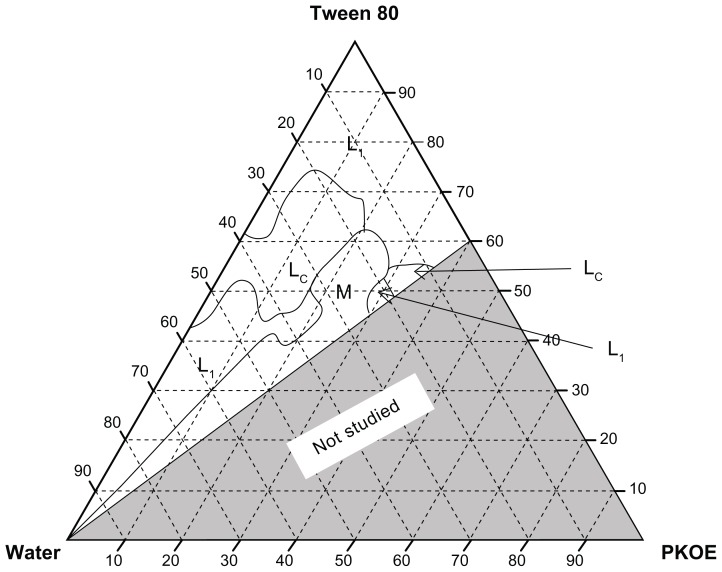
A palm kernel oil esters nanoemulsion was modified with different hydrocolloid gums for the topical delivery of ibuprofen. Three different hydrocolloids (gellan gum, xanthan gum, and carrageenan) were selected for use. Ternary phase diagrams were constructed using palm kernel oil esters as the oil, Tween 80 as the surfactant, and water. Nanoemulsions were prepared by phase inversion composition, and were gradually mixed with the freshly prepared hydrocolloids. The initial nanoemulsion and modified nanoemulsions were characterized. The abilities of the nanoemulsions to deliver ibuprofen were assessed in vitro, using a Franz diffusion cell fitted with rat skin.
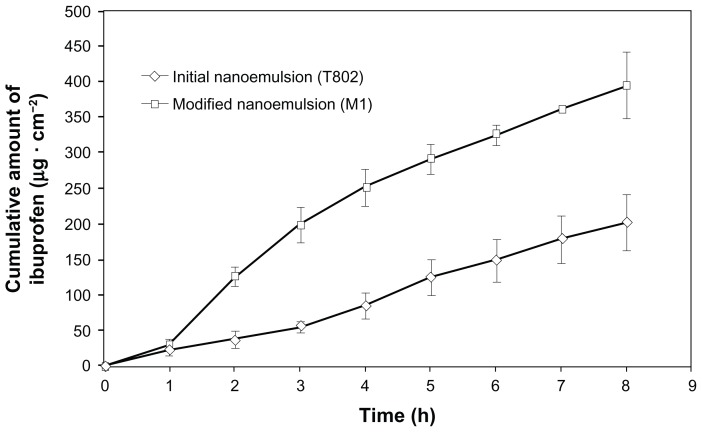
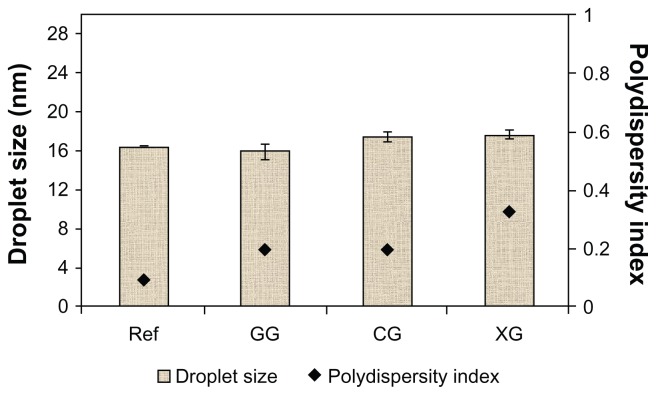
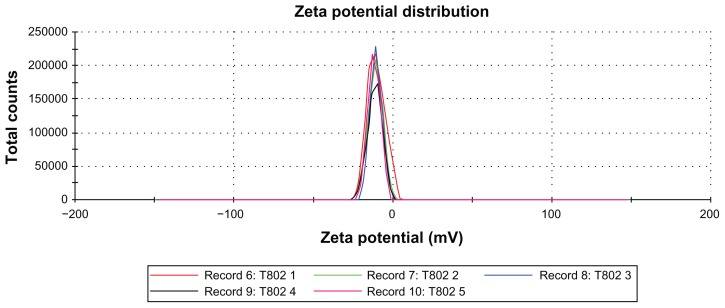
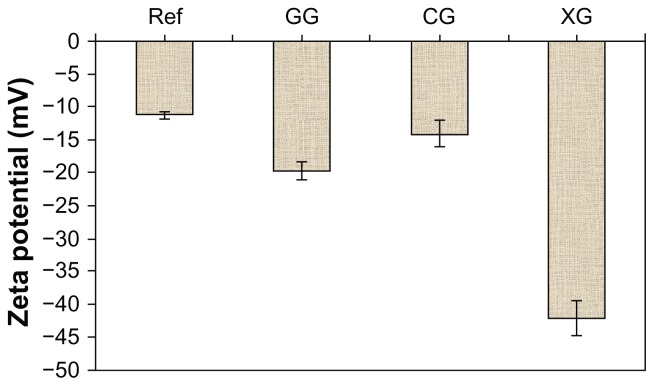
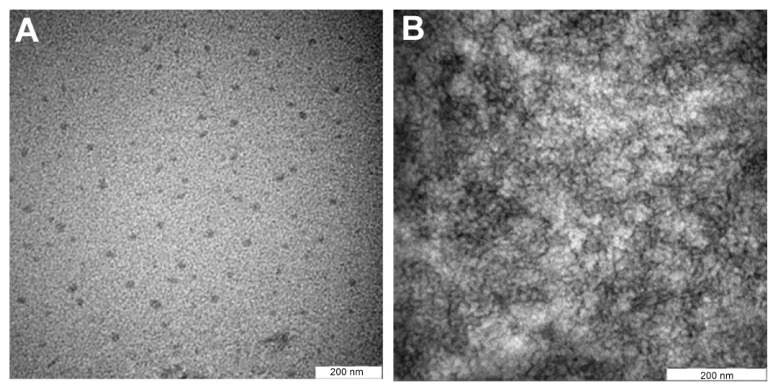
No significant changes were observed in droplet size (~16-20 nm) but a significant difference in polydispersity indexes were observed before and after the modification of nanoemulsions using gellan gum, carrageenan, and xanthan gum. The zeta potentials of the initial nanoemulsions (-11.0 mV) increased to -19.6 mV, -13.9 mV, and -41.9 mV, respectively. The abilities of both the initial nanoemulsion (T802) and the modified nanoemulsion to deliver ibuprofen through the skin were evaluated in vitro, using Franz diffusion cells fitted with rat skin. The in vitro permeation data showed that the modified nanoemulsion (Kp value of 55.4 × 10(-3) cm · h(-1)) increased the permeability of ibuprofen 4.40 times over T802 (Kp value of 12.6 × 10(-3) cm · h(-1)) (P < 0.05).
The modified nanoemulsion may be a promising vehicle to enhance the permeation of ibuprofen for topical delivery.
近年来,人们对纳米乳液作为局部递送的药物载体系统越来越感兴趣。纳米乳液是一种油、表面活性剂和水的透明混合物,具有非常低的粘度,通常是其高含水量的产物。本研究探讨了用不同的水凝胶对纳米乳液进行改性,以增强布洛芬的药物传递。还研究了初始纳米乳液和改性纳米乳液的体外特性。
用不同的水凝胶对棕榈仁油酯纳米乳液进行改性,以实现布洛芬的局部传递。选择了三种不同的水凝胶(结冷胶、黄原胶和卡拉胶)进行使用。使用棕榈仁油酯作为油、吐温 80 作为表面活性剂、水来构建三元相图。纳米乳液通过相转变组成制备,并逐渐与新制备的水凝胶混合。对初始纳米乳液和改性纳米乳液进行了特性分析。使用配备有大鼠皮肤的 Franz 扩散池,体外评估纳米乳液递送布洛芬的能力。
在用结冷胶、卡拉胶和黄原胶对纳米乳液进行改性前后,粒径(~16-20nm)没有明显变化,但多分散指数有显著差异。初始纳米乳液的 zeta 电位(-11.0mV)分别增加到-19.6mV、-13.9mV 和-41.9mV。分别使用 Franz 扩散池对初始纳米乳液(T802)和改性纳米乳液的体外透皮能力进行了评估。体外渗透数据表明,改性纳米乳液(Kp 值为 55.4×10⁻³cm·h-1)使布洛芬的渗透性增加了 4.40 倍,超过了 T802(Kp 值为 12.6×10⁻³cm·h-1)(P<0.05)。
改性纳米乳液可能是增强布洛芬经皮传递的有前途的载体。