The ithree institute, University of Technology Sydney, Sydney, New South Wales, Australia.
PLoS Biol. 2012;10(9):e1001389. doi: 10.1371/journal.pbio.1001389. Epub 2012 Sep 11.
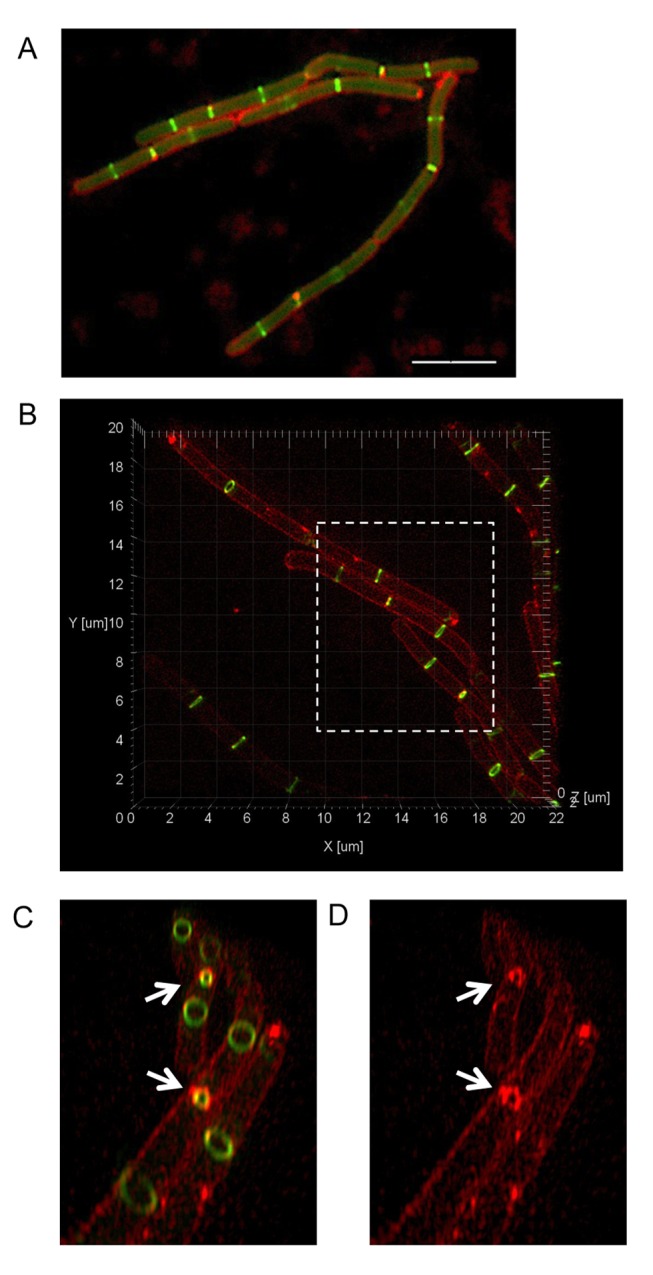
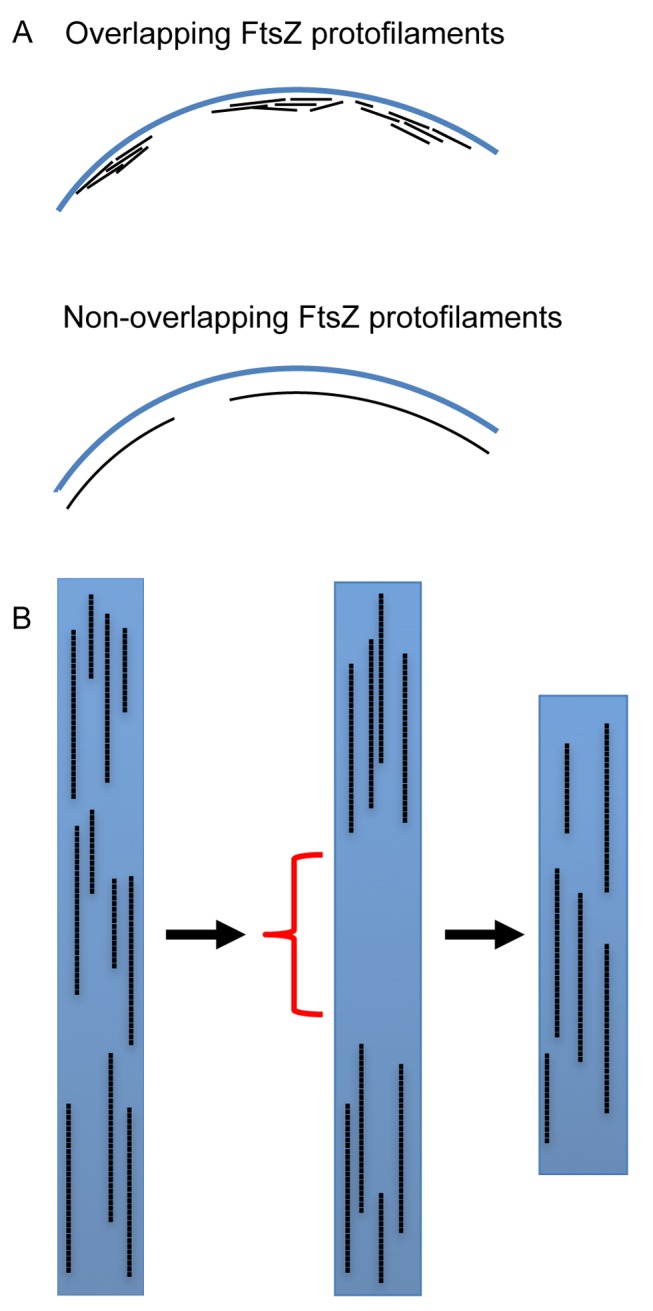
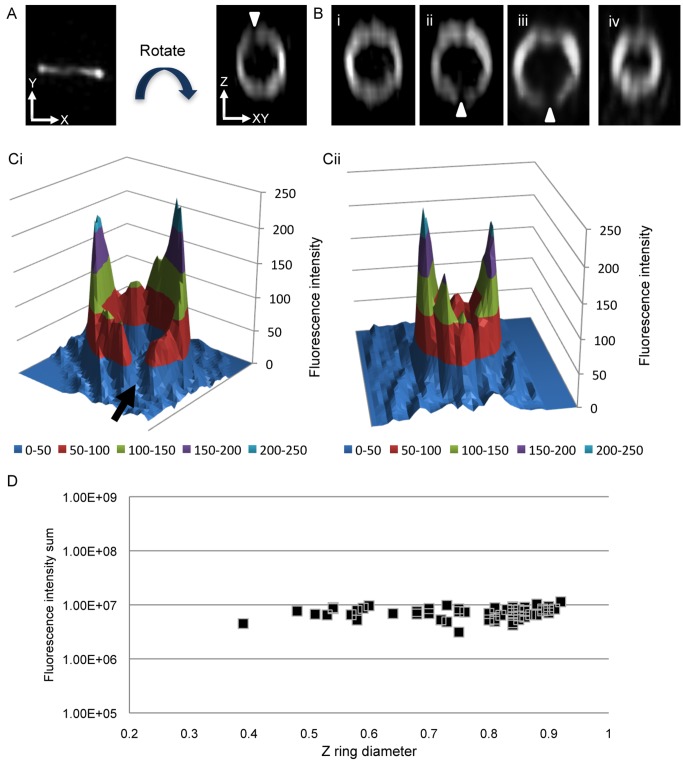
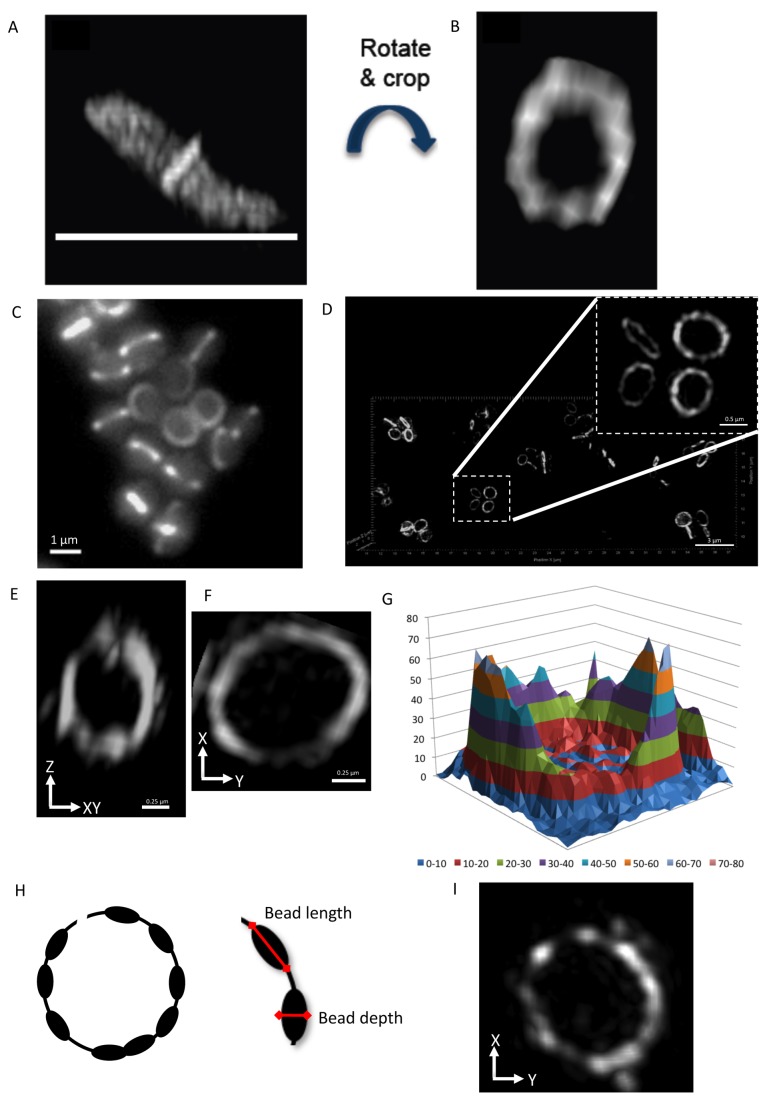
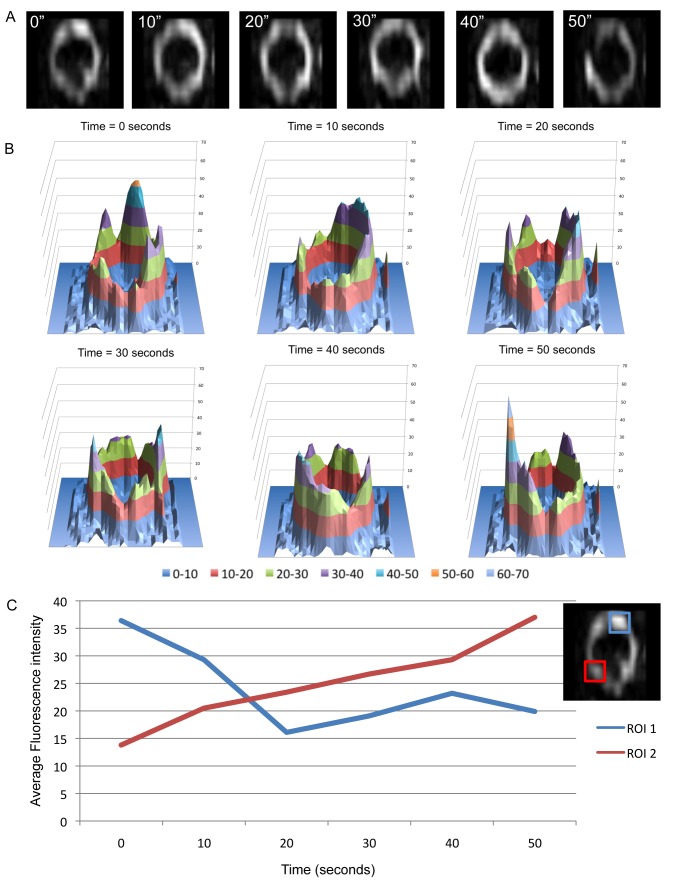
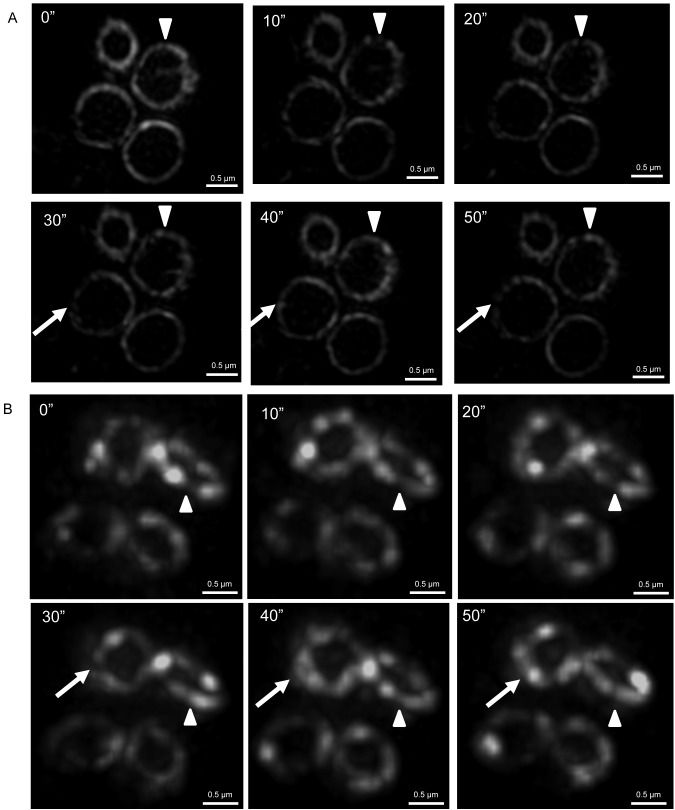
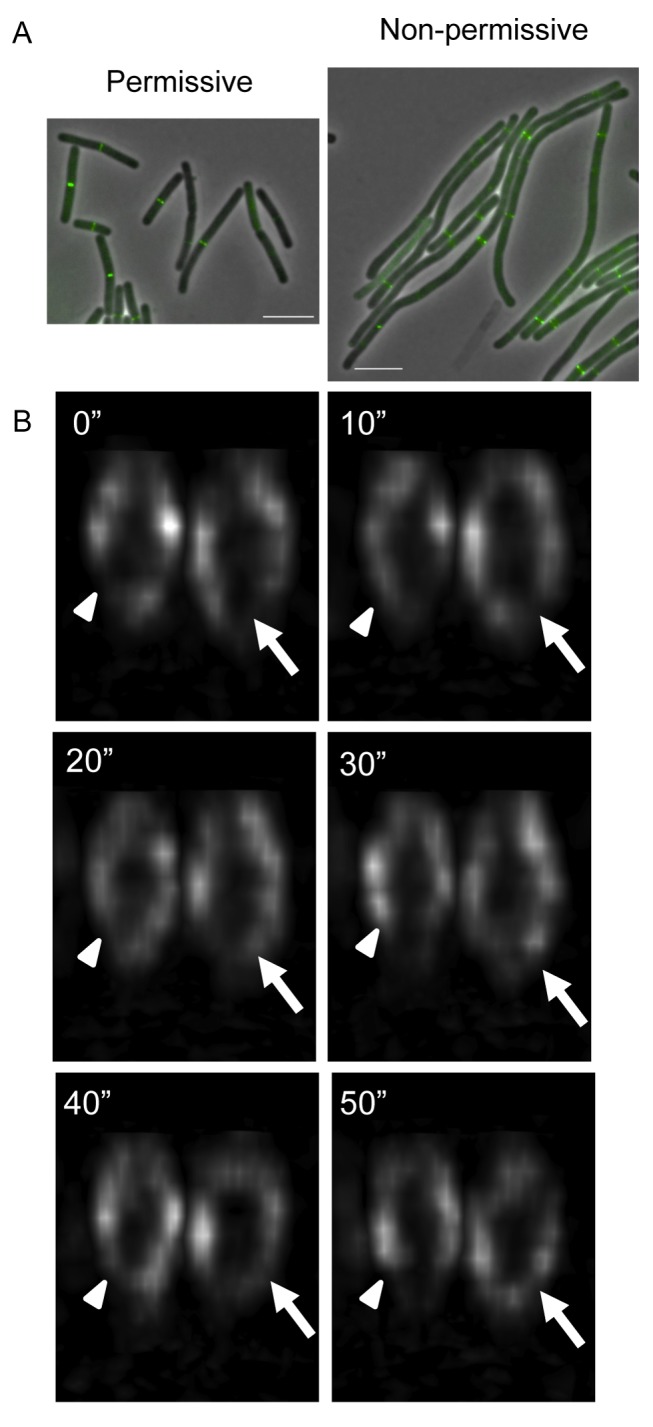
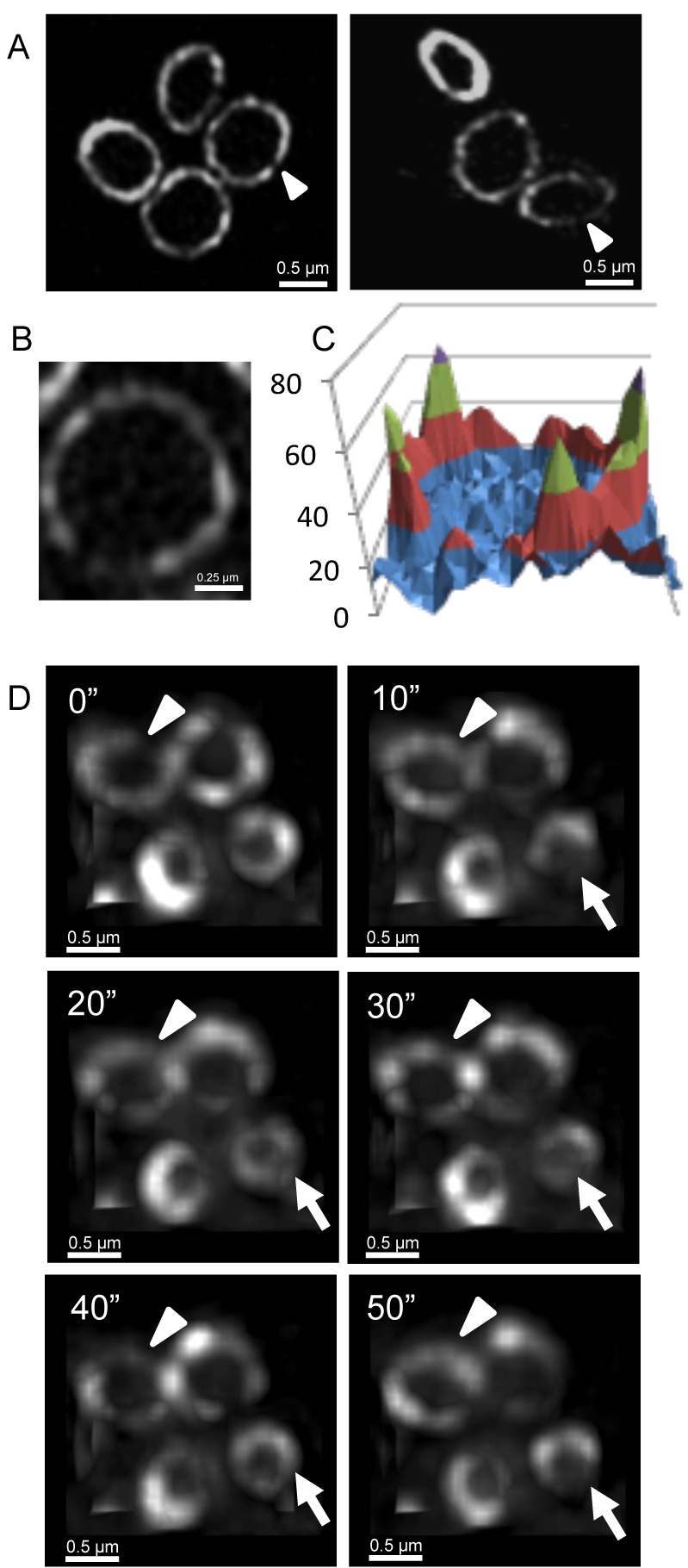
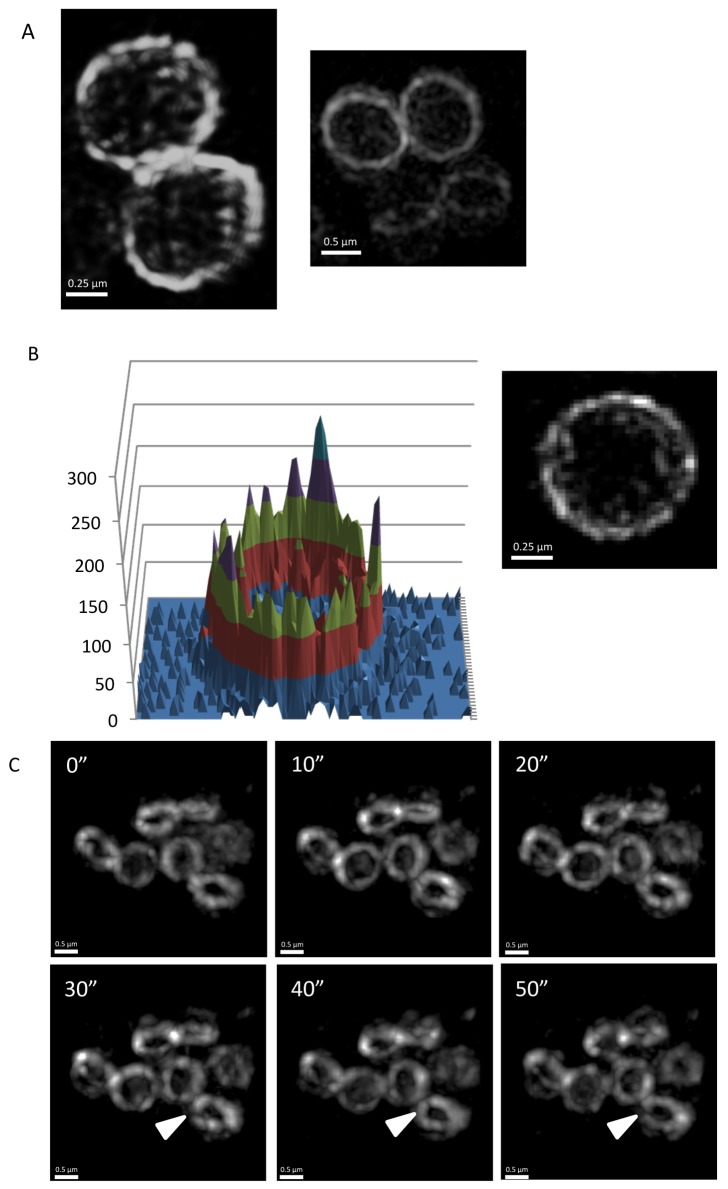
FtsZ is a tubulin-like GTPase that is the major cytoskeletal protein in bacterial cell division. It polymerizes into a ring, called the Z ring, at the division site and acts as a scaffold to recruit other division proteins to this site as well as providing a contractile force for cytokinesis. To understand how FtsZ performs these functions, the in vivo architecture of the Z ring needs to be established, as well as how this structure constricts to enable cytokinesis. Conventional wide-field fluorescence microscopy depicts the Z ring as a continuous structure of uniform density. Here we use a form of super resolution microscopy, known as 3D-structured illumination microscopy (3D-SIM), to examine the architecture of the Z ring in cells of two Gram-positive organisms that have different cell shapes: the rod-shaped Bacillus subtilis and the coccoid Staphylococcus aureus. We show that in both organisms the Z ring is composed of a heterogeneous distribution of FtsZ. In addition, gaps of fluorescence were evident, which suggest that it is a discontinuous structure. Time-lapse studies using an advanced form of fast live 3D-SIM (Blaze) support a model of FtsZ localization within the Z ring that is dynamic and remains distributed in a heterogeneous manner. However, FtsZ dynamics alone do not trigger the constriction of the Z ring to allow cytokinesis. Lastly, we visualize other components of the divisome and show that they also adopt a bead-like localization pattern at the future division site. Our data lead us to propose that FtsZ guides the divisome to adopt a similar localization pattern to ensure Z ring constriction only proceeds following the assembly of a mature divisome.
FtsZ 是一种类似于微管的 GTP 酶,是细菌细胞分裂的主要细胞骨架蛋白。它在分裂部位聚合形成一个环,称为 Z 环,并作为支架将其他分裂蛋白招募到该部位,同时为细胞分裂提供收缩力。为了了解 FtsZ 如何发挥这些功能,需要确定 Z 环的体内结构,以及该结构如何收缩以实现细胞分裂。传统的宽场荧光显微镜将 Z 环描绘为具有均匀密度的连续结构。在这里,我们使用一种称为三维结构照明显微镜(3D-SIM)的超分辨率显微镜来检查两种具有不同细胞形状的革兰氏阳性生物(棒状枯草芽孢杆菌和球形金黄色葡萄球菌)细胞中 Z 环的结构。我们表明,在这两种生物中,Z 环由 FtsZ 的不均匀分布组成。此外,荧光间隙明显,表明它是不连续的结构。使用先进形式的快速活 3D-SIM(Blaze)的时程研究支持 FtsZ 在 Z 环内定位的模型,该模型是动态的,并保持不均匀分布。然而,FtsZ 动力学本身并不会引发 Z 环的收缩以允许细胞分裂。最后,我们可视化了分裂体的其他成分,并表明它们在未来的分裂部位也采用珠状定位模式。我们的数据使我们提出 FtsZ 引导分裂体采用类似的定位模式,以确保仅在成熟分裂体组装后才进行 Z 环收缩。