University of Otago, Dunedin, New Zealand.
BMC Public Health. 2012 Sep 17;12:796. doi: 10.1186/1471-2458-12-796.
The Framework Convention on Tobacco Control calls for the elimination of tobacco advertising, promotion and sponsorship. To test whether tobacco packaging functions as advertising by communicating attractive and distinctive brand attributes, we explored how young adult smokers and non-smokers interpreted familiar and unfamiliar tobacco brands.
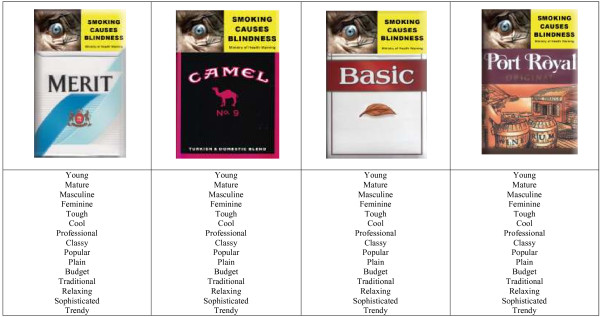
We conducted an on-line survey of 1035 young adult smokers and non-smokers aged 18-30. Participants evaluated eight tobacco brands using ten attributes based on brand personality scales. We used factor analysis and ANOVA to examine patterns in brand-attribute associations.
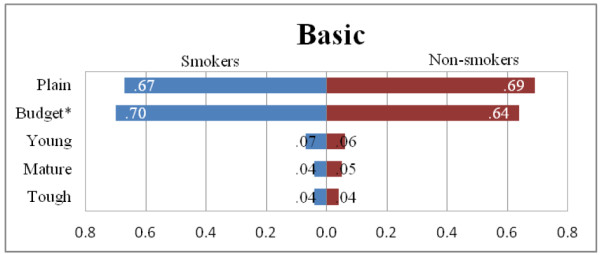
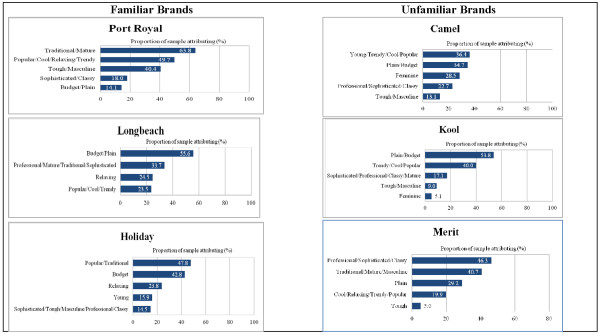
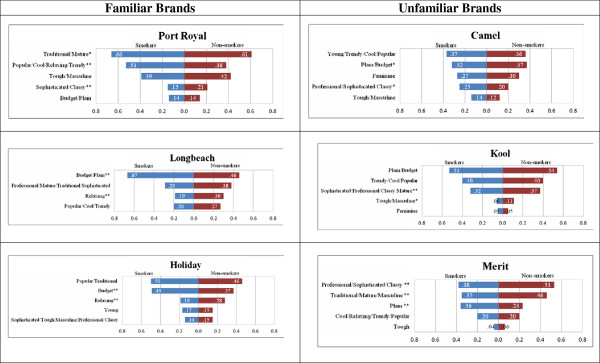
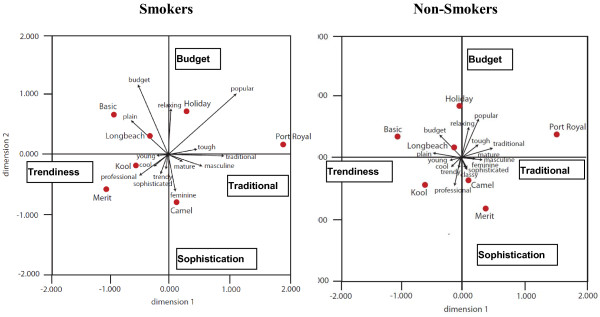
Young adults distinguished between brands on the basis of their packaging alone, associated each brand with specific attributes, and were equally able to interpret familiar and unfamiliar brands. Contrary to our expectations, non-smokers made more favourable brand-attribute associations than smokers, but both groups described Basic, a near generic brand, as 'plain' or 'budget'. There were no significant gender or ethnicity differences.
Tobacco packaging uses logos, colours and imagery to create desirable connotations that promote and reinforce smoking. By functioning in the same way as advertising, on-pack branding breaches Article 13 of the FCTC and refutes tobacco companies' claims that pack livery serves only as an indentifying device that simplifies smokers' decision-making. Given this evidence, signatories should see plain packaging policies as a priority consistent with their FCTC obligations to eliminate all tobacco advertising and promotion.
《烟草控制框架公约》呼吁消除烟草广告、促销和赞助。为了测试烟草包装是否通过传达有吸引力和独特的品牌属性来起到广告的作用,我们探讨了成年烟民和非烟民如何解读熟悉和不熟悉的烟草品牌。
我们对 1035 名 18-30 岁的成年烟民和非烟民进行了在线调查。参与者根据品牌个性量表,使用十种属性对八种烟草品牌进行评估。我们使用因子分析和方差分析来检验品牌属性关联的模式。
年轻人仅根据包装就能区分品牌,将每个品牌与特定的属性联系起来,并且能够同样地解读熟悉和不熟悉的品牌。与我们的预期相反,非烟民比烟民做出了更有利的品牌属性关联,但两组都将 Basic(一个接近通用的品牌)描述为“普通”或“经济型”。没有显著的性别或种族差异。
烟草包装使用徽标、颜色和图像来创造理想的内涵,从而促进和加强吸烟。通过以与广告相同的方式运作,包装品牌违反了《烟草控制框架公约》第 13 条,并反驳了烟草公司的说法,即包装只是一个识别装置,简化了吸烟者的决策过程。有了这些证据,签署方应该将普通包装政策视为符合其《烟草控制框架公约》义务的优先事项,即消除所有烟草广告和促销。